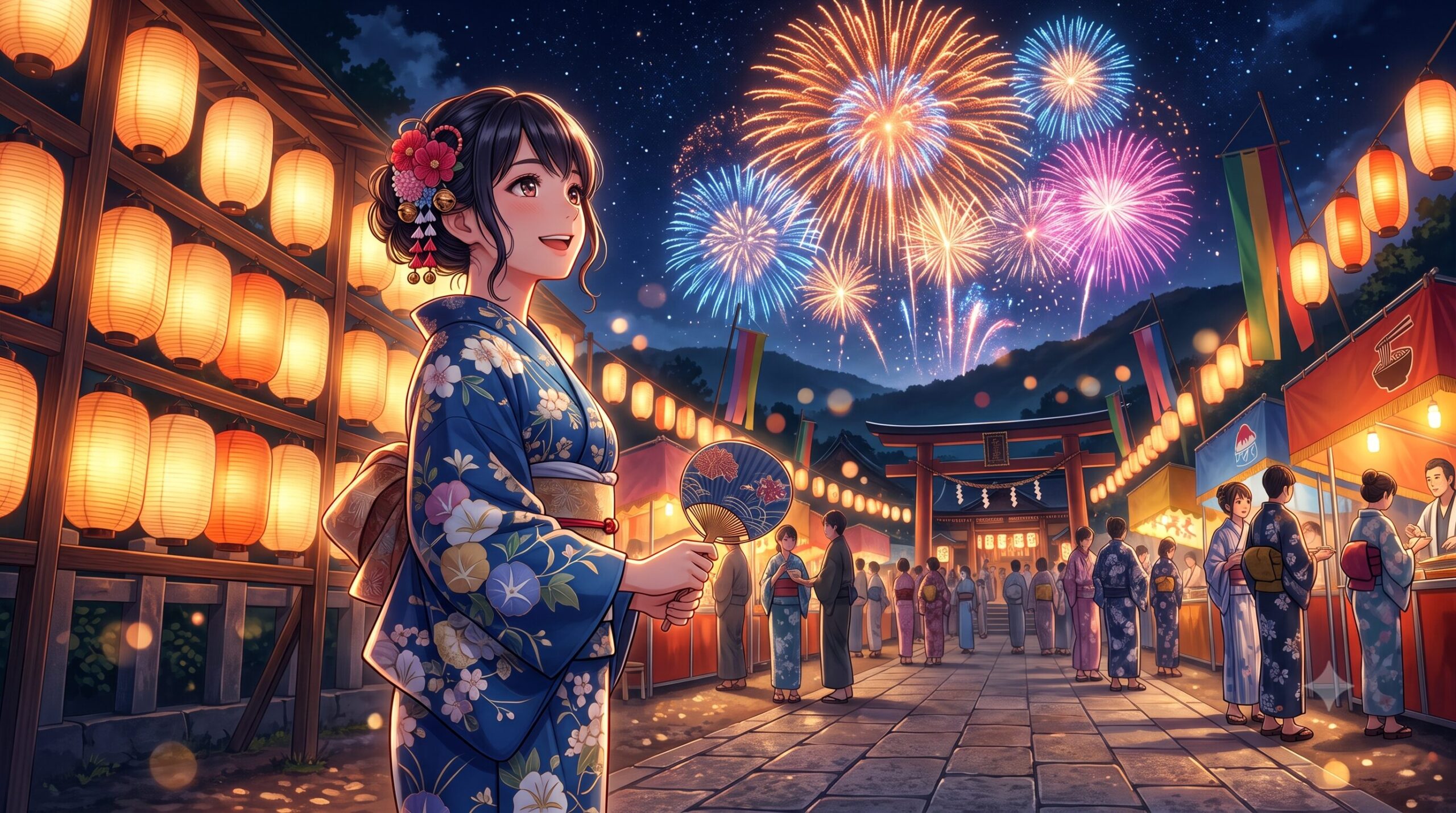
The History and Details of “Yukata”: The Essence of Japanese Summer
August 4th is a special day dedicated to rediscovering the charm of the “Yukata,” Japan’s traditional summer garment. In the sweltering heat of the Japanese summer, the Yukata, with its breathable fabrics and beautiful patterns, colors the streets and is deeply rooted as an iconic symbol of the season, transcending mere clothing. The reason this day is celebrated as Yukata Day is largely due to the seasonal atmosphere of early August, when summer festivals (Natsu Matsuri) and fireworks displays reach their absolute peak.
The history of the Yukata is ancient, tracing its origins back to the Heian period (794–1185). At that time, it was known as “Yukatabira” and was worn by aristocrats when taking steam baths. Originally made of hemp, it was worn to prevent burns and absorb sweat. Later, from the Azuchi-Momoyama period through the Edo period (1603–1868), as Japanese bathing habits shifted from steam baths to soaking in public bathhouses (Sento), it rapidly spread among the common people as comfortable loungewear to wear after bathing.
By the middle of the Edo period, highly breathable and absorbent cotton became widely available, establishing the foundation of the modern Yukata. Around this time, the technique of indigo dyeing (Aizome) also flourished. Indigo has natural insect-repellent and deodorizing properties, making it highly valued as the perfect dye for walking outside during cool summer evenings and festivals. Today, while new materials like polyester and a wide array of colorful, modern designs beyond traditional indigo have emerged, the Yukata remains beloved by everyone from young generations to the elderly.
Interpreting Japanese Culture and Harmony with Nature Through Yukata
Through the Yukata, we can deeply interpret the wisdom of ancestors dealing with Japan’s climate, as well as unique Japanese aesthetics such as “Iki” (chic refinement) and “Furyu” (elegance). The Japanese summer is notoriously hot and humid. However, the Yukata is designed with straight-line cuts that allow for excellent ventilation, creating a natural layer of air within the garment to keep the wearer cool. This reflects the Japanese philosophy of nature: rather than trying to control the environment, they embrace the natural breeze and seek to live in harmony with it.
Furthermore, each pattern on a Yukata carries a specific meaning. For example, the “Morning Glory” (Asagao) pattern represents strong bonds and affection; the “Goldfish” (Kingyo) is a symbol of happiness and abundance; and the “Dragonfly” (Tombo) is considered a lucky “victory bug” because it only flies forward. By wearing seasonal plants and creatures, Japanese people have long enjoyed incorporating the changing seasons into their daily lives and feeling a sense of oneness with nature. Additionally, the crisp “clack-clack” (karan-koron) sound of wooden clogs (Geta) echoing on stone pavements provides a sense of coolness not just visually, but aurally—showcasing the profound depth of Japanese culture.
In modern times, the Yukata is also gaining attention as a sustainable form of clothing. Because it is made using straight cuts of fabric, there is very little waste during production. Since adjustments for body shape changes can be made simply by how the garment is tied and folded, a single Yukata can be passed down from parent to child, and then to grandchild. Amidst a culture of mass consumption, the Japanese spirit of “Mottainai” (avoiding waste and valuing resources) breathes life into the tradition of the Yukata.
How Would You Experience the Japanese Summer in a Yukata?
We hope this article has helped you feel that the Yukata is not just a fashion statement, but a work of art woven with Japanese history, climate, and aesthetics. If you were to visit Japan and wear a Yukata, would you choose a traditional indigo-dyed piece? Or would you prefer a modern, brightly colored floral design?
Slipping your arms into the sleeves, tying the Obi sash, putting on Geta clogs, and walking under the glow of paper lanterns at a summer festival will surely become an unforgettable, special memory in your life. We would love to hear your thoughts after reading this article, and what your ideal Yukata coordination would be. The Japanese summer is waiting to offer you a new and magical experience.
Reference Links
- Explore more in our “What’s Today’s Special Day Series” Category
- Web Japan – Traditional Kimono Culture
8月4日は「ゆかたの日」:日本の夏を彩る伝統的な美しさとその魅力
日本の夏の風物詩、「ゆかた(浴衣)」の歴史と詳細
8月4日は、日本の伝統的な夏の衣装である「ゆかた(浴衣)」の魅力を再認識するための特別な日です。日本のうだるような暑い夏において、涼しげな素材と美しい柄で街を彩る浴衣は、単なる衣服を超えた夏の風物詩として深く根付いています。この日が浴衣に親しむ日として定められている背景には、夏祭りや花火大会が最も盛り上がる8月上旬という季節感が大きく関係しています。
浴衣の歴史は古く、平安時代(794年〜1185年)に貴族が蒸し風呂に入る際に着用していた「湯帷子(ゆかたびら)」が起源とされています。当時は麻素材で作られており、火傷防止や汗取りの目的で着られていました。その後、安土桃山時代から江戸時代(1603年〜1868年)にかけて、日本の入浴習慣が蒸し風呂からお湯に浸かる銭湯へと変化するとともに、湯上がりに着るリラックスウェアとして庶民の間に急速に広まりました。
江戸時代中期には、通気性が良く吸水性に優れた「木綿(コットン)」が普及し、現代の浴衣のベースが完成しました。また、この頃から藍染め(インディゴブルー)の技術が発展しました。藍には防虫効果や消臭効果があるため、夕涼みや夏祭りで外を出歩く際に最適な染料として重宝されたのです。現代では、ポリエステルなどの新素材や、伝統的な藍色にとらわれないカラフルでモダンなデザインが多数登場し、若い世代から年配の方まで幅広く愛され続けています。
浴衣から読み解く、日本文化と自然への寄り添い
浴衣という衣服からは、日本の気候風土に対する先人たちの知恵と、日本特有の美意識である「粋(いき)」や「風流(ふうりゅう)」を深く読み解くことができます。日本の夏は非常に高温多湿ですが、浴衣は風通しの良い直線的な裁断で作られており、衣類の中に自然な空気の層を作り出して涼をとる工夫が施されています。自然をコントロールするのではなく、自然の風を受け入れ、調和しようとする日本人の自然観がここに表れています。
さらに、浴衣の柄には一つひとつ意味が込められています。例えば、「朝顔」の柄は固い絆や愛情を意味し、「金魚」は幸福や豊かさの象徴、「トンボ」は前にしか進まないことから「勝ち虫」と呼ばれ縁起が良いとされています。季節の植物や生き物を身に纏うことで、日本人は日常の中に季節の移ろいを取り入れ、自然との一体感を楽しんできました。また、浴衣を着た際に履く「下駄(げた)」が石畳を鳴らす「カランコロン」という音も、視覚だけでなく聴覚からも涼しさを演出する日本文化の奥深さを示しています。
現代において、浴衣はサステナブル(持続可能)な衣服としても注目されています。直線裁ちで作られるため布の無駄が出にくく、体型の変化にも着付けで対応できるため、親から子へ、そして孫へと世代を超えて受け継ぐことが可能です。大量消費社会の中で、ひとつのものを大切に長く使い続けるという日本の「もったいない」精神が、浴衣という文化の中にも息づいています。
あなたなら、どんな浴衣で日本の夏を歩きますか?
この記事を通して、浴衣が単なるファッションではなく、日本の歴史、気候、そして美意識が詰まった芸術品であることを感じていただけたのではないでしょうか。もしあなたが日本を訪れて浴衣を着るとしたら、伝統的な藍色の浴衣を選びますか?それとも、現代的な色鮮やかな花柄の浴衣を選びますか?
浴衣に袖を通し、帯を締め、下駄を履いて夏祭りの提灯の下を歩く体験は、きっとあなたの人生において忘れられない特別な思い出になるはずです。あなたがこの記事を読んで感じたことや、理想の浴衣のコーディネートについて、ぜひ教えてください。日本の夏は、あなたの新たな体験を待っています。
コメント