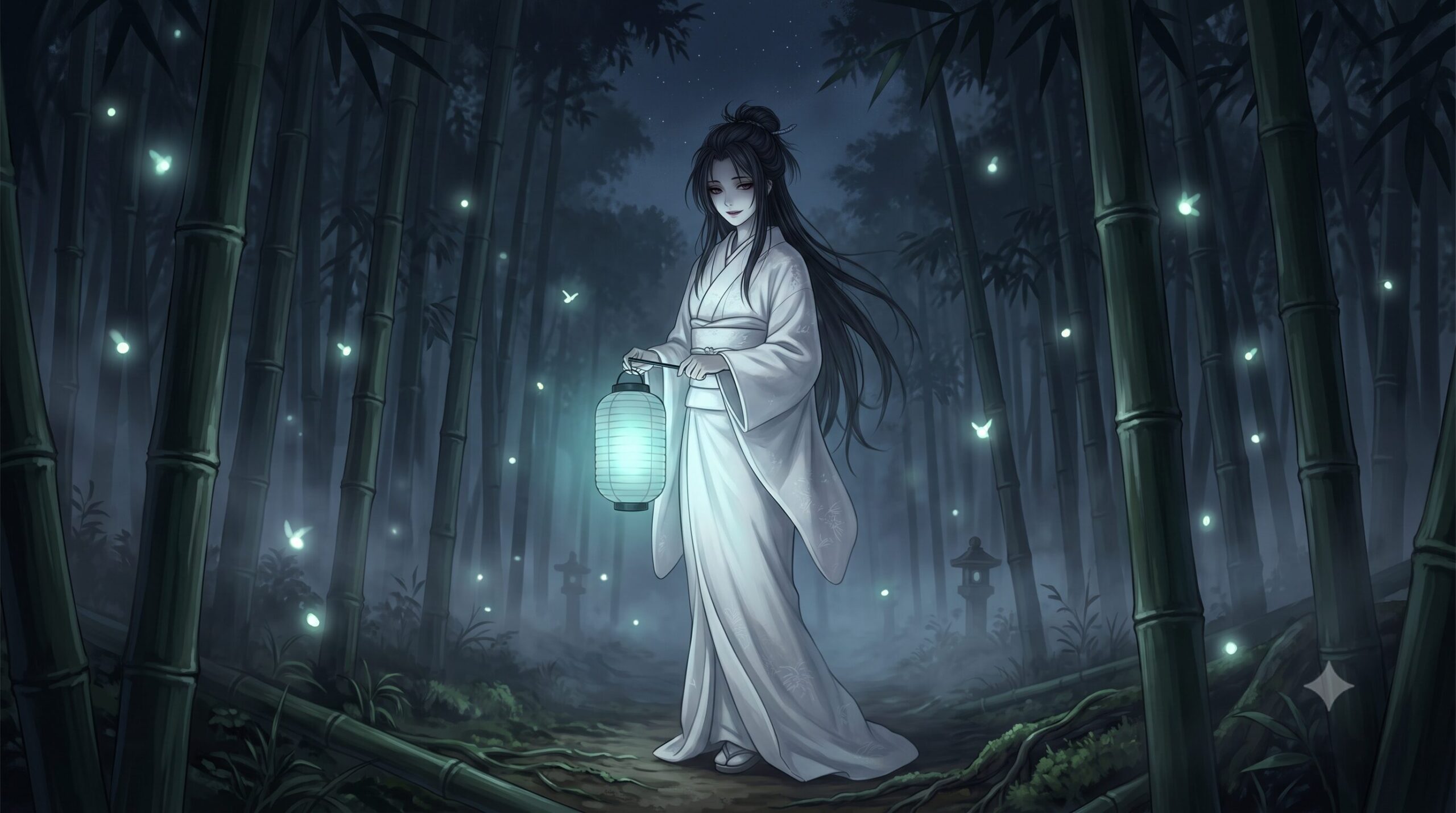
Japanese summers are notoriously known for their relentless heat and high humidity. However, since ancient times, Japanese people have cultivated a unique culture of finding “coolness”—not just through physical means like air conditioning or fans, but through psychological approaches. The most prominent example of this is Kaidan (ghost stories). Every year, July 26 is officially recognized as “Ghost Day” (Yurei no Hi) in Japan. Today, we will thoroughly unravel the historical background of this anniversary and the profound cultural reasons why Japanese people seek out ghosts during the sweltering summer.
The Origins of Ghost Day: The Premiere of Tokaido Yotsuya Kaidan
The reason July 26 is called “Ghost Day” traces back to the late Edo period. On July 26, 1825, the famous Kabuki play Tokaido Yotsuya Kaidan (The Ghost Story of Yotsuya in Tokaido), written by Tsuruya Nanboku IV, premiered at the Nakamura-za theater in Edo (modern-day Tokyo).
This play tells the gruesome and tragic story of Oiwa, a loyal wife who is betrayed and poisoned by her husband, Tamiya Iemon. She returns as a terrifying Yurei (ghost) to enact her vengeance. This theatrical masterpiece, vividly depicting human love, hate, betrayal, and deep grudges, became explosively popular among the commoners of Edo. Oiwa’s tragedy was not merely fiction but was based on a supposedly real-life incident, making the terror feel incredibly real and deeply captivating the audience.
Defining the Visual Identity of the Japanese Ghost
It is no exaggeration to say that the visual image of the ghost in Japan was perfected during this era. A Japanese Yurei typically wears a white burial kimono (shiroshozoku), has long disheveled black hair, dangles their hands weakly like a phantom, and most notably, lacks feet.
The image of the “footless ghost” is widely believed to have originated from ghost paintings by the genius Edo-period artist Maruyama Okyo. Kabuki theater quickly adopted this aesthetic, using staging techniques to hide the actor’s lower half and utilizing wire-action (Chunori) to make the spirits appear to float weightlessly. While Western ghosts often involve poltergeist activity or physical hauntings tied to a location, the Japanese Yurei is an extremely psychological and emotional entity, driven by a powerful personal grudge (urami) against a specific individual.
Why Does Japanese Summer Need Ghost Stories?
In Japanese culture, summer and ghosts are inextricably linked. There are two major reasons for this.
First is the concept of “Noryo” (cooling off). Noryo refers to the creative ways people try to escape the summer heat and enjoy a sense of coolness. When listening to a terrifying story, the human brain perceives fear, which stimulates the sympathetic nervous system and causes blood vessels to constrict. As a result, the surface temperature of the skin actually drops, giving you a literal chill down your spine. Our ancestors cleverly utilized this physiological phenomenon, enjoying ghost stories as entertainment to survive the hot summer nights.
Second is the influence of the Buddhist event known as Obon. In Japan, mid-August (or mid-July in some regions) marks the Obon period, a time when the spirits of ancestors are believed to temporarily return to this world. It has long been believed that during this time, the boundary between the “afterlife” and the “living world” becomes blurred. It is a very natural cultural progression that ghost stories associated with the dead are told during the season when spiritual entities are thought to be closest to us.
Conclusion: Entertainment Born from Fear
Ghost Day on July 26 is not just a horror anniversary. It is a day that proves the rich imagination and resilience of the Japanese people, who, while facing a harsh natural environment (the severe summer heat), managed to sublimate even fear into a sophisticated form of entertainment through literature and theater art like Kabuki.
Reference Links
- External Reference: Wikipedia – Yotsuya Kaidan
- Discover more Japanese anniversaries and calendars: Read more in the “What’s Today’s Special Day?” Series
To our readers:
What do you think of “Noryo,” Japan’s unique culture of surviving the summer heat by lowering one’s body temperature through fear? Does your country have any unique traditions or stories to help overcome the seasonal climate? If you were staying in Japan during the peak of summer, would you be brave enough to experience a spine-chilling Japanese ghost story? Please let me know your thoughts!
7月26日は「幽霊の日」:日本の夏と怪談の密接な関係を読み解く
日本の夏は、容赦のない高温多湿の気候で知られています。しかし、日本人は古くから、エアコンや扇風機といった物理的な涼しさだけでなく、心理的なアプローチから「涼」をとるという独自の文化を育んできました。その代表的なものが「怪談(Kaidan)」、つまり恐ろしい幽霊の話です。毎年7月26日は、日本において「幽霊の日(Ghost Day)」として制定されています。今回は、この記念日の歴史的な背景と、日本人がなぜ夏に幽霊を求めるのか、その奥深い文化について詳細に紐解いていきます。
「幽霊の日」の起源:東海道四谷怪談の初演
7月26日が「幽霊の日」と呼ばれる理由は、江戸時代後期にあたる1825年(文政8年)の7月26日に、江戸の芝居小屋である中村座において、鶴屋南北(第4代)作の歌舞伎狂言『東海道四谷怪談(Tokaido Yotsuya Kaidan)』が初めて上演されたことに由来します。
この物語は、夫である田宮伊右衛門に裏切られ、毒殺された妻・お岩が、恐ろしい幽霊となって復讐を果たすという凄惨なストーリーです。人間の愛憎、裏切り、そして怨念を生々しく描いたこの演目は、当時の江戸の庶民たちの間で爆発的な人気を博しました。お岩の悲劇は単なるフィクションではなく、実際に起こったとされる事件をベースにしており、そのリアルな恐怖が観客の心を強く惹きつけたのです。
日本の「幽霊」の姿を決定づけたもの
日本における幽霊のビジュアルイメージは、この時代にほぼ完成されたと言っても過言ではありません。白い死装束(白装束)を身にまとい、髪を振り乱し、手は幽鬼のように力なく垂れ下がり、そして「足がない」という姿です。
特に「足のない幽霊」というイメージは、江戸時代の天才絵師である円山応挙(Maruyama Okyo)が描いた幽霊画が発端であると広く伝えられています。歌舞伎の舞台でも、下半身を隠す演出や宙乗り(ワイヤーアクションのようなもの)が取り入れられ、現実世界にフワフワと漂う怨念の存在を視覚的に表現しました。西洋のゴーストがポルターガイスト現象や物理的な攻撃を伴うことが多いのに対し、日本の幽霊は「特定の人物への強い怨念(恨み)」を抱いて現れる、極めて心理的・感情的な存在であるという特徴があります。
なぜ日本の夏には「怪談」が必要なのか?
日本文化において、夏と幽霊は切っても切れない関係にあります。これには大きく二つの理由が存在します。
第一に、「納涼(Noryo)」という概念です。納涼とは、工夫を凝らして夏の暑さをしのぎ、涼しさを味わうことを指します。恐ろしい話を聞くと、人間の脳は恐怖を感じ、交感神経が刺激されて血管が収縮します。その結果、皮膚の表面温度が実際に下がり、ゾクッとした冷感を得ることができるのです。先人たちは、この生理現象を巧みに利用し、娯楽として怪談を楽しむことで夏の夜の暑さを乗り切ろうとしました。
第二に、お盆(Obon)という仏教行事の影響です。日本では8月中旬(地域によっては7月中旬)に、先祖の霊が一時的にこの世へ帰ってくるとされるお盆の期間があります。この時期は「あの世(死者の世界)」と「この世(生者の世界)」の境界が曖昧になる時期だと信じられてきました。霊的な存在が身近になるこの季節に、死者にまつわる怪談が語られるのは、非常に自然な文化的な流れであったと言えます。
まとめ:恐怖という名のエンターテインメント
7月26日の「幽霊の日」は、単なるホラーの記念日ではありません。それは、厳しい自然環境(夏の猛暑)と向き合いながら、文学や演劇(歌舞伎)という芸術を通じて、恐怖すらもエンターテインメントとして昇華させてきた日本人の豊かな想像力と逞しさを証明する日なのです。
参考リンク集
- 外部参考資料:Wikipedia – Yotsuya Kaidan (English)
- 日本の記念日や暦をもっと知る:今日は何の日シリーズをもっと読む
読者の皆様へ:
恐怖によって体の表面温度を下げ、夏の暑さをしのぐという日本の独特な文化「納涼」について、あなたはどう思いましたか? あなたの国にも、季節の気候を乗り切るためのユニークな伝統や物語はありますか? もしあなたが真夏の日本に滞在していたら、背筋も凍るような日本の怪談劇を体験してみたいですか? ぜひ、あなたの考えを聞かせてください。
コメント