Japan is home to countless beautiful and heartwarming folktales. However, not every story ends happily ever after. There is a terrifying cautionary tale that explicitly depicts humanity’s bottomless “greed” and the “absolute power of nature” that refuses to forgive such arrogance. That tale is the “Arasaka Chouja” (The Millionaire of Arasaka). It is absolutely impossible to discuss the essence of Japan and the spirituality of its people without knowing this story. In this article, I will completely break down this shocking narrative that will shake your values, along with the deep cultural meaning behind it.
- ① The Fool Who Shot the Sun: The Story of “Arasaka Chouja”
- ② Profound Analysis: Why the Chouja Had to Be Destroyed
- ③ The Essence of Japanese Culture: Animism and the Absolute Rule of Karma
- ④ A Question for Your Soul: How Would You Use This Wealth?
- ⑤ Related Links: Dive Deeper into Japanese Culture
- ① 太陽を射落とした愚か者:昔話「荒坂長者」のストーリー
- ② 深淵なる考察:なぜ長者は破滅しなければならなかったのか
- ③ 日本文化の神髄:アニミズムと「因果応報」の掟
- ④ あなたの心に問う:あなたなら、この富をどう使うか
- ⑤ 関連リンク:さらに深く日本文化を知るために
① The Fool Who Shot the Sun: The Story of “Arasaka Chouja”
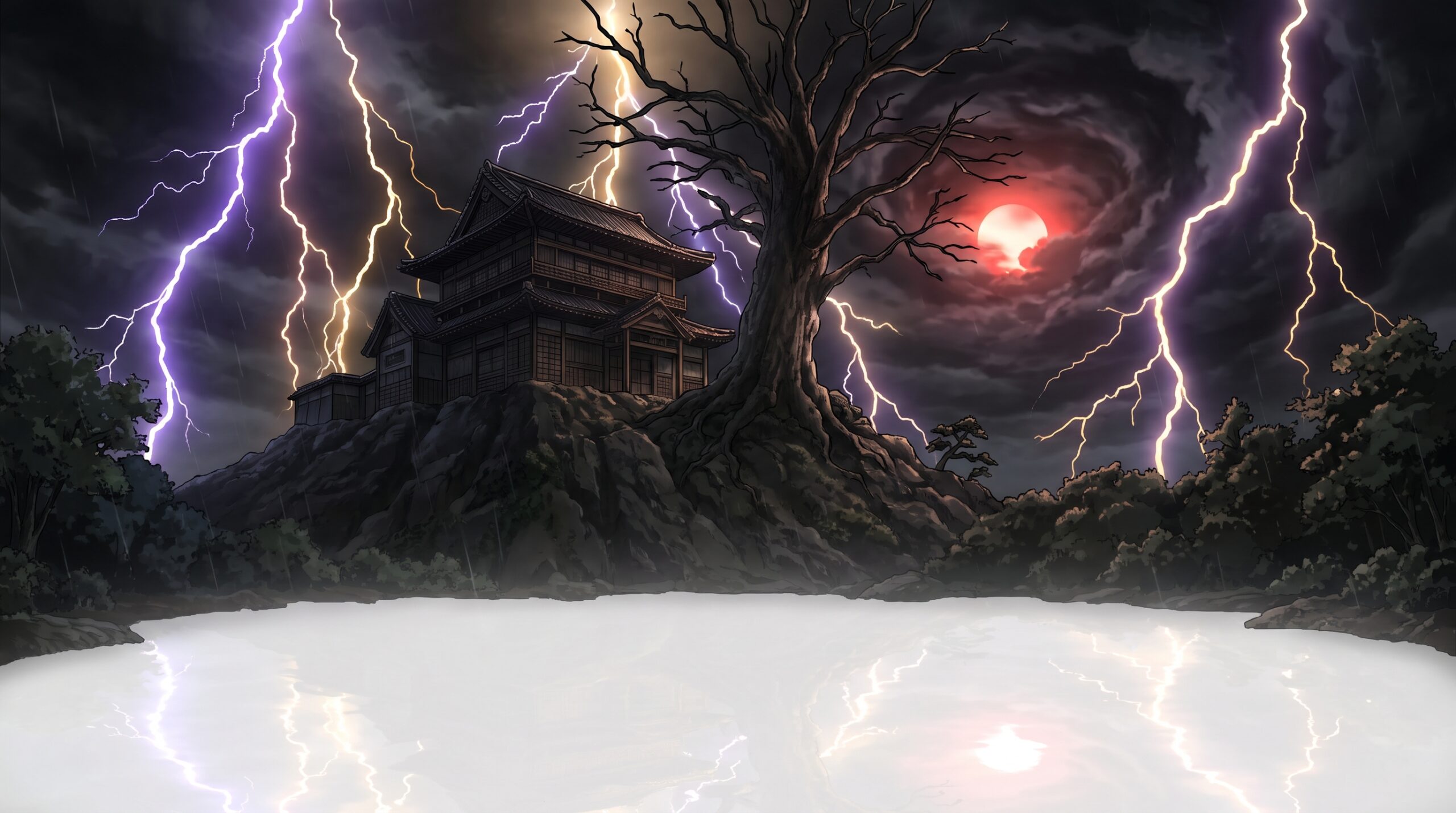
Once upon a time, at the peak of the Arasaka Pass in Nara Prefecture, Japan, lived a man of unimaginable wealth. The people fearfully referred to him as the “Arasaka Chouja.” In front of his massive mansion lay a permanently cloudy, white pond. The villagers at the foot of the mountain would look at the pond and rumor among themselves, “How much white rice must they eat every day? The water used just to wash their rice is enough to turn that giant pond completely white.”
However, the reality was entirely different. The Chouja and his son were the biggest misers in all of Japan. They never allowed their servants, or even themselves, to eat the expensive white rice. Instead, they hoarded every single grain in their massive storehouses to the absolute limit. Monopolizing wealth was their sole purpose in life.
One year, a cruel drought persisted, bringing a terrifying famine to the village below. Crops withered, and the villagers suffered from severe starvation. Desperate to survive, the villagers formed a massive line outside the Chouja’s mansion, kneeling on the ground and begging, “Please, just lend us a tiny fraction of the surplus rice in your storehouses.” But the Chouja ruthlessly and coldly rejected every single plea. Even watching the villagers on the brink of starvation, his heart did not move an inch.
In utter despair, the villagers continued to cry and beg at his gates day after day. Annoyed by their wailing, the Chouja and his son hatched an unspeakable plan. “The villagers make noise every day because the morning comes. If morning never comes, they won’t come either. Let’s shoot down the sun.” Completely blinded by greed, they made a terrifying decision that could only be described as pure madness.
The son climbed the tallest ancient tree on the pass, drew his bow, and fired an arrow directly at the sacred sun rising at dawn. The moment the arrow seemed to reach the sun, an unimaginable catastrophe occurred.
The sky was instantly engulfed in pitch-black darkness, and a massive lightning bolt struck with an earth-shattering roar. Before the son could even scream, he took a direct hit from the lightning and was completely obliterated, leaving not even a shadow behind. Paralyzed by sheer terror, the Chouja threw himself to the ground and screamed at the roaring thunder, “I was wrong! I will never defy you again! Please forgive me!”
As if hearing his repentance, the sound of the thunder gradually began to fade away. However, the moment the thunder distanced itself, the Chouja muttered to himself, “Good grief, the bad harvest cost me a lot this year. I’ll make sure to collect even harsher taxes from those villagers next year to make up for it.”
The exact moment his true intentions slipped from his mouth, the thunderclouds that had supposedly retreated returned in a flash. An even more devastating lightning bolt directly struck the mansion. The grand estate, the storehouses packed with hoarded rice, and the Chouja himself were completely engulfed in crimson flames and reduced to ashes. The violent storm that burned everything the Chouja owned eventually brought massive amounts of rain to the village below. That heavy rain became a “blessing” for the villagers, turning what was supposed to be a famine year into one of the greatest bumper crops in history.
Today, no one remembers the existence of the Arasaka Chouja. Looking at the cloudy white pond left behind, the villagers simply said, “It was never the water from washed rice. There was just white clay at the bottom of this pond all along.”
② Profound Analysis: Why the Chouja Had to Be Destroyed
What this story thrusts in our faces is the absolute ruin caused by humanity’s “bottomless greed.” Why did the Chouja try to shoot down the sun? It was because accumulating so much wealth led him to the fatal delusion that he was a god-like entity capable of controlling even the laws of nature.
The sun is the source of all life, an absolute existence ruled by no one. Attempting to erase it purely for personal convenience is the ultimate peak of human arrogance. What is even more terrifying is the Chouja’s “fake repentance.” Even after witnessing the literal vaporization of his own son, the deep-rooted greed in his heart did not vanish. He merely bowed his head temporarily out of fear, ready to exploit others the second he found an opening. This irreparably corrupted spirit is the exact reason why he had to be completely purged from existence.
Furthermore, the ending revealing that the white cloudy pond was “just muddy clay water” is highly symbolic. The massive wealth and authority the Chouja desperately tried to protect seemed terrifying to outsiders, but intrinsically, it was as “worthless and empty” as muddy water—a biting irony.
③ The Essence of Japanese Culture: Animism and the Absolute Rule of Karma
The core of Japanese culture you must decode from this story is the profound “reverence for nature (Animism)” and the strict rule of “Karma (Inga-ouhou).”
Since ancient times, Japan has held the belief of “Yaoyorozu no Kami” (eight million gods), meaning gods reside in all things. Among them, the sun is the ultimate symbol of “Amaterasu Omikami,” the supreme deity of Japan. For humans, who are kept alive by the grace of nature, to attack that nature (the sun) represents the heaviest sin in Japanese culture—a direct rebellion against the divine. Unlike Western philosophies that often seek to conquer and control nature, the Japanese have always held “fearing nature and living in harmony with it” as an absolute virtue. The Chouja completely violated this taboo.
Additionally, the concept of “Inga-ouhou” (good deeds bring good results, bad deeds bring bad results), deeply believed by the Japanese, is vividly portrayed here. The Chouja’s monopoly and cruelty attracted the divine punishment of lightning. And the rain that fell as his wealth burned ultimately saved the villagers. By eliminating the entity that hoarded wealth and returning that wealth (rain) to society, the balance of the world was restored. This heavily reflects the traditional Japanese ethical view that wealth does not belong to the individual, but must be circulated to enrich the entire community.
④ A Question for Your Soul: How Would You Use This Wealth?
The story of Arasaka Chouja is by no means just a fairy tale of the past. It is a severe warning to us living in the modern world.
If you acquired such massive wealth that you couldn’t spend it in a lifetime, while your neighbors starved in agony, would you close your gates like the Chouja? Or would you reach out your hand without hesitation?
When human beings acquire wealth and power, they easily forget their gratitude toward nature and their compassion for others. The “arrogant monster” that nested in the Chouja’s heart might be lurking inside your own heart at this very moment. After reading this cruel yet beautiful story, what do you feel? If you were standing in front of that cloudy white pond, what choice would you make?
⑤ Related Links: Dive Deeper into Japanese Culture
If you want to explore the profound world of Japanese culture and folktales, you must check the links below.
- External Reference: Japanese folktale (Wikipedia) – A globally authoritative explanation of Japanese folklore.
- Related Category on This Blog: Japanese Folktale Series – The true stories of Japan you never knew are gathered right here.
日本の恐ろしい昔話「荒坂長者」:強欲が招く破滅と大自然の怒り
日本には、心温まる美しい昔話が無数に存在します。しかし、すべての昔話がハッピーエンドで終わるわけではありません。人間の果てしない「強欲」と、それを決して許さない「自然界の絶対的な力」を描いた恐ろしい教訓譚が存在します。それが、今回紹介する「荒坂長者(あらさかちょうじゃ)」です。この物語を知らずして、日本の神髄、そして日本人の精神性を語ることは絶対に不可能です。この記事では、あなたの価値観を揺るがす衝撃的な物語とその背後にある深い文化的な意味を完全解説します。
① 太陽を射落とした愚か者:昔話「荒坂長者」のストーリー
昔々、日本の奈良県にある荒坂峠の頂上に、途方もない富を手にした大金持ちが住んでいました。人々は彼を畏怖の念を込めて「荒坂長者」と呼んでいました。彼の巨大な豪邸の前には、常に白く濁った巨大な池がありました。麓の村人たちはその池を見て、「長者の家では毎日どれほどの白米を食べているのだろう。米を研ぐ汁だけで、あの巨大な池があんなに真っ白に濁るのだから」と噂し合っていました。
しかし、現実は全く違いました。長者とその息子は、日本一の「ドケチ」だったのです。彼らは使用人にはもちろん、自分たちでさえ高価な白米を決して口にせず、すべての米を巨大な蔵に限界まで溜め込んでいました。富を完全に独占することだけが彼らの生きがいだったのです。
ある年、残酷な日照りが続き、麓の村を恐ろしい飢饉が襲いました。作物は枯れ果て、村人たちは飢えに苦しみました。生き延びるため、村人たちは長者の屋敷の前に長蛇の列を作り、「どうか、蔵に余っているお米を少しだけでも貸してください」と土下座して懇願しました。しかし、長者は無慈悲にもすべての要求を冷酷に拒絶しました。餓死寸前の村人たちを見ても、彼の心は微塵も動かなかったのです。
村人たちは絶望の中、来る日も来る日も長者の門前で泣き叫び、嘆願を続けました。その鳴き声に苛立った長者と息子は、おぞましい相談を始めます。「村人たちが毎日騒ぐのは朝が来るからだ。朝が来なければ奴らは来ない。お日様を射落としてしまおう」。欲に完全に目が眩んだ彼らは、狂気の沙汰としか思えない恐ろしい決断を下しました。
息子は峠で一番高い大木に登り、夜明けとともに昇ってくる神聖な太陽に向かって、弓を引き絞り、矢を放ちました。矢が太陽に届いたかのように見えた次の瞬間、想像を絶する事態が起こります。
空は一瞬にして漆黒の闇に包まれ、大地を揺るがす轟音とともに巨大な雷が落ちました。息子は悲鳴を上げる間もなく、雷の直撃を受け、影も形も残さず完全に消滅させられたのです。あまりの恐怖に長者は地に伏せ、激しく轟く雷鳴に向かって「私が間違っていました!もう二度と逆らいません!どうかお許しを!」と泣き叫びながら誓いました。
長者の懺悔を聞き届けたのか、雷の音は徐々に遠ざかっていきました。しかし、雷が遠のいた直後、長者はこう呟いたのです。「やれやれ、今年は不作で損をした。その分、来年は村の奴らからもっと厳しい年貢を取り立ててやるぞ」と。
その本音が口から出た瞬間、遠のいたはずの雷雲が瞬時に戻り、先ほどよりもさらに凄まじい稲妻が屋敷を直撃しました。豪邸も、米を溜め込んだ蔵も、そして長者自身も、すべてが紅蓮の炎に包まれ、灰塵と化しました。長者のすべてを焼き尽くした嵐は、やがて麓の村に大量の雨をもたらしました。それは村人たちにとっての「恵みの雨」となり、その年は飢饉どころか、歴史に残る大豊作となったのです。
現在、荒坂長者の存在を覚えている者は誰もいません。ただ、残された白く濁った池を見て、村人たちはこう言いました。「長者が米を研いだ汁なんかじゃなかった。ただ、この池の底に白い粘土質の土があるだけだったんだ」と。
② 深淵なる考察:なぜ長者は破滅しなければならなかったのか
この物語が私たちに突きつけるのは、人間の「底なしの強欲」が引き起こす絶対的な破滅です。なぜ長者は太陽を射落とそうとしたのでしょうか。それは、彼が富を蓄積しすぎた結果、「自分は自然の法則すらも支配できる神のような存在だ」という致命的な錯覚に陥ったからです。
太陽は生命の源であり、誰の支配も受けない絶対的な存在です。それを自分の都合(村人がうるさいから)だけで消し去ろうとする行為は、人間の身の程を知らない傲慢さの極みです。さらに恐ろしいのは、長者の「嘘の反省」です。息子が目の前で消滅するという地獄を見てもなお、彼の心根にある強欲は消えませんでした。恐怖によって一時的に頭を下げただけで、隙を見せればすぐに他者から搾取しようとする。この修復不可能な腐敗した精神こそが、彼が完全に浄化(消滅)されなければならなかった最大の理由です。
また、白く濁った池の正体が「ただの粘土の泥水」だったという結末は非常に象徴的です。長者が必死に守り抜こうとした莫大な富や権威は、周囲から見れば凄まじいものに思えましたが、本質的にはただの泥水のように「無価値で空虚なもの」だったという痛烈な皮肉を表しています。
③ 日本文化の神髄:アニミズムと「因果応報」の掟
この物語から読み解くべき日本文化の核心は「自然への畏敬(アニミズム)」と「因果応報」という強烈なルールです。
日本では古来より、万物に神が宿る「八百万の神(やおよろずのかみ)」という信仰があります。中でも太陽は、日本の最高神である「天照大御神(あまてらすおおみかみ)」の象徴です。自然の恵みによって生かされている人間が、その自然(太陽)を攻撃することは、日本文化において最も重い罪、すなわち神への直接的な反逆を意味します。自然をコントロールしようとする西洋的な思想とは異なり、日本人は「自然に畏れを抱き、調和して生きる」ことを絶対の美徳としてきました。長者はこのタブーを完全に犯したのです。
また、日本人が深く信じる「因果応報(良い行いは良い結果を、悪い行いは悪い結果を生む)」の概念がここにはっきりと描かれています。長者の独占欲と冷酷さは、雷という天罰を引き寄せました。そして、長者の富が燃え尽きたことで降った雨が、結果的に村人たちを救済しました。富を独り占めする存在が排除され、富(雨)が社会全体に還元されることで、世界のバランスが正しく保たれたのです。これは、富は個人のものではなく、社会を潤すために循環させるべきだという日本人の伝統的な倫理観を色濃く反映しています。
④ あなたの心に問う:あなたなら、この富をどう使うか
荒坂長者の物語は、決して過去のおとぎ話ではありません。現代を生きる私たちへの強烈な警告です。
もしあなたが、一生かかっても使いきれないほどの莫大な富を手に入れ、その一方で隣人が飢えに苦しんでいるとき、あなたは長者のように門を閉ざしますか?それとも、迷わず手を差し伸べますか?
人間は、富と権力を手にしたとき、いとも簡単に自然への感謝や他者への思いやりを忘れてしまいます。長者の心に巣食っていた「傲慢な怪物」は、今この瞬間も、私たちの心の中に潜んでいるかもしれません。この残酷で美しい物語を読んで、あなたは何を感じましたか?あなたなら、この白く濁った池の前で、どのような選択をするでしょうか。
⑤ 関連リンク:さらに深く日本文化を知るために
日本文化や昔話の深い世界を探求したい方は、必ず以下のリンクを確認してください。
- 外部参考リンク:Japanese folktale (Wikipedia) – 日本の民間伝承に関する世界的な権威ある解説。
- 当ブログの関連カテゴリー:Japanese Folktale Series – あなたの知らない日本の真実の物語がここに集結しています。
コメント