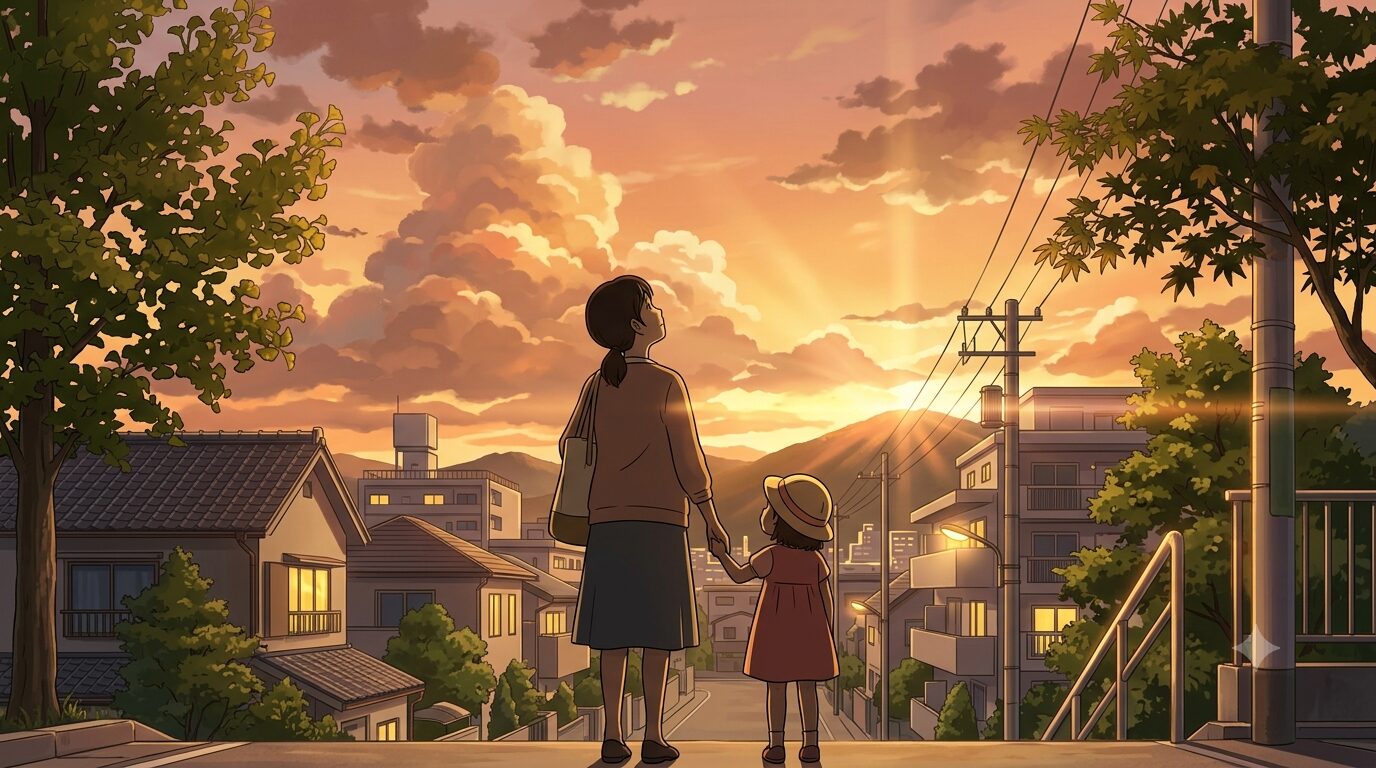
The Japanese calendar is filled with anniversaries that mark critical turning points in history and the profound thoughts of those who contributed to societal development. “Mothers’ Congress Day” on June 7th is one such day, an absolutely indispensable moment when discussing post-war Japan’s peace movement and women’s social participation.
The Historical Background of the First Mothers’ Congress on June 7, 1955
On June 7, 1955 (Showa 30), the first “Japan Mothers’ Congress” was held at the Toshima Public Hall in Tokyo. At the root of this convention was a profound sense of crisis facing Japanese society at the time, coupled with a fierce determination never to repeat the horrors of war. It had been exactly ten years since the end of World War II. Japan had begun its path to recovery, but in 1954, a tragic incident occurred: the Japanese tuna fishing boat “Daigo Fukuryu Maru” was exposed to radiation from a hydrogen bomb test conducted at the Bikini Atoll in the Pacific Ocean.
This incident sparked a fierce nationwide petition movement demanding the abolition of atomic and hydrogen bombs. At the center of this movement were “mothers” who supported daily life at home and worried about their children’s future. The petition drive, initiated by housewives in Suginami Ward, Tokyo, spread rapidly across the country, leading directly to the convening of the “Japan Mothers’ Congress” the following year. The passion of the approximately 2,000 women who gathered that day signified not just a meeting, but the birth of a massive energy that would move society.
“Mothers Who Give Birth to Life Desire to Nurture and Protect Life”
The enduring slogan of the convention, passed down to this day, is: “Mothers who give birth to life desire to nurture and protect life.” There is zero ambiguity in these words. Transcending ideological and political differences, it directly raises the universal human desire for the “dignity of life.”
At the time, the social status of women in Japan was nowhere near as high as it is today. However, on urgent themes such as the improvement of the educational system, the healthy upbringing of children, and above all, the “maintenance of peaceful daily life,” Japanese women stood up and raised their own voices. This slogan was a declaration of awakening, marking the transformation of passive Japanese women into active, engaged citizens creating the future of society.
Decoding Japanese Culture and the Power of “Motherhood” Through This Anniversary
In Japanese culture, the concept of a “mother” has been depicted since ancient times as the guardian of the home and a symbol of deep affection. Liberated from the pre-war, state-defined framework of “Good Wife, Wise Mother,” post-war Japanese women redefined their “motherhood”—not confining it within the household, but projecting it outward as a “shield of peace” for society as a whole.
The spiritual culture of Japan, which values “Wa” (harmony), can sometimes be a factor that makes people hesitate to speak out. However, the history of the Mothers’ Congress proves that when “lives to be protected” are threatened, Japanese people demonstrate astonishing solidarity and unyielding will. This pursuit of peace from the perspective of daily life—ranging from the safety of the dinner table to the global abolition of nuclear weapons—forms a solid foundation for civic movements and volunteerism in modern Japanese society.
Toward Our Future: What Action Will You Take?
June 7th is not merely a day to look back on past history. Even today, conflicts continue relentlessly around the world, and news of children’s lives being threatened is reported daily. The earnest wishes held by Japanese mothers in 1955 are challenges that we in the modern era must directly inherit.
Through this article, encountering the strong will of Japanese mothers to “protect life,” what did you feel? To protect peaceful daily life, what action will you initiate today, from exactly where you stand? I urge you to find your own answer.
Reference Links & Related Articles
- External Link: Bikini Atoll Nuclear Tests – Wikipedia (Contextual History)
- Internal Link: Read more from the “What’s Today’s Special Day?” Series
6月7日は「母親大会記念日」:平和と生命を尊ぶ日本の母たちの歩み
日本の暦には、歴史の重要な転換点や、社会の発展に寄与した人々の思いが刻まれた記念日が数多く存在します。6月7日の「母親大会記念日」もその一つであり、戦後日本の平和運動と女性の社会参加を語る上で決して欠かすことのできない重要な日です。
1955年6月7日、第1回母親大会の歴史的背景
1955年(昭和30年)6月7日、東京都の豊島公会堂にて第1回「日本母親大会」が開催されました。この大会の根底には、当時の日本社会が直面していた深刻な危機感と、二度と戦争の惨禍を繰り返してはならないという強い決意がありました。第二次世界大戦の終結からちょうど10年。復興への道を歩み始めていた日本でしたが、1954年に太平洋のビキニ環礁で行われた水爆実験により、日本のマグロ漁船「第五福竜丸」が被爆するという痛ましい事件が発生しました。
この事件を契機に、日本全国で原水爆禁止を求める署名運動が激しく巻き起こりました。その中心にいたのが、家庭で日々の生活を支え、子どもたちの未来を案じる「母親」たちでした。杉並区の主婦たちが始めた署名運動は瞬く間に全国へと広がり、それが翌年の「日本母親大会」の開催へと直結していくのです。約2000人の女性たちが集結したこの日の熱気は、単なる集会ではなく、社会を動かす巨大なエネルギーの誕生を意味していました。
「生命を生み出す母親は、生命を育て、生命を守ることを望みます」
大会の象徴であり、現在まで語り継がれている不朽のスローガンが「生命を生み出す母親は、生命を育て、生命を守ることを望みます」です。この言葉には、一切の曖昧さがありません。イデオロギーや政治的な立場の違いを超え、人類の普遍的な願いである「生命の尊厳」を真っ向から掲げています。
当時、女性の社会的地位は現代と比較して決して高くはありませんでした。しかし、教育制度の充実、子どもの健全な育成、そして何より「平和な生活の維持」という切実なテーマにおいて、日本の女性たちは自らの言葉で立ち上がり、声を上げました。このスローガンは、受動的であった日本の女性たちが、主体的に社会の未来を創造する当事者として覚醒した宣言文でもあります。
記念日から読み解く日本文化と「母性」の力
日本文化において、「母(母親)」という存在は古来より家庭の守護者であり、深い慈愛の象徴として描かれてきました。戦前の「良妻賢母」という国家が定めた枠組みから解放された戦後の日本女性たちは、その「母性」を家庭内にとどめるのではなく、社会全体に向けた「平和の盾」として再定義しました。
日本人が持つ「和(調和)」を重んじる精神文化は、時に声を上げることを躊躇させる要因にもなります。しかし、母親大会の歴史が証明しているのは、「守るべき生命」が脅かされた時、日本人は驚くべき連帯感と強靭な意思を発揮するということです。日々の食卓の安全から、世界規模の核兵器廃絶に至るまで、生活者の視点から平和を希求する姿勢は、現代の日本社会における市民運動やボランティア精神の確固たる基盤となっています。
私たちの未来へ:あなたはどう行動しますか?
6月7日という日は、過去の歴史を振り返るだけの日ではありません。現在も世界各地で紛争が絶えず、子どもたちの生命が脅かされるニュースが日々報じられています。1955年の日本の母親たちが抱いた切実な願いは、現代の私たちがそのまま引き継がなければならない課題です。
この記事を通じて、日本の母たちが示した「生命を守る」という強い意志に触れ、あなたは何を感じましたか? 平和な日常を守るために、あなた自身の場所で、今日からどのような行動を起こしますか? ぜひ、あなた自身の答えを見つけてみてください。
参考リンク集・関連記事
- 外部リンク:日本母親大会 – Wikipedia(歴史的背景の詳細)
- 内部リンク:今日は何の日シリーズをもっと読む


コメント