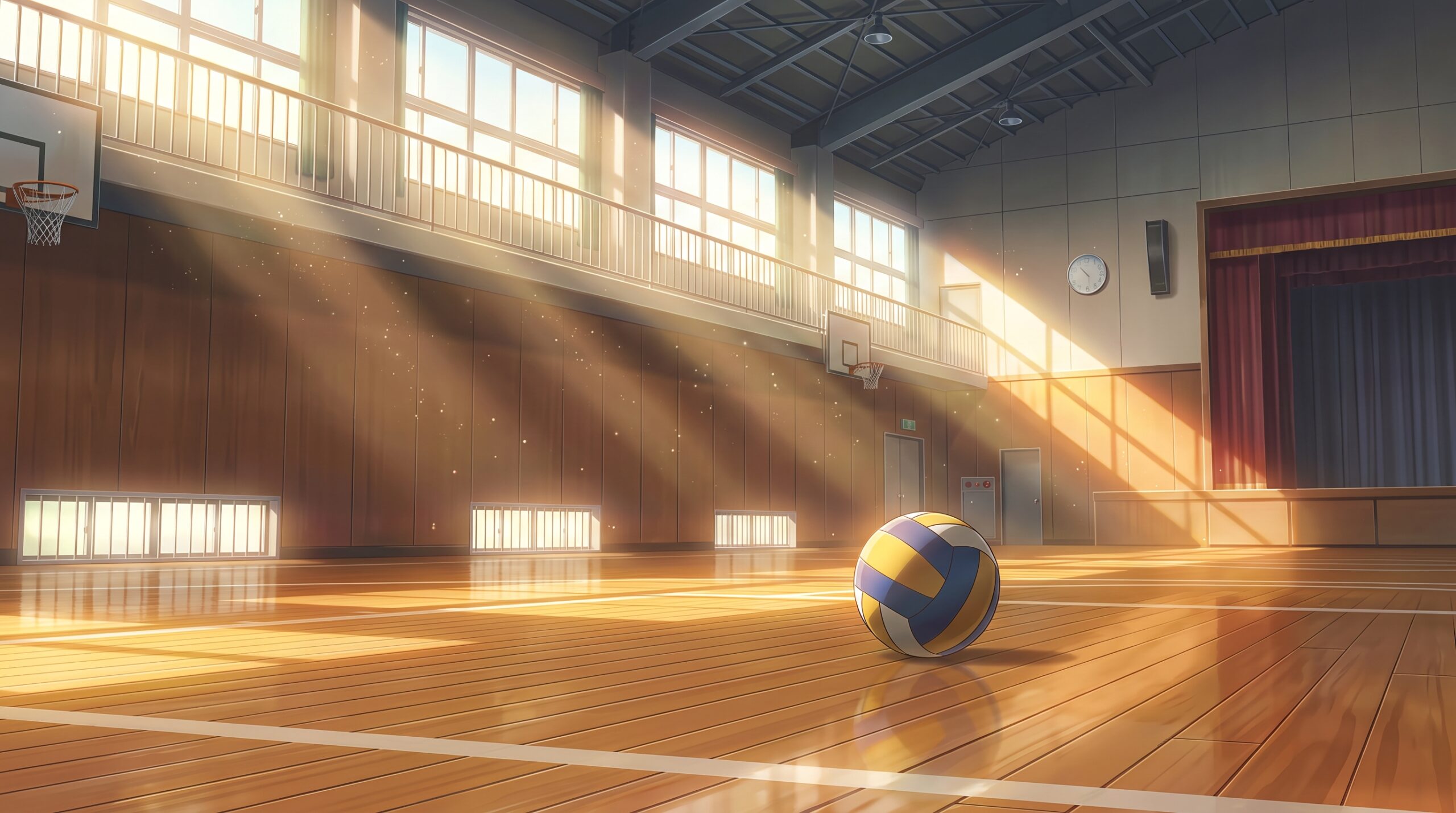
The Japanese calendar is filled with unique anniversaries based on wordplay and historical events. August 19 marks “Haikyu!! Day,” a celebration of the monumental Japanese volleyball manga and anime loved worldwide. In the traditional Japanese calendar, this period falls just after “Risshu” (the beginning of autumn). However, despite what the calendar says, Japan experiences intense lingering summer heat known as “Zansho.” Today, through the contrast of Haikyu!! Day and the Risshu season, we will deeply explore Japan’s unique “Bukatsu” (club activities) culture and the concept of “Seishun” (youth).
1. Why is August 19 “Haikyu!! Day”?
August 19 was officially recognized as “Haikyu!! Day” in 2015. The origin stems from a Japanese wordplay tradition known as “Goroawase.” By reading the numbers 8 (Ha), 1 (I), and 9 (Kyu), it perfectly spells out the title of the series. Officially registered with the Japan Anniversary Association, this day is celebrated annually with major official announcements and a massive digital parade on social media by fans across the globe.
2. The Reality of Summer Training Camps During Risshu
In mid-August, just past Risshu, the sky begins to look a little higher, and the sound of autumn insects can be heard in the evenings. Yet, the daytime sun remains fiercely hot. For Japanese high school athletes, this is the season of the “Natsu Gasshuku” (summer training camp)—the most grueling yet transformative period of the year. In Haikyu!!, the intense summer training camp in Tokyo powerfully resonates with readers as the characters struggle through sweat and dirt to evolve their playstyles. This transitional season perfectly mirrors the high schoolers’ emotional journey from the bitter defeats of summer to the hopeful qualifiers of autumn.
3. [Story] The Squeak of Shoes and Memories of a Summer Day
Miyagi Prefecture, Tohoku Region. Amidst the sweltering late-summer heat, the sharp squeaks of athletic shoes and the powerful smacks of a volleyball echoed from an old high school gymnasium.
“One more!”
The shout was passionate enough to drown out the loud buzzing of the cicadas. A passing traveler peeked through the open gymnasium doors and was captivated by the sight of boys dripping with sweat, relentlessly chasing the ball. They weren’t professionals; they were just high school students. Yet, their eyes were entirely serious, and every drop of sweat hitting the floor sparkled like a gemstone. In that moment, the traveler realized that the “Karasuno High School” depicted in the anime was not just fiction—it was a daily reality happening all over Japan. As a breeze carrying the faint scent of autumn swept through the gym, the undeniable heat of “Seishun” was etched into the traveler’s heart.
4. “Bukatsu” and “Seishun”: The Japanese Reality Portrayed in Anime
For overseas readers, Japan’s “Bukatsu” culture—where students dedicate all their after-school hours, weekends, and summer vacations to school sports—can be astonishing. Japanese club activities are more than just a hobby. They serve as an educational ground where students learn the hierarchy of “Senpai” (seniors) and “Kohai” (juniors), cultivate the mental toughness to push past their limits, and understand the nobility of sacrificing for the team.
This fleeting, intensely passionate period of life is called “Seishun” in Japanese. Written with the characters for “Blue” and “Spring,” the word captures a special time that is immature yet pure, beautiful, and sometimes accompanied by a little pain. The reason Haikyu!! resonates so deeply worldwide is its incredibly realistic portrayal of this universal brilliance of youth that everyone either experiences or longs for.
5. To Our Readers: What is Your “Seishun”?
On this August 19, Haikyu!! Day, amidst the changing season of Risshu, we hope you felt the passion of Japanese Bukatsu culture. The events in the anime are not imaginary tales; they are the crystallization of the sweat being shed by Japanese youth in gymnasiums right at this very moment.
Reading this article, what memories of your own “Seishun” came to mind? If you ever have the chance to visit Japan, take a walk near a local school. The shouts and the sound of the ball echoing from the gym will surely move your heart. What was the most passionate “youthful” pursuit of your life? Please let us know in the comments below.
- External Link: Official Haikyu!! Website
- Internal Link: Read more from the What’s Today’s Special Day Series
8月19日は「ハイキュー!!の日」:立秋の残暑と日本の青春(Seishun)を読み解く
日本のカレンダーには、言葉遊びや歴史的な出来事に基づいた数多くの記念日が存在します。8月19日は、世界中で愛される日本のバレーボール漫画・アニメの金字塔を祝う「ハイキュー!!の日」です。この時期は、日本の暦で「立秋(Risshu)」を過ぎた頃にあたります。暦の上では秋の始まりですが、現実には「残暑(Zansho)」と呼ばれる厳しい夏の暑さが続いています。今回は、この「ハイキュー!!の日」と立秋という季節のコントラストを通じて、日本独特の「部活(Bukatsu)」文化と「青春(Seishun)」について深く読み解いていきます。
1. 8月19日が「ハイキュー!!の日」である理由
8月19日が「ハイキュー!!の日」として正式に認定されたのは2015年のことです。日本の記念日によく見られる「語呂合わせ(Goroawase)」という言葉遊びが由来となっています。「8(ハ)」「1(イ)」「9(キュー)」と読むことで、作品名そのものを表しています。日本記念日協会にも正式に登録されており、毎年この日には公式からの重大発表や、世界中のファンによるSNSでの盛大なパレードが行われます。
2. 立秋の残暑と「夏合宿」のリアル
8月中旬の日本は、立秋を過ぎて少しずつ空が高くなり、夕方には秋の虫の音が聞こえ始める季節です。しかし、日中は焼け付くような日差しが照りつけます。日本の高校生アスリートにとって、この時期は最も過酷で、最も成長する「夏合宿(Natsu Gasshuku)」のシーズンです。『ハイキュー!!』の作中でも、東京での過酷な夏合宿が描かれ、キャラクターたちが汗と泥に塗れながら新しいプレースタイルを模索する姿が多くの読者の心を打ちました。立秋の入り混じる季節感は、敗北の悔しさ(過去)から、秋の春高予選(未来)へと向かう高校生たちの心情そのものを表しているのです。
3. 【ストーリー】体育館に響くスキール音と、ある夏の日の記憶
東北地方、宮城県。うだるような残暑の中、古びた高校の体育館からは、キュッ、キュッと床を擦るシューズの音と、ボールを弾く鋭い音が響き渡っていました。
「もう一本!」
その声は、蝉の鳴き声すらかき消すほどの熱量を持っていました。通りかかった旅行者は、開け放たれた体育館の扉から、汗だくになりながらボールを追いかける少年たちの姿に目を奪われます。彼らはプロではありません。ただの高校生です。しかし、その眼差しは真剣そのもので、床に落ちる汗の一滴一滴が、まるで宝石のように輝いていました。旅行者はその瞬間、アニメの中で見た「烏野高校」の姿が、決してフィクションではなく、日本の至る所に実在する日常なのだと悟りました。秋の気配を含んだ風が体育館を吹き抜けたとき、旅行者の心に確かな「青春」の熱が刻み込まれたのです。
4. 「部活(Bukatsu)」と「青春(Seishun)」:アニメが描く日本のリアル
海外の読者にとって、放課後や週末、さらには夏休みを全て学校のスポーツに捧げる日本の「部活」文化は、驚きを持って受け止められることがあります。日本の部活は単なる趣味の延長ではありません。先輩と後輩の人間関係を学び、限界を超える精神力を養い、チームのために自己を犠牲にする尊さを知る、一種の「教育の場」です。
そして、二度と戻らないこの熱狂的な期間を、日本語で「青春(Seishun)」と呼びます。「青い春」と書くこの言葉には、未熟でありながらも純粋で、美しく、そして少しの痛みを伴う特別な時間が表現されています。『ハイキュー!!』が世界中で共感を呼ぶのは、誰もが一度は経験する、あるいは憧れるこの「青春」の普遍的な輝きを、圧倒的なリアリティで描き出しているからです。
5. 読者の皆様へ:あなたの「青春」は何ですか?
8月19日の「ハイキュー!!の日」、そして立秋という季節の変わり目に、日本の部活文化の情熱を感じていただけたでしょうか。アニメの中の出来事は、決して架空の物語ではなく、日本の若者たちが今この瞬間も体育館で流している汗の結晶です。
この記事を読んで、あなたはどんな「青春」の記憶を思い出しましたか?もし日本を訪れる機会があれば、ぜひ地方の学校のそばを歩いてみてください。体育館から聞こえてくる声とボールの音に、きっと心揺さぶられるはずです。あなたにとって、人生で最も熱中した「青春」は何ですか?ぜひコメント欄で教えてください。
コメント