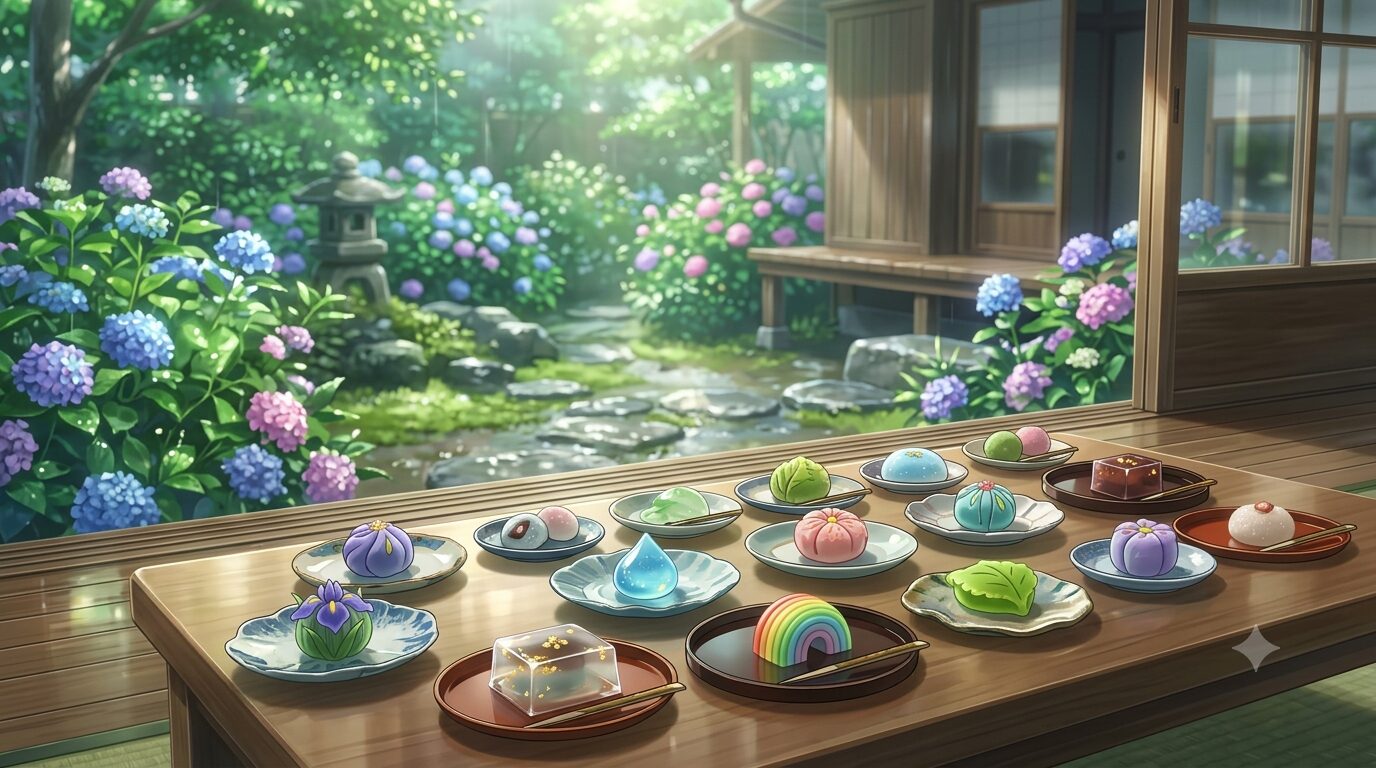
The Japanese calendar is deeply inscribed with the country’s rich history and profound spirituality. June 16th marks “Wagashi Day” (Traditional Japanese Sweets Day, or Kasho Day), a special day where Japanese aesthetics and prayers crystalize. It is not merely a day to enjoy sweets, but a special occasion that has been passed down for over a millennium, embodying the earnest wishes for people’s health and happiness. Let us unravel the deep historical narrative behind this significant anniversary.
A Heian Period Prayer to Dispel Plague: The “Kasho Sweets” of 848 AD
The origins of Wagashi Day trace back over a thousand years to the Heian period, specifically to the year 848 AD (the first year of the Kasho era). At that time, a terrifying plague was ravaging Japan, causing immense suffering among the populace. Faced with this national crisis, Emperor Ninmyo received a divine oracle.
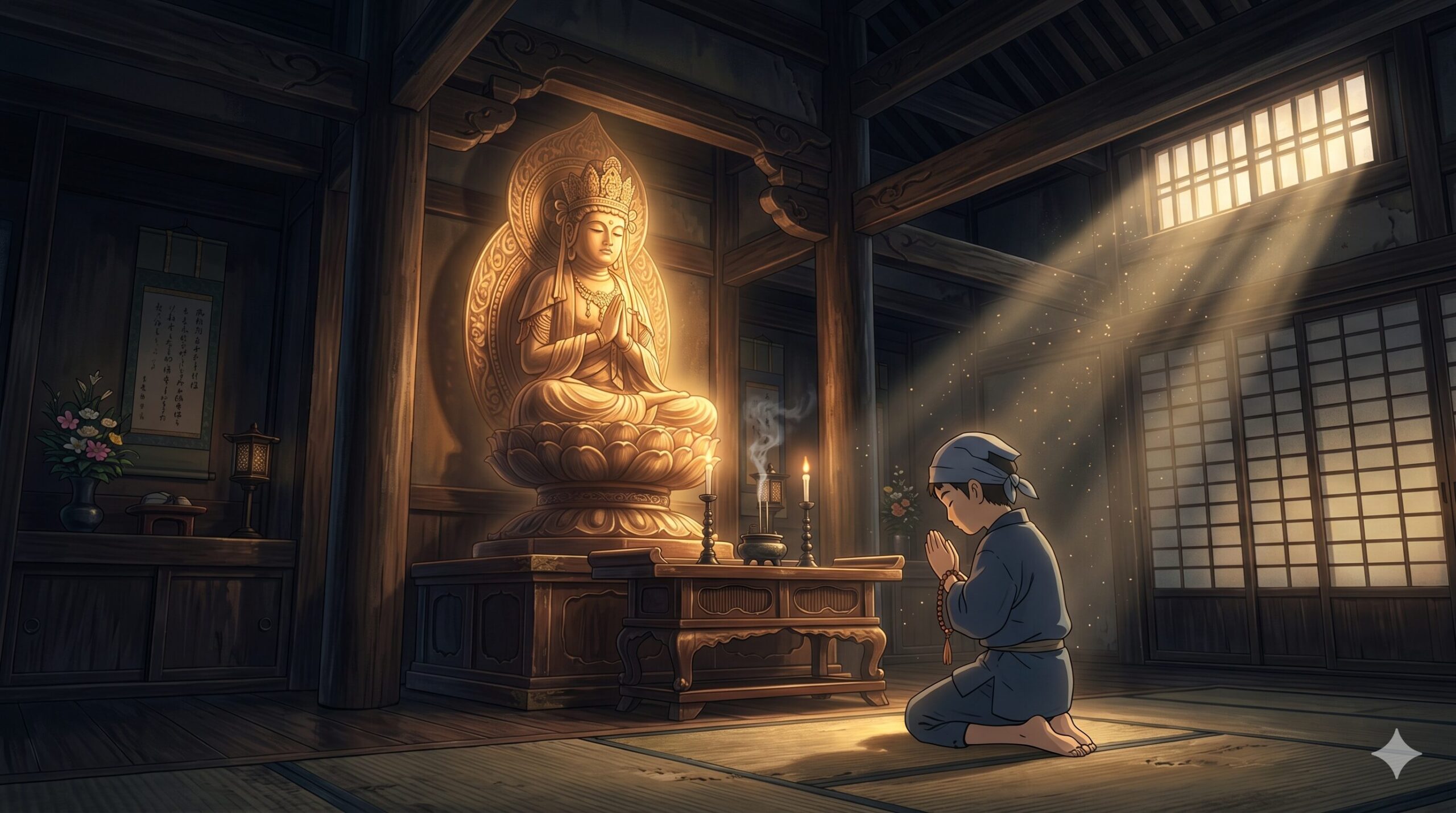
Following this divine message, on June 16th, the Emperor changed the era name to “Kasho” (meaning auspicious celebration). He then offered 16 types of sweets and mochi (rice cakes) to the gods, fervently praying for the eradication of the plague and the restoration of health and good fortune for his people. This marked the beginning of the ritual known as “Kasho-gashi” (Kasho sweets). The number “16” was believed to hold special significance for warding off evil and inviting good omens.
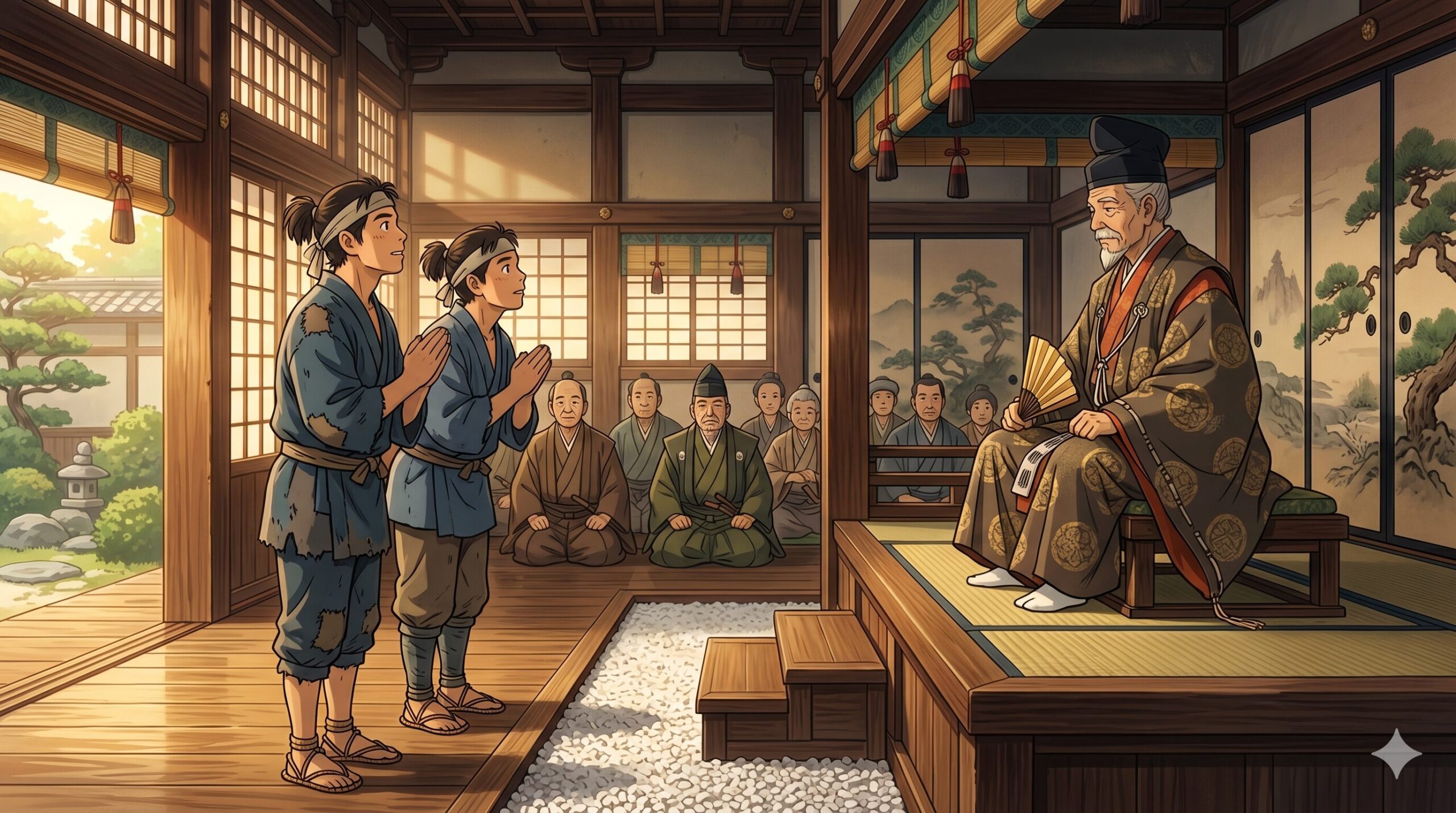
This ritual later spread through the samurai class and commoners during the Muromachi and Edo periods. In the Edo Shogunate, it evolved into an important annual event called “Kasho Chodai,” where the Shogun would bestow traditional sweets upon his feudal lords. Although this custom nearly died out during the Meiji period with the influx of Western culture, the Japan Wagashi Association revived it in 1979, officially designating June 16th as “Wagashi Day” to pass this beautiful Japanese tradition down to future generations.
Understanding the Essence of Japanese Culture Through Wagashi: The “Art of the Five Senses”
What we must interpret from the story of Kasho Day is the inseparable connection between “food and spirit” in Japan. Wagashi are not just food meant to satisfy hunger or provide sugar. They are a highly refined medium of cultural expression, often referred to as the “Art of the Five Senses.”
First, Wagashi expresses the changing seasons (micro-seasons) through “sight.” In June, for example, storefronts are adorned with Nerikiri shaped like hydrangea flowers, Gyuhi modeled after sweetfish swimming in a clear stream, and Kingyokukan representing rain and dew. Second is the delicate “taste” of azuki beans and matcha. Third is the “smell” of bamboo leaves or cinnamon. Fourth is the “touch” as it melts in your mouth. And fifth is the “hearing”—listening to the beautiful poetic names (mei) given to each sweet.
Just as the people of the Heian period infused their sweets with prayers to ward off epidemics, Japanese traditional sweets always carry a “wish” and a deep “reverence for nature.” The creation of Wagashi—transforming nature’s gifts of rice, beans, and sugar into works of art through the hands of artisans—can be said to be the very essence of Japanese culture, which values harmony with nature above all else.
The Intersection of Tradition and Our Modern Lives
Even in modern society, the prayers for health and the human spirit striving to overcome difficult situations are no different from those in the Heian period of 848. Wagashi Day provides us with a precious, often forgotten moment: to “stop, feel the seasons, and pray for the health of our loved ones.”
Whisking a bowl of matcha tea and savoring a beautifully crafted Wagashi… that moment of tranquility is the ultimate luxury in modern times, serving as a spiritual detox.
What are your thoughts?
How do you feel knowing the history of people 1,000 years ago praying for healing from illness through sweets? If you were to choose a Wagashi today, infused with a prayer for someone important to you, what color, shape, and flavor would you choose? Please take a moment to reflect on your thoughts and the Japanese sweets you would love to taste today.
References & Related Links
- [Reference] Japan Wagashi Association Official Website: https://www.wagashi.or.jp/
- [Internal Link] Discover more special days and anniversaries in Japan: What’s Today’s Special Day Series
6月16日は和菓子の日:疫病退散を願った「嘉祥の儀式」と日本の伝統美
日本の暦には、その国の豊かな歴史と深い精神性が刻まれています。6月16日は、日本の美意識と祈りが結晶化した「和菓子の日(嘉祥の日)」です。単なるお菓子を楽しむ日ではなく、1000年以上の時を超えて受け継がれてきた、人々の健康と幸福への切実な願いが込められた特別な一日です。この記念日の背後にある深い歴史の物語を紐解いていきましょう。
疫病退散を願った平安時代の祈り:848年の「嘉祥菓子」
和菓子の日の起源は、今から千年以上前の平安時代、848年(嘉祥元年)にまで遡ります。当時、日本国内では恐ろしい疫病が蔓延し、多くの人々が苦しんでいました。この国難に際し、時の天皇である仁明天皇は神託(神のお告げ)を受けました。
その神託に基づき、天皇は6月16日に元号を「嘉祥(かしょう)」と改めました。そして、16の数にちなんだ菓子や餅を神前に供え、疫病の退散と人々の健康招福を強く祈願したのです。これが「嘉祥菓子(かしょうがし)」という儀式の始まりです。数字の「16」には、厄除けや吉兆を呼ぶ特別な意味が込められていたとされています。
この儀式は、その後も室町時代、江戸時代と武家社会や庶民の間にも広がり、江戸幕府においては「嘉祥頂戴」として、将軍が大名たちに和菓子を下賜する重要な年中行事へと発展しました。明治時代に入り、西洋文化の流入とともに一度はこの風習は途絶えかけましたが、1979年(昭和54年)、全国和菓子協会がこの美しい日本の伝統を後世に伝えるため、6月16日を「和菓子の日」として制定し、現代に蘇らせました。
和菓子から読み解く日本文化の真髄:「五感の芸術」
この嘉祥の日の物語から私たちが読み解くべきなのは、日本における「食と精神」の分かちがたい結びつきです。和菓子は、単に空腹を満たすため、あるいは糖分を摂取するための食べ物ではありません。それは「五感の芸術」と呼ばれるほど、高度に洗練された文化的な表現手段なのです。
第一に、和菓子は「視覚」で季節の移ろい(微気候・七十二候)を表現します。例えば6月であれば、紫陽花を模した練り切りや、清流を泳ぐ鮎を象った求肥、雨露を表現した錦玉羹(きんぎょくかん)などが店頭を彩ります。第二に、小豆や抹茶の繊細な「味覚」。第三に、笹の葉やニッキが香る「嗅覚」。第四に、口の中でほどける「触覚」。そして第五に、その和菓子に付けられた美しい銘(名前)の響きを聞く「聴覚」です。
平安時代の人々が、お菓子に疫病退散の祈りを込めたように、日本の和菓子には常に「願い」や「季節への畏敬の念」が込められています。自然の恵みである米、小豆、砂糖を使い、職人の手によって芸術品へと昇華させる和菓子作りは、自然との調和を何よりも重んじる日本文化の真髄そのものと言えるでしょう。
現代を生きる私たちと伝統の交差点
現代社会においても、健康への祈りや、困難な状況を乗り越えようとする人々の心は、848年の平安時代と何も変わっていません。和菓子の日は、私たちに「立ち止まり、季節を感じ、大切な人の健康を祈る」という、忘れがちな大切な時間を提供してくれます。
抹茶を点て、美しく意匠を凝らされた和菓子を一ついただく。その静寂な時間こそが、現代における最高の贅沢であり、心の浄化(デトックス)となるのです。
あなたはどう感じましたか?
1000年前の人々が、お菓子に病の平癒を祈ったという歴史を知り、あなたはどう思いましたか?もしあなたが今、大切な誰かのために祈りを込めて和菓子を選ぶとしたら、どのような色や形、味のものを選びますか?ぜひ、あなたの考えや、今日味わってみたい和菓子について思いを巡らせてみてください。
参考リンク・関連情報
- 【参考】全国和菓子協会 公式サイト(和菓子の歴史と嘉祥の日):https://www.wagashi.or.jp/
- 【内部リンク】日本の特別な日・記念日をもっと知る:What’s Today’s Special Day Series
コメント