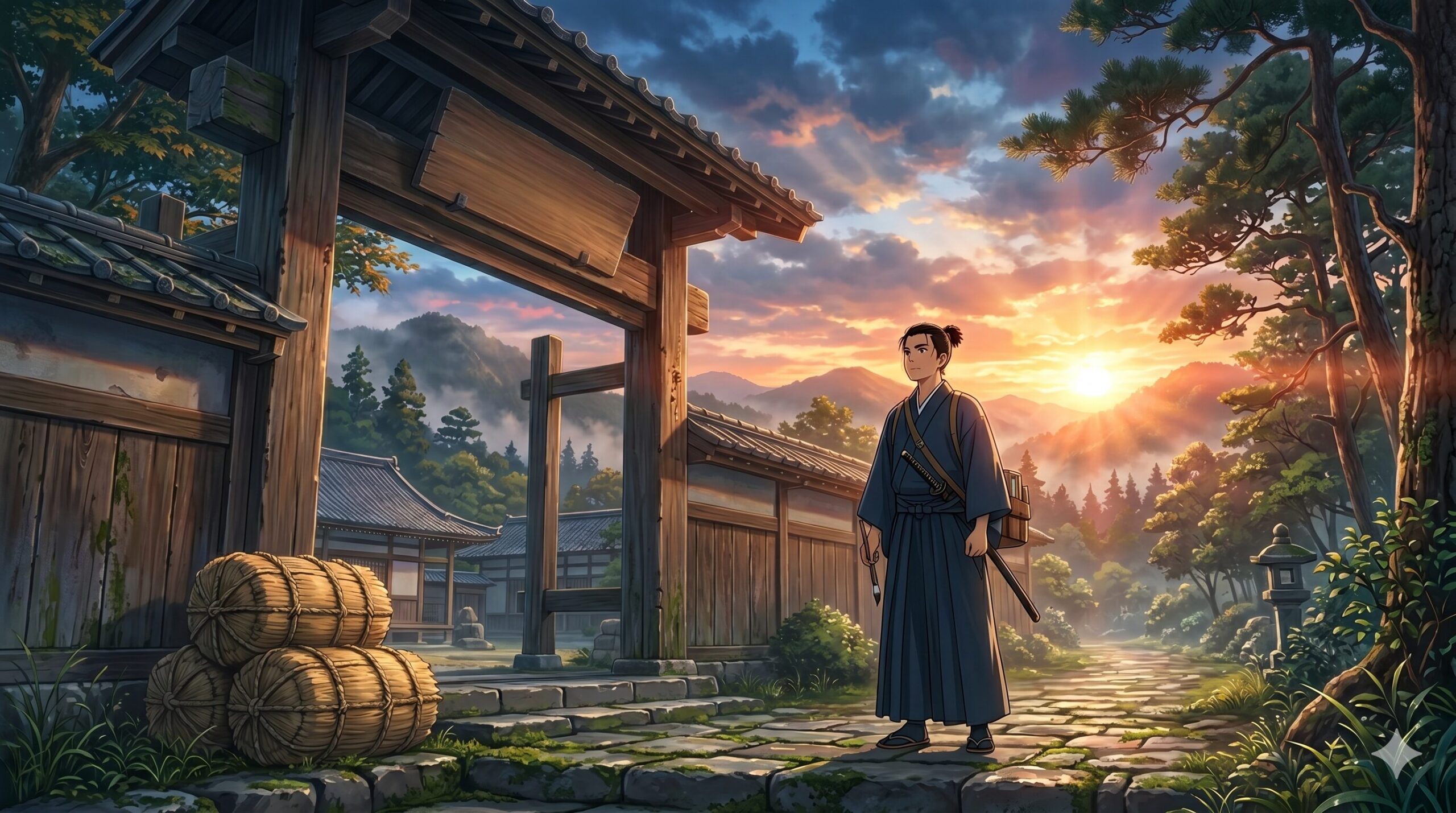
On June 15, 1870, a deeply profound and historical decision was made in Japan. It was the day when people, stripped of everything by war and suffering from severe starvation, chose “tomorrow’s education” over “today’s food.” This event is known as “Kome Hyappyo” (One Hundred Sacks of Rice), and the city of Nagaoka commemorates it today as “Kome Hyappyo Day.”
Why was Japan, a country with scarce natural resources, able to modernize and grow into a global economic powerhouse? The root of that answer lies hidden in the events of this very day.
A Scorched Nagaoka and the Arrival of “100 Sacks of Rice”
The story takes place in the Nagaoka Domain, located in present-day Niigata Prefecture. At the time, Japan was in the midst of a turbulent transition from the Edo period to the Meiji era. The “Boshin War,” a civil conflict between the old shogunate forces and the new imperial government, had reduced the town of Nagaoka to ashes. The survivors were plunged into extreme poverty, lacking even basic daily sustenance.
Into this abyss of despair, a neighboring and related domain, Mineyama (now part of Niigata City), sent a relief gift: 100 sacks of rice. For the starving people of Nagaoka, this rice was a miraculous lifeline. Everyone rejoiced, thinking, “We can survive today,” and “We can finally eat with full stomachs.”
The Decision of Kobayashi Torasaburo: “Eaten in Days, but Worth Tens of Thousands if Learned”
However, Kobayashi Torasaburo, a senior executive of the Nagaoka Domain, strictly refused to distribute this rice to the people. The starving samurai were furious and confronted Torasaburo, demanding immediate distribution. Facing the angry mob, Torasaburo declared:
“If we eat these hundred sacks of rice, they will be gone in a matter of days. But if we use them to fund education, they will become ten thousand, or a million sacks tomorrow.”
Torasaburo firmly believed that investing in the development of human resources—the people who would carry the future of Nagaoka, and ultimately the future of Japan, on their shoulders—was the only true path to recovery, rather than satisfying immediate hunger. Desperately persuading the hot-blooded samurai, he eventually sold all 100 sacks of rice.
With those funds, he established a school called “Kokkan Gakko.” This institution was incredibly innovative for its time, opening its doors not only to the children of samurai but also to commoners and even girls.
Investment in Education and the Spirit of Japanese Culture
The story of “Kome Hyappyo” is not just a heartwarming historical anecdote. It symbolizes a strong cultural value deeply rooted in the Japanese psyche: “self-sacrifice” and “investing in the future.”
Japan is an island nation with virtually no natural resources like oil or minerals. To survive in the world, the “resource” Japan has prioritized above all else is its “people.” The philosophy that no matter how poor or difficult the situation, education must be the top priority to cultivate the talents of the next generation, is the foundation of modern Japan’s development. In fact, Kokkan Gakko produced many great figures who later supported modern Japan’s medical, political, and legal fields.
The narrative of “Kome Hyappyo” gained massive national attention again in 2001 when Junichiro Koizumi, the Prime Minister of Japan at the time, quoted it in his policy speech to the National Diet. As a symbol of enduring the pain of difficult reforms to secure future prosperity, these words carry a message that still strikes a deep chord with Japanese people today.
What Would You Do?
Imagine you and your family are suffering from starvation. Food that could sustain your lives for a few days is placed right in front of you. Could you endure the hunger and give up that food for the “unseen education of the future”?
In modern society, we tend to seek immediate results and instant gratification. However, true wealth and growth only come from delaying today’s desires just a little bit to plant seeds for tomorrow.
After reading this article, how do you feel about the spirit of “Kome Hyappyo”? What is the “future” in your own life that you should invest in, even if it means letting go of immediate gains? Please take a moment to reflect on your own answer.
Reference Links
- Internal Link: Read more in the “What’s Today’s Special Day” series
- External Link: About Kome Hyappyo (Wikipedia)
6月15日は「米百俵デー」:明日の100万俵を生み出すための、空腹と究極の選択
1870年(明治3年)6月15日、日本の歴史において非常に重要な、そして極めて感動的な決断が下されました。それは、戦争によってすべてを失い、飢餓に苦しむ人々が「今日の食料」を我慢し、「明日の教育」を選んだ日です。この出来事は「米百俵(こめひゃっぴょう)」と呼ばれ、現代の長岡市では「米百俵デー」として制定されています。
日本という国が、なぜ資源が乏しいにもかかわらず、近代化を成し遂げ、世界的な経済大国へと成長できたのか。その答えの根源が、この日に隠されています。
焦土と化した長岡と、届いた「100俵の米」
物語の舞台は、現在の新潟県にあたる長岡藩です。当時、日本は江戸時代から明治時代へと移行する激動のうねりの中にありました。旧幕府軍と新政府軍が衝突した「戊辰戦争(ぼしんせんそう)」により、長岡の町は焼け野原となり、人々は日々の食べ物にも事欠く極限の飢餓状態に陥っていました。
そんな絶望のどん底にあった長岡藩へ、親戚にあたる三根山藩(現在の新潟県新潟市西蒲区)から、見舞いとして「100俵の米」が送られてきました。飢えに苦しむ長岡の人々にとって、この米はまさに命を繋ぐための奇跡の食糧でした。誰もが「これで今日を生き延びられる」「腹いっぱい食べられる」と歓喜に沸きました。
小林虎三郎の決断:「食えば数日、学べば数万俵」
しかし、長岡藩の大参事(現在の副知事のような役職)であった小林虎三郎(こばやし とらさぶろう)は、この米を人々に分け与えることを断固として拒否しました。飢えに苦しむ藩士たちは激怒し、虎三郎に詰め寄ります。今すぐ米を分配しろと迫る群衆に対し、虎三郎はこう言い放ちました。
「百俵の米も、食えばたちまちなくなる。だが、これを教育の資金に充てれば、明日には一万俵、百万俵となって返ってくるのだ」
虎三郎は、目先の空腹を満たすことよりも、未来の長岡、ひいては未来の日本を背負って立つ人材を育成することこそが、真の復興への唯一の道であると確信していたのです。彼は血気盛んな藩士たちを必死に説得し、最終的にこの100俵の米をすべて売却しました。
そしてその資金をもとに、「国漢学校(こっかんがっこう)」という学校を設立したのです。この学校は、武士の子供だけでなく、庶民の子供や、さらには女子にも門戸を開いた、当時としては極めて革新的な教育機関でした。
日本文化における「教育への投資」と精神性
この「米百俵」の精神は、単なる美談ではありません。日本人の根底に流れる「自己犠牲」と「未来への投資」という強い文化的価値観を象徴しています。
日本は、石油や鉱物などの天然資源をほとんど持たない島国です。その日本が世界で生き残るために最も重要視してきた「資源」、それこそが「人」でした。どれほど貧しく困難な状況にあっても、教育を最優先事項とし、次世代の才能を育てることで国を豊かにするという哲学は、現代の日本の発展の礎となっています。実際、この国漢学校からは、後に近代日本の医療、政治、法曹界を支える多くの偉大な人材が輩出されました。
「米百俵」の物語は、2001年に当時の日本の総理大臣であった小泉純一郎氏が国会の所信表明演説で引用したことでも、再び大きな脚光を浴びました。苦しい改革の痛みに耐え、未来の繁栄を勝ち取るための象徴として、この言葉は現代の日本人にも深く突き刺さるメッセージを持っています。
あなたなら、どうしますか?
自分が、そして自分の家族が飢えに苦しんでいる時。目の前に、数日分の命を繋ぐ食料が置かれた時。あなたは、その食料を我慢して「見えない未来の教育」のために差し出すことができるでしょうか?
現代社会では、私たちはすぐに結果が出るもの、すぐに得られる利益を求めがちです。しかし、真の豊かさや成長は、今日の欲望を少しだけ我慢し、明日への種を蒔くことからしか生まれません。
この記事を読んで、あなたは「米百俵」の精神をどのように感じましたか? あなたの人生において、目先の利益を手放してでも投資すべき「未来」とは何でしょうか。ぜひ、あなたの考えを巡らせてみてください。
参考リンク
- 内部リンク:今日は何の日シリーズをもっと読む
- 外部リンク:米百俵について(Wikipedia)
コメント