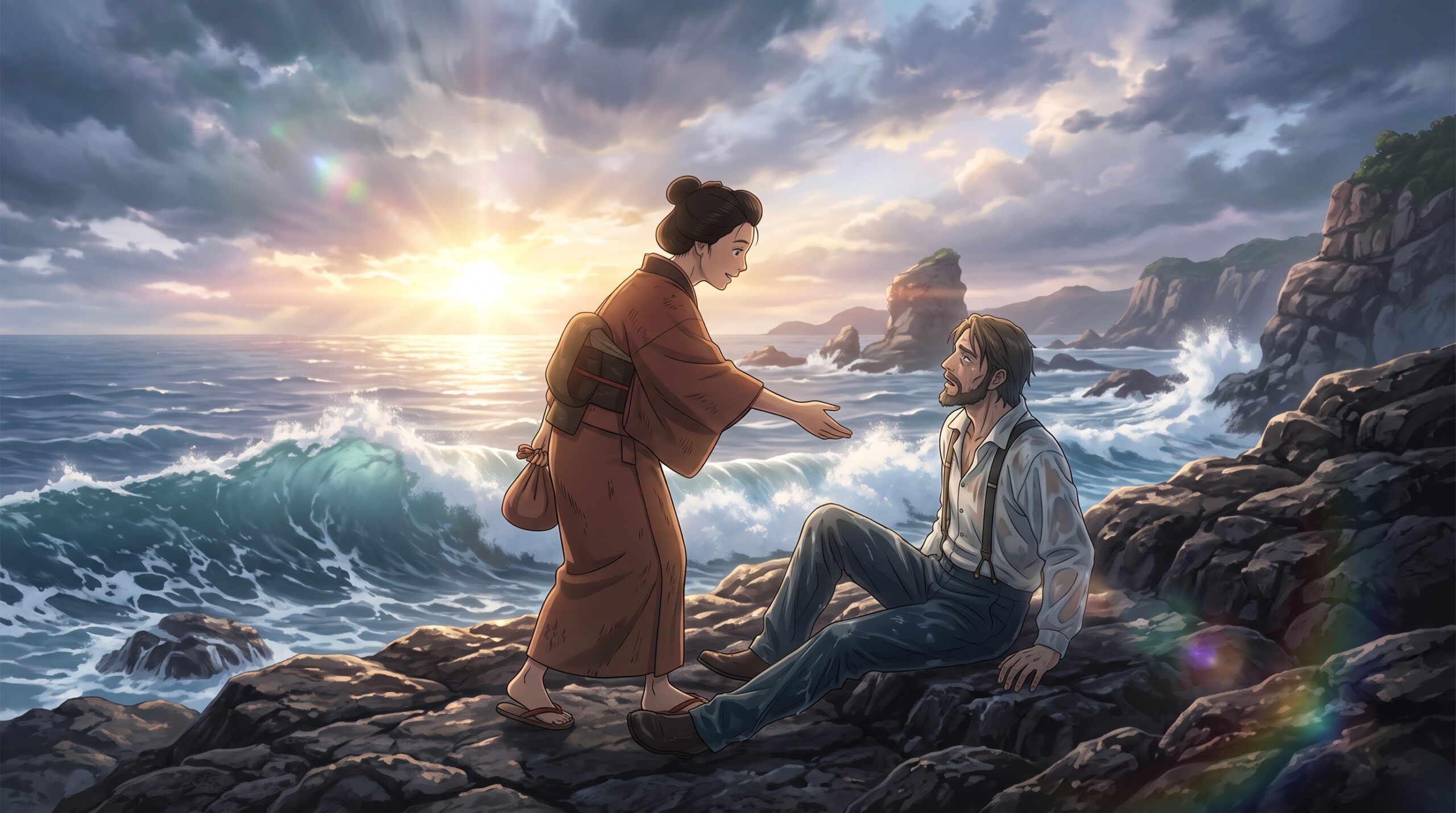
History often holds true dramas that are stranger than fiction and capable of deeply moving our souls. In this installment of the “What’s Today’s Special Day?” series, we explore the Ertugrul frigate disaster that occurred on September 16, 1890. This is not merely a record of a maritime accident. It is a story of a small Japanese village that reached out to desperate foreign sailors, and a miraculous tale of how that act of kindness culminated in a rescue on the other side of the globe 95 years later, forging an eternal bond between Japan and Turkey.
- Chapter 1: The Tragedy of a Stormy Night and the Selfless Love of Kii-Oshima’s People
- Chapter 2: Expansion to National Support and the Birth of Pro-Japanese Sentiment in Turkey
- Chapter 3: Understanding Japanese Cultural Spirituality Through the Ertugrul Incident
- Chapter 4: The 1985 Escape from Tehran – A Favor Returned After 95 Years
- Chapter 5: What This Asks of Us
- 第1章:嵐の夜の悲劇と、紀伊大島の人々の無償の愛
- 第2章:国家的支援への拡大と、トルコに芽生えた「親日」の心
- 第3章:エルトゥールル号事件から読み解く日本文化の精神性
- 第4章:1985年 テヘランからの脱出。95年越しの恩返し
- 第5章:私たちに問いかけるもの
Chapter 1: The Tragedy of a Stormy Night and the Selfless Love of Kii-Oshima’s People
On the night of September 16, 1890, Kii-Oshima, off the coast of Kushimoto in Wakayama Prefecture, was facing the threat of a fierce typhoon. Amidst raging seas and a torrential downpour that completely obscured visibility, the Ottoman Empire (now the Republic of Turkey) frigate “Ertugrul” crashed into the Funagora rocks beneath the Kashinozaki Lighthouse.
The Ertugrul had just completed a goodwill visit to Japan, delivering a personal letter to Emperor Meiji, and was on its long journey home. However, massive typhoon waves battered the aging wooden hull, flooding the engine room and causing a steam explosion that split the ship in two. Over 600 crew members were thrown into the dark, raging sea.
A Desperate SOS to the Kashinozaki Lighthouse
Despite being battered against the rocks and sustaining severe injuries, a few survivors managed to crawl up a cliff tens of meters high. Their destination was the faint light of the Kashinozaki Lighthouse shining in the darkness. The lighthouse keeper was initially speechless at the sight of strong, bloodied foreigners shouting in an unknown language. However, through their frantic gestures, he immediately understood that a massive disaster was occurring offshore. Upon receiving the news, the villagers of Oshima (now Kushimoto Town) rushed to the coast in the middle of the storm, disregarding their own safety.
“We Can Eat Later”: The Villagers’ Dedicated Rescue Efforts
At the time, Oshima Village was by no means wealthy. The villagers made their living through fishing and small-scale farming. If typhoons prevented them from fishing for days, their own food supplies would quickly deplete, leaving them in a harsh living situation. Yet, seeing the freezing foreign survivors before them, they acted without a moment’s hesitation.
To restore the body temperatures of the survivors who had swum through the freezing ocean, the villagers warmed them directly with their own body heat. They gathered the entire village’s emergency food supplies—sweet potatoes and rice—and even slaughtered their precious chickens to make warm porridge and soup. They took off their own clothes to give to the sailors and continued nursing them in whatever they had left. Not a single word of language was shared. What existed there was the pure, universal human connection of wanting to save lives suffering right before their eyes.
Thanks to the desperate rescue efforts of the villagers, 69 lives were saved. However, 587 precious lives, including the special envoy commander Osman Pasha, were lost to the sea. The villagers carefully recovered the bodies, identified them as best they could, and buried them respectfully on a hill. A memorial monument stands there today, and local residents continue to clean the area and offer prayers.
Chapter 2: Expansion to National Support and the Birth of Pro-Japanese Sentiment in Turkey
This tragedy was immediately reported to the Meiji government. Emperor Meiji expressed deep sorrow and condolences, ordering that every effort be made to protect and treat the survivors. Donations poured in from all over Japan, and through newspaper reports, many Japanese citizens felt deep sympathy and a desire to help.
In October of the same year, the 69 recovered crew members were safely returned to Istanbul under heavy protection aboard the Japanese naval warships “Hiei” and “Kongo.” This swift and dedicated response from Japan, and above all, the selfless love of the people of Oshima Village, deeply moved the Emperor and the people of the Ottoman Empire. The chivalrous spirit of the Japanese was widely reported throughout Turkey, deeply rooting the perception that “Japan is a wonderful friend in the East.” The tragedy of the Ertugrul became the starting point for building a strong bridge of friendship between the two nations.
Chapter 3: Understanding Japanese Cultural Spirituality Through the Ertugrul Incident
Why were the people of Oshima Village able to dedicate themselves so completely to complete strangers, even when their own livelihoods were threatened under extreme conditions? This heavily reflects the ancient spiritual culture of Japan.
The Spirit of Coexistence and Altruism
The Japanese people, having lived in a harsh natural environment, have long possessed the spirit of “Yui”—the concept of the entire community helping each other. Humans are powerless before storms and disasters, and cannot survive without mutual support. To the people of Oshima Village, anyone stranded at sea was a “fellow companion living with the ocean,” regardless of nationality or race. Abandoning them was never an option. This is the fundamental form of “Omotenashi” (hospitality) in modern Japan—a pure act of altruism that seeks no reward.
The Concepts of “On” (Debt of Gratitude) and “Gi” (Duty)
Japanese culture emphasizes the philosophy of never forgetting “On” (compassion received) and valuing “Gi” (the righteous path as a human being). This spirit resonated deeply with the Turkish people following this incident. And this “On and Gi” did not merely end as a page in past history. 95 years later, this spirit would once again astonish the world.
Chapter 4: The 1985 Escape from Tehran – A Favor Returned After 95 Years
The historical drama took a dramatic turn during the Iran-Iraq War in 1985.
On March 17 of that year, Iraqi President Saddam Hussein issued a terrifying statement: “In 48 hours, any aircraft flying in Iranian airspace will be shot down indiscriminately.” Over 200 Japanese nationals, including businesspeople and their families, were left stranded in the Iranian capital, Tehran. As the deadline ticked away, countries around the world dispatched special flights to rescue their citizens. However, due to Japanese laws and security reasons at the time, Japan could not send Self-Defense Force or commercial aircraft to the region. The Japanese were left completely isolated and helpless at the Tehran airport.
In this desperate situation, Yutaka Nomura, the Japanese Ambassador to Iran, reached out for help to his friend, Turkish Ambassador Ismet Birsel. It was a massive request in a dangerous situation where even Turkey’s own citizens had not fully evacuated. However, the Turkish government made an immediate decision. They dispatched two special Turkish Airlines flights into dangerous Tehran.
“We Merely Repaid the Debt of the Ertugrul”
With only hours left until the deadline and right before Iraqi bombings were set to begin, the Turkish Airlines planes took off from Tehran airport. Aboard were 215 Japanese nationals. Meanwhile, hundreds of Turkish citizens had to evacuate overland across dangerous borders. The Japanese people of the time were astonished and deeply grateful for this decision to rescue Japanese citizens even at the expense of their own people.
Later, when asked why they had gone to such lengths to save the Japanese, Necati Utkan, the Turkish Ambassador to Japan at the time, replied:
“None of us Turkish people have forgotten the dedicated rescue efforts the Japanese provided during the Ertugrul disaster. We merely returned the favor from that time.”
In Turkey, the story of the Ertugrul was included in history textbooks and passed down to children. The selfless love shown in a small Wakayama village 95 years prior crossed time and borders, creating a miracle that saved the lives of hundreds of Japanese people far away in the Middle East.
Chapter 5: What This Asks of Us
The 1890 Ertugrul disaster and the 1985 Tehran rescue. These two events go beyond a mere secret history of friendship between two nations. They teach us how incredibly strong the connection between human souls can be, transcending the frameworks of nations and politics.
I ask you, the reader:
If you were a villager struggling to find daily meals, faced with foreign castaways whose language you didn’t understand, could you unhesitatingly offer them your food for tomorrow?
And if you were a national leader, could you make the decision to expose your own citizens to the dangers of a land route in order to rescue people of another nation, all to repay a debt your ancestors received 95 years ago?
Goodwill that seeks no reward is surely passed down to the future, and one day becomes the power to save the world in ways we cannot imagine. This story throws a powerful message to us living in chaotic modern times about what true international exchange is, and how we should live as human beings. Let today be the day you start your own small act of “altruism” for someone close to you.
Reference Links
- Kushimoto Town Official Website (Explanation of the Ertugrul Disaster)
- Official Website of the Embassy of the Republic of Turkey in Japan
9月16日:エルトゥールル号遭難事件から学ぶ、時と国境を超える「恩義」の物語
歴史には、時に小説よりも奇なる、そして私たちの心を激しく揺さぶる真実のドラマが存在します。今日は何の日シリーズ、今回取り上げるのは1890年(明治23年)9月16日に発生した「エルトゥールル号遭難事件」です。これは単なる海難事故の記録ではありません。絶望の淵にあった異国の船員たちに手を差し伸べた日本の小さな村の物語であり、そしてその95年後、地球の裏側で恩返しとして結実した、日本とトルコの間に永遠の絆を築いた奇跡の物語です。
第1章:嵐の夜の悲劇と、紀伊大島の人々の無償の愛
1890年9月16日の夜、和歌山県串本町沖の紀伊大島は、猛烈な台風の脅威に晒されていました。海は荒れ狂い、視界は完全に奪われるほどの暴風雨の中、オスマン帝国(現在のトルコ共和国)の軍艦「エルトゥールル号」が樫野埼灯台下の岩礁「船甲羅」に激突しました。
エルトゥールル号は、明治天皇への親書を届けるための特使団を乗せ、長旅の末に日本への親善訪問を終え、帰途についたばかりでした。しかし、老朽化した木造船体に巨大な台風の波が打ち付け、機関室に浸水、水蒸気爆発を起こして船体は真っ二つに裂けました。乗組員600名以上が、暗黒の荒海へと投げ出されたのです。
樫野埼灯台への命がけのSOS
岩礁に打ち付けられ、全身傷だらけになりながらも、数名の生存者が数十メートルの断崖絶壁を這い登りました。彼らが目指したのは、暗闇の中で微かに光る樫野埼灯台の明かりでした。灯台守は、血まみれで見知らぬ言語を叫ぶ屈強な外国人たちを見て、最初は言葉を失いました。しかし、彼らの身振り手振りから、沖合で大惨事が起きていることを即座に理解します。灯台守の知らせを受けた大島村(現在の串本町)の村民たちは、暴風雨の中、危険を顧みず総出で海岸へと向かいました。
「自分たちの分は後でいい」。村民たちの献身的な救護活動
当時の大島村は、決して裕福な村ではありませんでした。漁業とわずかな畑作で生計を立て、台風で漁に出られない日が続けば、自分たちの食料すら底をつくような厳しい生活を送っていました。しかし、彼らは目の前で凍える異国の遭難者たちを見て、一切の躊躇なく行動に出ます。
冷たい海を泳ぎ着いた生存者たちの体温を回復させるため、村民たちは自分の体温で直接彼らを温めました。村中の非常食であるサツマイモや米をかき集め、飼っていた大切なニワトリすらも全て潰して、温かい粥やスープを作って振る舞いました。自分たちの衣服を脱いで与え、着の身着のままで看病を続けたのです。言葉は一切通じません。そこにあったのは「目の前で苦しんでいる命を救いたい」という、純粋で普遍的な人間の魂の交流でした。
村民たちの必死の救護活動により、69名の命が救われました。しかし、特使団長オスマン・パシャを含む587名もの尊い命がこの海で失われました。村民たちは遺体を引き揚げ、身元を丁寧に確認し、丘の上に手厚く埋葬しました。現在もその場所には慰霊碑が建ち、地元の人々によって清掃と慰霊が続けられています。
第2章:国家的支援への拡大と、トルコに芽生えた「親日」の心
この惨事はすぐに明治政府へと報告されました。明治天皇は深い悲しみと哀悼の意を表し、生存者の保護と治療に全力を尽くすよう命じました。日本全国から義援金が寄せられ、新聞報道を通じて日本国民の多くが彼らに同情と支援の念を抱きました。
回復した69名の乗組員は、同年10月、日本海軍の軍艦「比叡(ひえい)」と「金剛(こんご)」によって、手厚い保護のもとイスタンブールへと無事に送り届けられました。この日本の迅速かつ献身的な対応、そして何より大島村の人々の無償の愛は、オスマン帝国の皇帝や国民に深い感動を与えました。トルコ国内では日本の義侠心が広く伝えられ、「日本は東洋にある素晴らしい友人である」という認識が深く根付きました。エルトゥールル号の悲劇は、両国の間に強固な友好の架け橋を築く起点となったのです。
第3章:エルトゥールル号事件から読み解く日本文化の精神性
なぜ、大島村の人々は、自分たちの生活が脅かされる極限状態の中で、見ず知らずの外国人にそこまで尽くすことができたのでしょうか。そこには、日本古来の精神文化が色濃く反映されています。
「共生」と「利他」の精神
厳しい自然環境の中で生きてきた日本人は、古くからコミュニティ全体で助け合う「結(ゆい)」の精神を持っています。嵐や災害の前では人間は無力であり、互いに支え合わなければ生きていけません。大島村の人々にとって、海で遭難した者は、国籍や人種に関係なく「共に海に生きる仲間」であり、見捨てるという選択肢は存在しませんでした。これは現代の日本における「おもてなし」の根源的な形であり、見返りを求めない純粋な「利他」の行動です。
「恩」と「義」という概念
日本文化には「恩(受けた情け)」を忘れず、「義(人としての正しい道)」を重んじる思想があります。この精神は、この事件をきっかけにトルコの人々にも深く響きました。そして、この「恩と義」は、決して過去の歴史の1ページとして終わることはありませんでした。95年の時を経て、この精神が再び世界を驚かせることになります。
第4章:1985年 テヘランからの脱出。95年越しの恩返し
歴史のドラマは、1985年のイラン・イラク戦争において劇的な展開を見せます。
同年3月17日、イラクのサダム・フセイン大統領は恐るべき声明を発表しました。「48時間後より、イラン上空を飛ぶ全ての航空機を無差別撃墜する」。イランの首都テヘランには、商社マンやその家族など、200名以上の日本人が取り残されていました。タイムリミットが刻一刻と迫る中、世界各国は自国民を救出するために特別機を派遣しました。しかし、当時の日本の法律や安全保障上の理由から、自衛隊機や日本の民間航空機を現地に飛ばすことはできませんでした。日本人はテヘランの空港で、完全に孤立無援となってしまったのです。
絶望的な状況の中、駐イラン日本大使であった野村豊氏は、親交のあったトルコ大使のイスメット・ビルセル氏に助けを求めました。自国の国民すら退避しきれていない危険な状況下での要請です。しかし、トルコ政府は即座に決断を下します。トルコ航空(現在のターキッシュ エアラインズ)の特別機2機を、危険なテヘランに向けて派遣したのです。
「私たちはエルトゥールル号の借りを返しただけです」
タイムリミットまで残りわずか数時間。イラク軍の爆撃が始まる直前、トルコ航空機はテヘランの空港を飛び立ちました。機内には215名の日本人が乗っていました。その一方で、数百名のトルコ人は陸路で危険な国境を越えて避難することになりました。自国民を差し置いてまで日本人を救出したこの決断に、当時の日本人は驚愕し、深い感謝の念を抱きました。
後日、なぜそこまでして日本人を助けてくれたのかという問いに対し、当時のトルコ駐日大使ネジアティ・ウトカン氏はこう答えました。
「エルトゥールル号の遭難の際、日本人がしてくれた献身的な救助活動を、私たちトルコ人は誰一人忘れていません。あの時の恩返しをしただけです」
トルコでは、エルトゥールル号の物語が歴史の教科書に掲載され、子どもたちに語り継がれていました。95年前の和歌山県の小さな村での無償の愛が、時と国境を越え、遠く中東の地で数百名の日本人の命を救う奇跡を起こしたのです。
第5章:私たちに問いかけるもの
1890年のエルトゥールル号遭難事件と、1985年のテヘラン救出劇。この二つの出来事は、単なる二国間の友好秘話にとどまりません。国家や政治という枠組みを超えた、人と人との魂の結びつきがいかに強靭であるかを私たちに教えてくれます。
読者の皆さんに問いかけます。
もしあなたが、日々の食事にも事欠くような生活をしている村人だったとしたら。言葉も通じない、見たこともない異国の遭難者を前にして、自分の明日の食料を、彼らに迷わず差し出すことができるでしょうか。
そして、もしあなたが国家のリーダーだとして、自国の国民を陸路の危険に晒してまで、95年前に先祖が受けた恩を返すために他国の人々を救出する決断ができるでしょうか。
見返りを求めない善意は、確実に未来へと受け継がれ、いつか想像もしない形で世界を救う力になります。この物語は、混沌とした現代を生きる私たちに、真の国際交流とは何か、そして人としてどう生きるべきかという強烈なメッセージを投げかけています。今日という日をきっかけに、あなたの身近な人への小さな「利他」の行動を始めてみませんか。
コメント