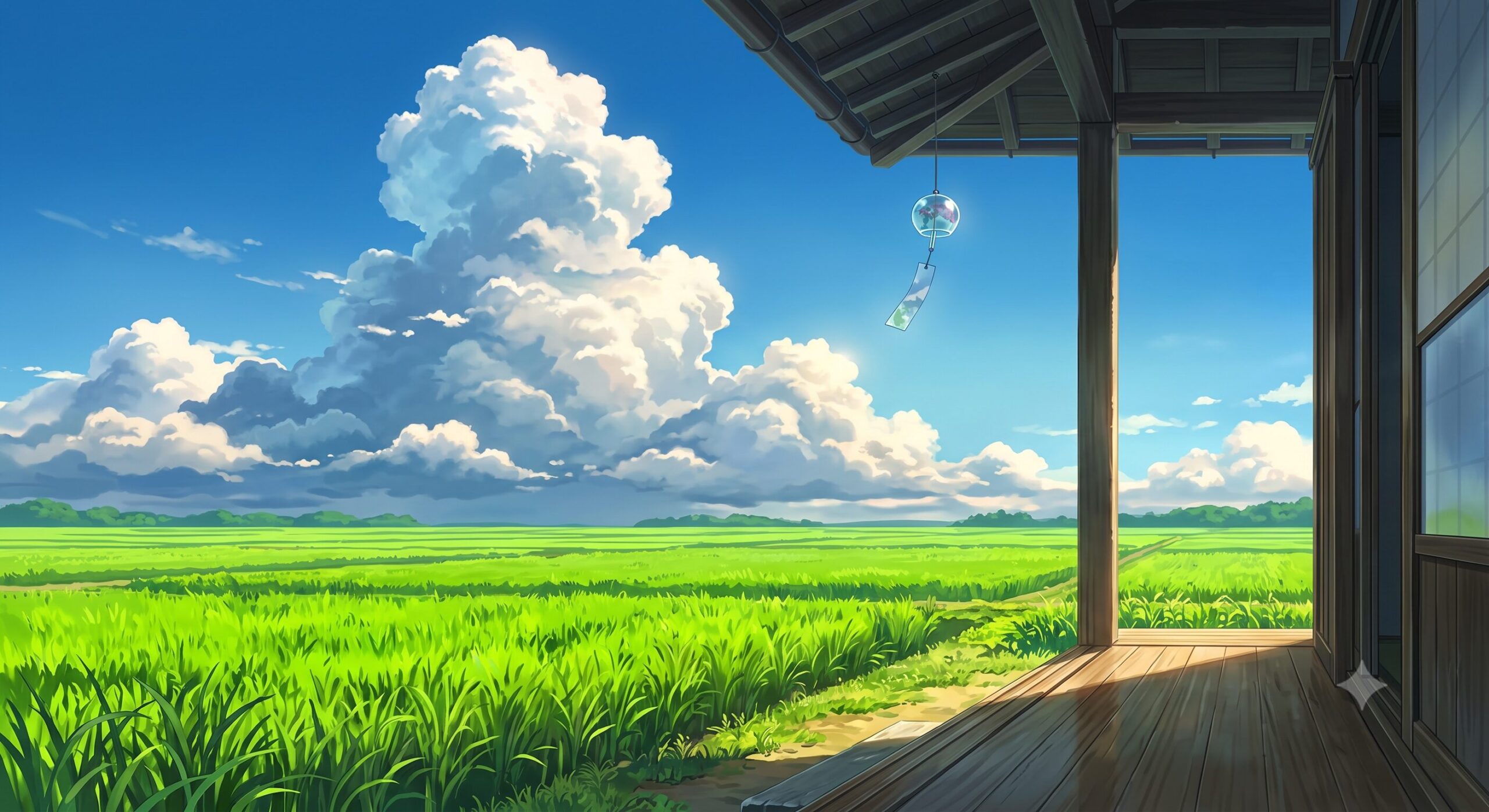
In the traditional Japanese calendar, there exists an ancient wisdom called the “24 Solar Terms” (Nijushi Sekki), which captures the subtle changes of the seasons. “Shosho” (小暑), which falls around July 6th (or 7th) every year, is the 11th of these 24 solar terms and literally translates to “Lesser Heat.” However, in the context of Japan’s climate, this day represents anything but a “lesser” heat. It is the clear, definitive signal that the long, gloomy rainy season is coming to an end, and the intense, scorching summer is about to begin.
The History of Shosho and the Meaning of the Calendar
The 24 Solar Terms were originally devised in the Yellow River basin of ancient China as a form of solar calendar. The year was divided into 24 equal parts based on the sun’s movement, and each period was named after the weather and the state of flora and fauna at the time. This system was transmitted to Japan and deeply took root as a guide for agricultural work and an index for daily life.
The period of Shosho refers to the moment when the sun’s ecliptic longitude reaches 105 degrees. In Japan, around this time, a warm and humid high-pressure system from the South Pacific begins to cover the Japanese archipelago. Majestic cumulonimbus clouds well up in the sky, and the chorus of cicadas begins to echo in earnest. Historically, for farmers, this was a crucial period after finishing rice planting; they would watch the rice plants grow vigorously while preparing for approaching typhoons and pests.
Decoding Japanese Culture from Shosho: “Shochu-mimai” and the Aesthetics of “Ryo” (Coolness)
The solar term of Shosho serves as an incredibly important starting point for communication in Japanese culture. This is known as “Shochu-mimai” (summer greetings). Shochu-mimai is a beautiful tradition of sending letters or gifts to distant friends, relatives, and those to whom one is indebted, to inquire about their health during the hottest time of the year.
According to Japanese etiquette, the period to start sending Shochu-mimai begins precisely on the day of “Shosho.” Furthermore, it is customary to send them before the day prior to “Risshu” (the beginning of autumn, around August 7th). The letters are often decorated with refreshing motifs such as goldfish, morning glories, wind chimes, and fireworks, delivering a momentary sense of “coolness” to the recipient’s heart.
Moreover, Japanese people have developed a culture of not merely enduring this harsh heat but orchestrating a sense of coolness using all five senses. The tinkling sound of a glass “Fuurin” (wind chime), the wisdom of “Uchimizu” (sprinkling water on the ground) to take away the heat and create a breeze, and the sound of slurping ice-cold Somen noodles. These are all unique Japanese aesthetics designed to overcome the severe summer that begins with Shosho with spiritual richness.
What Are Your Thoughts?
What did you think about the beginning of the Japanese summer heralded by Shosho and the culture of finding coolness amidst the heat? What is the sign that the hottest season of the year is beginning in your country or region? Also, do you have any traditional methods you practice or special foods you eat to survive the severe heat? Please take a moment to reflect on how you spend your summer.
Reference Links & Related Articles
- Related Article (Internal Category): Read more in the “What’s Today’s Special Day” series
7月6日「小暑」:本格的な夏の幕開けと日本の美しい涼の文化
日本の暦には、季節の微細な変化を捉える「二十四節気(にじゅうしせっき)」という古代からの知恵が息づいています。毎年7月6日頃(または7日頃)に訪れる「小暑(しょうしょ)」は、その二十四節気の第11番目にあたり、文字通り「小さな暑さ」を意味します。しかし、日本の気候においてこの日は、決して小さな暑さなどではなく、長く鬱陶しい梅雨が明け、本格的で焼け付くような夏が始まる明確なシグナルなのです。
小暑の歴史と暦の意味
二十四節気は、もともと古代中国の黄河流域で考案された太陽暦の一種です。一年を太陽の動きに合わせて24等分し、それぞれの時期の気象や動植物の様子に名前を付けたものでした。それが日本に伝わり、農作業の目安や生活の指標として深く根付いていきました。
小暑の時期は、太陽黄経が105度に達した瞬間を指します。日本ではこの頃から、南太平洋からの温かく湿った高気圧が日本列島を覆い始めます。空には雄大な入道雲(積乱雲)が湧き上がり、蝉の鳴き声が本格的に響き渡るようになります。歴史的に見ても、農家にとっては田植えを終え、稲が力強く成長していくのを見守りながら、迫り来る台風や害虫に備える重要な時期でした。
小暑から読み解く日本の文化:暑中見舞いと「涼」の美学
この小暑という節気は、日本文化における非常に重要なコミュニケーションの起点となっています。それが「暑中見舞い(しょちゅうみまい)」です。暑中見舞いとは、一年で最も暑い時期に、遠く離れた友人、親戚、お世話になった人々に対して、健康を気遣う手紙や贈り物を送る美しい伝統です。
日本の礼儀作法において、暑中見舞いを送り始めるのはまさにこの「小暑」の日からと定められています。そして、秋の始まりである「立秋(りっしゅう)」(8月7日頃)の前日までに行うのがマナーです。手紙には、涼しげな金魚、朝顔、風鈴、花火などの絵柄が描かれ、受け取った人の心に一瞬の「涼」を届けます。
また、日本人はこの過酷な暑さをただ耐えるだけでなく、五感を使って涼しさを演出する文化を発展させてきました。ガラス越しにチリンと鳴る「風鈴」の音、打ち水によって地面の熱を奪い風を生み出す知恵、そして氷水で冷やした素麺(そうめん)をすする音。これらはすべて、小暑から始まる厳しい夏を精神的な豊かさで乗り切るための、日本独自の美学なのです。
あなたはどう感じましたか?
小暑が告げる日本の夏の始まりと、暑さの中に涼しさを見出す文化について、あなたはどう思いましたか?あなたの国や地域では、一年で最も暑い季節が始まるサインは何でしょうか。また、厳しい暑さを乗り切るために、あなた自身が実践している伝統的な方法や、特別に食べるものはありますか?ぜひ、あなたの夏の過ごし方について考えてみてください。
参考リンクと関連記事
- 参考リンク(外部):国立天文台 暦計算室(日本の暦と二十四節気の詳細なデータ)
- 関連記事(内部カテゴリー):今日は何の日シリーズをもっと読む

コメント