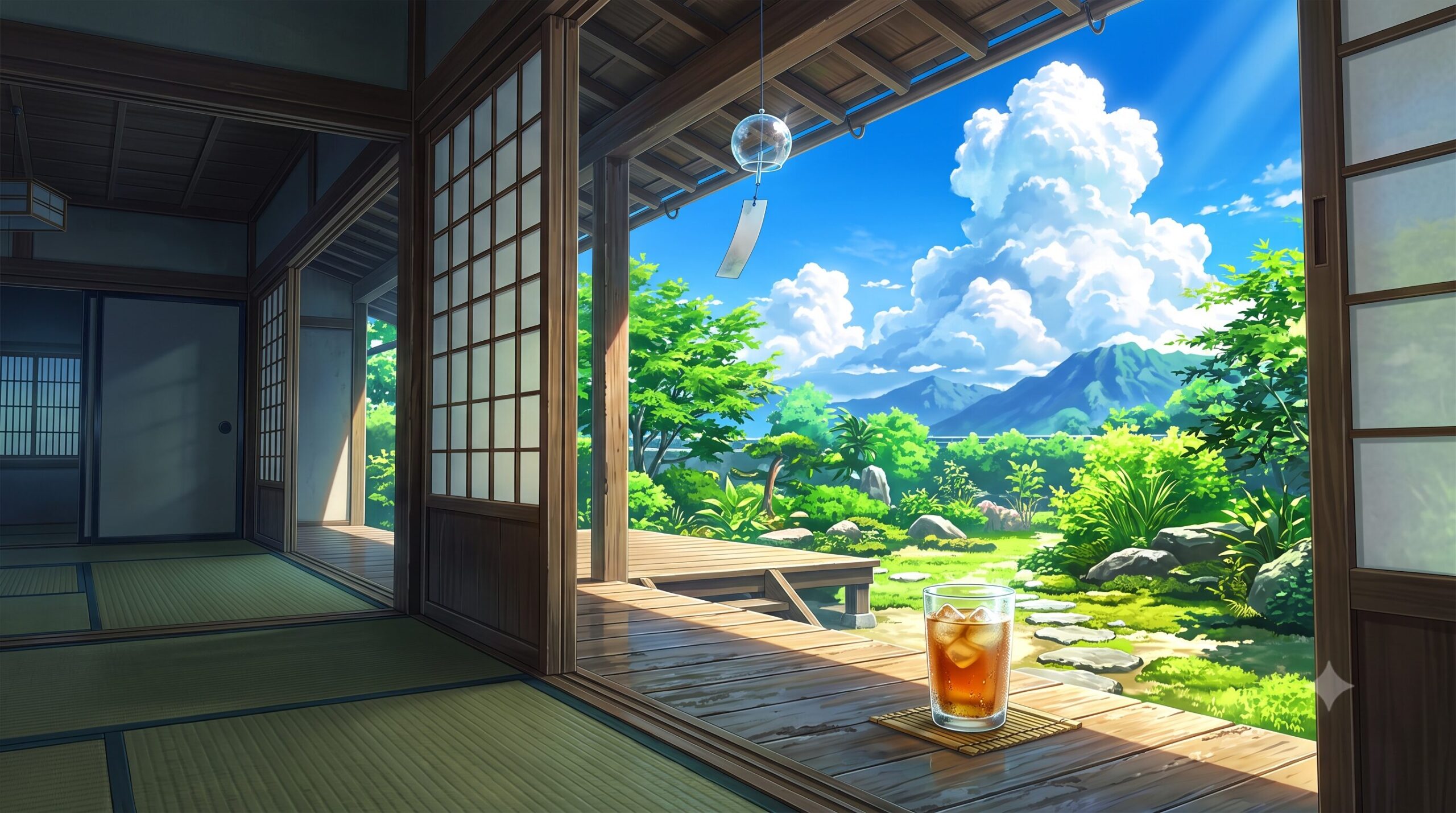
Summer in Japan is not merely about high temperatures. It is a unique season where intense sunlight and high humidity create an atmosphere where vibrant life and deep tranquility coexist. July 22nd marks a crucial day in the Japanese traditional calendar known as the 24 Solar Terms (Nijushi-sekki): it is “Taisho” (大暑). Written with the characters for “Major” and “Heat,” this day literally signifies the beginning of the most severely hot period of the year.
The History of Taisho and the Wisdom of the 24 Solar Terms
The 24 Solar Terms is a solar calendar system originally devised in ancient China, which underwent its own unique evolution to match the climate and culture of Japan. The year is divided into 24 equal parts based on the sun’s movement, with each period given a beautiful name reflecting seasonal changes. Taisho is the 12th solar term counting from the beginning of spring.
Historically, in an era without air conditioning, surviving this punishing heat was a matter of life and death for the Japanese people. However, rather than viewing nature as an enemy to be conquered by force, Japanese ancestors built a highly sophisticated culture of alleviating the heat by accepting nature’s fury and finding “beauty” and “elegance” within it.
The Aesthetics of “Ryo” (Cooling) in Japanese Culture
The most important aspect of Japanese culture that can be decoded from the Taisho period is the spirituality of “taking Ryo” (creating coolness). This is not simply a matter of physically lowering the temperature; it is an advanced technique of “feeling” coolness through visual, auditory, gustatory, and even psychological approaches.
- Uchimizu (Water Sprinkling): This is the custom of sprinkling water on the streets and gardens in front of houses during the cooler morning and evening hours. In addition to the scientific effect of lowering the ambient temperature through the heat of vaporization, it carries the aesthetic meaning of visually enjoying the refreshing look of the damp ground.
- Furin (Wind Chimes): These are small glass or metal bells hung under the eaves of roofs. Every time the wind blows, they produce a clear, ringing sound. By listening to this sound, Japanese people audibly perceive the presence of the invisible “wind,” psychologically creating a sense of coolness in their minds.
- Culinary Wisdom: During this period, there is a custom called “Doyo no Ushi no Hi,” where people eat eel (Unagi), which is rich in vitamin B1, highly effective for recovering from fatigue. Furthermore, a food culture that pursues coldness and smooth textures blossoms during Taisho, such as “Kakigori” (shaved ice cut extremely thin) and “Somen” (thin noodles chilled in ice water).
Coexistence with Nature and Spirituality
During the Taisho period, cicadas begin to sing intensely all over Japan. At dusk, a specific type of cicada called the Higurashi echoes a somewhat sorrowful, beautiful melody. While the sound of summer insects might have been treated merely as noise in some Western literature, in Japanese poetry and literature, the singing of cicadas is depicted as a crucial artistic element symbolizing the “ephemerality of life” and the “changing of seasons.”
Even in the midst of a harsh heatwave, one listens to the sound of wind chimes and finds beauty in the shade of garden trees. This day called “Taisho” embodies the very spirituality of the Japanese people, who attempt to harmonize with their environment through ingenuity and a sense of beauty, rather than fighting against the given natural conditions.
How Will You Spend Your Summer?
Japan’s “Taisho” is a beautiful day where the raw power of nature intersects with the delicate wisdom of humanity. Having read this article, what do you think about the Japanese way of spending the summer? If you were to visit Japan during this time, wouldn’t you want to enjoy cold matcha or shaved ice while listening to the chime of bells under the eaves? Please let me know if your country has its own unique “traditional ways to survive the heat.”
Reference Links
- Climate and Seasons in Japan (JNTO Official): Japan National Tourism Organization – Summer
- Japanese Calendar and Astronomy (NAOJ): National Astronomical Observatory of Japan
- Discover more Japanese anniversaries here: What’s Today’s Special Day Series
7月22日「大暑(Taisho)」:日本の夏が頂点を迎える日
日本の夏は、ただ気温が高いだけではありません。高い湿度と強烈な日差しが織りなす、生命力と静寂が同居する特異な季節です。7月22日は、日本の伝統的な暦である「二十四節気(にじゅうしせっき)」において「大暑(Taisho)」と呼ばれる重要な日です。「大」きな「暑」さと書くこの日は、文字通り一年で最も暑さが厳しくなる時期の幕開けを意味します。
大暑の歴史と二十四節気の知恵
二十四節気とは、古代中国で考案され、日本の風土に合わせて独自の発展を遂げた太陽暦のシステムです。太陽の動きを基準に一年を24等分し、それぞれの時期に季節の変化を表す美しい名前が付けられています。大暑は、立春から数えて12番目の節気にあたります。
歴史的に見ると、冷房設備が存在しなかった時代、日本の人々にとってこの過酷な暑さをいかにして生き抜くかは、生死に関わる重大な課題でした。しかし、日本の先人たちは自然を敵視して力でねじ伏せるのではなく、自然の猛威を受け入れ、その中に「美しさ」や「風情」を見出すことで暑さを和らげるという、極めて洗練された文化を築き上げました。
日本文化における「涼(Ryo)」の美学
大暑の時期から読み解ける最も重要な日本文化の側面は、「涼(Ryo)をとる」という精神性です。これは単に物理的な温度を下げるだけでなく、視覚、聴覚、味覚、さらには精神的なアプローチを通じて涼しさを「感じる」という高度な技術です。
- 打ち水(Uchimizu): 朝夕の涼しい時間帯に、家の前の道路や庭に水を撒く風習です。水が蒸発する際の気化熱を利用して周囲の温度を下げるという科学的な効果に加えて、濡れた地面の美しさと清涼感を視覚で楽しむ意味合いがあります。
- 風鈴(Furin): 軒先に吊るされたガラスや金属製の小さな鐘です。風が吹くたびに「チリン」と澄んだ音を響かせます。日本人はこの音を聞くことで、目に見えない「風」の存在を聴覚で感じ取り、脳内で涼しさを擬似的に作り出します。
- 食の知恵: この時期には、疲労回復効果が高いビタミンB1を豊富に含む「鰻(うなぎ)」を食べる「土用の丑の日(Doyo no Ushi no Hi)」という風習があります。また、氷を極限まで薄く削った「かき氷(Kakigori)」や、冷たい水で締めた細い麺「素麺(Somen)」など、喉越しと冷たさを追求した食文化が大暑の時期に華開きます。
自然との共生と精神性
大暑の時期、日本中で「蝉(せみ)」が激しく鳴き始めます。夕暮れ時にはヒグラシという蝉が、どこか物悲しい美しい鳴き声を響かせます。西洋の文学では夏の虫の音は単なるノイズとして扱われることがありましたが、日本の和歌や文学において、蝉の鳴き声は「生命の儚さ」や「季節の移ろい」を象徴する重要な芸術的要素として描かれます。
過酷な猛暑の中でさえ、風鈴の音に耳を傾け、庭の木陰に美しさを見出す。この「大暑」という日は、与えられた自然環境に逆らわず、創意工夫と美意識によって環境と調和しようとする、日本人の精神性そのものを体現しています。
あなたなら、どう過ごしますか?
日本の「大暑」は、自然の力強さと、人間の繊細な知恵が交差する美しい一日です。この記事を読んで、日本の夏の過ごし方についてどう思いましたか?もしあなたがこの時期に日本を訪れたなら、軒先の風鈴の音に耳を傾けながら、冷たい抹茶やかき氷を楽しんでみたいと思いませんか?ぜひ、あなたの国ならではの「暑さを乗り切る伝統的な方法」があれば、教えてください。
参考リンク
- 日本の気候と季節の楽しみ方(JNTO公式):Japan National Tourism Organization – Summer
- 日本の暦と天文学(国立天文台):National Astronomical Observatory of Japan
- その他の日本の記念日についてはこちら:What’s Today’s Special Day Series

コメント