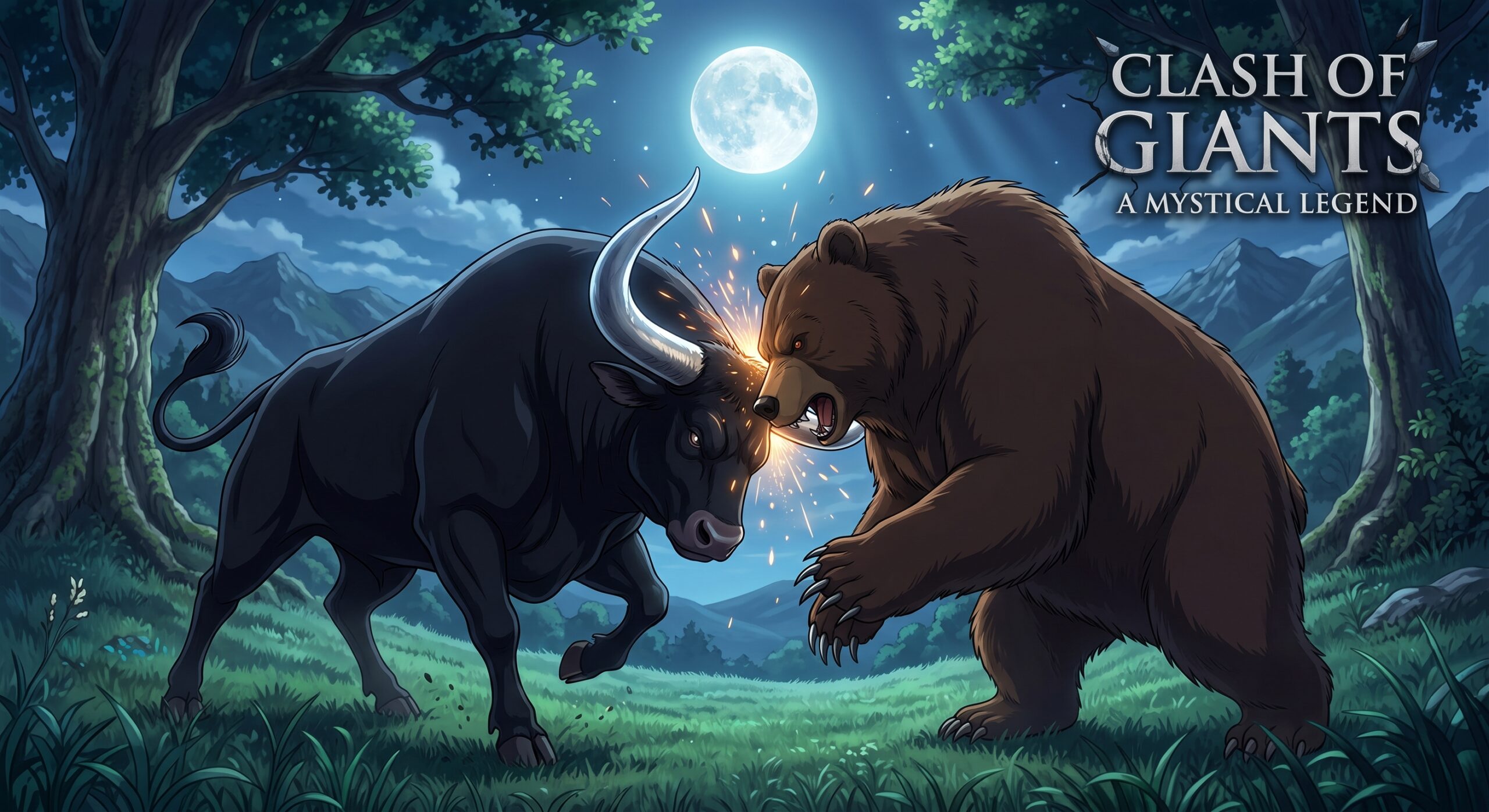
Japan is home to countless folktales passed down through generations. These are not merely fairy tales for children; they are profound literature reflecting Japanese spirituality, morality, and deep respect for nature. Today, we introduce a beautiful yet tragic story from Iwate Prefecture in the Tohoku region called “Ushikai Genji” (Cowherd Genji). This masterpiece depicts the proud souls of animals and a tragedy caused by humanity’s selfish love.
1. The Story of “Ushikai Genji”: A Moonlit Duel and an Unexpected End
At the foot of the magnificent Mount Hashikami in Iwate Prefecture, lived a man named Genji, an expert cowherd. Genji’s greatest pride was a massive bull with a magnificent physique and sharp horns. This bull was an invincible champion, never losing a single bout in the village’s traditional bull-wrestling matches.
However, strange things began to happen. Every night, the giant bull would suddenly disappear from its barn. No matter how frantically Genji searched, he could not find it. Yet, by morning, the bull would be back in its stall, sleeping peacefully as if nothing had happened. After several nights of this, a suspicious Genji decided to pretend to sleep and follow the bull.
Deep in the night, the bull quietly slipped out and marched into the rugged mountains. Genji held his breath and followed, eventually reaching an open grassy field deep in the wild. Waiting there was a massive, terrifying wild bear, equal in size to the bull. The bull and the bear locked eyes, clashed violently, and began a life-or-death test of strength. They were destined rivals, pushing their limits against each other every single night.
Witnessing this epic battle, Genji felt an overwhelming desire to help his beloved bull win. One day, while the bull was sleeping in the afternoon, Genji sneaked up and heavily coated the bull’s horns with slippery oil.
That night, the bull went to the mountain again, and the battle commenced. The moment they grappled, the bear tried to grab the bull’s horns. Because of the oil, the bear’s hands slipped disastrously. Losing its balance, the bear was deeply pierced by the bull’s sharp horns. The fatal wound killed the bear instantly.
Genji was overjoyed that his plan had worked and his bull had won. However, the bull’s reaction was entirely different. Having lost its greatest rival through such a dishonorable trick, the bull became entirely utterly dispirited, as if its very soul had been drained. It refused to eat any food. A few days later, the bull returned to the battlefield and quietly passed away right next to the dead bear’s corpse, choosing to follow its rival in death.
Overwhelmed by deep regret for his foolish and shallow actions, Genji carefully buried the two great beasts together at that exact spot. To pacify their souls, he built a small Shinto shrine called “Ushikuma no Yashiro” (The Shrine of the Bull and Bear). It is said that this shrine remained on that land for a very long time.
2. Deep Analysis: Why Did the Bull Choose Death?
The most shocking and profound part of this folktale is the ending, where the supposedly victorious bull falls into despair and chooses death. To the giant bull, the wild bear was not just a hateful enemy. By carving away at each other’s lives in secret every night, they became true understanders of one another. The bear was an equal, a worthy rival who validated the bull’s existence.
The victory brought by Genji’s oil shattered the bull’s pride into pieces. A sacred ritual meant to be decided through a fair contest of strength was defiled by a human’s cowardly interference. Having simultaneously lost its goal, its reason for living, and its pride as a warrior, the bull no longer had any reason to survive. It is a cruel and philosophical tragedy where Genji’s distorted love—born from the human ego of “wanting his pet to win”—resulted in the spiritual death of the very animal he loved most.
3. Deciphering Japanese Culture and Spirituality
We can read two vital aspects of Japanese cultural background from this story.
The Spirit of Bushido (The Way of the Warrior)
First is the spirit of fair play and honor, akin to “Bushido”. In traditional Japanese values, the process and purity of “how one fought fairly” are valued far more than the outcome of victory itself. A victory achieved through cowardly means is the ultimate shame. The despair shown by the bull evokes a fierce aesthetic remarkably similar to a samurai committing Seppuku (ritual suicide) in the face of dishonor.
Animism and Shinto
Second is the belief in “Animism” (eight million gods) that flows at the foundation of Japan. Rather than viewing animals as mere subjects under human control, Japanese folktales depict them as beings with rich emotions, pride, and souls equal to humans. Genji’s final act of building a shrine to deify the two beasts represents the very essence of Shinto—showing awe and respect for nature while attempting to appease the anger and sorrow of the animal spirits.
4. What Would You Do?
Genji’s actions did not stem from malice. They were triggered by a pure, universal desire to protect a loved one. However, that “well-meaning action” ended up permanently stealing the pride that the other valued most.
If you were in Genji’s position, could you have simply watched silently as your beloved animal fought for its life every night? Or would you have intervened to eliminate the danger? What does it truly mean to respect another being’s happiness and pride? After reading the ending of this story, how did you feel, and what would you have done?
Category: Japanese Folktale Series
Reference Link: Manga Nippon Mukashibanashi Database – Ushikai Genji
日本の神秘的な昔話:「牛飼い源次」が教える誇りと喪失の物語
日本には、古くから語り継がれる数多くの昔話が存在します。それらは単なる子供向けのおとぎ話ではなく、日本人の精神性、道徳観、そして自然に対する深い敬意が込められた文学です。今回は、東北地方の岩手県に伝わる美しくも悲しい物語、「牛飼い源次(うしかいげんじ)」をご紹介します。この物語は、動物たちの誇り高き魂と、人間の身勝手な愛情が引き起こした悲劇を描いた傑作です。
1. 昔話「牛飼い源次」のストーリー:月夜の死闘と予期せぬ結末
岩手県九戸郡、九戸富士と呼ばれる雄大な階上岳(はしかみだけ)のふもとに、源次という目の肥えた牛飼いが住んでいました。源次の自慢は、誰にも負けない立派な体格と鋭い角を持つ一頭の大牛でした。この牛は、村で行われる牛同士の角合わせ(闘牛)でも決して負けることのない、無敵のチャンピオンでした。
しかし、ある時期から奇妙なことが起こり始めます。夜中になると、大牛が牛小屋から忽然と姿を消してしまうのです。源次が慌てて探し回っても見つからず、朝になると牛は何事もなかったかのように小屋に戻り、静かに眠っているのでした。これが幾晩も続いたため、不審に思った源次は、ある夜、寝たふりをして牛の後をつけることにしました。
深夜、そっと小屋を抜け出した牛は、険しい山奥へとどんどん進んでいきます。源次が息を殺して後を追うと、山中の開けた原っぱにたどり着きました。そこには、大牛と同じくらい巨大で恐ろしい体躯を持った野生の熊が待ち構えていたのです。大牛と熊は、互いに睨み合うと激しくぶつかり合い、命懸けの力比べを始めました。彼らは毎晩ここで、互いの限界をぶつけ合う宿命のライバルだったのです。
その壮絶な戦いを見た源次は、「なんとか自分の愛する牛を勝たせてやりたい」という強い執着を抱きました。そしてある日、牛が昼間に眠っている隙を狙い、牛の角にたっぷりと滑りやすい油を塗りつけたのです。
その夜も、大牛は山へ向かい、熊との戦いが始まりました。激しく組み合った瞬間、熊が大牛の角を掴もうとしましたが、油が塗られていたため手がずるっと滑ってしまいました。体勢を崩した熊の体に、大牛の鋭い角が深く突き刺さりました。致命傷を負った熊は、そのまま息絶えてしまったのです。
自分の作戦が成功し、大牛が勝利したことに源次は大喜びしました。しかし、大牛の様子は全く違いました。最大の好敵手(ライバル)をこのような不正な形で失った大牛は、まるで魂が抜けてしまったかのように腑抜けになり、一切の餌を食べることを拒絶しました。そして数日後、大牛はあの戦いの場所に向かい、死んだ熊の骸(むくろ)のすぐそばで、後を追うように静かに息を引き取ったのです。
事の重大さと自分の浅はかな行いを激しく後悔した源次は、二頭の偉大な獣をその場所に手厚く葬りました。そして彼らの魂を鎮めるため、そこに「牛熊の社(うしくまのやしろ)」という小さな神社を建てました。この社は、長い間その地に残り続けたと伝えられています。
2. 考察:なぜ大牛は死を選んだのか?
この物語の最も衝撃的で奥深い部分は、勝利したはずの牛が絶望し、自ら死を選んだという結末にあります。大牛にとって、あの野生の熊は単なる憎き敵ではありませんでした。毎晩人知れず命を削り合うことで、互いの存在価値を確かめ合う「真の理解者」であり、対等な「好敵手」だったのです。
源次の塗った油による勝利は、大牛の誇りを粉々に打ち砕きました。正々堂々とした力比べで決着をつけるはずだった神聖な儀式が、人間の卑怯な介入によって汚されてしまったのです。目標と生きがい、そして戦士としての誇りを同時に失った大牛にとって、もはや生きながらえる意味は存在しませんでした。源次の「勝たせてやりたい」という人間のエゴから生まれた歪んだ愛情が、結果として最も愛する牛の魂を殺してしまったという、極めて残酷で哲学的な悲劇です。
3. 物語から読み解く日本文化と精神性
この昔話からは、日本の二つの重要な文化的背景を読み解くことができます。
武士道(Bushido)の精神
一つ目は、「武士道」に通じるフェアプレーと名誉の精神です。日本の伝統的な価値観では、結果としての勝利以上に、「いかに正々堂々と戦ったか」という過程や純粋さが重んじられます。卑怯な手段を使って得た勝利は最大の恥であり、大牛が示した絶望は、まさに不名誉に対する武士の切腹にも似た、壮絶な美学を感じさせます。
アニミズムと神道(Shinto)
二つ目は、日本の根底に流れる「アニミズム(八百万の神々)」の信仰です。動物を人間の支配下にあるものと見なすのではなく、動物たちも人間と同等の豊かな感情、誇り、そして魂を持つ存在として描かれています。最後に源次が「牛熊の社」を建てて二頭を神として祀った行為は、自然や動物に対する畏敬の念と、彼らの怒りや悲しみを鎮めようとする日本の神道の精神そのものです。
4. あなたならどうしますか?
源次の行動は、決して悪意から生まれたものではありません。愛する者を助けたいという、誰もが持つ純粋な思いやりが引き金でした。しかし、その「良かれと思った行動」が、相手の最も大切にしていた誇りを永遠に奪う結果となってしまいました。
もしあなたが源次と同じ立場だったとしたら、毎晩命懸けで戦う愛牛をただ黙って見守ることができたでしょうか? それとも、危険を排除するために介入してしまったでしょうか? 相手の真の幸福や誇りを尊重するとはどういうことか。この物語の結末を読んで、あなたはどう感じましたか?
カテゴリー:Japanese Folktale Series
コメント