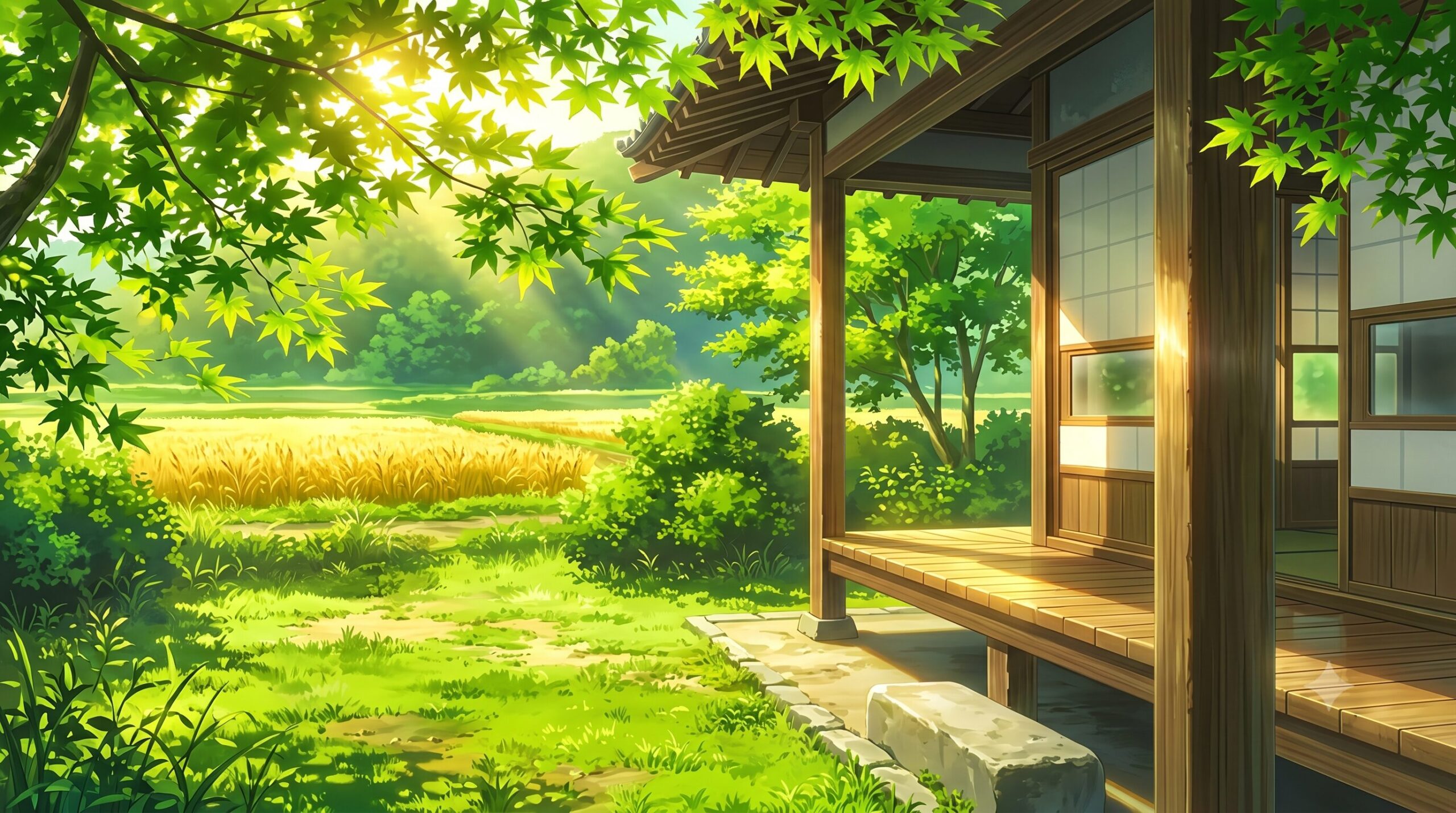
The traditional Japanese calendar features a beautiful system known as the “24 Solar Terms” (Nijushi Sekki), which delicately expresses the subtle transitions of nature. May 21st marks the eighth term, known as “Shoman” (小満 – Lesser Fullness). For international visitors and those intrigued by Japan’s climate, Shoman is a vital key to understanding the moment when Japanese nature overflows with vitality and radiates its most brilliant colors. In this article, we will delve deeply into the historical background of Shoman and the unique Japanese spirituality hidden within it.
The History and Culture of Shoman: Golden Wheat and the Brilliance of Life
The 24 Solar Terms originated in ancient China as an agricultural guide based on the sun’s movements and were introduced to Japan before the Heian period (794–1185). Because Japan experiences highly diverse seasons, this calendar has been gradually adapted and deeply reinterpreted to suit the local climate.
The term “Shoman” literally translates to “all life begins to fill.” It is a period when plants and trees, having survived the winter cold, grow lush and green, and animals become highly active. It is an especially crucial turning point in agriculture. The wheat sown in autumn begins to form ears and turn golden. Interestingly, in Japan, this wheat harvesting season in early summer is called “Bakushu” (麦秋 – Wheat Autumn). Incorporating the word “autumn” (a symbol of harvest) into an early summer term demonstrates a profound gratitude for crops and a deep respect for nature.
This is also the time when Japanese people begin preparing for “Koromogae” (the seasonal change of clothing). Anticipating the humid “Tsuyu” (rainy season) just around the corner, people switch to breathable clothing and adjust their living environments—a testament to the delicate wisdom of Japanese daily life.
Connection to Japanese Culture: The Philosophy of Finding “Small Fulfillment”
From the very origin of the word “Shoman,” we can decipher a deep philosophy that flows at the root of Japanese culture. Why is it called “Shoman” (Lesser/Small Fullness) instead of “Daiman” (Greater Fullness or Absolute Perfection)?
Hidden here is the Zen teaching of “Chisoku” (知足 – knowing when one has enough) and the aesthetic consciousness akin to “Wabi-Sabi.” In both the natural world and human society, a state of absolute perfection (Daiman) signifies that there is nowhere left to go but toward decline. However, “Shoman” represents a state that is still in the process of growing, leaving a slight margin of space. Finding ultimate beauty and hope in this “slightly fulfilled state” and the “process of further growth” is the very essence of the Japanese mindset.
The heart that finds beauty in the imperfect and the developing is entirely consistent with the spirit of the tea ceremony, which cherishes asymmetrical pottery, or the aesthetic that is captivated by falling cherry blossoms. Admiring the young green shoots and the budding flowers of the Shoman season is a pure practice of mindfulness—giving thanks for the “small joys” and “modest growth” in everyday life.
Living with Nature: What Are Your Thoughts?
In our busy, modern digital society, we tend to constantly seek “perfection” and “massive achievements.” However, Japan’s “Shoman” teaches us the richness of paying attention to the small instances of growth in our daily lives and the subtle shifts in nature around us. The trees outside your window growing slightly greener, or the blowing wind feeling just a bit warmer—having the mental space to notice these things beautifully colors our lives.
After reading this article, what kind of “small fulfillment” have you found in your own life? If you were to visit Japan right now, how would you want to spend your time amidst this radiant fresh greenery? Please share your thoughts and the small joys you discovered today in the comments below.
Reference: National Astronomical Observatory of Japan – About the 24 Solar Terms
Click here for more Today’s Special Day, Calendars, and Events
5月21日 小満(しょうまん):万物が満ち始める生命の季節
日本の暦には、自然の細やかな移ろいを表現する「二十四節気(にじゅうしせっき)」という美しいシステムが存在します。5月21日は、その第8番目の節気である「小満(しょうまん)」にあたります。海外から日本を訪れる人々や、日本の気候に興味を持つ人々にとって、この小満という時期は、日本の自然が最も生命力に溢れ、鮮やかな色彩を放つ瞬間を理解するための重要な鍵となります。今回は、この小満が持つ歴史的背景と、そこに隠された日本特有の精神性について深く掘り下げていきます。
小満の歴史と文化:麦秋と命の輝き
二十四節気は、古代中国で農作業の目安として太陽の動きをもとに作られ、日本には平安時代(794年〜1185年)より前に伝わりました。日本の四季は非常に変化に富んでいるため、この暦は日本の気候風土に合わせて少しずつ解釈が深められてきました。
「小満」という言葉には、「あらゆる生命が満ち満ちていく」という意味が込められています。冬の寒さを乗り越えた草木が青々と生い茂り、動物たちも活発に動き始める時期です。特に農業においては非常に重要な節目であり、秋に種を蒔いた麦が穂をつけ、黄金色に色づき始める時期でもあります。日本ではこの麦の収穫期を、初夏であるにもかかわらず「麦秋(ばくしゅう)」と呼びます。季節の言葉の中に「秋(収穫の象徴)」を組み込むこの表現は、農作物に対する深い感謝と自然への敬意を示しています。
また、衣替え(ころもがえ)の準備を始める時期でもあります。湿気が多くなる梅雨(つゆ)を目前に控え、風通しの良い衣服や日用品へと生活環境を整える、日本人の繊細な暮らしの知恵がこの時期に集約されています。
日本文化との繋がり:「小さな満足」を見出す哲学
「小満」という言葉の成り立ちから、日本文化の根底に流れる深い哲学を読み解くことができます。なぜ「大満(大きな満足・完全な状態)」ではなく、「小満(小さな満足)」なのでしょうか。
ここには、禅の教えである「知足(ちそく:足るを知る)」という概念や、「わび・さび」に通じる美意識が隠されています。自然界においても、人間社会においても、完全に満たされきった状態(大満)は、あとは衰退していくのみを意味します。しかし「小満」は、まだ成長の過程にあり、わずかな余白を残している状態です。この「少しだけ満たされている状態」「これからさらに成長していく過程」にこそ、究極の美しさと希望を見出すのが日本人の精神性です。
完璧ではないもの、発展途上のものに美しさを見出す心。これは、不揃いな陶器を愛でる茶道の精神や、散りゆく桜に心惹かれる美意識と完全に一致しています。小満の時期に芽吹く若い緑や、これから色づく蕾を愛でることは、日常の中にある「小さな幸せ」や「ささやかな成長」に感謝するマインドフルネスの実践そのものです。
自然と共に生きる:あなたはどう感じますか?
現代の忙しいデジタル社会において、私たちは常に「完璧さ」や「大きな成果」を求めがちです。しかし、日本の「小満」は、日々の生活の中にある小さな成長や、身の回りの自然の移ろいに目を向けることの豊かさを教えてくれます。窓の外の木々が少し緑を濃くしたこと、吹く風がわずかに温かくなったこと。それらに気づく心の余裕が、人生を美しく彩ります。
この記事を読んで、あなたは自身の生活の中にどのような「小さな満足」を見つけましたか?もし今、日本を訪れるとしたら、この輝くような新緑の中で、どのような時間を過ごしたいですか?ぜひ、あなたの考えや、今日見つけた小さな喜びをコメントで教えてください。

コメント