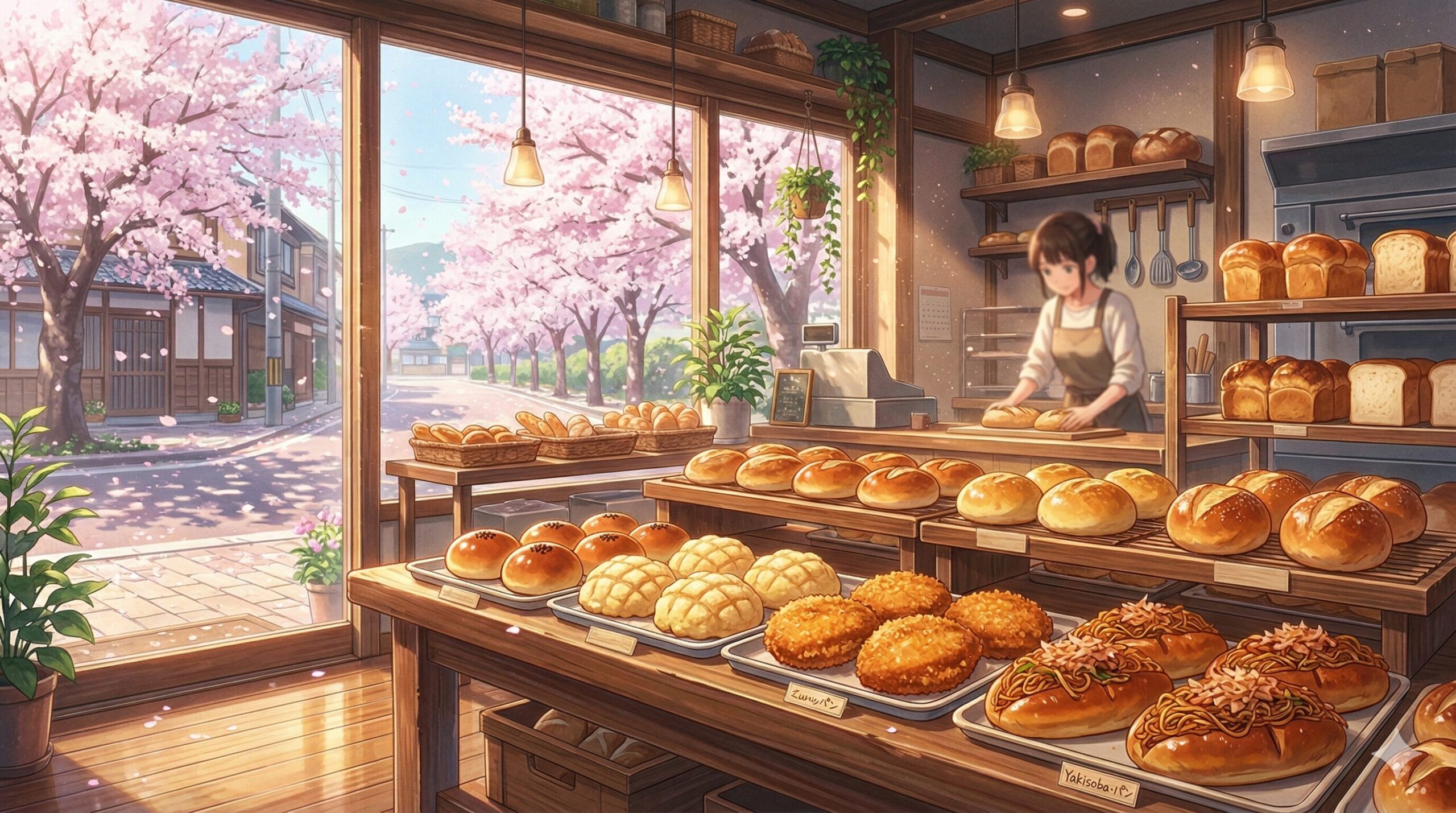
Bread is loved all over the world, but in Japan, a country where rice has traditionally been the staple food, how did bread spread and undergo its own unique evolution? April 12th is “Bread Anniversary,” a day of immense significance in the history of Japanese food culture. In this article, we will explore the origins of this anniversary and delve into how Japanese people absorbed Western food culture to create “Japanese bread,” a unique culinary phenomenon unlike anything else in the world.
Egawa Hidetatsu and the Birth of “Military Bread”
The story begins on April 12, 1842 (the 13th year of the Tenpo era), towards the end of the Edo period. Egawa Hidetatsu, a local governor in Nirayama (present-day Izunokuni City, Shizuoka Prefecture), baked the first authentic bread in Japan. This event is the origin of the “Bread Anniversary.”
At that time, Japan was feeling a strong sense of crisis due to the approach of foreign ships, and coastal defense was an urgent necessity. Egawa Hidetatsu believed that lighting a fire to cook rice during wartime carried a high risk of being discovered by the enemy. He ordered the production of “military bread” (similar to hardtack) because it was highly portable, had a long shelf life, and could be eaten without using fire. In other words, the history of bread in Japan did not begin with a glamorous Western bakery culture, but as a “military ration” for strict national defense.
Why was Bread Made in a Rice-Eating Culture?
Bread had actually been introduced to Japan by the Portuguese in the 16th century, but it disappeared due to the country’s isolationist policies and the suppression of Christianity. Egawa Hidetatsu turned his attention back to bread because he was a progressive intellectual with a strong interest in Western military science and technology. He did not simply imitate; he baked a unique hard bread suitable for Japan’s climate and situations that could be preserved for a long time. Even today, he is highly respected and known as the “Founder of Bread” in Japan.
The Galapagos-like Evolution of “Japanese Bread Culture”
When Japan opened its doors to the world in the Meiji era, bread began to spread from military rations to ordinary dining tables. However, Japanese people did not just eat Western bread as it was. This is where Japan’s unique ability to “arrange foreign cultures” exploded.
The Birth of Anpan: The Pinnacle of Japanese-Western Fusion
The creation of “Anpan” in 1874 by the Kimura-ya bakery in Tokyo was the biggest revolution in the history of Japanese bread. This product, which wrapped “red bean paste” (a traditional Japanese sweet) in bread dough, brilliantly fused Western bread with Japanese confectionery. Furthermore, instead of using Western yeast, they used “sakadane” (a starter used to make sake) to ferment the bread, resulting in a flavor that perfectly matched the Japanese palate. Anpan was even presented to Emperor Meiji, acting as a catalyst for the spread of bread consumption throughout Japan.
The Unique Evolution of Savory and Sweet Breads
Following the success of Anpan, Japanese bread underwent its own unique evolution. Deep-fried bread filled with curry (“Curry Pan”), bread topped with cookie dough (“Melon Pan”), and bread stuffed with stir-fried noodles (“Yakisoba Pan”)—original breads rarely seen in overseas bakeries were created one after another. These are called “Kashi-pan” (sweet breads) and “Sozai-pan” (savory breads), and they are now indispensable in Japanese food culture. This historical background is the reason why foreign tourists are amazed by the variety and high quality of bread when they visit Japanese convenience stores and bakeries.
Understanding Japan’s “Cultural Arrangement Power” through Bread
The “Bread Anniversary” on April 12 is not just a food anniversary. It is a day that symbolizes “flexible acceptance and the pursuit of originality,” which is the core of Japanese culture.
Since ancient times, Japanese people have excelled at adopting foreign cultures and technologies, and improving and developing them to suit their own lifestyles and preferences. Just as they created Hiragana and Katakana from Chinese characters, they wrapped Western bread in a “Japanese heart” and established it as a completely new food culture. Knowing the history of the evolution of Japanese bread is a fascinating approach to understanding the spirituality and cultural formation of the Japanese people.
What is Your “Best Japanese Bread”?
Thanks to its historical background and the inquiring minds of artisans, Japanese bread has grown into a unique food culture that Japan can boast to the world. If you ever have the opportunity to visit Japan, please drop by a small local bakery. There, you will find the “Japanese culture” that started with Egawa Hidetatsu’s challenge in 1842 and continues to evolve today.
Now, after reading this article, do you want to try Japanese bread? What kind of Japanese bread are you most interested in or love the most? Please share your thoughts and experiences!
Related Information:
- For more Japanese anniversaries and events: What’s Today’s Special Day Series
- Learn more about the history of Egawa Hidetatsu, the Founder of Bread: Egawa-tei (Important Cultural Property) Official Website
4月12日は「パンの記念日」!日本で初めてパンが焼かれた歴史的な日
世界中で愛されているパンですが、米を主食としてきた日本において、パンはどのようにして広まり、そして独自の進化を遂げてきたのでしょうか。4月12日は、日本の食文化の歴史において非常に重要な意味を持つ「パンの記念日」です。今回は、この記念日の由来から、日本人がいかにして西洋の食文化を吸収し、世界に類を見ないユニークな「日本のパン」を創り出してきたのかを詳しく紐解いていきます。
江川英龍と「兵糧パン」の誕生
時は江戸時代末期の1842年(天保13年)4月12日。静岡県伊豆の国市にある韮山(にらやま)の代官であった江川英龍(えがわ ひでたつ)が、日本で初めて本格的にパンを焼きました。これが「パンの記念日」の由来です。
当時、日本は外国船の接近に危機感を抱いており、沿岸防備が急務となっていました。江川英龍は、戦争時に火を炊いて米を炊くのは敵に発見されるリスクが高いと考え、携帯に便利で日持ちが良く、火を使わずにそのまま食べられる「兵糧パン(乾パンのようなもの)」の製造を命じました。つまり、日本のパンの歴史は、西洋の華やかなベーカリー文化からではなく、厳しい国防のための「軍用食」として幕を開けたのです。
なぜ米食文化の日本でパンが作られたのか?
それ以前にも、16世紀にポルトガル人によってパンは日本に伝来していましたが、鎖国政策やキリスト教弾圧の影響により、一度は姿を消していました。江川英龍が再びパンに目を向けたのは、彼が西洋の兵学や科学に強い関心を持つ先進的な知識人であったからです。彼は単なる模倣に留まらず、日本の気候や状況に合わせて、長期間保存が可能な硬いパンを独自に焼き上げました。彼は現在でも「パン祖(パンの祖)」と呼ばれ、敬意を集めています。
日本独自の進化を遂げた「日本のパン文化」
明治時代に入り、日本が世界に向けて門戸を開くと、パンは軍用食から一般の食卓へと広がり始めました。しかし、日本人はただ西洋のパンをそのまま食べるだけではありませんでした。ここから、日本特有の「異文化アレンジ力」が爆発します。
あんパンの誕生:和洋折衷の極み
1874年(明治7年)、東京の「木村屋」が開発した「あんパン」は、日本のパンの歴史における最大の革命です。パン生地の中に、日本の伝統的な甘味である「小豆のあんこ」を包み込んだこの商品は、西洋のパンと日本の和菓子を見事に融合させたものでした。さらに、パンを発酵させる際に西洋のイースト菌ではなく、日本酒を作る際に使われる「酒種」を使用したことで、日本人の味覚に完璧にマッチするパンが誕生しました。あんパンは明治天皇にも献上され、日本全国にパン食が普及する起爆剤となりました。
惣菜パンと菓子パンのガラパゴス的進化
あんパンの成功を皮切りに、日本のパンは独自の進化を遂げます。カレーを包んで揚げた「カレーパン」、クッキー生地を乗せて焼いた「メロンパン」、焼きそばをパンに挟んだ「焼きそばパン」など、海外のベーカリーではお目にかかれない独創的なパンが次々と生み出されました。これらは「菓子パン」や「惣菜パン」と呼ばれ、今や日本の食文化において欠かせない存在です。海外の観光客が日本のコンビニエンスストアやベーカリーを訪れ、その種類の豊富さとクオリティの高さに驚愕するのは、この歴史的背景があるからです。
パンから読み解く、日本の「異文化アレンジ力」
4月12日の「パンの記念日」は、単なる食べ物の記念日ではありません。これは、日本文化の核心である「柔軟な受容と独自性の追求」を象徴する日です。
日本人は古くから、海外の文化や技術を取り入れ、それを自分たちの生活や好みに合わせて改良・発展させることに長けていました。漢字からひらがな・カタカナを生み出したように、西洋のパンを「和の心」で包み込み、全く新しい食文化として確立させたのです。日本のパンの進化の歴史を知ることは、日本人の精神性や文化の成り立ちを理解する上で非常に興味深いアプローチと言えます。
あなたにとっての「最高の日本のパン」は何ですか?
日本のパンは、歴史的な背景と職人たちの探求心によって、世界に誇る独自の食文化へと成長しました。もしあなたが日本を訪れる機会があれば、ぜひ街の小さなベーカリーに立ち寄ってみてください。そこには、1842年の江川英龍の挑戦から始まり、現在に至るまで進化を続ける「日本の文化」が並んでいます。
さて、この記事を読んで、日本のパンを食べてみたくなりましたか?あなたが一番興味を持った、あるいは一番好きな日本のパンは何ですか?ぜひ、あなたの考えや体験をシェアしてください。
関連情報:
- 日本のその他の記念日や出来事についてはこちら:今日は何の日シリーズ
- パン祖・江川英龍の歴史について詳しく知る:重要文化財 江川邸 公式サイト


コメント