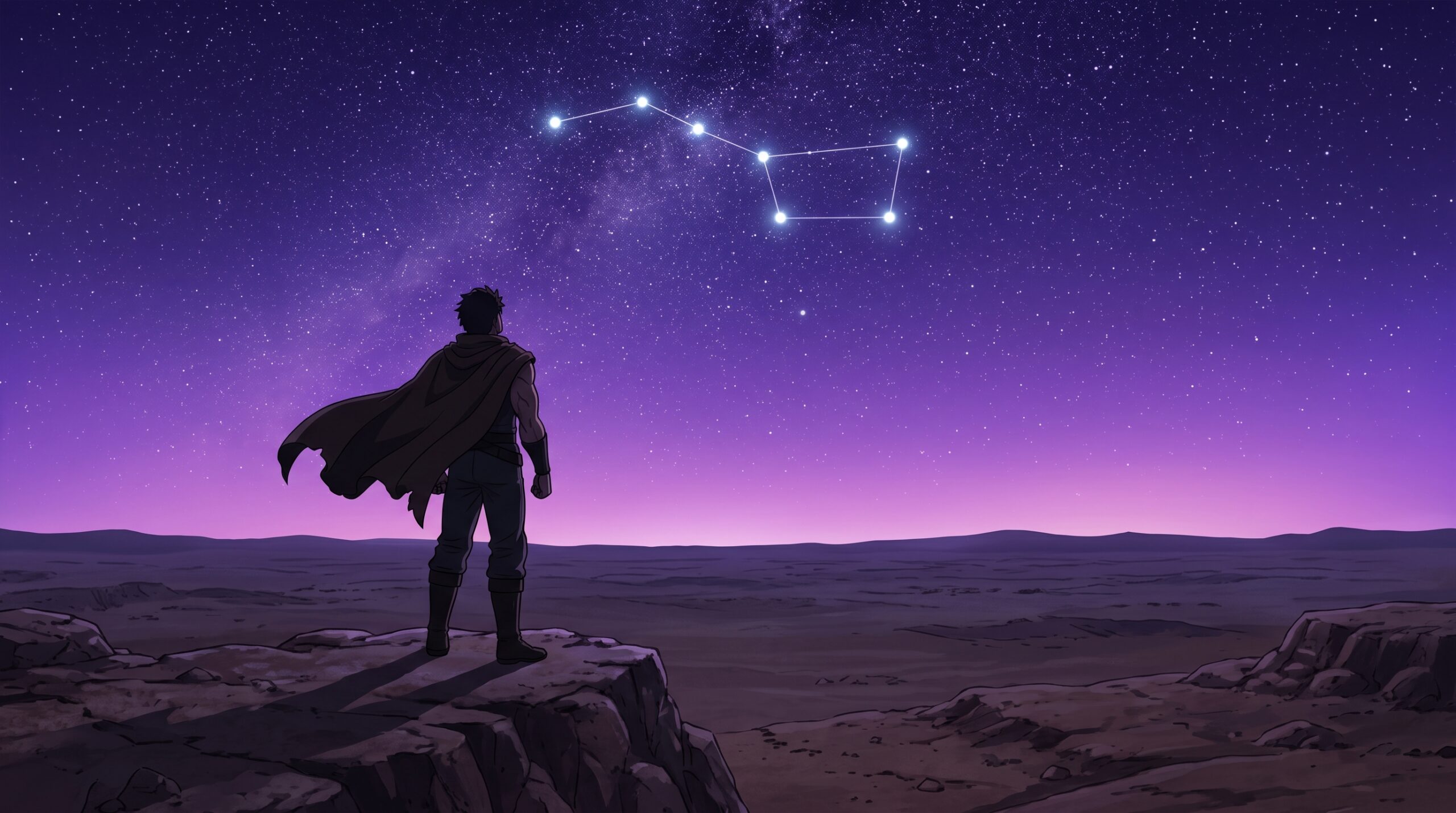
On September 13, 1983, a monumental work that would forever change the history of Japanese pop culture and global animation began serialization in Weekly Shonen Jump. That work was “Fist of the North Star” (Hokuto no Ken). Set in the year “199X,” where the world is engulfed in nuclear flames and civilization has collapsed, this epic tale goes far beyond a simple action manga, continuing to enthral fans worldwide. This date marks an important anniversary, challenging us to question what true strength is in a world ruled by power and violence.
History and Culture: The Spirit of the “Samurai” in a World of Despair
At first glance, the post-apocalyptic world of “Fist of the North Star” appears chaotic and violently lawless. However, flowing deep beneath its surface is the profoundly Japanese spirit of “Bushido” (The Way of the Warrior). The protagonist, Kenshiro, is the successor of the ultimate assassination art, “Hokuto Shinken,” yet he never uses his power for selfish desires. He constantly sheds tears for the weak and risks his life to protect those he loves.
This perfectly aligns with the classic heroic structure of the “Ronin” (masterless samurai) in Japanese history, who wandered the provinces following their own sense of justice to defeat evil. The philosophy that those with immense power must use it for “compassion” is a virtue that has long been revered in Japanese history.
Eastern Medicine and Tales of Destiny: The Cultural Background of Hokuto Shinken
A deeper analysis of this work reveals a strong reflection of traditional Japanese culture and Eastern philosophy. “Keiraku Hiko” (hidden channeling points), the core of Hokuto Shinken, is an ultimate elevation of the concept of pressure points in traditional Eastern medicine. The idea of manipulating the “Qi” (life energy) flowing through the human body to destroy or heal from within is rooted in the unique Eastern view of life, based on the harmony of nature and the philosophy of Yin and Yang.
Furthermore, the “Big Dipper” (Hokuto Shichisei) shining in the night sky has been a guidepost for navigators since ancient times, and in Eastern astrology, it is the constellation that governs human death and destiny. The seven scars carved into Kenshiro’s chest symbolize the harsh fate he bears. His figure, standing up for love and never running from his destiny even in desperate situations, projects the “Resilience” of the Japanese people, who have overcome natural disasters and historical hardships time and time again.
“Giri and Ninjo” Passed Down to the Modern Age
Imagine this episode: People wander the wasteland having lost everything. In a world where a single drop of water is worth more than gold, a man offers his own food to a starving child. The man is rugged and speaks few words, but his back radiates overwhelming kindness. This is exactly “Giri to Ninjo” (duty and compassion), which the Japanese have cherished since ancient times. It is not superficial kindness, but deep affection accompanied by self-sacrifice. Kenshiro’s journey powerfully depicts this essential love for humanity—something we in the modern age are beginning to forget—through fierce battles.
How Would You Live?
If you were thrown into an unreasonable world where only physical strength decided everything, what would you do? Would you succumb to fear and lose yourself, or could you, like Kenshiro, hold fast to your “compassion for others” until the very end? On this anniversary, please share your thoughts on what true strength means to you.
For more insights into Japanese culture and anniversaries, please visit:
What’s Today’s Special Day Series
Reference (External Link):
Fist of the North Star (Wikipedia)
9月13日「北斗の拳の日」:荒野に咲く日本の武士道と慈愛
1983年9月13日、日本のポップカルチャー史に永遠に刻まれる金字塔が『週刊少年ジャンプ』で産声を上げました。それが『北斗の拳』(Fist of the North Star)です。核の炎に包まれ、文明が崩壊した「199X年」を舞台にしたこの壮大な物語は、単なるアクション漫画の枠を超え、世界中のファンを熱狂させ続けています。この日は、力と暴力が支配する世界において、真の強さとは何かを問いかける「北斗の節」とも言える重要な記念日です。
歴史と文化:絶望の世界に描かれる「サムライ」の精神
『北斗の拳』が描くポストアポカリプスの世界観は、一見すると無秩序で暴力的に見えます。しかし、その根底に流れているのは極めて日本的な「武士道(Bushido)」の精神です。主人公のケンシロウは、一子相伝の暗殺拳「北斗神拳」の伝承者でありながら、決して私利私欲のためにその力を使用しません。彼は常に弱者のために涙を流し、愛する者を守るために自らの命を懸けます。
これは、かつての日本に存在した「浪人(主君を持たない侍)」が、己の義と信念に従って諸国を放浪し、悪を討つという古典的な英雄譚の構造と完全に一致しています。強大な力を持つ者が、その力を「慈愛」のために使うという哲学は、日本の歴史において長く尊ばれてきた美徳です。
東洋医学と運命の物語:北斗神拳の文化的背景
この作品を深く読み解くと、日本の伝統文化や東洋の思想が色濃く反映されていることがわかります。北斗神拳の核となる「経絡秘孔(けいらくひこう)」は、東洋医学における「ツボ」の概念を究極的に昇華させたものです。人間の体内を流れる「気」を操り、内側から破壊する、あるいは治癒するという設定は、自然界の調和や陰陽思想に基づく東洋特有の生命観に根ざしています。
さらに、夜空に輝く「北斗七星(Big Dipper)」は、古来より航海者の道標であり、東洋の星占いでは人間の死や運命を司る星とされてきました。ケンシロウの胸に刻まれた七つの傷は、彼が背負う過酷な宿命を象徴しています。絶望的な状況下であっても、運命から逃げず、愛のために立ち向かう彼の姿には、自然災害や歴史的な困難を何度も乗り越えてきた日本人の「不屈の精神(Resilience)」が投影されているのです。
現代に語り継がれる「義理と人情」
あるエピソードを想像してみてください。全てを失い、荒野を彷徨う人々。水の一滴が黄金よりも価値を持つ世界で、一人の男が自らの食料を飢えた子供に差し出します。男は無骨で言葉数も少ないですが、その背中は圧倒的な優しさを放っています。これこそが、日本人が古くから大切にしてきた「義理と人情(Giri to Ninjo)」です。表面的な優しさではなく、自己犠牲を伴う深い愛情。ケンシロウの旅は、現代の私たちが忘れかけているこの本質的な人間への愛を、荒々しい戦いを通じて力強く描き出しています。
あなたなら、どう生きますか?
力だけが全てを決める理不尽な世界に投げ出されたとき、あなたならどうしますか?恐怖に屈して己を見失うのか、それともケンシロウのように、心の中にある「他者への慈愛」を最後まで貫き通すことができるでしょうか。この記念日を機に、真の強さとは何か、ぜひあなたの考えを教えてください。
関連する記念日や文化については、こちらのカテゴリーもご覧ください:
What’s Today’s Special Day Series
Reference (External Link):
北斗の拳 (Wikipedia – Japanese)
コメント