- May 30: The Day Japan Ensured the Survival of Its Historical Treasures
- The Catalyst: The Tragic Fire at Horyu-ji Temple
- Japan’s Unique Approach: Preserving “Spirit and Skill” over “Form”
- The Philosophy of Impermanence (Mujou): Beauty in Fragility
- Explore Deeper
- A Question for You
- 5月30日、日本の歴史的至宝が法によって守られた日
- 法制定の引き金となった「法隆寺金堂壁画焼損事件」
- 日本独自の概念:「形」ではなく「心と技」を残す無形文化財
- 無常観と日本文化:壊れるからこそ美しい
- さらに深く知るために
- あなたに問いかけたいこと
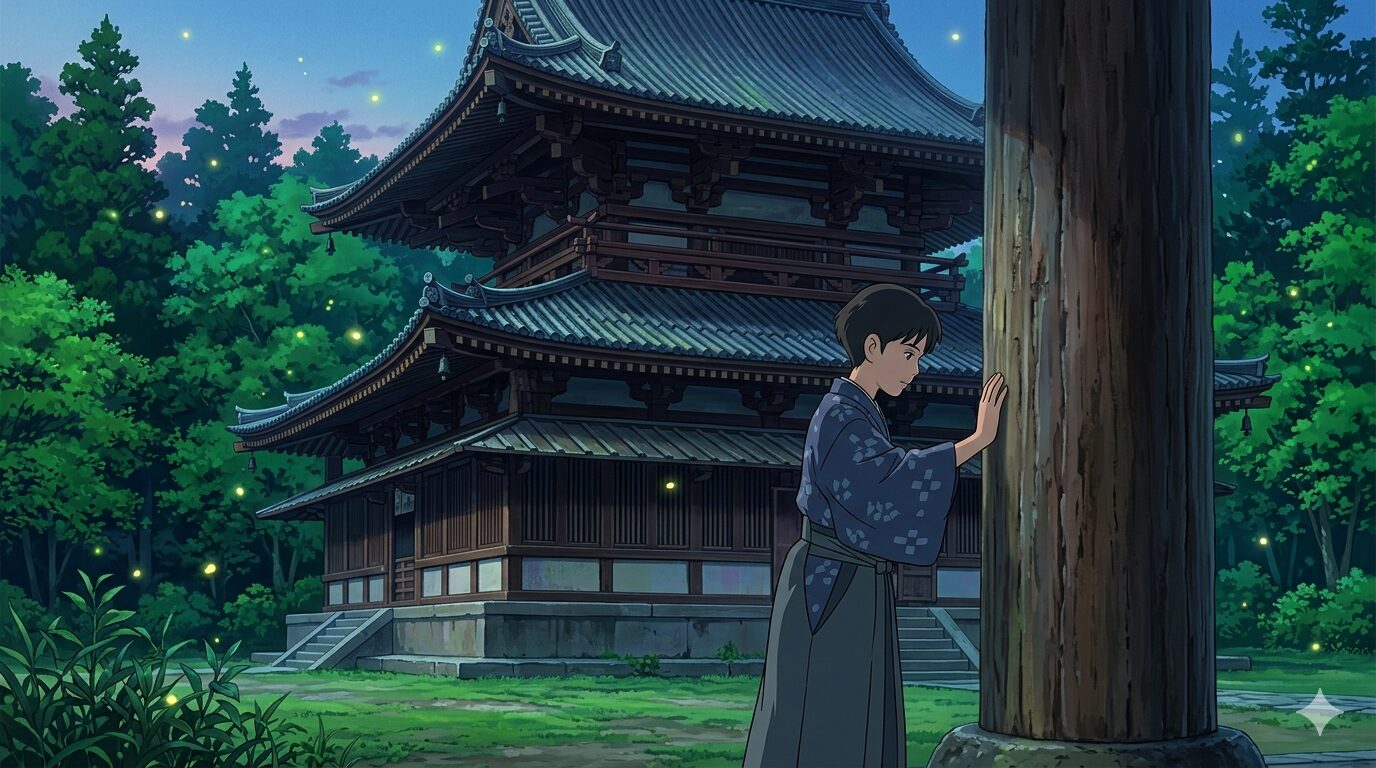
May 30: The Day Japan Ensured the Survival of Its Historical Treasures
Every year on May 30th, Japan observes the “Law for the Protection of Cultural Properties Promulgation Day.” Enacted in 1950, this critical legislation established a comprehensive national framework to preserve and pass down Japan’s invaluable historical heritage. When international travelers visit Kyoto, Nara, or small countryside shrines and feel the profound “breath of ancient Japan,” they are not merely experiencing an accident of time. These treasures exist today—spanning hundreds or thousands of years—due to this specific law and the extraordinary dedication of the people behind it.
However, the birth of this magnificent law was triggered by a profound national tragedy. It is a defining moment that anyone who loves cultural heritage must never forget.
The Catalyst: The Tragic Fire at Horyu-ji Temple
Let us step back to January 26, 1949. A disastrous fire broke out in the Golden Hall (Kondo) of Horyu-ji Temple, the world’s oldest surviving wooden structure and the crown jewel of Asuka-period architecture. In this blaze, world-renowned 7th-century polychrome murals were tragically scorched and destroyed. For the Japanese people, who were in the midst of post-war recovery, this loss brought immeasurable despair.
Prior to this, Japan had several preservation laws, but the system was fragmented and woefully inadequate for comprehensive protection. Driven by a fierce determination to ensure that the tragedy of Horyu-ji would never be repeated, the Japanese government consolidated all heritage systems. The following year, the “Law for the Protection of Cultural Properties” was born, armed with powerful authority and dedicated national budgets.
Japan’s Unique Approach: Preserving “Spirit and Skill” over “Form”
What makes Japan’s cultural protection law globally unique and highly advanced is its focus on “intangible” heritage. Many Western historical sites are constructed of stone, making physical preservation the primary focus. In contrast, Japanese architecture is traditionally made of wood and paper. In Japan’s humid, disaster-prone climate, wooden structures inevitably decay and face a constant risk of fire.
Therefore, rather than merely attempting to freeze a physical building in time, Japan places immense value on preserving the techniques required to build and restore it. This is the concept of “Intangible Cultural Properties.” The law birthed the system of recognizing “Preservers of Important Intangible Cultural Properties”—commonly known as “Living National Treasures” (Ningen Kokuho). Whether it is pottery, textile dyeing, Washi papermaking, or traditional performing arts like Kabuki and Noh, the philosophy is clear: Even if the physical object is lost, as long as the master’s skills survive, the culture can be reborn. This is the true resilience of Japanese heritage.
The Philosophy of Impermanence (Mujou): Beauty in Fragility
At the root of this preservation effort lies the uniquely Japanese philosophy of “Mujou” (impermanence)—the understanding that all things change and nothing maintains its physical form forever. You can see this in “Kintsugi,” the art of repairing broken pottery with lacquer dusted in powdered gold, embracing flaws rather than hiding them. You also see it in “Shikinen Sengu” at Ise Jingu, where the entire shrine complex is meticulously rebuilt from scratch every 20 years using ancient techniques.
The Japanese way is not to lock old artifacts in glass cases, but to integrate them into life, repair them when they break, and pass the craftsmanship to the next generation. May 30th is not just the anniversary of a legal document; it is a day to reaffirm how the spiritual essence of Japan is transmitted to the future.
Explore Deeper
To learn more about Japan’s ongoing preservation efforts and to view the official registries of National Treasures, you can visit the Agency for Cultural Affairs official website.
For more insights into beautiful Japanese anniversaries and seasonal events, please explore other articles in the What’s Today’s Special Day Series on this blog.
A Question for You
We currently live in a highly digitized era where tangible things are consumed and discarded instantly. Yet, just as the Japanese have fiercely protected their arts for over a millennium, there are always “values” worth preserving with time and passion. After reading this, what is one physical tradition, artifact, or personal belief from your own culture that you would fight to preserve for the next 1,000 years? Please share your thoughts.
【5月30日】灰の中から蘇る日本の魂:文化財保護法公布記念日と「永遠」の美学
5月30日、日本の歴史的至宝が法によって守られた日
毎年5月30日は、「文化財保護法公布記念日」です。1950年(昭和25年)のこの日、日本の貴重な歴史的遺産を国家として本格的に保護・継承するための法律「文化財保護法」が公布されました。日本を訪れる海外の旅行者が、京都や奈良、あるいは地方の小さな神社仏閣で感じる「古き良き日本の息吹」は、自然にそこにあるわけではありません。この法律と、それを支える人々の並々ならぬ努力によって、何百年、何千年という時を超えて現代に受け継がれているのです。
しかし、この素晴らしい法律が生まれた背景には、日本中を深い悲しみに包んだ一つの「悲劇」が存在しました。文化財を愛するすべての人にとって、決して忘れてはならない出来事です。
法制定の引き金となった「法隆寺金堂壁画焼損事件」
時間を1949年(昭和24年)1月26日に巻き戻しましょう。世界最古の木造建築であり、飛鳥時代の美の結晶である法隆寺の金堂から出火するという大惨事が起きました。この火災により、世界的な傑作とされていた7世紀の極彩色壁画が、無残にも黒焦げになってしまったのです。戦後の復興期を生きる日本国民にとって、この喪失は計り知れない絶望をもたらしました。
当時の日本には、史蹟名勝天然紀念物保存法や国宝保存法など、いくつかの保護法が存在していましたが、制度はバラバラで、総合的な保護には不十分でした。法隆寺の悲劇を二度と繰り返してはならない。その強い決意のもと、すべての文化財保護制度を一つにまとめ、強力な権限と予算を持たせた「文化財保護法」が翌年に誕生したのです。
日本独自の概念:「形」ではなく「心と技」を残す無形文化財
日本の文化財保護法が世界的に見ても非常にユニークで優れている点は、「目に見えないもの」を保護の対象にしたことです。西洋の遺跡の多くは石で造られており、「物理的な形」をそのまま保存することが中心です。しかし、日本の建築物の多くは「木と紙」でできています。日本の気候において、木造建築は必ず腐敗し、火災のリスクに常に晒されています。
そこで日本では、建物を物理的に残すこと以上に、「建物を造る・直すための技術」を後世に伝えることを重視しました。これが「無形文化財」という概念です。陶芸、染織、和紙作り、そして歌舞伎や能などの伝統芸能。これらの高度な技術を持つ人物を国が認定する「重要無形文化財保持者」、いわゆる「人間国宝」の制度は、この法律によって生まれました。「モノ」が失われても、「技」があれば再び生み出すことができる。これが日本の文化継承の強靭さです。
無常観と日本文化:壊れるからこそ美しい
この文化財保護の根底には、日本特有の「無常(Mujou)」という哲学が流れています。すべてのものは移り変わり、永遠に形をとどめるものはないという思想です。茶碗が割れた際、漆と金で美しく修復する「金継ぎ(Kintsugi)」の文化や、20年に一度、神殿を完全に新しく建て替える伊勢神宮の「式年遷宮(Shikinen Sengu)」も、この思想に基づいています。
古いものをただガラスケースに入れて保存するのではなく、生活の中で使い、壊れたら直し、技術を伝承していく。文化財保護法公布記念日は、単なる法律の記念日ではなく、「日本の精神性をどう未来へ繋ぐか」を確認する日なのです。
さらに深く知るために
日本の文化財保護の取り組みや、実際に指定されている国宝・重要文化財のリストについては、文化庁の公式ウェブサイトで詳細を確認することができます。
また、日本の美しい記念日や季節の行事については、当ブログのWhat’s Today’s Special Day Seriesカテゴリーから他の記事もぜひお楽しみください。
あなたに問いかけたいこと
私たちは今、すべてがデジタル化され、形あるものがすぐに消費される時代を生きています。しかし、日本人が千年以上守り抜いてきたように、時間と情熱をかけて守るべき「価値」は必ず存在します。この記事を読んで、あなたは自分の国や地域のどんな伝統、あるいは自分自身のどんな信念を、1000年後の未来に残したいと思いますか?ぜひ、あなたの考えを聞かせてください。


コメント