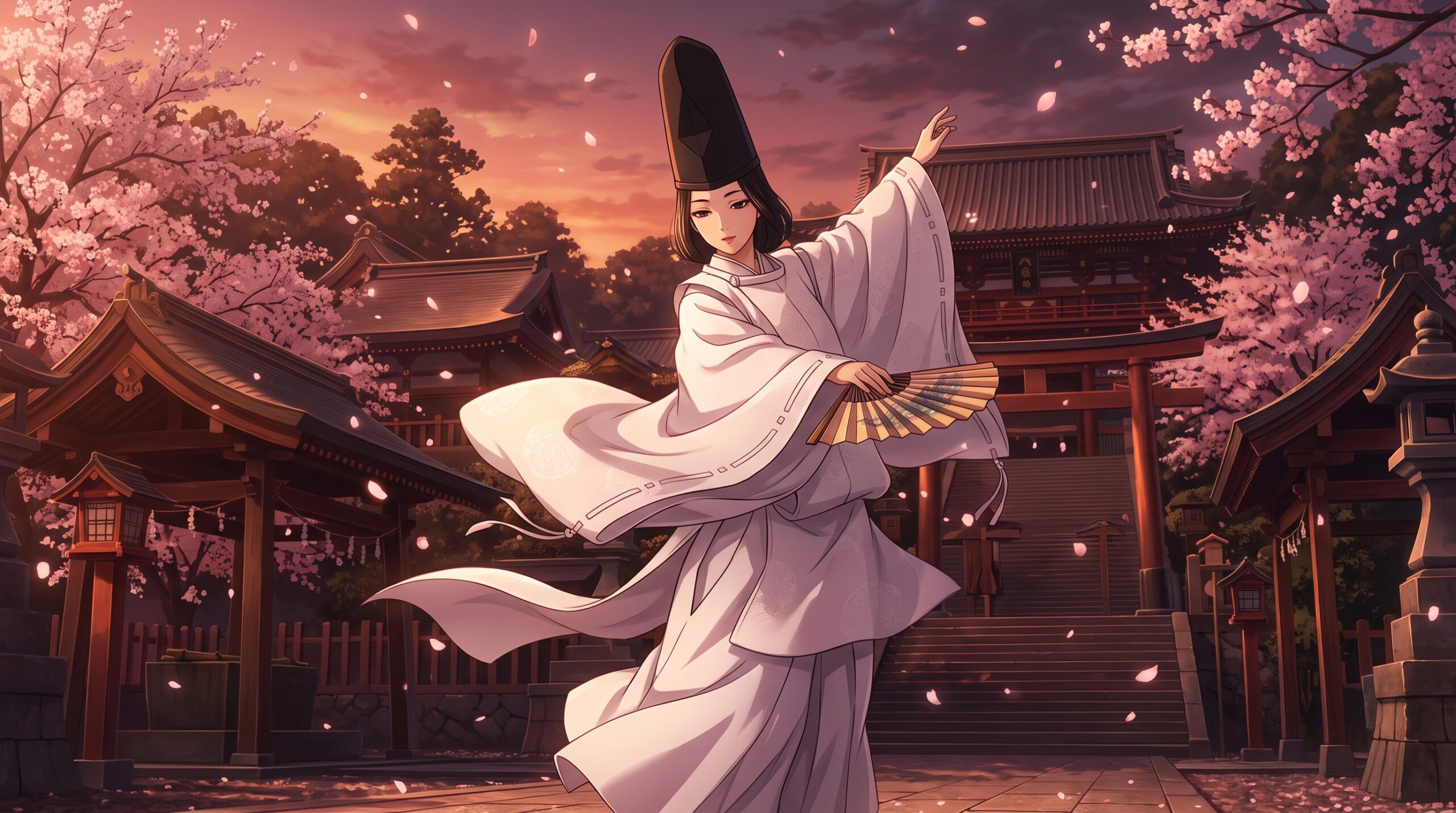
Welcome to another deep dive into the profound and captivating history of Japan. Here at kiri53.com, we explore the fascinating, beautifully mysterious, and sometimes heartbreaking stories that have shaped this island nation. Japanese history is not merely a sequence of political changes; it is a rich tapestry woven with the fierce pride of warriors, the delicate aesthetics of the imperial court, and the unwavering devotion of those who lived through times of chaos. Today, we focus on the late 12th century—a time when elegance collided with brutal warfare—to tell the story of Shizuka Gozen, a woman whose beauty, artistic brilliance, and tragic romance remain etched in the soul of Japan.
Her life perfectly encapsulates the traditional Japanese aesthetic of Mono no aware—the gentle, wistful sadness at the transience of things. To understand Shizuka Gozen is to understand a crucial turning point in Japanese culture, where the pen and the sword fought for supremacy, and where a single dancer stood up to the most powerful military dictator in the country. For further historical context on this fascinating era, you can explore the detailed archives of the Genpei War on Wikipedia.
- The Twilight of the Heian Court and the Dawn of the Samurai
- Who was Shizuka Gozen? The Elite Art of the Shirabyoshi
- The Meeting of Two Legends: Shizuka and Yoshitsune
- A Tragic Romance: The Desperate Flight to Mount Yoshino
- The Defiant Dance at Tsurugaoka Hachimangu Shrine
- The Heartbreaking Aftermath and the Eternal Japanese Spirit
- 日本の歴史の魅惑的なミステリー:愛と悲劇、そして白拍子
- 平安朝の黄昏と武士の夜明け
- 静御前とは何者だったのか?白拍子のエリート芸術
- 二つの伝説の出会い:静と義経
- 悲劇のロマンス:吉野山への決死の逃避行
- 鶴岡八幡宮での反骨の舞
- 悲痛な結末と永遠の日本精神
The Twilight of the Heian Court and the Dawn of the Samurai
To truly comprehend the magnitude of Shizuka Gozen’s life, we must first set the stage. The late 12th century was a violent and decisive transition period in Japan. For nearly four hundred years, the imperial court in Kyoto had reigned supreme during the Heian period. It was an era of unprecedented artistic, poetic, and literary achievement. Courtiers lived in a highly refined, secluded world where political power was often determined by one’s ability to compose complex poetry, appreciate the scent of incense, and navigate intricate romantic affairs.
However, real military and economic power had gradually shifted away from these sheltered aristocrats and into the hands of the provincial warrior class: the samurai. This shift culminated in the Genpei War (1180–1185), a devastating nationwide conflict between two rival samurai clans—the Taira (Heike) and the Minamoto (Genji). As the samurai fought ruthlessly for absolute political dominance, the capital of Kyoto became a nexus of shifting allegiances and sudden betrayals. It was in this complex, dangerous world—caught between the fading elegance of courtly life and the brutal reality of the sword—that Shizuka Gozen rose to unprecedented fame.
Who was Shizuka Gozen? The Elite Art of the Shirabyoshi
Shizuka Gozen was not a princess, nor was she a female warrior. She was a Shirabyoshi, an elite and highly respected class of female court dancers, musicians, and entertainers. It is crucial to understand that Shirabyoshi were not ordinary entertainers. They were highly educated women, deeply versed in classical literature, complex waka poetry, and esoteric Buddhist philosophy. During the late Heian and early Kamakura periods, they were the ultimate trendsetters, fashion icons, and independent artists.
Their performances were visually striking and deeply symbolic. Shirabyoshi danced wearing the pristine white robes (suikan) and tall black hats (eboshi) that were typically reserved for high-ranking male courtiers. They often carried a traditional samurai sword as part of their attire. By adopting male court dress, they blurred the lines of gender and projected an aura of mystical authority. Their dances often served as sacred prayers to Shinto and Buddhist deities for peace, rain during a drought, or divine protection. Shizuka was renowned throughout Kyoto as the absolute greatest Shirabyoshi of her time. Legends state that during a severe national drought, the Emperor called upon 100 Shirabyoshi to dance for rain. When 99 failed, Shizuka stepped forward. Her dancing was so exquisitely beautiful and spiritually potent that the heavens immediately opened, bringing life-saving rain to the capital.
The Meeting of Two Legends: Shizuka and Yoshitsune
It was this unparalleled artistic talent, sharp intelligence, and breathtaking physical beauty that captured the heart of Minamoto no Yoshitsune. Yoshitsune was the brilliant, highly charismatic, and ultimately tragic military genius who had just led the Minamoto clan to a decisive victory over the Taira clan. He was the greatest hero of the Genpei War, beloved by the people and respected by the Emperor. Together, the greatest dancer of the age and the greatest warrior of the age formed a passionate bond that would soon be tested by the cruelest of circumstances.
A Tragic Romance: The Desperate Flight to Mount Yoshino
Despite his heroic victories that single-handedly secured power for his clan, Yoshitsune soon fell completely out of favor with his older brother, Minamoto no Yoritomo. Yoritomo, who was establishing Japan’s first permanent samurai government (the Kamakura Shogunate), viewed Yoshitsune’s immense popularity and military brilliance as a direct threat to his authority. Driven by political paranoia, Yoritomo declared his own brother an outlaw. The great hero Yoshitsune was forced to flee Kyoto, hunted by the very men he had once commanded.
Shizuka, deeply and unconditionally in love, abandoned her luxurious life in the capital to follow Yoshitsune into exile. Their desperate escape took them south, past the ancient capital of Nara. For those traveling or living near the Kizugawa area today, the geography of their tragic flight feels remarkably close. They fled deep into the harsh, freezing, and treacherous mountains of Mount Yoshino during the dead of winter.
The deep snow and rugged terrain proved too dangerous for a woman unaccustomed to such extreme physical hardship. Recognizing that she would likely freeze to death, Yoshitsune made the agonizing decision to send her back to Kyoto. They parted ways at Mount Yoshino, exchanging cherished keepsakes—he gave her a mirror, and she gave him a small drum. They shared heartbreaking poems of farewell in the freezing snow. This would be the last time they ever laid eyes on each other. Shortly after their tearful separation, Shizuka was betrayed by her guides, captured by mountain monks loyal to Yoritomo, and sent under heavy guard as a high-profile political prisoner to the warrior capital of Kamakura.
The Defiant Dance at Tsurugaoka Hachimangu Shrine
It is in Kamakura that Shizuka Gozen cemented her place as an immortal legend of Japanese history. Brought before the terrifying supreme commander Minamoto no Yoritomo and his formidable wife, Hojo Masako, Shizuka was subjected to hostile interrogation. During this time, it was discovered that she was pregnant with Yoshitsune’s child. Yoritomo, knowing her legendary reputation, commanded her to perform a celebratory dance for the newly established shogunate at the sacred Tsurugaoka Hachimangu Shrine. He intended to use her performance to publicly demonstrate his absolute dominance over his brother.
This was a life-or-death test. To refuse the direct order of the most powerful military dictator in Japan meant certain execution. But to sing songs of praise to Yoritomo was a betrayal of her own soul and the man she loved. On the day of the performance, Shizuka stepped onto the wooden stage, dressed flawlessly in the pure white robes of a Shirabyoshi. Hundreds of fierce, battle-hardened Kamakura samurai watched in silence.
Instead of bowing to power, Shizuka performed a breathtakingly beautiful and overwhelmingly sorrowful dance. Looking directly into the eyes of the man hunting her lover, she boldly sang a famous poem of desperate longing for Yoshitsune:
“Shizu ya shizu, Shizu no odamaki kurikaeshi, Mukashi wo ima ni nasu yoshi mogana.”
(Like the thread winding around the spool, would that I could wind back the past, to the days when my love was here and the world was right.)
The samurai audience was stunned by her sheer audacity. Yoritomo was humiliated and enraged, ordering her execution. However, his powerful wife, Hojo Masako, was profoundly moved by Shizuka’s unwavering loyalty and pure love. Masako boldly intervened, stating to her husband that had she been in Shizuka’s place, she would have done the exact same thing. Thanks to Masako’s intercession, Shizuka’s life was spared from immediate execution.
The Heartbreaking Aftermath and the Eternal Japanese Spirit
Tragedy, however, had not finished with Shizuka Gozen. Months later, when she gave birth to a baby boy, Yoritomo’s ruthless retainers immediately seized the infant. A male heir carrying Yoshitsune’s blood was deemed too dangerous to live, and the baby was tragically drowned at the nearby Yuigahama beach. Shizuka, a shattered and grieving mother whose heart had been entirely broken by the cruelties of war, was finally allowed to return to Kyoto.
She never danced again. She shaved her beautiful hair, became a humble Buddhist nun, and spent the brief remainder of her life praying devotedly for the souls of Yoshitsune (who was eventually cornered and forced to commit seppuku) and her murdered child. She passed away shortly after, still in her early twenties, fading away like a fragile cherry blossom in the wind.
Shizuka Gozen defied the most powerful military dictator of her time, armed only with her art, her dignity, and her unyielding heart. Her dance at Kamakura remains one of the most powerful symbols of passive resistance, artistic integrity, and eternal love in all of Japanese history. She teaches us that while power and violence may rule the physical world, it is love, loyalty, and art that conquer eternity.
For more deep dives into the fascinating, beautiful, and sometimes sorrowful history of Japan, and to uncover the deeply rooted culture that continues to enchant the world, please continue exploring kiri53.com.
日本の歴史の魅惑的なミステリー:愛と悲劇、そして白拍子
深く、そして心を奪われる日本の歴史を探求する旅へようこそ。ここkiri53.comでは、この島国を形作ってきた、魅力的で、美しくもミステリアスな、そして時には胸を締め付けられるような物語を探求しています。日本の歴史は単なる政治的変遷の連続ではありません。それは武士たちの激しい誇り、朝廷の繊細な美意識、そして混沌の時代を生き抜いた人々の揺るぎない献身によって織りなされた豊かなタペストリーなのです。今日私たちは、優雅さと残酷な戦争が衝突した12世紀後半に焦点を当て、その美しさ、芸術的才能、そして悲劇的なロマンスが日本の魂に刻み込まれている女性、静御前の物語をお届けします。
彼女の生涯は、物事の移り変わりに対する優しくも切ない悲哀を意味する「もののあわれ」という日本の伝統的な美意識を完璧に体現しています。静御前を理解することは、ペン(筆)と剣が覇権を争い、一人の舞手が国内で最も強力な軍事独裁者に立ち向かった、日本文化の重要な転換点を理解することでもあります。この魅力的な時代の歴史的背景についてさらに詳しく知りたい方は、Wikipediaの源平合戦(治承・寿永の乱)のアーカイブをご覧ください。
平安朝の黄昏と武士の夜明け
静御前の生涯の重大さを真に理解するためには、まず舞台背景を知る必要があります。12世紀後半は、日本において暴力的で決定的な移行期でした。およそ400年もの間、京都の朝廷は平安時代を通じて至上の権力を握っていました。それは前例のない芸術的、詩的、そして文学的な成果の時代でした。貴族たちは高度に洗練された閉鎖的な世界に住み、そこでは政治的権力はしばしば、複雑な和歌を詠む能力、香の香りを楽しむ教養、そして複雑な恋愛事情を立ち回る能力によって決定されていました。
しかし、実質的な軍事的・経済的権力は、温室育ちの貴族たちから、地方の武士階級へと徐々に移っていきました。この変化は、平家と源氏という2つの対立する武家氏族間の全国的な壊滅的紛争である源平合戦(1180〜1185年)で頂点に達しました。武士たちが絶対的な政治的支配をめぐって無情に争う中、首都・京都は忠誠心の移ろいと突然の裏切りの中心地となりました。宮廷生活の薄れゆく優雅さと剣の残酷な現実の間に挟まれたこの複雑で危険な世界で、静御前はかつてない名声を博したのです。
静御前とは何者だったのか?白拍子のエリート芸術
静御前は姫君でも、女武者でもありませんでした。彼女は「白拍子」と呼ばれる、高く尊敬されていたエリート階級の女性宮廷舞踏家、音楽家、そして芸能者でした。白拍子が単なる芸人ではなかったことを理解することは非常に重要です。彼女たちは高度な教育を受けた女性であり、古典文学、複雑な和歌、そして密教哲学に深く精通していました。平安時代末期から鎌倉時代初期にかけて、彼女たちは究極のトレンドセッターであり、ファッションアイコンであり、自立した芸術家だったのです。
彼女たちのパフォーマンスは視覚的に際立っており、深い象徴性を持っていました。白拍子は通常、高位の男性廷臣が着用する真っ白な水干と高い黒烏帽子を身に着けて舞いました。彼女たちはしばしば伝統的な日本刀を装束の一部として帯びていました。男性の宮廷衣装を取り入れることで、彼女たちは性別の境界線を曖昧にし、神秘的な権威のオーラを放っていました。彼女たちの舞はしばしば、平和、干ばつ時の雨、あるいは神の庇護を神道や仏教の神々に祈るための神聖な祈りとしての役割を果たしました。静は、当時の京都で絶対的な最高の白拍子として都中にその名を轟かせていました。伝説によれば、全国的な深刻な干ばつの際、天皇が100人の白拍子に雨乞いの舞を命じました。99人が失敗した後、静が前に出ました。彼女の舞はあまりにも絶妙に美しく、精神的な力に満ちていたため、すぐに天が開き、首都に命を救う雨をもたらしたと言われています。
二つの伝説の出会い:静と義経
源義経の心を捉えたのは、この比類のない芸術的才能、鋭い知性、そして息を呑むような肉体的な美しさでした。義経は、源氏を平家に対する決定的な勝利へと導いたばかりの、聡明で非常にカリスマ性があり、最終的には悲劇的な運命を辿る軍事的悲劇の天才でした。彼は源平合戦の最大の英雄であり、民衆に愛され、天皇からも尊敬されていました。当代随一の舞手と当代随一の武将は共に情熱的な絆を築きましたが、それは間もなく最も残酷な状況によって試されることになります。
悲劇のロマンス:吉野山への決死の逃避行
一族の権力を単独で確固たるものにした英雄的な勝利にもかかわらず、義経は間もなく兄である源頼朝の完全な不興を買うことになります。日本初の恒久的な武家政権(鎌倉幕府)を設立しようとしていた頼朝は、義経の絶大な人気と軍事的才能を自身の権威に対する直接的な脅威と見なしました。政治的な猜疑心に駆られた頼朝は、実の弟を無法者と宣言しました。大英雄である義経は、かつて自分が指揮した男たちに追われ、京都を逃れることを余儀なくされました。
深く無条件に彼を愛していた静は、都での贅沢な生活を捨て、義経の亡命に同行しました。彼らの決死の逃避行は南へ、古都奈良を過ぎていきました。現在、木津川周辺を旅行したり生活したりしている人々にとって、彼らの悲劇的な逃避行の地理は驚くほど身近に感じられます。彼らは真冬の死の寒さの中、過酷で凍てつく危険な吉野山の奥深くへと逃げ込みました。
深い雪と険しい地形は、そのような極度の肉体的苦難に慣れていない女性にはあまりにも危険でした。彼女が凍死する可能性が高いと悟った義経は、彼女を京都へ送り返すという苦渋の決断を下しました。二人は吉野山で別れ、彼からは手鏡を、彼女からは鼓という大切にしていた形見を交換しました。彼らは凍てつく雪の中で胸を締め付けられるような別れの和歌を共有しました。これが、二人が生きて顔を合わせる最後となりました。涙ながらの別離の直後、静は案内人に裏切られ、頼朝に忠誠を誓う山伏たちに捕らえられ、厳重な警備の下、重要政治犯として武士の都である鎌倉へ送られたのです。
鶴岡八幡宮での反骨の舞
静御前が日本の歴史において不滅の伝説としての地位を確立したのは、この鎌倉においてでした。恐るべき最高司令官・源頼朝とその強力な妻・北条政子の前に引き出された静は、敵意に満ちた尋問を受けました。この間に、彼女が義経の子を身ごもっていることも発覚しました。彼女の伝説的な評判を知っていた頼朝は、新設された幕府のために神聖な鶴岡八幡宮で祝いの舞を披露するよう命じました。彼は彼女のパフォーマンスを利用して、弟に対する自らの絶対的な優位性を公に示そうと企んだのです。
これは生か死かの試練でした。日本で最も権力のある軍事独裁者の直接の命令を拒否すれば確実な処刑を意味します。しかし、頼朝を讃える歌を歌うことは、彼女自身の魂と愛する男への裏切りとなります。パフォーマンスの当日、静は白拍子の純白の装束を完璧に着こなし、木の舞台に立ちました。何百人もの猛烈で歴戦の鎌倉武士たちが沈黙の中で見守っていました。
権力にひれ伏す代わりに、静は息を呑むほど美しく、そして圧倒的に悲しい舞を披露しました。恋人を追い詰めている張本人の目を真っ直ぐに見つめ、彼女は義経への切実な思いを込めた有名な和歌を堂々と歌い上げたのです。
「しづやしづ しづのおだまき くり返し 昔を今に なすよしもがな」
(倭文の布を織る麻糸を巻いた糸玉から糸が繰り出されるように、どうか昔を今にする方法があってほしいものだ。私の愛する人がここにいて、世界が正しかったあの頃へ。)
武士の観衆は彼女の真の勇敢さに呆然としました。頼朝は屈辱を感じ激怒し、処刑を命じました。しかし、彼の強力な妻である北条政子は、静の揺るぎない忠誠心と純粋な愛に深く感動していました。政子は大胆にも介入し、もし自分が静の立場であったなら、全く同じことをしただろうと夫に言い放ちました。政子のとりなしのおかげで、静は即座の処刑を免れたのです。
悲痛な結末と永遠の日本精神
しかし、悲劇は静御前を解放してはいませんでした。数ヶ月後、彼女が男の子を出産すると、頼朝の冷酷な家臣たちは即座にその赤子を奪い取りました。義経の血を引く男の跡継ぎは生かしておくには危険すぎると判断され、赤子は近くの由比ヶ浜で悲劇的にも沈められました。戦争の残酷さによって心を完全に打ち砕かれ、悲嘆に暮れる母となった静は、ようやく京都へ戻ることを許されました。
彼女が再び舞うことはありませんでした。彼女は美しい髪を下ろしてつましい仏門に入り、短い余生を、義経(最終的には追い詰められ自害に追い込まれました)と殺された我が子の魂を熱心に弔うことに捧げました。彼女はその後間もなく、20代前半の若さで、風に散る儚い桜のように亡くなりました。
静御前は、自らの芸術と尊厳、そして決して屈しない心だけを武器に、当時最も権力を持っていた軍事独裁者に立ち向かいました。鎌倉での彼女の舞は、日本の歴史全体において、受動的抵抗、芸術家の誠実さ、そして永遠の愛の最も強力な象徴の一つとして残り続けています。権力や暴力が物理的な世界を支配するかもしれないが、永遠を征服するのは愛と忠誠心、そして芸術なのだと、彼女は私たちに教えてくれます。
魅力的で、美しく、そして時には悲しい日本の歴史をさらに深く探求し、世界を魅了し続ける深く根付いた文化を明らかにするために、引き続きkiri53.comをご覧ください。

コメント