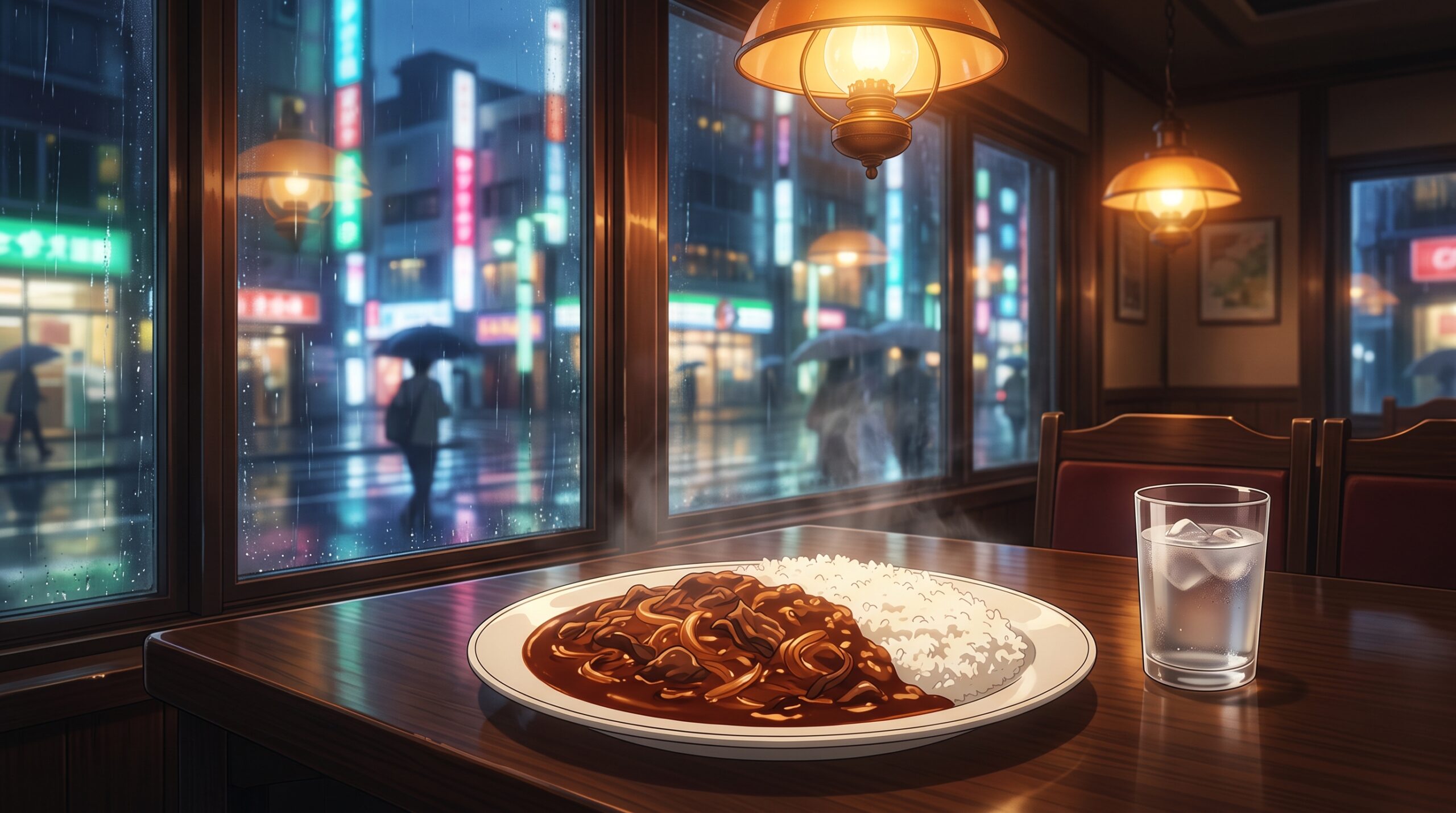
When traveling to Japan, many international visitors expect to eat sushi, ramen, and tempura. However, to truly understand the essence of Japanese food culture, you must experience a unique culinary category known as “Yoshoku” (Western-influenced Japanese cuisine). September 8th marks the anniversary of one of the most representative dishes of this culture: Hayashi Rice. This day is not just a celebration of a meal, but a historical milestone that demonstrates how Japan embraced Western culture and elevated it to become its own.
The Birth of Hayashi Rice and the History of Yuteki Hayashi
The reason September 8th was established as “Hayashi Day” stems from the birthday of Yuteki Hayashi, the founder of Maruzen, a major Japanese bookstore and stationery company. He was born on September 8, 1837 (Tenpo 8). This commemorative day, established by Maruzen Junkudo Bookstores, pays homage to the man widely considered to be the inventor of Hayashi Rice.
Yuteki Hayashi was not merely a businessman. He was a medical doctor and a scholar of Western studies who was active from the end of the Edo period through the Meiji era. Known as a pupil of Yukichi Fukuzawa, a prominent thinker of modern Japan, Hayashi contributed significantly to Japan’s Westernization and modernization. Following the Meiji Restoration, the Japanese government began promoting meat consumption—which had been banned for centuries—to improve the physical stature of its citizens. It is said that while working at a hospital and after founding Maruzen, Hayashi served his friends and patients a highly nutritious dish made by stewing beef and vegetables. This “stewed beef served with rice” gained immense popularity and became known as “Hayashi Rice” (Hayashi’s Rice) after his name. This remains one of the most compelling theories of the dish’s origin.
[Story] The Magic of the Black Sauce Found in a Ginza Back Alley
Let’s unravel what Japanese Yoshoku is truly about through a story set on an autumn day.
Alex, a traveler from the United States, was walking down the bustling main streets of Ginza, Tokyo. His mind was filled with images of the beautiful seafood bowls and steaming tonkotsu ramen he had seen in his guidebooks. Suddenly, a cold autumn rain began to fall, forcing him to dart into a narrow alleyway for shelter. There, he discovered a small “Kissaten” (a retro Japanese diner/cafe) with a faded brick exterior and a glowing amber lamp.
Upon opening the door, he was greeted by the rich aroma of roasted coffee intertwined with the deep, sweet, and savory scent of beef simmered in red wine. It was slightly different from the smells of a traditional Western restaurant—somehow more nostalgic and comforting. The menu was entirely in Japanese, but drawn to the sight of the white-haired master carefully stirring a large pot behind the counter, Alex simply pointed at whatever was being made.
Minutes later, a plate was set before him: a bed of pristine white rice generously covered in a glossy, dark brown sauce. Submerged within the sauce were thin slices of beef and caramelized onions. “Hayashi Rice,” the master smiled.
The moment Alex took a bite with his spoon, his eyes widened. The sauce had the profound richness and red wine notes of a classic French demi-glace, but it spread across his palate with a gentle tomato acidity and a subtle sweetness perfectly calibrated to complement the rice. It wasn’t the beef stew he knew, nor was it a curry. It was an entirely new fusion of “Wa” (Japanese) and “Yo” (Western). Through this single plate, Alex realized that Japan’s culinary culture wasn’t limited to traditional washoku; it possessed the “ultimate craftsmanship” to deconstruct and perfectly rebuild foreign dishes to suit the Japanese palate.
Understanding the Spirit of “Wakon Yosai” through Hayashi Rice
Hayashi Rice perfectly embodies the Japanese spirit of “Wakon Yosai.” This concept means “maintaining the Japanese spirit while acquiring Western techniques and knowledge.”
During the Meiji era, Japan pushed for rapid Westernization, but they did not merely imitate the West blindly. They adjusted Western beef stew with soy sauce, mirin, and a secret touch of ketchup to make it pair flawlessly with rice, slicing the beef thinly so it could be easily eaten with chopsticks or a spoon. The “Yoshoku” born from this process evolved uniquely into dishes like Omurice (omelet rice), Tonkatsu (breaded pork cutlet), and Fried Shrimp, which are now beloved as Japanese soul food.
To eat Hayashi Rice is to taste the history of Japan’s modernization. This dish, where Western sauce meets Japanese rice, represents the national character of flexibly embracing foreign cultures and arranging them into something even better, served right on a plate.
To You, Who Read This Article
Were you able to feel the depth of Japan’s “Yoshoku” culture? If you have the opportunity to travel to Japan next time, please try visiting not only high-end sushi restaurants but also the retro Yoshoku diners and Kissaten on the street corners. Another authentic taste of Japan, evolved over 100 years, is waiting for you there.
Have you ever seen a dish from your own country transformed into something completely new and delicious in another? If you were to eat Hayashi Rice in Japan, what kind of drink would you like to enjoy it with? Please let us know your thoughts and experiences in the comments!
Reference Links
- Maruzen Yushodo Co., Ltd. Official Site (The History of Hayashi Rice)
- Read more from the What’s Today’s Special Day Series
9月8日はハヤシの日:日本の洋食文化と丸善創業者・早矢仕有的の物語
日本へ旅行する際、多くの海外旅行者は寿司、ラーメン、天ぷらを食べることを期待しています。しかし、日本の食文化の真髄を深く理解するためには、「洋食(Yoshoku)」と呼ばれる独自の料理カテゴリーを体験しなければなりません。9月8日は、その洋食文化の代表格である「ハヤシライス」の記念日、「ハヤシの日」です。この日は、単なる料理の記念日ではなく、日本が西洋の文化をどのように受け入れ、自国の文化として昇華させていったかを示す歴史的な一日でもあります。
ハヤシライスの誕生と早矢仕有的の歴史
9月8日が「ハヤシの日」に制定された理由は、日本の大手書店であり文具店でもある「丸善」の創業者、早矢仕有的(はやし・ゆうてき)の誕生日が1837年(天保8年)9月8日であることに由来します。丸善ジュンク堂書店が制定したこの記念日は、ハヤシライスの考案者とされる彼に敬意を表したものです。
早矢仕有的は、単なる実業家ではありませんでした。彼は幕末から明治時代にかけて活躍した医師であり、蘭学者でもありました。近代日本の啓蒙思想家である福沢諭吉の弟子としても知られ、日本の西洋化と近代化に大きく貢献した人物です。明治維新後、日本政府は国民の体格向上のため、長年禁止されていた肉食を推奨し始めました。有的は、病院に勤めていた頃や丸善を創業した後、友人や患者たちに栄養価の高い牛肉と野菜を煮込んだ料理を振る舞ったとされています。この「牛肉の煮込みにご飯を添えた料理」が評判を呼び、彼の名をとって「ハヤシライス(早矢仕のライス)」と呼ばれるようになったというのが、最も有力な説の一つです。
【ストーリー】銀座の路地裏で出会った、黒いソースの魔法
日本の洋食がどのようなものか、ある秋の日の物語を通して紐解いてみましょう。
アメリカから日本を訪れた旅行者、アレックスは、東京・銀座の賑やかな大通りを歩いていました。彼の頭の中は、ガイドブックで見た美しい海鮮丼や、湯気を立てる豚骨ラーメンでいっぱいでした。しかし、突然の冷たい秋雨に見舞われ、彼は雨宿りのために細い路地へと駆け込みました。そこで彼が見つけたのは、色あせたレンガ造りの外観と、琥珀色のランプが灯る小さな「喫茶店(Kissaten)」でした。
ドアを開けると、焙煎されたコーヒーの香ばしい香りと共に、赤ワインと牛肉が深く煮込まれた、甘く重厚な香りが漂ってきました。それは西洋のレストランで嗅ぐ香りとは少し違う、どこか懐かしく温かい香りでした。メニューは日本語ばかりで読めませんでしたが、カウンターの奥で白髪のマスターが丁寧に鍋をかき混ぜている姿に惹かれ、アレックスは彼が作っているものを指差しました。
数分後、アレックスの目の前に現れたのは、真っ白なご飯の上に、艶やかな焦げ茶色のソースがたっぷりとかけられた一皿でした。ソースの中には、薄切りの牛肉と飴色になった玉ねぎが沈んでいます。「ハヤシライスです」とマスターは微笑みました。
スプーンですくい、一口食べた瞬間、アレックスは目を見開きました。フランス料理のデミグラスソースのような深いコクと赤ワインの風味がありながら、トマトの酸味と、ご飯に絶妙に合うほのかな甘みが口いっぱいに広がったのです。それは、彼が知っているビーフシチューでもなく、カレーでもない、全く新しい「和」と「洋」の融合でした。アレックスは、日本の食文化が伝統的な和食だけではなく、異国の料理を完璧なまでに自分たちの味覚に合わせて再構築する「究極の職人技」を持っていることに、この一皿を通して気づいたのです。
ハヤシライスから読み解く「和魂洋才」の精神
ハヤシライスは、日本の「和魂洋才(Wakon Yosai)」という精神を完璧に体現しています。和魂洋才とは、「日本の精神を保ちつつ、西洋の技術や知識を受け入れる」という意味です。
明治時代、日本は急速な西洋化を推し進めましたが、西洋のものをそのまま模倣するだけではありませんでした。西洋のビーフシチューをご飯に合うように醤油やみりん、隠し味のケチャップで調整し、箸やスプーンで食べやすいように肉を薄切りにしました。こうして生まれた「洋食」は、オムライス、とんかつ、エビフライといった形で独自の進化を遂げ、今では日本の国民食として愛されています。
ハヤシライスを食べることは、日本の近代化の歴史を味わうことと同義です。西洋のソースと日本の米が出会ったこの料理は、異文化を柔軟に受け入れ、より良くアレンジしていく日本人の国民性を皿の上に表現したものなのです。
この記事を読んだあなたへ
日本の「洋食」文化の奥深さを感じていただけたでしょうか?もし次に日本へ旅行する機会があれば、高級な寿司店だけでなく、街角にあるレトロな洋食屋や喫茶店を訪れてみてください。そこには、100年以上かけて進化してきたもう一つの日本の味が待っています。
あなたは、自国の料理が他国で全く新しい美味しい料理に生まれ変わっているのを見たことがありますか?もし日本でハヤシライスを食べるなら、どのような飲み物と一緒に楽しみたいですか?ぜひ、あなたの考えや体験をコメントで教えてください。


コメント