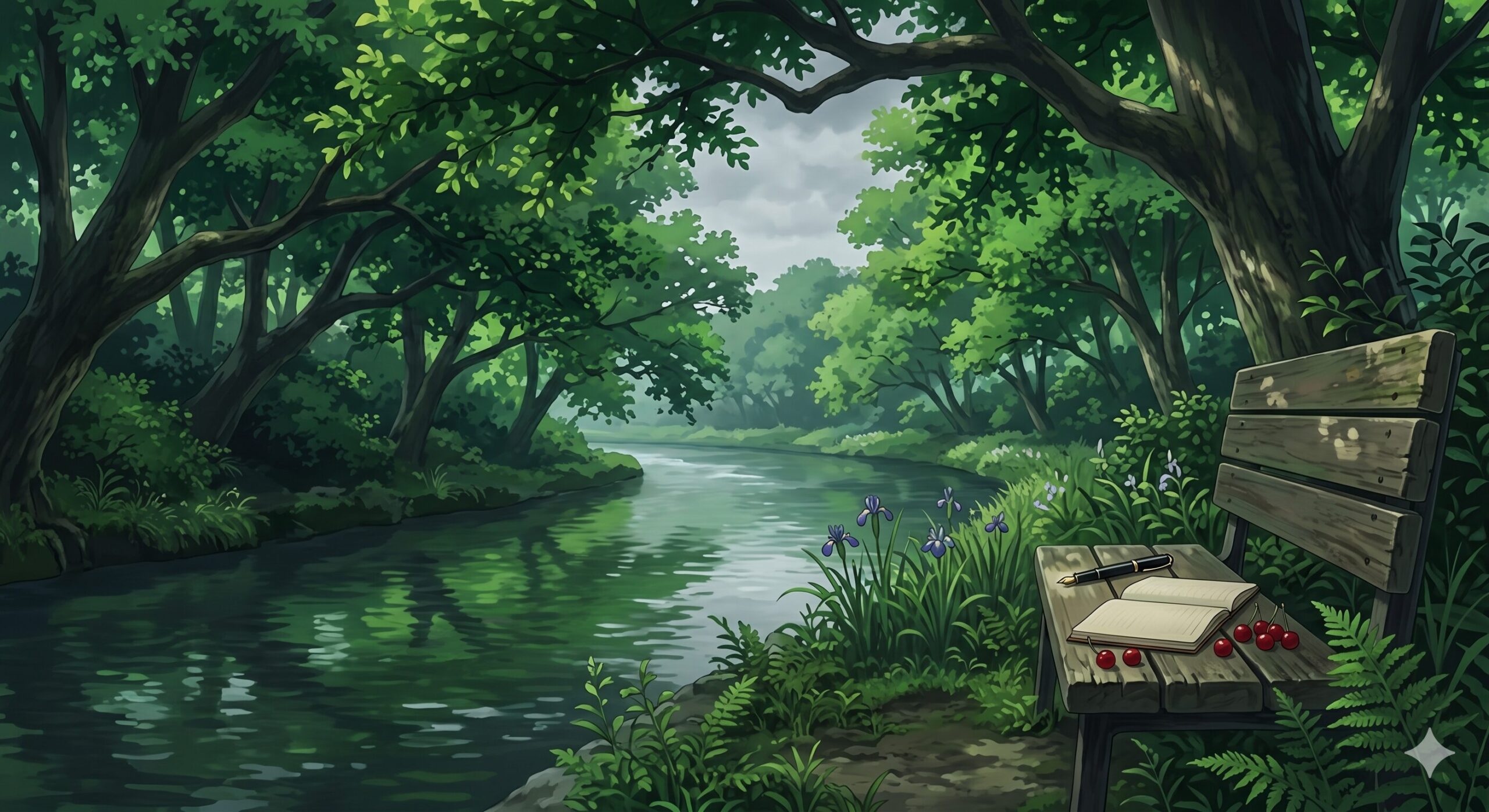
On June 13, 1948, Osamu Dazai, one of the most important and enigmatic writers in modern Japanese literature, disappeared along the Tamagawa Jousui canal in Tokyo with his lover, Tomie Yamazaki. This day is etched in history as the moment the Japanese literary world suffered an eternal shock.
At the time, Dazai had just finished writing his masterpiece and final work, No Longer Human, as well as Goodbye. Amidst deteriorating health due to tuberculosis, complex personal relationships, and the extreme pressure of being a celebrated author, he made the decision to end his life. Their bodies were discovered six days later, on June 19. Coincidentally, this day was Dazai’s 39th birthday, and it was subsequently named “Outouki” (Cherry Harvest Memorial) after a specialty fruit from his hometown in Aomori Prefecture. Even today, countless fans from around the world visit his grave on this day every year to remember his short yet brilliantly intense life.
Japanese Culture and the Literary Lineage of “Shinju”
Dazai’s final act cannot be dismissed merely as a personal tragedy. To deeply understand it, one must examine the unique Japanese cultural concept of “Shinju” (lovers’ suicide), specifically the historical context of lovers choosing to die together.
During the Edo period, playwright Chikamatsu Monzaemon wrote numerous puppet theater plays (Joruri), such as The Love Suicides at Sonezaki. He beautifully depicted lovers, bound by societal rules and obligations that prevented them from being together in life, vowing to unite in the afterlife. Traditional Japanese views on life and death often treat death not as a “complete end,” but as a “purification” or a “transition to the next dimension.” Dazai’s literature heavily reflects this destructive aesthetic, and there is a cultural background in Japan that ended up accepting his death as the grand “final chapter” of his own life’s narrative.
While perhaps difficult to comprehend through a Western lens, in Japanese literary history, a self-destructive lifestyle and high art have often been closely intertwined. Swept up in the wave of modernization and a rapidly changing Japanese society, Dazai harbored a fundamental anxiety—the feeling that he was “disqualified as a human being”—and he unapologetically sublimated this pain into his writing. His drowning can be seen as the ultimate embodiment of his own literary thesis.
Dazai’s Soul Lives On in Modern Society
Decades have passed since Osamu Dazai left this world, yet his works have not faded in the slightest. On the contrary, his translated novels have become bestsellers overseas, and he continues to gain younger generations of readers through modern Japanese pop culture (such as hit anime series featuring characters inspired by him).
Why does his literature transcend time and borders to strike a chord in people’s hearts? Because the themes he depicted—despair at communicating with others, the suffocating nature of societal peer pressure, and the profound loneliness of having to play the “clown” to survive—are the exact, universal pains we face daily in our modern digital society. He thoroughly dissected his own weaknesses, leaning in sharply yet gently to ask the reader, “Aren’t you actually suffering like this, too?”
What Do You Think?
Osamu Dazai sublimated his profound agony of not fitting into society into the art of literature. However, the price he paid was his life itself.
In the midst of today’s intense changes and pressures, if you felt a strong sense of alienation from society or the deep loneliness of “being different” from those around you, how would you express your voice to the world? Would you entrust your feelings to art, as Dazai did? Or would you search for a different path?
Please take a moment to reflect on your own thoughts and choices.
Reference Links
- Internal Link: What’s Today’s Special Day? Series (Find more anniversaries and historical events here)
1948年6月13日:日本文学の異端児・太宰治が玉川上水に消えた日
1948年(昭和23年)6月13日、日本の近代文学において最も重要で、最も謎めいた作家の一人である太宰治が、愛人の山崎富栄と共に東京の玉川上水へ姿を消しました。この日は、日本文学界に永遠の衝撃を与えた日として歴史に刻まれています。
太宰治は当時、自身の最高傑作であり、遺作となる『人間失格』と『グッド・バイ』の執筆を終えたばかりでした。結核による体調の悪化、複雑な人間関係、そして作家としての極限のプレッシャーの中、彼は自らの人生に終止符を打つ決断を下しました。二人の遺体が発見されたのは6日後の6月19日。奇しくもその日は太宰の39歳の誕生日であり、彼の故郷である青森の特産品にちなんで「桜桃忌(おうとうき)」と名付けられました。現在でも毎年この日には、世界中から多くのファンが彼の墓前を訪れ、その短くも鮮烈な生涯を偲んでいます。
日本文化と「心中」の文学的系譜
太宰治の最期を単なる悲劇として片付けることはできません。これを深く理解するためには、日本独自の文化的概念である「心中(しんじゅう)」、特に「情死(男女が合意の上で命を絶つこと)」の歴史を読み解く必要があります。
江戸時代、劇作家の近松門左衛門は『曽根崎心中』をはじめとする数々の浄瑠璃(人形劇)で、社会の掟や義理によって結ばれない恋人たちが、来世での結合を誓って命を絶つ姿を美しく描き出しました。日本の伝統的な死生観には、死を「完全なる終焉」ではなく「浄化」や「次の次元への移行」と捉える側面が存在します。太宰治の文学には、この破滅的な美学が色濃く反映されており、彼の死そのものが、彼自身の人生という壮大な物語の「最終章」として世間に受容されてしまったという文化的な背景があります。
西洋の価値観では理解しがたいかもしれませんが、日本の文学史において、自己破壊的な生き方と芸術はしばしば密接に結びついてきました。太宰は、近代化の波に飲み込まれ、変わりゆく日本社会の中で「自分は人間として失格しているのではないか」という根源的な不安を抱え、それを隠すことなく文字に昇華しました。彼の入水は、その文学的テーゼの究極の体現であったとも言えます。
現代社会に生き続ける太宰治の魂
太宰治が世を去ってから数十年が経過した現在でも、彼の作品は全く色褪せていません。それどころか、海外でも翻訳版がベストセラーとなり、日本の現代ポップカルチャー(例えば、彼をモチーフにしたキャラクターが登場する大ヒットアニメーション作品など)を通じて、若い世代の読者を獲得し続けています。
なぜ彼の文学は、時代や国境を越えて人々の心を打つのでしょうか。それは、彼が描いた「他者とのコミュニケーションへの絶望」「社会の同調圧力に対する息苦しさ」「道化を演じなければ生きていけない孤独」が、現代のデジタル社会において私たちが日々直面している普遍的な痛みそのものだからです。彼は自身の弱さを徹底的に解剖し、読者に対して「あなたも本当は、こんな風に苦しんでいるのではないか?」と優しく、そして鋭く寄り添います。
あなたはどう感じますか?
太宰治は、社会に適合できない自分自身の苦悩を文学という芸術に昇華させました。しかし、その代償は彼の命そのものでした。
現代の激しい変化とプレッシャーの中、もしあなたが社会に対して強い疎外感や「自分は周囲と違う」という孤独を感じたとき、あなたならその声をどのように世界へ表現しますか? 太宰のように芸術という形に思いを託すでしょうか。それとも、別の道を模索するでしょうか。
ぜひ、あなた自身の考えを振り返ってみてください。
参考リンク
- 内部リンク:What’s Today’s Special Day? Series(その他の記念日や歴史的出来事はこちら)
コメント