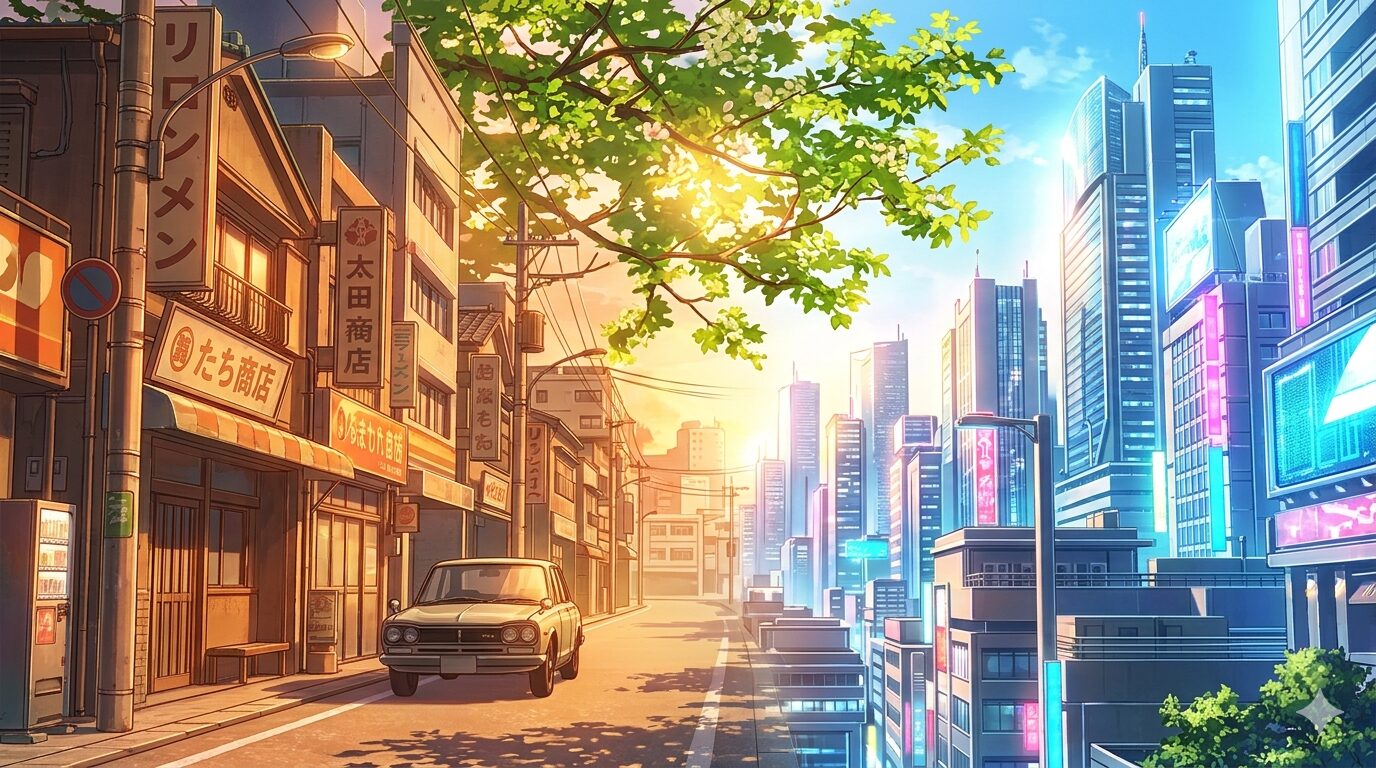
In Japan, the end of April marks the beginning of “Golden Week,” a series of national holidays filled with vibrant energy. The holiday that kicks off this festive season on April 29th is currently known as “Showa Day” (Showa no Hi). However, this specific date is incredibly unique, having changed its name and meaning multiple times alongside the course of Japanese history.
To truly understand Japan’s past, present, and its miraculous history of recovery, April 29th is an essential key. Let’s dive deep into the profound history of this day and its deep connection to Japanese culture.
The History and Evolution of April 29th: A Mirror of the Times
April 29th originally celebrated the birthday of Emperor Showa (Hirohito). National holidays in Japan strongly reflect the social climate and eras, and no other holiday has undergone as many name changes as this one.
- 1927–1948: Tenchosetsu
Celebrated as the Emperor’s Birthday, it was called “Tenchosetsu.” In pre-war Japan, it was positioned as a highly significant national festival. - 1949–1988: The Emperor’s Birthday
Following World War II, new laws were enacted, and the name was changed to the more approachable “Emperor’s Birthday.” As long as the Showa era continued, April 29th was a day of nationwide celebration. - 1989–2006: Greenery Day
With the passing of Emperor Showa in 1989 and the accession of the new Emperor (the current Emperor Emeritus), the official Emperor’s Birthday moved to December 23rd. However, to preserve this day as a crucial part of Golden Week, it was renamed “Greenery Day” in honor of Emperor Showa’s deep love for nature and biology. - 2007–Present: Showa Day
The law was revised again to create “Showa Day,” with the official purpose to “reflect on the Showa era, a time of turbulence and subsequent miraculous recovery, and to think about the nation’s future.” Consequently, “Greenery Day” was moved to May 4th, where it remains a national holiday today.
The Showa Era: Japan’s Miracle and the Roots of Retro Culture
The “Showa” era lasted for 64 years, from 1926 to 1989, making it the longest-running era in Japanese history. Understanding this era is synonymous with understanding the foundation of modern Japanese culture.
From the early to mid-Showa period, Japan experienced unprecedented devastation during World War II. However, its subsequent recovery was globally praised as the “Economic Miracle.” The hosting of the 1964 Tokyo Olympics, the launch of the Shinkansen (bullet train), and the global dominance of its high-quality electronics and automotive industries—all of these were achieved during the Showa era.
Furthermore, the cornerstones of Japanese Anime, Manga, and video game culture, which are beloved worldwide today, were built during this time. The music genre “City Pop,” which has recently seen an explosive surge in popularity among youth overseas, was also born in the late Showa period of the 1970s and 80s. Showa is not just past history; it is a fascinating cultural wellspring where the neon-lit cyberpunk image of modern Japan blends perfectly with a warm, analog sensibility.
The Japanese Sense of Time Embedded in “Gengo” (Eras)
A remarkable aspect of Japanese culture is the continued everyday use of a unique calendar system based on eras, known as “Gengo,” alongside the Gregorian calendar. Meiji, Taisho, Showa, Heisei, and the current Reiwa. Japanese people feel that the cultural atmosphere shifts with each new era, holding a unique nostalgia for each period.
“Showa Day” is more than just a day off from work. It is a day to look back on a turbulent 64 years—rising from ashes to become one of the world’s leading economic powers—and to pay respect to the value of peace and the immense efforts of past generations. It symbolizes an era that most powerfully demonstrated the Japanese spirit of blending ancient traditions with cutting-edge technology.
What Do You Think?
The history of a single holiday changing its name so many times to adapt to the waves of time is exceptionally rare. The energy of Showa Japan, which rose from ruins to achieve a miraculous recovery, is still very much alive in the cityscapes and pop culture of Japan today.
Does your country have a national holiday that symbolizes a historical turning point or a period of great recovery? If you visit Japan, wouldn’t you want to explore the “Showa Retro” back alleys that quietly remain at the foot of ultra-modern skyscrapers? Please share your thoughts and tell me what aspects of Japanese culture you would like to experience!
Related Links
- Internal Link: Read more from the “What’s Today’s Special Day?” Series
4月29日は何の日?「昭和の日」から読み解く日本の奇跡と文化の変遷
日本中が活気にあふれる大型連休「ゴールデンウィーク」。その幕開けを告げる4月29日は、現在「昭和の日」という国民の祝日として制定されています。しかし、この日は日本の歴史とともに、幾度もその名前と意味を変えてきた非常にユニークな日です。
日本の過去と現在、そして驚異的な復興の歴史を知る上で、4月29日は欠かせない鍵となります。この日が持つ深い歴史と、日本文化との繋がりを詳しく紐解いていきましょう。
4月29日の歴史と変遷:時代を映す鏡
4月29日は、もともと「昭和天皇の誕生日」でした。日本の祝日は時代や社会情勢を色濃く反映しており、この日ほど名称が変化した祝日は他にありません。
- 1927年〜1948年: 天長節(てんちょうせつ)
天皇の誕生日を祝う日として「天長節」と呼ばれていました。戦前の日本では、国家の非常に重要な祭日として位置づけられていました。 - 1949年〜1988年: 天皇誕生日
第二次世界大戦後、新しい法律が制定され、名称が親しみやすい「天皇誕生日」へと変更されました。昭和の時代が続く限り、4月29日は国を挙げてお祝いをする日でした。 - 1989年〜2006年: みどりの日
1989年に昭和天皇が崩御され、新しい天皇(現在の上皇さま)が即位されたことで、天皇誕生日は別の日(12月23日)に移りました。しかし、ゴールデンウィークの一角を担うこの日を祝日として残すため、自然をこよなく愛した昭和天皇にちなんで「みどりの日」と名付けられました。 - 2007年〜現在: 昭和の日
「激動の日々を経て、復興を遂げた昭和の時代を顧み、国の将来を思いえがく」という目的のもと、法律が改正され「昭和の日」となりました。なお、「みどりの日」は5月4日へ移動し、現在も祝日として残っています。
昭和という時代:日本の奇跡とレトロカルチャーの源流
「昭和」という元号は、1926年から1989年までの64年間続き、日本の歴代元号の中で最も長く続いた時代です。この時代を読み解くことは、現代の日本文化の土台を知ることと同義です。
昭和前期から中期にかけて、日本は第二次世界大戦という未曾有の荒廃を経験しました。しかし、そこからの復興は世界中から「東洋の奇跡(Economic Miracle)」と称賛されました。1964年の東京オリンピック開催、新幹線の開通、そして世界を席巻した高品質な電化製品や自動車産業の発展。これらはすべて昭和の時代に成し遂げられたものです。
さらに、現代の世界中で愛されている日本の「アニメ(Anime)」や「漫画(Manga)」、そしてゲーム文化の礎も、この昭和の時代に築かれました。近年、海外の若者の間で爆発的な人気を誇る音楽ジャンル「シティ・ポップ(City Pop)」も、1970年代から80年代の昭和後期に生み出されたものです。昭和は単なる過去の歴史ではなく、ネオン輝く現代日本のサイバーパンク的なイメージと、温かみのあるアナログな感性が混ざり合った、魅力的な文化的源泉なのです。
元号(Gengo)に込められた日本人の時間感覚
日本文化の特筆すべき点は、西暦だけでなく「元号」という独自の紀年法を日常生活で使い続けていることです。明治、大正、昭和、平成、そして現在の令和。日本人は、元号が変わるごとに時代の空気が変わると感じ、それぞれの時代に独自のノスタルジーを抱きます。
「昭和の日」は、単なるお休みではありません。焼け野原から立ち上がり、世界有数の経済大国へと成長した激動の64年間を振り返り、平和の尊さと先人たちの努力に敬意を払う日です。古い伝統を守りながらも、最先端の技術を柔軟に取り入れる日本の精神「和魂洋才」が、最も力強く発揮された時代を象徴しています。
あなたはどう思いますか?
ひとつの祝日の名前が、これほどまでに時代の波に合わせて形を変えてきた歴史は、非常に珍しいものです。廃墟から立ち上がり、奇跡の復興を遂げた昭和の日本。そのエネルギーは、今の日本の街並みやポップカルチャーの中にも確実に息づいています。
あなたの国には、歴史の転換点や復興を象徴するような記念日はありますか?もしあなたが日本を訪れるなら、超近代的な高層ビルの足元にひっそりと残る「昭和レトロ」な路地裏を探してみたいと思いませんか?ぜひ、あなたの考えや、体験してみたい日本の文化について教えてください。
関連リンク
- 内部リンク:今日は何の日シリーズをもっと読む
- 外部リンク:内閣府:国民の祝日について(日本の公式な祝日情報)


コメント