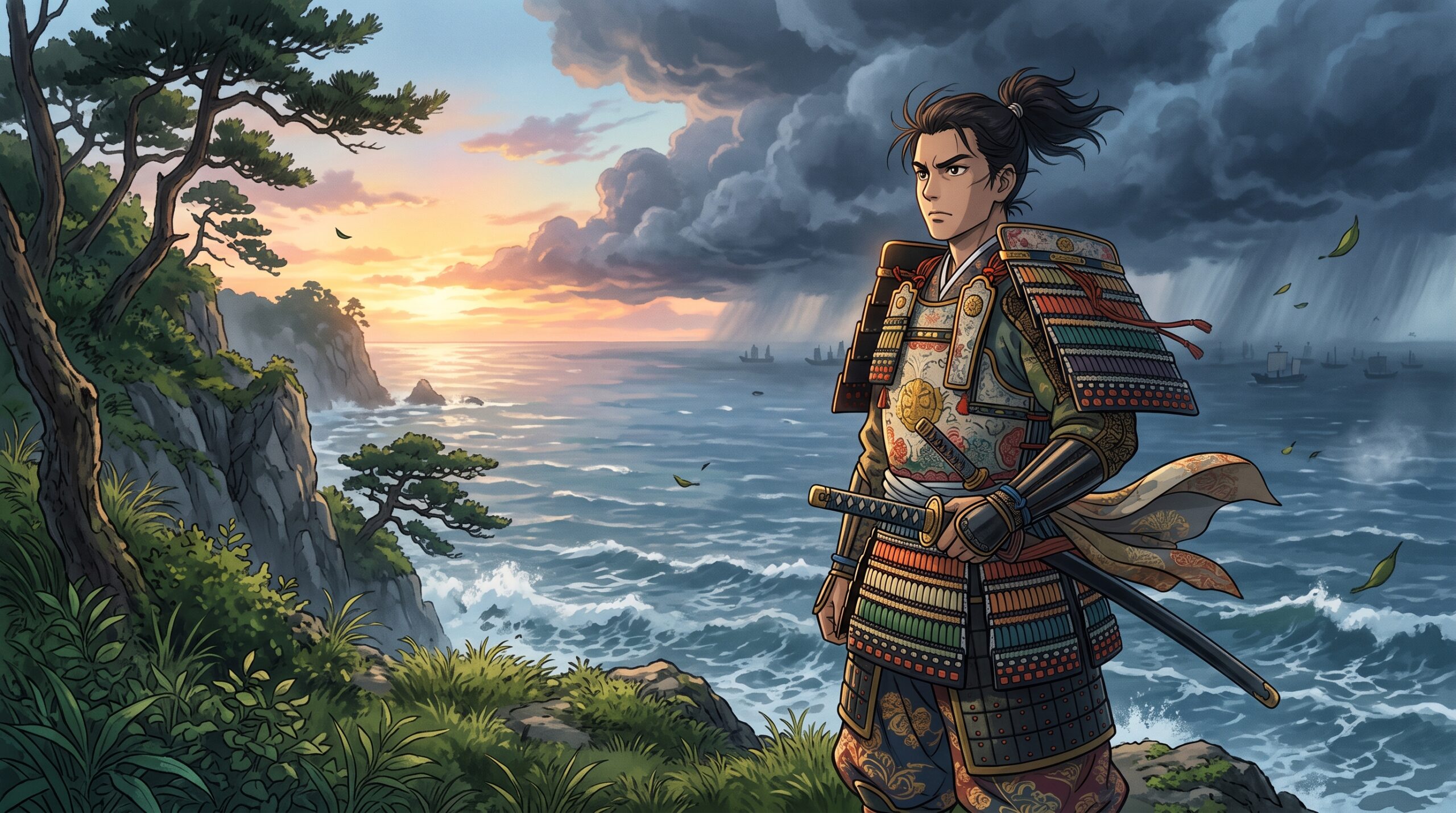
Japan is a nation like no other, possessing a deeply fascinating, mysterious, and continuous history that stretches back over 2,600 years. At the core of this enduring civilization is a profound relationship between the Emperor and the people. In the traditional Japanese worldview, the Emperor regards the citizens not as subjects to be exploited, but as Omitakara—great, sacred treasures. This unique national polity has fostered a culture of mutual respect, harmony, and resilience. However, this sacred continuity was not maintained by chance; it was defended with blood, iron, and an unbreakable spirit. Perhaps the greatest existential threat this miraculous nation ever faced came in the 13th century, and it was repelled by the indomitable will of a young Kamakura samurai named Hojo Tokimune.
- The Global Terror: The Rise of the Mongol Juggernaut
- Enter Hojo Tokimune: A Leader Born for Crisis
- The First Strike: The Battle of Bun’ei (1274)
- The Stone Shield and the Execution of Envoys
- The Armada of the Apocalypse: The Battle of Koan (1281)
- The Divine Wind: Kamikaze
- Zen Buddhism: The Source of Tokimune’s Unwavering Mind
- A Legacy Written in Eternity
- 揺るぎなき盾:北条時宗は如何にしてモンゴル帝国から日本の2600年の歴史を守り抜いたのか
- 世界を覆う恐怖:モンゴル帝国の台頭
- 北条時宗の登場:危機のために生まれた指導者
- 最初の一撃:文永の役(1274年)
- 石の盾と使節の処刑
- 終末の巨大艦隊:弘安の役(1281年)
- 神風:Kamikaze
- 禅宗:時宗の揺るぎない精神の源
- 永遠に刻まれる遺産
The Global Terror: The Rise of the Mongol Juggernaut
To truly grasp the magnitude of Japan’s survival, one must understand the absolute terror that was the Mongol Empire in the 1200s. Founded by Genghis Khan and expanded by his successors, the Mongol war machine swept across the Eurasian continent with unprecedented speed and brutality. By the time Genghis Khan’s grandson, Kublai Khan, established the Yuan Dynasty in China, the Mongol Empire was the largest contiguous land empire in human history. From the plains of Eastern Europe to the Korean peninsula, ancient civilizations, proud kingdoms, and mighty empires were completely annihilated or forced into subjugation. The Mongols utilized highly advanced siege warfare, terrifying psychological tactics, and a seemingly infinite supply of cavalry. Submission meant paying heavy tributes and sending soldiers to fight the Khan’s next wars; resistance meant utter destruction.
Across the treacherous waters of the Genkai Sea, Japan remained an independent, sovereign sanctuary. It was a land deeply rooted in Shinto traditions, reverence for nature, and a burgeoning warrior culture. Kublai Khan, looking to solidify his dominion over East Asia and coveting the legendary wealth of “Zipangu” (Japan), sent envoys demanding that Japan become a vassal state. The letters were phrased as diplomatic requests for friendship, but they carried an unmistakable threat of annihilation.
Enter Hojo Tokimune: A Leader Born for Crisis
The burden of responding to the world’s most terrifying conqueror fell not on a seasoned, elderly statesman, but on a teenager. Hojo Tokimune was born in 1251 into the Hojo clan, who held the real political power in the Kamakura Shogunate through the office of Shikken (Regent). Raised in the rigorous and austere traditions of Kamakura samurai, Tokimune ascended to the position of Shikken in 1268 at the incredibly young age of 18.
When the first Mongol envoys arrived, panic rippled through the Imperial Court in Kyoto and the Shogunate in Kamakura. Many advisors urged appeasement, terrified by the sheer scale of the Mongol threat. However, Tokimune understood the sacred nature of his country. To submit would be to betray the 2,600-year history of the nation, to surrender the Emperor’s Omitakara to foreign tyranny. Grounded in profound Zen Buddhist philosophy and an unshakeable sense of duty, Tokimune chose the path of absolute resistance. He repeatedly ignored the Khan’s letters, sending the envoys away in silence. This was a bold, unprecedented defiance.
The First Strike: The Battle of Bun’ei (1274)
Enraged by Japan’s refusal to bow, Kublai Khan launched his first invasion in 1274, known as the Battle of Bun’ei. An armada carrying roughly 30,000 to 40,000 Mongol, Chinese, and Korean troops landed on the islands of Tsushima and Iki, massacring the defenders, before descending upon Hakata Bay in Kyushu. The Japanese samurai, who were accustomed to ritualistic combat involving individual declarations of name and lineage before fighting, faced an enemy that fought in tightly coordinated phalanxes.
The invaders unleashed weapons never before seen in Japan: massed volleys of poisoned arrows and tetsuhau (explosive ceramic bombs that terrified the samurai’s horses). Despite being drastically outnumbered and technologically disadvantaged, the local Kyushu samurai fought with a desperate, terrifying ferocity. They held the beachheads in brutal, close-quarters combat until nightfall. Fearing a night ambush and wary of the weather, the Mongol forces retreated to their ships. That night, a severe storm struck the bay, devastating the Mongol fleet and forcing their retreat. Japan had survived the first shock, but Tokimune knew the real war was just beginning.
The Stone Shield and the Execution of Envoys
Knowing that Kublai Khan would return with an even larger force, Hojo Tokimune spent the next several years transforming the western coast of Japan into a fortress. He ordered the construction of the Genko Borui, a massive defensive stone wall stretching approximately 20 kilometers along Hakata Bay. This was a monumental logistical achievement that united the samurai class across the country in a singular purpose of national defense.
During this period of intense preparation, Kublai Khan dispatched more envoys demanding immediate surrender. Tokimune’s response was definitive and chilling. In 1275, he ordered the Mongol ambassadors to be beheaded at Tatsunokuchi in Kamakura. In 1279, another delegation met the same fate in Hakata. By shedding the blood of the Khan’s messengers, Tokimune intentionally burned all bridges of diplomacy. He was signaling to his own people and to the Mongol Empire that Japan would fight to the very last breath.
The Armada of the Apocalypse: The Battle of Koan (1281)
In 1281, Kublai Khan unleashed the Battle of Koan. This was the largest naval invasion in human history until the D-Day landings of World War II. Two massive fleets, the Eastern Route Army and the Southern Jiangnan Army, merged to form an armada of over 4,000 ships carrying an estimated 140,000 troops. The fate of the 2,600-year-old nation hung in the balance.
However, the invaders found a very different Japan. When they attempted to land at Hakata Bay, they were blocked by Tokimune’s stone wall. The samurai, now deeply familiar with Mongol tactics, launched relentless, daring night raids on the Mongol ships using small, agile boats. They would board the massive vessels, engage in brutal sword combat, and set the ships ablaze. For weeks, the Mongol forces were pinned down on the ocean, suffering from disease, supply shortages, and the psychological terror of the fearless Japanese warriors.
The Divine Wind: Kamikaze
As the grueling stalemate continued into late summer, the entire nation of Japan unified in prayer. From the Emperor in Kyoto to the commoners in the fields, prayers were offered at Shinto shrines and Buddhist temples across the land, begging the gods to protect the sacred islands and the Omitakara. Then, in mid-August, the heavens answered.
A catastrophic typhoon—unprecedented in its scale and fury—swept through the Tsushima Strait and struck the Kyushu coast. The Mongol fleet, which had lashed its ships together to defend against the samurai night raids, was utterly decimated. The violent winds and towering waves smashed the mighty armada to splinters. Over half the ships were destroyed, and tens of thousands of invaders perished in the raging sea. The Japanese named this miraculous storm the Kamikaze (Divine Wind). It was seen as absolute proof that Japan was a divine land, protected by unseen, sacred forces.
Zen Buddhism: The Source of Tokimune’s Unwavering Mind
How did a young man in his twenties bear the psychological weight of standing alone against the world’s greatest superpower? The secret lay in his devotion to Zen Buddhism. Tokimune practiced Zen under the Chinese emigre monk Mugaku Sogen (Bukko Kokushi). Before the second invasion, feeling the crushing pressure of the impending war, Tokimune sought his master’s guidance. Mugaku Sogen famously yelled, “Katsu!”—a Zen shout to cut through delusion—and instructed Tokimune to discard all fear of life and death, and to embrace Mushin (no-mind). By conquering his own inner turmoil, Tokimune became an immovable rock upon which the Mongol Empire shattered.
Remarkably, following the miraculous victory, Tokimune did not display arrogance or boastfulness. In 1282, he founded the Engaku-ji temple in Kamakura. Its purpose was deeply moving: it was built to mourn and pray for the souls of all who had died in the conflict—not just the Japanese samurai, but also the tens of thousands of Mongol, Chinese, and Korean soldiers who perished far from home. This act reflects the profound compassion and spiritual depth that underpins Japanese culture.
A Legacy Written in Eternity
The immense stress of defending the nation consumed Hojo Tokimune’s life. He passed away in 1284 at the tragic age of 33, just three years after saving his country. His sacrifice, however, altered the course of history forever.
By defying the Mongol Empire, Tokimune preserved a unique civilization. He protected the unbroken imperial lineage and ensured that the people of Japan would continue to be cherished as Omitakara, rather than living as subjugated slaves of a foreign power. The story of Hojo Tokimune is not just military history; it is a profound testament to spiritual courage, the love for one’s nation, and the mystical, 2,600-year continuity of Japan that continues to fascinate the world today.
References for Further Reading
揺るぎなき盾:北条時宗は如何にしてモンゴル帝国から日本の2600年の歴史を守り抜いたのか
日本は、2600年以上にわたって続く、深く魅力的で神秘的、そして途切れることのない歴史を持つ、世界でも類を見ない国家です。この永続する文明の核心には、天皇と国民の間の極めて深い関係が存在します。日本の伝統的な世界観において、天皇は国民を搾取すべき臣民としてではなく、「大御宝(おおみたから)」、すなわち神聖で偉大な宝として慈しんできました。この独自の国体は、相互の尊重、調和、そして驚異的な回復力を持つ文化を育んできました。しかし、この神聖な歴史の連続性は偶然維持されたわけではありません。それは血と鉄、そして決して折れることのない精神によって守り抜かれてきたのです。この奇跡の国が直面した史上最大の存亡の危機は13世紀に訪れ、鎌倉の若き武将・北条時宗の不屈の意志によって退けられました。
世界を覆う恐怖:モンゴル帝国の台頭
日本が生き残ったことの偉大さを真に理解するためには、1200年代のモンゴル帝国がどれほどの絶対的な恐怖であったかを知る必要があります。チンギス・ハーンによって建国され、その後継者たちによって拡大されたモンゴルの戦争機構は、かつてないスピードと残酷さでユーラシア大陸を席巻しました。チンギス・ハーンの孫であるフビライ・ハーンが中国に元朝を建国した頃には、モンゴル帝国は人類史上最大の陸地帝国となっていました。東ヨーロッパの平原から朝鮮半島に至るまで、古代文明や誇り高き王国、強大な帝国が完全に消滅するか、服従を強いられました。モンゴル軍は高度な攻城兵器、恐るべき心理戦、そして無尽蔵に思える騎兵を駆使しました。彼らに服従することは、重い貢物を納め、ハーンの次の戦争に自国の兵士を送り出すことを意味し、抵抗することは国家の完全な破壊を意味しました。
荒れ狂う玄界灘の向こう側で、日本は独立した主権国家としての聖域を保っていました。神道という伝統、自然への畏敬の念、そして台頭しつつある武士の文化が深く根付いた土地でした。東アジアでの支配を固め、伝説に聞く「ジパング(日本)」の富を渇望したフビライ・ハーンは、日本を属国とするよう要求する使節を派遣しました。その国書は友好を求める外交的要請を装っていましたが、その裏には明確な武力による殲滅の脅威が隠されていました。
北条時宗の登場:危機のために生まれた指導者
世界で最も恐るべき征服者に対応するという重責を負ったのは、経験豊富な老練な政治家ではなく、一人の十代の若者でした。北条時宗は1251年、鎌倉幕府において「執権」という役職を通じて実質的な政治権力を握っていた北条氏に生まれました。鎌倉武士の厳格で質実剛健な伝統の中で育てられた時宗は、1268年、わずか18歳という驚異的な若さで執権の座に就きます。
モンゴルの最初の使節が到着したとき、京都の朝廷と鎌倉幕府にパニックが広がりました。多くの側近がモンゴルの脅威の規模に恐れおののき、融和政策(事実上の降伏)を主張しました。しかし、時宗はこの国の神聖な本質を理解していました。服従することは、国家の2600年の歴史を裏切り、天皇の「大御宝」である国民を外国の暴政に売り渡すことを意味します。深い禅宗の哲学と揺るぎない使命感に根ざし、時宗は絶対的抗戦の道を選びました。彼はハーンからの国書を繰り返し無視し、使者を沈黙のまま追い返しました。これは前代未聞の、大胆な挑戦状でした。
最初の一撃:文永の役(1274年)
日本の服従拒否に激怒したフビライ・ハーンは、1274年に最初の侵攻、すなわち「文永の役」を引き起こします。約3万から4万人のモンゴル、中国、高麗の兵士を乗せた大艦隊が対馬と壱岐に上陸し、守備隊を惨殺した後、九州の博多湾に襲来しました。戦闘の前に名乗りを上げるという一騎討ちの儀式的な戦闘に慣れていた日本の武士たちは、密集陣形で連携して戦う未知の敵に直面しました。
侵略軍は、日本では見たこともない兵器を解き放ちました。毒矢の雨、そして武士の馬をパニックに陥れる爆発性の陶器弾「てつはう」です。数でも技術でも圧倒的に不利な状況にありながら、現地の九州の武士たちは、恐るべき決死の覚悟で戦いました。彼らは夜になるまで、凄惨な接近戦で上陸地点を死守しました。夜間の奇襲を恐れ、天候の悪化を警戒したモンゴル軍は船に撤退します。その夜、激しい嵐が湾を襲い、モンゴル艦隊に壊滅的な打撃を与え、彼らを撤退に追い込みました。日本は最初の衝撃を生き延びましたが、時宗は本当の戦争がこれから始まることを知っていました。
石の盾と使節の処刑
フビライ・ハーンがさらに大規模な軍隊を率いて戻ってくることを確信していた北条時宗は、その後数年間を費やして日本の西海岸を要塞化しました。彼は博多湾の海岸線沿いに約20キロメートルに及ぶ巨大な防衛用の石壁、「元寇防塁」の建設を命じました。これは、国防という単一の目的のために全国の武士階級を団結させた、記念碑的な国家プロジェクトでした。
この徹底的な準備期間中にも、フビライ・ハーンは即時降伏を要求する使節をさらに派遣してきました。時宗の対応は決定的かつ冷酷なものでした。1275年、彼は鎌倉の龍ノ口でモンゴル使節の斬首を命じました。1279年にも、別の使節団が博多で同じ運命を辿りました。ハーンの使者の血を流すことで、時宗は意図的に外交の退路を断ったのです。彼は自国の民衆とモンゴル帝国に対し、日本が最後の一息まで戦い抜くことを宣言していました。
終末の巨大艦隊:弘安の役(1281年)
1281年、フビライ・ハーンは「弘安の役」を引き起こします。これは第二次世界大戦のノルマンディー上陸作戦まで、人類史上最大の海上侵攻作戦でした。東路軍と江南軍という2つの巨大な艦隊が合流し、推定14万人の兵士を乗せた4,000隻以上の船団を形成しました。2600年続く国家の運命が風前の灯火となりました。
しかし、侵略者たちが目にしたのは、前回とは全く異なる日本でした。博多湾に上陸しようとした彼らの行く手は、時宗が築いた石壁によって完全に阻まれました。モンゴルの戦術を熟知した武士たちは、機敏な小舟を使ってモンゴル船に対する容赦ない果敢な夜襲を繰り返しました。彼らは巨大な船に乗り込み、凄惨な白兵戦を繰り広げ、船に火を放ちました。数週間にわたり、モンゴル軍は海上に釘付けにされ、疫病、物資の不足、そして死を恐れぬ日本の武士たちによる心理的恐怖に苦しめられました。
神風:Kamikaze
過酷な膠着状態が夏の終わりまで続く中、日本という国全体が祈りによって一つになりました。京都の天皇から野良仕事をする庶民に至るまで、全国の神社仏閣で、神聖な島々と「大御宝」を守るよう神々に祈りが捧げられました。そして8月中旬、天はその祈りに応えました。
その規模と猛威においてかつてないほどの巨大な台風が対馬海峡を通過し、九州沿岸を直撃しました。武士の夜襲を防ぐために船同士を鎖で繋いでいたモンゴル艦隊は、完全に壊滅しました。暴風とそびえ立つ波が強大な大艦隊を木端微塵に粉砕しました。船の半分以上が破壊され、数万人の侵略者が荒れ狂う海で命を落としました。日本人はこの奇跡的な嵐を「神風(かみかぜ)」と呼びました。これは、日本が目に見えない神聖な力によって守られている神の国であるという絶対的な証拠とみなされたのです。
禅宗:時宗の揺るぎない精神の源
20代の若者が、どのようにして世界最大の超大国にたった一人で立ち向かうという精神的重圧に耐えられたのでしょうか。その秘密は禅宗への帰依にありました。時宗は、中国から渡来した僧・無学祖元(仏光国師)の下で禅を修行しました。二度目の侵攻を前に、迫り来る戦争の計り知れない重圧を感じた時宗は、師に教えを乞いました。無学祖元は「喝!」と叫び、生死の恐怖を捨て去り、「無心」を受け入れるよう時宗を導きました。自らの内なる迷いを打ち破ることで、時宗はモンゴル帝国をも粉砕する不動の岩となったのです。
驚くべきことに、奇跡的な勝利の後も、時宗が傲慢さや誇りを見せることはありませんでした。1282年、彼は鎌倉に円覚寺を創建します。その目的は深く胸を打つものでした。それは、日本の武士だけでなく、遠く故郷を離れて命を落とした数万人ものモンゴル、中国、高麗の兵士たちの魂をも等しく供養し、祈るために建てられたのです。この行為は、日本文化の根底にある深い慈悲の心と精神性の深さを反映しています。
永遠に刻まれる遺産
国家を守り抜くという計り知れないストレスは、北条時宗の命を削りました。国を救ってからわずか3年後の1284年、彼は33歳という若さでこの世を去ります。しかし、彼の犠牲は歴史のコースを永遠に変えました。
モンゴル帝国に立ち向かうことで、時宗は日本という独自の文明を守り抜きました。彼は万世一系の皇統を守り、日本の人々が外国の権力に服従する奴隷として生きるのではなく、「大御宝」として慈しまれ続ける未来を確固たるものにしたのです。北条時宗の物語は、単なる軍事史ではありません。それは、精神的な勇気、国家への愛、そして今なお世界を魅了し続ける、2600年続く日本の神秘的な連続性を証明する、深遠な証なのです。

コメント