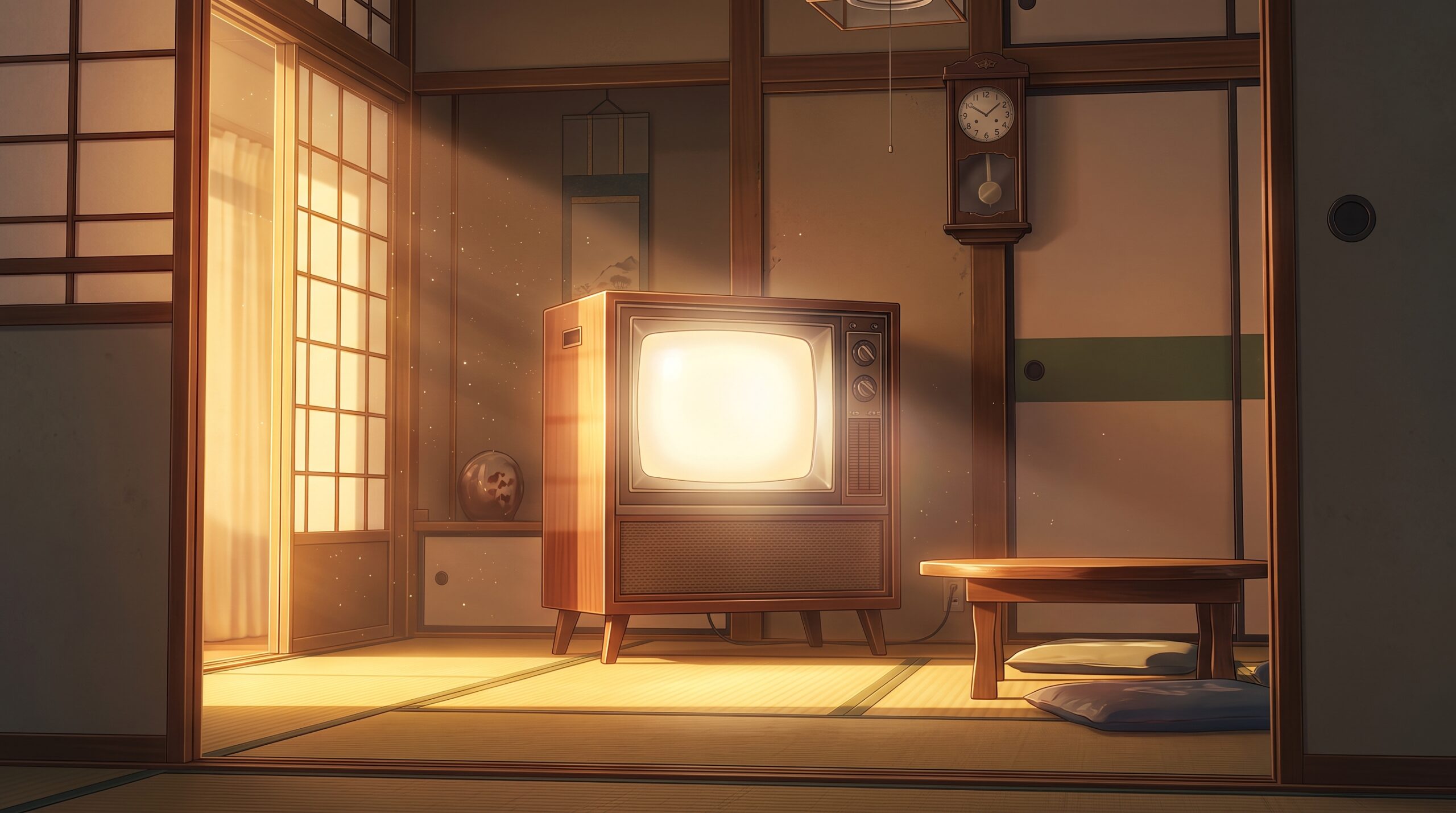
Welcome to our blog, where we explore the deep and fascinating charms of Japanese culture. Today, we dive into a monumental date in Japanese media history: August 28. On August 28, 1953, at 11:20 AM, Nippon TV officially began the very first commercial television broadcast in Japan. This historic moment brought an entirely new network of entertainment and information into ordinary Japanese households. Simultaneously, August 28, 1953, marks the birth of Japan’s very first television commercial, making it widely celebrated as “TV CM Day” .
The Legendary “Failure” of Japan’s First TV Commercial
The memorable first TV commercial in Japan was provided by Seikosha (now the Seiko Group, then known as Hattori Clock Store), Japan’s leading clock manufacturer . It was scheduled as a 30-second time signal spot announcing, “Seikosha clocks inform you that it is noon” . The visual featured an adorable animation of a rooster winding a clock .
However, an unexpected and historic incident occurred. During the live noon broadcast, the staff, who were still unfamiliar with the new broadcasting equipment, accidentally loaded the film into the playback machine backward . Film strips at the time had an audio soundtrack recorded on one side. Because it was loaded backward, the film completely bypassed the audio playback head, resulting in a completely silent broadcast with only the visual playing across the nation.
This became Japan’s first-ever “broadcasting accident.” In the history of Japanese technology, which is globally renowned for its pursuit of perfection, this endearing human error remains a highly unique and lovable episode. Fortunately, the 19:00 (7 PM) time signal commercial by Seikosha on the same day was broadcast perfectly without any issues, and it is now preserved and remembered as the oldest surviving TV commercial in Japan .
Japanese “High-Context Culture” and Animation Nurtured by TV CMs
Starting from this day, Japanese television commercials evolved into a highly unique art form. Rather than directly appealing to a product’s functions or price like in Western countries, emotional and narrative-driven short visual expressions became the standard. This approach is deeply rooted in Japan’s “high-context culture”—a cultural trait, seen in traditions like Haiku poetry, where extensive context and emotion are naturally read from very limited information.
Furthermore, the strong financial relationship established between commercial broadcasting stations and sponsoring companies laid a rock-solid foundation for the Japanese animation industry. The countless high-quality, world-class anime works we enjoy today exist precisely because of the broadcasting system established with the start of commercial television in 1953.
What Are Your Thoughts?
The dawn of new technology is always accompanied by trial and error, as well as unexpected failures. However, the process by which a unique and wonderful pop culture develops from such imperfect beginnings is truly fascinating. Do you know the history of when the first TV broadcast or commercial aired in your country? Also, what is the most memorable, beautiful, or surprising Japanese TV show or commercial you have ever seen? Please share your memories and opinions in the comments section or on our social media! Let’s explore together how cultural differences are expressed on screen.
Reference Links
- External Site: The Seiko Museum Ginza
- Internal Link: Read more from the What’s Today’s Special Day Series
【8月28日】日本のテレビ新時代の幕開け:「民放テレビスタートの日」と「テレビCMの日」
日本文化の深淵な魅力を発信する当ブログへようこそ。今回は、日本のメディア史において最も重要で、かつ少しクスッと笑えるエピソードを持つ記念日「8月28日」について深く掘り下げていきます。1953年(昭和28年)8月28日午前11時20分、日本テレビが民間放送として初のテレビ放送を正式に開始しました。これは、日本の一般家庭に全く新しいエンターテインメントと情報網がもたらされた歴史的瞬間です。そして同時に、1953年8月28日は、テレビコマーシャルの第1号が誕生した日でもあり、「テレビCMの日」としても広く知られています 。
伝説となった日本初のテレビCMとその愛すべき「失敗」
記念すべき日本初のテレビCMを提供したのは、日本を代表する時計メーカーである精工舎(現在のセイコーグループ、当時の服部時計店)でした 。内容は「精工舎の時計が正午をお知らせします」という時報を兼ねた30秒スポットになる予定でした 。映像は、アニメーションの鶏が時計をぜんまいで調節するという非常に愛らしいものでした。
しかし、ここで歴史的なハプニングが起こります。正午の生放送の際、まだ放送機材の扱いに不慣れだったスタッフが、誤ってフィルムを裏返しで再生機にかけてしまったのです 。当時のフィルムは片側に音声を記録するサウンドトラックがありましたが、裏返しにセットされたため音を再生するヘッドを通らず、無音のまま映像だけが全国に流れてしまいました。
これが日本初の「放送事故」です。完璧なものづくりと技術力を誇る日本の歴史において、このヒューマンエラーは極めて人間味あふれるユニークなエピソードとして語り継がれています。その後、同日19時の時報を兼ねた精工舎のCMは見事に問題なく放送され、これが現存する日本で最も古いテレビCMとして歴史に名を刻むことになりました。
テレビCMが育んだ日本の「ハイコンテクスト文化」とアニメーション
この日から始まった日本のテレビCMは、欧米のダイレクトな商品アピールとは異なる独自のアートフォームへと進化しました。わずか15秒から30秒の間に、商品のスペックを語るのではなく、情緒的で物語性のある映像美で視聴者の感情に訴えかける手法が主流となったのです。これは、少ない言葉や限られた表現から背景にある膨大な文脈を読み取る、俳句や和歌などに代表される日本の「ハイコンテクスト文化」に深く根ざしています。
さらに重要なのは、民間放送局とスポンサー企業(CM提供者)の強固な結びつきが、後に世界を席巻する日本のアニメーション産業の基盤を作り上げたことです。私たちが今日熱狂している高品質な日本のアニメ作品も、1953年のこの民放テレビのスタートというシステム構築がなければ、全く違う形になっていたかもしれません。
あなたはどう感じますか?
新しい技術の始まりには、常に試行錯誤や予期せぬ失敗がつきものです。しかし、完璧ではないスタートから独自の素晴らしい文化が発展していく過程は、非常に魅力的ではないでしょうか。あなたの国で初めてテレビ放送が始まった日や、初めて放送されたコマーシャルについて、どのような歴史があるか知っていますか?また、これまでに見た中で最も印象に残っている、あるいは驚いた日本のテレビ番組やCMは何ですか?ぜひ、この記事のコメント欄やSNSであなたの思い出や意見をシェアしてください。文化の違いが映像にどう表れるのか、一緒に探求しましょう。


コメント