
- An Invitation to the World’s Most Beautiful and Complex Language
- The Ultimate Visual Art Woven by Three Scripts: Hiragana, Katakana, and Kanji
- Analyzing Japanese: Why is it so “High-Context”?
- How to Master Japanese: Learning Advice Tied to Culture
- A Question for You
- 世界で最も美しく、最も複雑な言語への招待
- 3つの文字が織りなす究極の視覚芸術:ひらがな、カタカナ、漢字
- 日本語を考察する:なぜこれほど「高コンテキスト」なのか
- 日本語をどう学ぶか:文化と結びついた学習アドバイス
- あなたへの問いかけ
An Invitation to the World’s Most Beautiful and Complex Language
If you have decided to learn Japanese, you have just stepped into one of the most challenging and simultaneously fascinating languages in the world. A language is not merely a tool for communication; it is a mirror reflecting a country’s history, culture, and the very thought processes of its people. Because of its complexity and unique evolutionary path, Japanese is sometimes called a linguistic miracle.
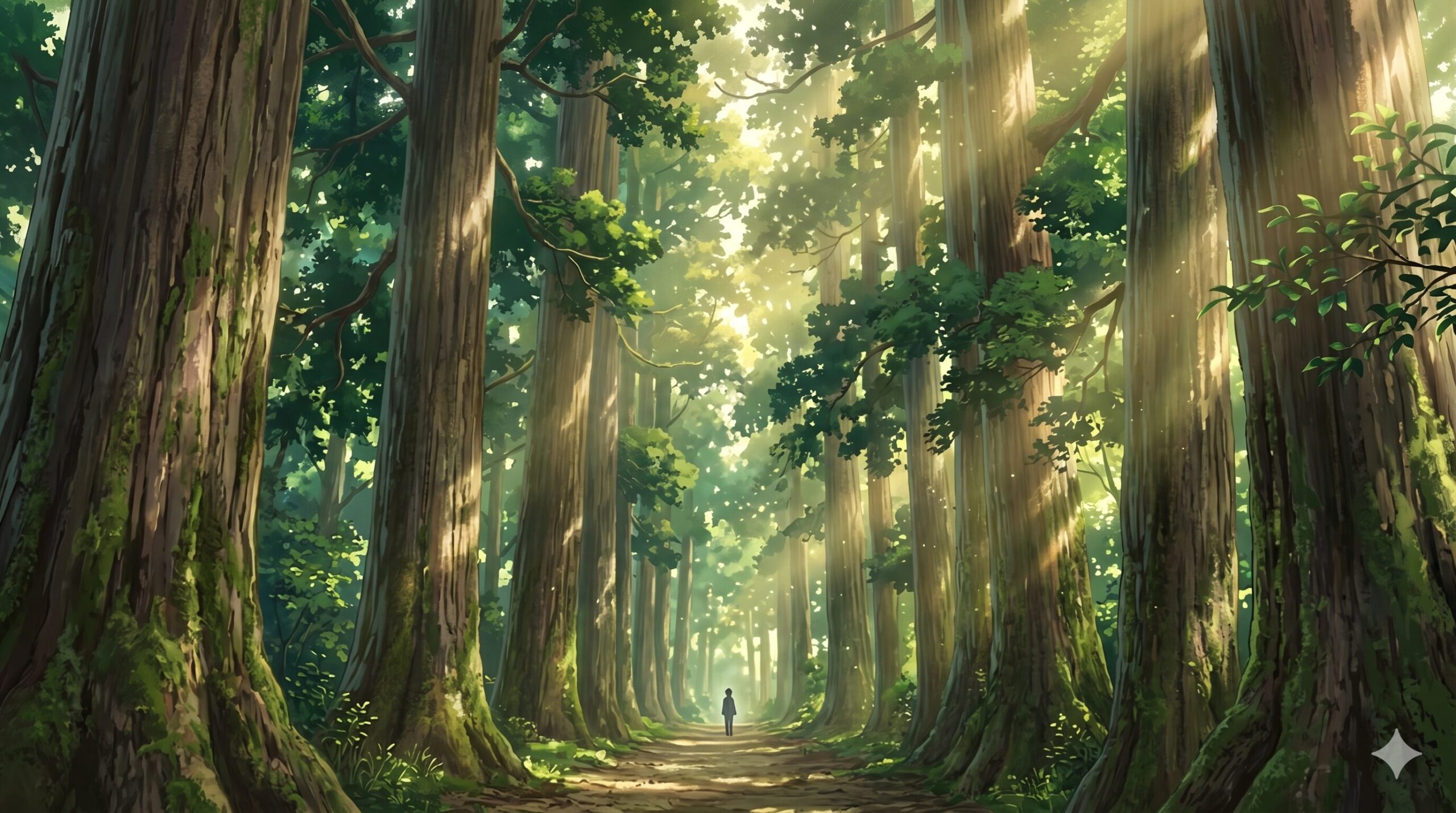
Today, for our overseas readers aspiring to learn Japanese, we will thoroughly dissect the “strangeness,” “depth,” and “intrigue” of the Japanese language. Why is it so incredibly complex? What is the Japanese sense of beauty hidden behind it? Beyond this deep forest of a language awaits an entirely new way of seeing the world.
The Ultimate Visual Art Woven by Three Scripts: Hiragana, Katakana, and Kanji
While most languages employ a single writing system like the alphabet, Japanese routinely utilizes three different types of scripts: Hiragana, Katakana, and Kanji. This is exceptionally rare globally and constitutes the first and greatest hurdle in learning Japanese.
1. The Vastness of Kanji and the Endless Labyrinth of Readings
“Kanji” (Chinese characters), imported from China, form the skeleton of the Japanese language. The amount of information a single Kanji holds is overwhelming, but the biggest factor that torments learners is the existence of “On-yomi” and “Kun-yomi.” “On-yomi” is based on the original Chinese pronunciation, while “Kun-yomi” applies native Japanese words to the meaning of the Kanji. Because of this, it is standard for a single Kanji to have multiple readings.
For example, let’s look at the Kanji “生” (life/birth). In addition to On-yomi readings like “生活” (seikatsu – lifestyle) and “一生” (isshou – a lifetime), the pronunciation shifts dramatically depending on the context: “生きる” (ikiru – to live), “生まれる” (umareru – to be born), “生” (nama – raw), “生える” (haeru – to grow). Furthermore, there are countless special readings for names and places, meaning not even native speakers can read every Kanji perfectly. Mastering Kanji takes an immense amount of time, but it is simultaneously an intellectual adventure where you can feel thousands of years of history and expansive meaning within a single symbol.
2. Contextual Usage and Visual Rhythm
Japanese sentences are constructed using a mixture of these three scripts. Rounded “Hiragana” is used for standard function words and grammatical suffixes; angular “Katakana” is used for foreign loanwords and emphasis; and complex “Kanji” is used for concepts and the roots of important nouns and verbs.
Understanding the rules of this “mixed writing system” and being able to write naturally is a major hurdle. However, there is a clear advantage. The density of the characters (the balance between black ink and white space) creates a visual rhythm, allowing readers to instantly distinguish between vocabulary words and grammatical particles at a glance. It can be said that Japanese text is an art form to be “seen” before it is read.
Analyzing Japanese: Why is it so “High-Context”?
The characteristics of Japanese are not limited to its writing system. The very structure of the sentences strongly reflects the nature of Japanese society. Japanese is one of the most “high-context” languages in the world.
The Omission of Subjects and the Culture of “Reading the Air”
In English, subjects like “I” or “You” are mandatory, but in Japanese, subjects are frequently omitted if they can be inferred from the context. The sentence “昨日、映画を見たよ” (Watched a movie yesterday) does not include “who” did it, but the conversation partner naturally understands “Oh, (you) watched it.”
This is a linguistic manifestation of Japan’s culture of “reading the air” (Kuuki wo yomu)—sharing the situation with the other person without having to put it into words. It leaves unspoken spaces, relying on the listener’s imagination and empathy. Japanese is an highly emotional language built on the premise of strong connections with others.
Keigo (Honorifics): A Precise Ruler for Measuring Human Relationships
The Keigo system, consisting of Polite, Respectful, and Humble language, might be another element that causes learners to despair. Depending on who you are talking to, their age, their social standing, and your psychological distance from them, everything from the form of the verbs to the choice of vocabulary completely changes.
Keigo is not merely about “politeness.” It is akin to a “spatial awareness ability” that instantly grasps your relationship with the person you are speaking to and positions you appropriately within society. Learning Keigo is synonymous with learning the hierarchy of Japanese society and the structure of deep respect for others.
How to Master Japanese: Learning Advice Tied to Culture
How on earth do you master this endlessly complex language? If you just open a textbook and memorize vocabulary lists, your motivation will eventually run out. The key to successfully learning Japanese is to tie it to a “passion for Japanese culture.”
1. Turn Pop Culture into “Living Textbooks”
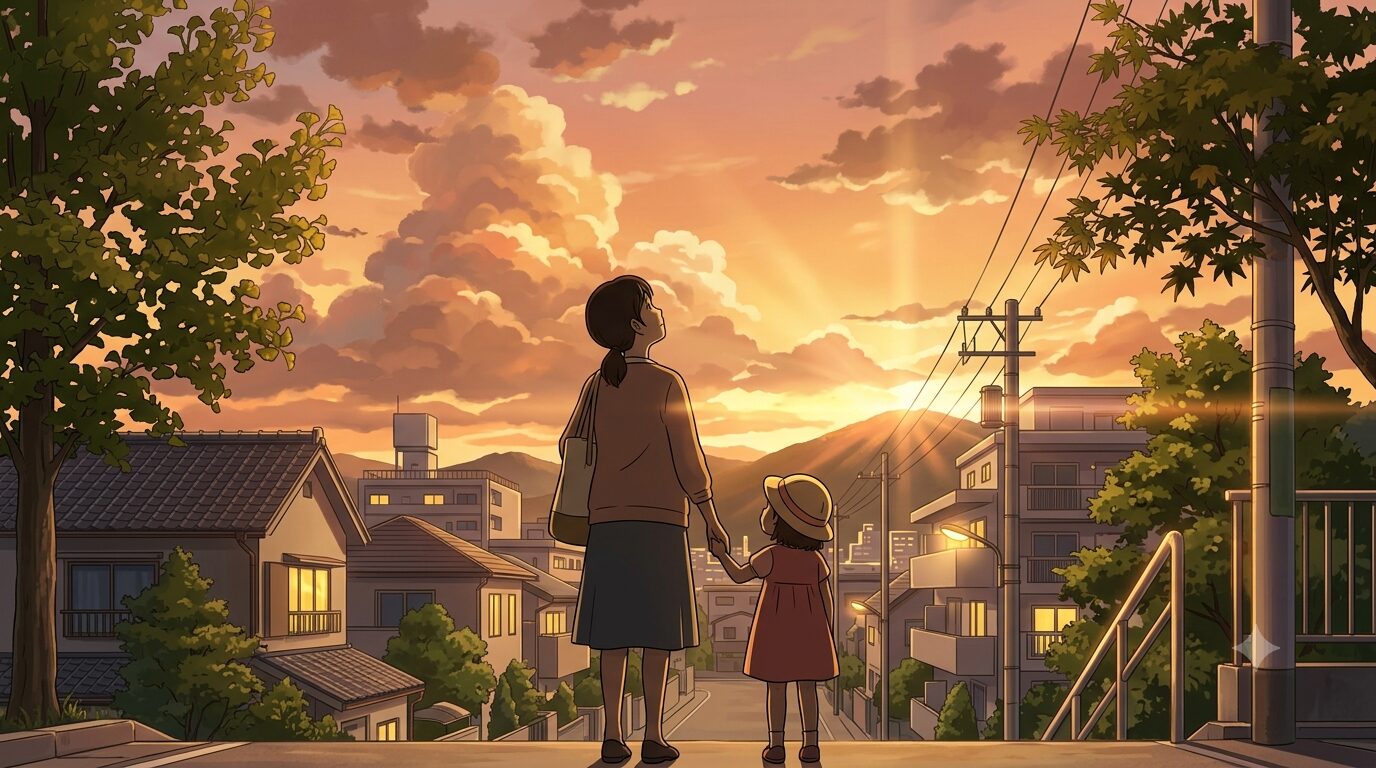
Japan’s world-renowned anime, manga, and movies are the best Japanese textbooks. There is nothing more suitable for learning how modern Japanese people express their emotions and what intonations they use. Modern Japanese anime films, characterized by beautiful scenic depictions, are treasure troves of everyday conversation. By watching them repeatedly with subtitles, you will naturally acquire the “nuances of living Japanese” that are not found in textbooks.
2. Take Your Time with the Spirit of “Wa” (Harmony)
Japanese virtues include the concepts of “Wa” (harmony) and “Michi” (the path / endless pursuit). Learning Japanese is also a “Michi.” Enjoy the process itself—the act of becoming able to do today what you couldn’t do yesterday. By imagining the origins hidden within the shapes of Kanji or encountering beautiful words that express the seasons, learning transforms from a pain into the “joy of discovery.”
3. Internalize the “Sound” through Shadowing
Because Japanese has a flat rhythm (pitch accent), the beauty of pronunciation is crucial. Practice “shadowing”—imitating the audio of native speakers—even for just a few minutes every day. By teaching your mouth muscles the movements of Japanese, the words will begin to flow naturally from your lips.
A Question for You
We have touched upon the complex writing system of Japanese and the unique culture of omitting subjects, but how did it make you feel?
Standing before this “labyrinth of language,” were you overwhelmed? Or was your intellectual curiosity stimulated? Were you captivated by the beauty of Kanji, or did you feel a desire to challenge the depths of Keigo?
What is the most “interesting” part of learning Japanese for you, or what do you find to be the most “difficult” part? How would you attempt to overcome this massive wall?
There is no end to language learning. I sincerely hope that you open the door to the Japanese language and encounter the magnificent scenery that lies beyond.
Reference Links
- The Japan Foundation – An international hub for Japanese language education and cultural exchange.
- Tofugu – An incredibly popular, humor-filled comprehensive learning site for overseas Japanese learners.
- Japanese Culture Articles (Our Blog’s Culture Category) – Click here if you want to know more about the deep culture of Japan.
迷宮へようこそ:3つの文字体系を持つ言語「日本語」の奇妙で奥深い世界
世界で最も美しく、最も複雑な言語への招待
日本語を学ぼうと決心したあなたは、おそらく世界で最も挑戦的で、同時に最も魅力的な言語の一つに足を踏み入れました。言語は単なるコミュニケーションの道具ではなく、その国の歴史、文化、そして人々の思考回路を映し出す鏡です。日本語は、その複雑さと独特の進化の過程から、言語学の奇跡とも呼ばれることがあります。
今回は、日本語学習を志す海外の読者の皆様に向けて、日本語の持つ「奇妙さ」「奥深さ」、そして「面白さ」を徹底的に解剖していきます。なぜこれほどまでに複雑なのか?その裏にある日本の美意識とは何か?この深い森を抜けた先には、まったく新しい世界の見方が待っています。
3つの文字が織りなす究極の視覚芸術:ひらがな、カタカナ、漢字
多くの言語はアルファベットのような単一の文字体系を採用していますが、日本語は日常的に「ひらがな」「カタカナ」「漢字」という3種類の文字を使い分けます。これは世界的に見ても非常に稀であり、日本語学習における最初の、そして最大のハードルとなります。
1. 漢字の多さと終わらない読み方の迷宮
中国から伝来した「漢字」は、日本語の骨格です。一つの漢字が持つ情報量は圧倒的ですが、学習者を悩ませる最大の要因は「音読み」と「訓読み」の存在です。中国語の発音を元にした「音読み」と、元々日本にあった言葉を漢字の意味に当てはめた「訓読み」。これにより、一つの漢字に複数の読み方があることが一般的です。
例えば、「生」という漢字を見てみましょう。「生活(せいかつ)」「一生(いっしょう)」という音読みに加え、「生きる(いきる)」「生まれる(うまれる)」「生(なま)」「生える(はえる)」など、文脈によって読み方が劇的に変化します。さらに、人名や地名などの特殊な読み方(名乗り)も無数に存在し、ネイティブスピーカーでさえすべての漢字を正しく読めるわけではありません。漢字の習得には膨大な時間がかかりますが、それは同時に、一つの記号の中に何千年もの歴史と意味の広がりを感じる知的な冒険でもあります。
2. 文脈による使い分けと視覚的なリズム
日本語の文章は、これら3つの文字が混在して構成されます。平常時の機能語や送り仮名には丸みを帯びた「ひらがな」を、外来語や強調したい言葉には直線的な「カタカナ」を、そして概念や重要な名詞・動詞の語幹には画数の多い「漢字」を用います。
この「混在させて書くルール」を理解し、自然に書けるようになるまでが大きなハードルです。しかし、これには明確なメリットがあります。文字の密度(黒い部分と白い部分のバランス)が視覚的なリズムを生み出し、どこまでが単語でどこからが助詞なのかを一瞬で見分けることができるのです。日本語の文章は、読む前に「見る」芸術だと言えるでしょう。
日本語を考察する:なぜこれほど「高コンテキスト」なのか
日本語の特徴は文字だけではありません。文章の構造そのものが、日本社会の性質を強く反映しています。日本語は、世界で最も「高コンテキスト(文脈依存度が高い)」な言語の一つです。
主語の省略と「空気を読む」文化
英語などでは「私は」「あなたは」といった主語が必須ですが、日本語では文脈から推測できる場合、主語は頻繁に省略されます。「昨日、映画を見たよ」という文には「誰が」が含まれていませんが、会話の相手は自然に「(あなたが)見たんだな」と理解します。
これは、言葉にしなくても相手と状況を共有しているという、日本の「空気を読む(Read the air)」文化の言語的表れです。すべてを語らず、余白を残し、聞き手の想像力と共感に委ねる。日本語は、他者との強い結びつきを前提とした非常に情緒的な言語なのです。
敬語:人間関係を測る精密な定規
「丁寧語」「尊敬語」「謙譲語」からなる敬語システムも、学習者を絶望させる要素の一つかもしれません。誰と話しているか、その人の年齢、立場、自分との心理的な距離によって、動詞の形から単語の選び方までが完全に切り替わります。
敬語は単なる「ポライトネス(礼儀正しさ)」ではありません。それは、会話している相手との関係性を瞬時に把握し、社会の中での適切なポジションを取るための「空間認識能力」のようなものです。敬語を学ぶことは、日本社会のヒエラルキーと、他者への深い敬意の構造を学ぶことと同義です。
日本語をどう学ぶか:文化と結びついた学習アドバイス
この果てしなく複雑な言語を、どうやって習得すればいいのでしょうか?教科書を開いて単語帳を暗記するだけでは、いずれモチベーションが尽きてしまいます。日本語の学習を成功させる鍵は、「日本文化への情熱」と結びつけることです。
1. ポップカルチャーを「生きた教材」にする
日本が世界に誇るアニメや漫画、映画は、最高の日本語教材です。現代の日本人がどのように感情を表現し、どのようなイントネーションで話すのかを学ぶのに、これほど適したものはありません。美しい情景描写が特徴的な現代の日本のアニメ映画は、日常会話の宝庫です。字幕をつけて何度も観ることで、教科書には載っていない「生きた日本語のニュアンス」が自然と身につきます。
2. 「和」の精神で焦らずに
日本の美徳に「和(調和)」や「道(終わりなき探求)」という概念があります。日本語学習もまた「道」です。昨日できなかったことができるようになるプロセスそのものを楽しんでください。漢字の形の中にある成り立ちを想像したり、季節を表す美しい言葉(季語など)に触れたりすることで、学習は苦痛から「発見の喜び」に変わります。
3. シャドーイングで「音」を身体に入れる
日本語はリズムが平坦(ピッチアクセント)であるため、発音の美しさが重要です。ネイティブの音声を真似て発音する「シャドーイング」を毎日数分でも行いましょう。口の筋肉に日本語の動きを覚えさせることで、言葉が自然に口から出てくるようになります。
あなたへの問いかけ
日本語の複雑な文字体系や、主語を省略する独特の文化について触れてきましたが、あなたはどう感じましたか?
この「言語の迷宮」を前にして、圧倒されたでしょうか?それとも、知的な好奇心を刺激されましたか?漢字の美しさに魅了されたのか、それとも敬語の奥深さに挑戦したいと思ったのか。
あなたが日本語を学ぶ中で最も「面白い」と感じた部分、あるいは最も「難しい」と感じている部分はどこですか?あなたなら、この巨大な壁をどのように乗り越えようとしますか?
言語の学習に終わりはありません。あなたが日本語という扉を開け、その先にある素晴らしい景色に出会えることを心から願っています。
参考リンク集
- The Japan Foundation(国際交流基金) – 日本語教育や文化交流の国際的な拠点。
- Tofugu – 海外の日本語学習者に大人気の、ユーモア溢れる総合学習サイト。
- Japanese Culture Articles (当ブログの日本文化カテゴリー) – 日本の深い文化をもっと知りたい方はこちら。
コメント