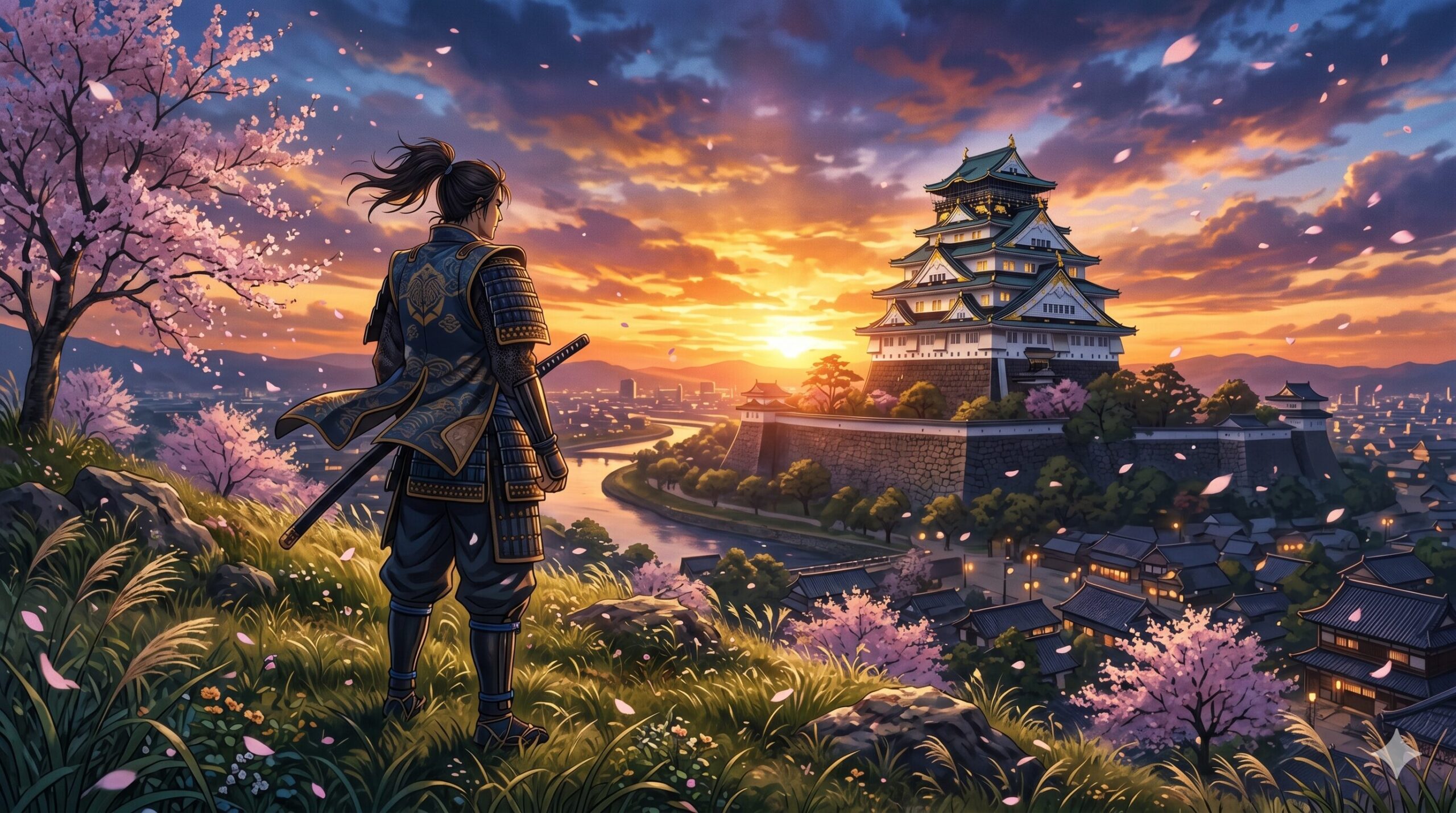
- The Origin of “Samurai Day” on June 4th and its Surprising Historical Background
- From War to Peace: The Changing Role of the Samurai
- The Spirit of “Bushido” Alive in Modern Japanese Culture
- Related Information and Links
- A Question for You: What is the Modern Samurai Spirit?
- 6月4日「武士の日」の由来と驚くべき歴史的背景
- 戦国から江戸へ:武士の役割の変化
- 現代日本文化に息づく「武士道」の精神
- 関連情報とリンク
- あなたへ問いかけ:現代のサムライ精神とは?
The Origin of “Samurai Day” on June 4th and its Surprising Historical Background
The Japanese calendar is filled with unique anniversaries based on wordplay and historical events. Every year, June 4th marks “Samurai Day” (Bushi no Hi), a highly significant day in Japanese history. This anniversary is not just a simple pun; it is deeply connected to a decisive event that fundamentally changed the course of Japan.
First, half of the origin comes from Japanese wordplay (goroawase). In Japanese, the number “6” can be pronounced as “bu,” and “4” as “shi.” Together, “6-4” becomes “bu-shi,” which means Samurai. However, the more critical reason lies in history. On this day in 1615 (May 8th of the 20th year of Keicho in the old lunar calendar, which translates to June 4th in the modern calendar), the “Siege of Osaka” (Summer Campaign) ended, marking the definitive fall of the Toyotomi clan.
The Siege of Osaka was the final, epic battle between the Shogunate army led by Tokugawa Ieyasu and the Toyotomi army led by Toyotomi Hideyori. On this day, the supposedly impenetrable Osaka Castle was engulfed in flames, officially bringing the long, bloody Sengoku (Warring States) period to a close. This event heralded the beginning of the Edo period—a peaceful era ruled by the Tokugawa Shogunate that lasted for about 250 years. “Samurai Day” symbolizes a massive turning point where samurai, whose profession was war, transitioned into administrators, bureaucrats, and guardians of a peaceful society.
From War to Peace: The Changing Role of the Samurai
Until the end of the Siege of Osaka, the primary job of a samurai was to risk his life on the battlefield. Military might was everything, and expanding territory by the strength of one’s sword was considered the highest virtue. However, after June 4th, 1615, large-scale warfare disappeared from Japan.
During the peaceful Edo period, samurai lost the opportunity to draw their swords in combat. Consequently, they took on new roles as government officials, scholars, and moral leaders. The practice of martial arts was elevated from practical combat training to a method of spiritual refinement and self-discipline. The education and etiquette cultivated during this era formed a solid philosophy known as “Bushido” (The Way of the Warrior), which would later be admired worldwide.
The Spirit of “Bushido” Alive in Modern Japanese Culture
Although the samurai class was abolished during the Meiji Restoration in the late 19th century, their spirit remains deeply rooted in modern Japanese culture. The core values of Bushido—Righteousness (Gi), Courage (Yu), Compassion (Jin), Respect (Rei), Honesty (Makoto), Honor (Meiyo), and Loyalty (Chugi)—can still be witnessed in the daily lives and business practices of Japanese people today.
For example, the strong teamwork and sense of belonging in Japanese corporate culture can be seen as a remnant of the “Loyalty” a samurai held for his lord. Furthermore, the deep bows to others, strict discipline in public spaces, and profound consideration for guests (Omotenashi) stem from the samurai’s spirit of “Respect” and “Compassion.” Modern martial arts such as Kendo, Judo, and Kyudo are practiced globally not merely as sports, but as disciplines of the mind that begin and end with respect.
June 4th, “Samurai Day,” is not just a day to nostalgically look back at top-knotted warriors with swords. It is a day to reaffirm the proud, respectful spirit that continues to live on in various forms within the people of modern Japan.
Related Information and Links
If you want to learn more about Japanese history and other special anniversaries, please enjoy various articles from the category below.
- Internal Link: Read more from the “What’s Today’s Special Day” series
- External Link: Historical Details of the Siege of Osaka (Wikipedia)
A Question for You: What is the Modern Samurai Spirit?
We have explored “Samurai Day” and the enduring spirit of Bushido in modern times. The samurai way of life—staying true to one’s beliefs even in difficult situations and never forgetting courtesy and respect for others—provides us with many hints for navigating today’s complex society.
After reading this article, what are your thoughts on “Bushido”? If you were to incorporate the “Samurai Spirit” into your own daily life today, what specific actions would you start with? Please share your thoughts and what you would like to practice in the comments section or on social media!
6月4日は「武士の日」!日本のサムライ精神と歴史の転換点を読み解く
6月4日「武士の日」の由来と驚くべき歴史的背景
日本のカレンダーには、数字の語呂合わせや歴史的な出来事に基づいたユニークな記念日が数多く存在します。毎年6月4日は、日本の歴史において非常に重要な意味を持つ「武士(サムライ)の日」です。この記念日は、単なる言葉遊びではなく、日本の歴史を根本から変えた決定的な出来事に結びついています。
まず、この日の由来の半分は「語呂合わせ」です。日本語では数字の「6」を「ぶ」、「4」を「し」と読むことができるため、「6・4」で「ぶし(武士)」となります。しかし、さらに重要なのはもう一つの理由です。1615年のこの日(旧暦の慶長20年5月8日、新暦の6月4日)は、「大坂夏の陣」が終結し、豊臣氏が滅亡した日なのです。
大坂夏の陣とは、徳川家康率いる幕府軍と、豊臣秀頼率いる豊臣軍の間で行われた最終決戦です。難攻不落と謳われた大坂城が炎に包まれ、この日をもって戦国時代という長く続いた内乱の時代が完全に幕を閉じました。そして、徳川幕府による約250年間にわたる平和な時代(江戸時代)が本格的に始まったのです。「武士の日」は、戦いを生業としていた武士たちが、平和な社会の統治者・官僚へと役割を変える大きなターニングポイントを象徴しています。
戦国から江戸へ:武士の役割の変化
大坂夏の陣が終結するまで、武士の主な仕事は「戦場で命を懸けて戦うこと」でした。武力こそがすべてであり、己の腕一つで領地を拡大し、一族を繁栄させることが最高の価値とされていました。しかし、1615年の6月4日を境に、日本から大規模な戦争が消滅します。
平和な江戸時代において、武士たちは刀を抜き、血を流す機会を失いました。そこで彼らは、行政官、学者、そして道徳的リーダーとしての役割を担うようになります。武術の鍛錬は実戦のためではなく、精神修養と自己規律を目的とするものへと昇華されました。この時代に培われた教養や礼儀作法が、後に世界中から賞賛される「武士道(Bushido)」という確固たる哲学を形成していったのです。
現代日本文化に息づく「武士道」の精神
「武士」という身分は19世紀後半の明治維新によって廃止されましたが、彼らの精神は現代の日本文化に深く根付いています。武士道が重んじた「義(正しい行い)」「勇(勇気)」「仁(思いやり)」「礼(礼儀)」「誠(真実)」「名誉」「忠義」といった価値観は、現在の日本人の日常生活やビジネスシーンでも見ることができます。
例えば、日本の企業文化における強いチームワークや会社への帰属意識は、かつての武士が主君に抱いていた「忠義」の名残と言えます。また、他者に対する深いお辞儀や、公共の場での高い規律、他人への思いやり(おもてなしの心)も、武士の「礼」と「仁」の精神から派生しています。剣道や柔道、弓道といった現代の「武道」も、単なるスポーツではなく、礼に始まり礼に終わる精神修養の場として、世界中で愛好されています。
6月4日の「武士の日」は、チョンマゲを結い、刀を差した過去の戦士たちを懐かしむだけの日ではありません。それは、形を変えて現代の日本人の中に生き続ける「誇り高く、他者を重んじる精神」を再確認する日なのです。
関連情報とリンク
日本の歴史やその他の記念日についてもっと知りたい方は、以下のカテゴリーから様々な記事をお楽しみいただけます。
- 内部リンク:今日は何の日シリーズをもっと読む
- 外部リンク:大坂の陣の歴史的詳細(Wikipedia)
あなたへ問いかけ:現代のサムライ精神とは?
ここまで「武士の日」と、現代に息づく武士道精神についてお話ししてきました。困難な状況にあっても自分の信念を曲げず、他者への礼儀と敬意を忘れない。そんな武士の生き方は、現代の複雑な社会を生きる私たちにも多くのヒントを与えてくれます。
この記事を読んで、あなたは「武士道」についてどう思いましたか?もしあなたが現代で「サムライの精神」を自分の生活に取り入れるとしたら、どのような行動から始めますか?ぜひ、あなたの考えや実践してみたいことを、コメント欄やSNSでシェアしてください。


コメント