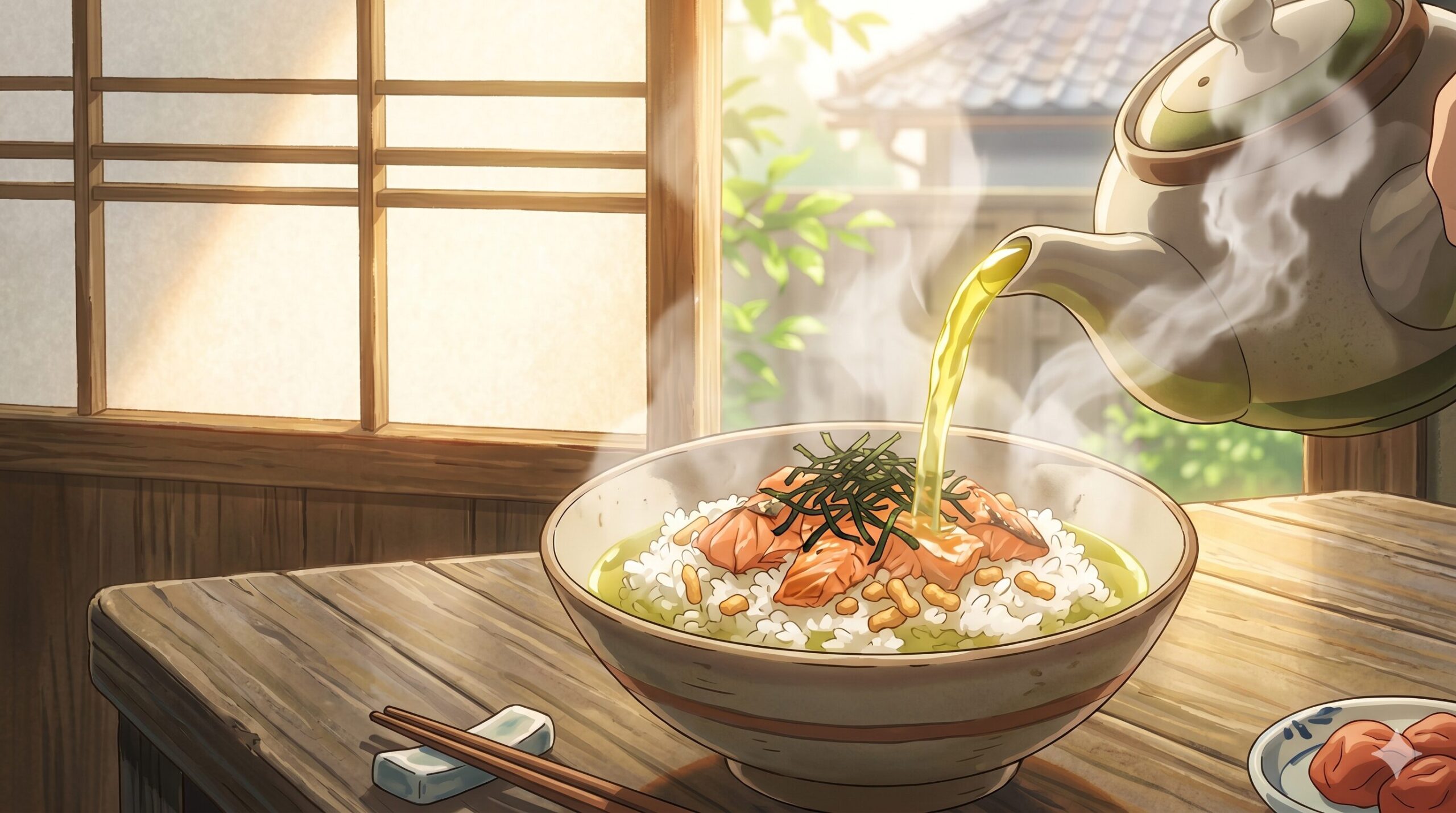
In Japan, there is a dish that is rooted in the hearts of the Japanese people just as deeply—if not more so—than high-end sushi or Wagyu beef. It is called “Ochazuke.” This ultimately simple dish, made simply by pouring hot green tea over cooked rice, is the starting point of Japanese home cooking and the ultimate fast food.
Every year on May 17th, Japan celebrates “Ochazuke Day” to praise the charm of this comforting dish. But why was this specific day chosen? Behind this date lies the story of a genius who dramatically changed Japan’s tea culture.
Soshichiro Nagatani and the “Sencha” Revolution
May 17th is the anniversary of the passing of Soshichiro Nagatani in 1778 during the Edo period. He is the inventor of the “Sencha” (green tea) manufacturing method that modern Japanese people drink daily. He is also the ancestor of the founder of Nagatanien, Japan’s most famous Ochazuke brand.
Before his invention, tea in Japan was generally brown and highly bitter. However, Soshichiro spent 15 years developing a revolutionary method of steaming tea leaves and hand-rolling them over a drying heater. This process allowed the tea to retain its vibrant green color, rich aroma, and deep umami flavor.
The birth of this delicious green tea evolved Japanese food culture from simply pouring hot water over rice (“Yuzuke”) to pouring highly aromatic tea over rice (“Ochazuke”). It is no exaggeration to say that without him, the delicious Ochazuke we know today would not exist.
Decoding Japanese Culture through Ochazuke: Mottainai and the Spirit of Zen
Ochazuke is not just a lazy meal. Within this single bowl of rice lies Japanese aesthetics and philosophy.
First and foremost is the spirit of “Mottainai” (avoiding waste). In ancient Japan, even if cooked rice grew cold and hard, it was never thrown away. By pouring hot tea over it and adding pickles, umeboshi (pickled plum), or scraps of salted salmon, people could enjoy every last grain. Ochazuke is a dish born from a deep gratitude for food.
Furthermore, Ochazuke reflects the philosophy of “Zen.” In the dining etiquette of Zen monks, there is a custom of pouring hot water or tea into the bowl after a meal, using a piece of pickled radish to wipe the bowl clean, and then drinking it all. Stripping away the unnecessary and experiencing maximum richness with minimal elements—this extreme minimalism is the very aesthetic of Ochazuke.
A Bowl of Comfort in Modern Japan
Even in modern Japan, Ochazuke holds a special place. In a quiet kitchen late at night after working overtime, or as the final dish to end a night of drinking with friends. It is a symbol of “Comfort” that gently warms not only the stomach but also a tired soul.
Today, instant “Ochazuke seasoning packets” containing matcha, seaweed, crispy rice crackers, and freeze-dried salmon or plum are widely available. You can enjoy the perfect bowl anytime just by adding hot water. This represents Japanese culture itself: continuously innovating while preserving tradition.
Why Not Find Your Own Perfect Bowl?
A cup of tea and a bowl of rice. The infinite microcosm created by combining these two is Ochazuke.
After reading this, what kind of ingredients do you want to put on your rice? Traditional pickled plum or salmon? Or would you like to try a new arrangement using cheese or spices from your own country?
Ochazuke is a blend of Japan’s rich history and spirituality. Please try experiencing the magic of tea and rice with your own hands tonight. And be sure to let us know your wonderful ideas in the comments!
References & Related Articles
- Explore more: What’s Today’s Special Day Series
- External Link: Nagatanien Official Website (History of Ochazuke)
5月17日は「お茶漬けの日」:日本のソウルフードに隠された歴史と禅の心
日本には、高級な寿司や和牛と同じくらい、あるいはそれ以上に日本人の心に深く根付いている食べ物があります。それが「お茶漬け(Ochazuke)」です。ご飯にお茶をかけるだけという究極にシンプルなこの料理は、日本の家庭料理の原点であり、究極のファストフードでもあります。
毎年5月17日は、このお茶漬けの魅力を讃える「お茶漬けの日」です。では、なぜこの日が選ばれたのでしょうか?そこには、日本の茶文化を劇的に変えた一人の天才の物語が隠されています。
永谷宗七郎と「煎茶」の革命
5月17日は、江戸時代の1778年に亡くなった永谷宗七郎(ながたに そうしちろう)の命日です。彼は、現代の日本人が日常的に飲んでいる「煎茶(青製煎茶製法)」を発明した人物であり、日本で最も有名なお茶漬けメーカー「株式会社永谷園」の創業者の先祖でもあります。
彼が新しい製法を発明する前の日本のお茶は、茶色くて苦味が強いものが一般的でした。しかし、永谷宗七郎は15年もの歳月をかけて、茶葉を蒸し、焙炉(ほいろ)の上で手もみして乾燥させる画期的な製法を編み出しました。これにより、お茶は鮮やかな緑色を保ち、豊かな香りと旨味を持つようになったのです。
この美味しい「緑茶」の誕生が、ご飯にただお湯をかける「湯漬け」から、香り高いお茶をかける「お茶漬け」へと、日本の食文化を大きく進化させました。彼がいなければ、現代の美味しいお茶漬けは存在しなかったと言っても過言ではありません。
お茶漬けから読み解く日本文化:無駄をなくす「もったいない」と「禅」の精神
お茶漬けは、単なる手抜き料理ではありません。この一杯の丼の中には、日本人の美意識や哲学が詰まっています。
まず第一に、「もったいない(Mottainai)」の精神です。昔の日本では、炊いたご飯が冷めて硬くなってしまっても、決して捨てることはありませんでした。そこに熱いお茶をかけ、漬物や梅干し、鮭の切れ端を添えることで、最後の一粒まで美味しくいただく。お茶漬けは、食材への深い感謝から生まれた料理なのです。
さらに、お茶漬けには「禅(Zen)」の思想が表れています。禅の修行僧の食事作法には、食後に器にお湯や茶を注ぎ、たくあんなどの漬物で器を洗い清めながら全てを飲み干すという習慣があります。余計なものを削ぎ落とし、最小限の要素で最大の豊かさを味わう。このミニマリズムの極致こそが、お茶漬けの美学です。
現代日本における「癒やし」の一杯
現代の日本においてもお茶漬けは特別な存在です。残業で遅く帰った夜の静かなキッチンで。あるいは、友人たちとお酒を飲んだ後の「シメ」の一杯として。胃袋だけでなく、疲れた心までじんわりと温めてくれる「癒やし(Comfort)」の象徴です。
現在では、抹茶、海苔、あられ、フリーズドライの鮭や梅干しが入った「お茶漬けの素」が普及し、お湯を注ぐだけでいつでも最高の一杯が楽しめるようになりました。これは、伝統を守りながらも革新を続ける日本文化そのものを表しています。
あなただけの一杯を見つけてみませんか?
一杯のお茶と、一杯のご飯。この2つが組み合わさることで生まれる無限の小宇宙が、お茶漬けです。
この記事を読んで、あなたはどんな具材をご飯に乗せてみたいと思いましたか?伝統的な梅干しや鮭でしょうか。それとも、あなたの国にあるチーズやスパイスを使った新しいアレンジに挑戦してみたいですか?
日本の豊かな歴史と精神性が溶け込んだ「お茶漬け」。ぜひ今夜、あなた自身の手で、お茶とご飯の魔法を体験してみてください。そして、あなたの素晴らしいアイデアをコメントで教えてください。

コメント