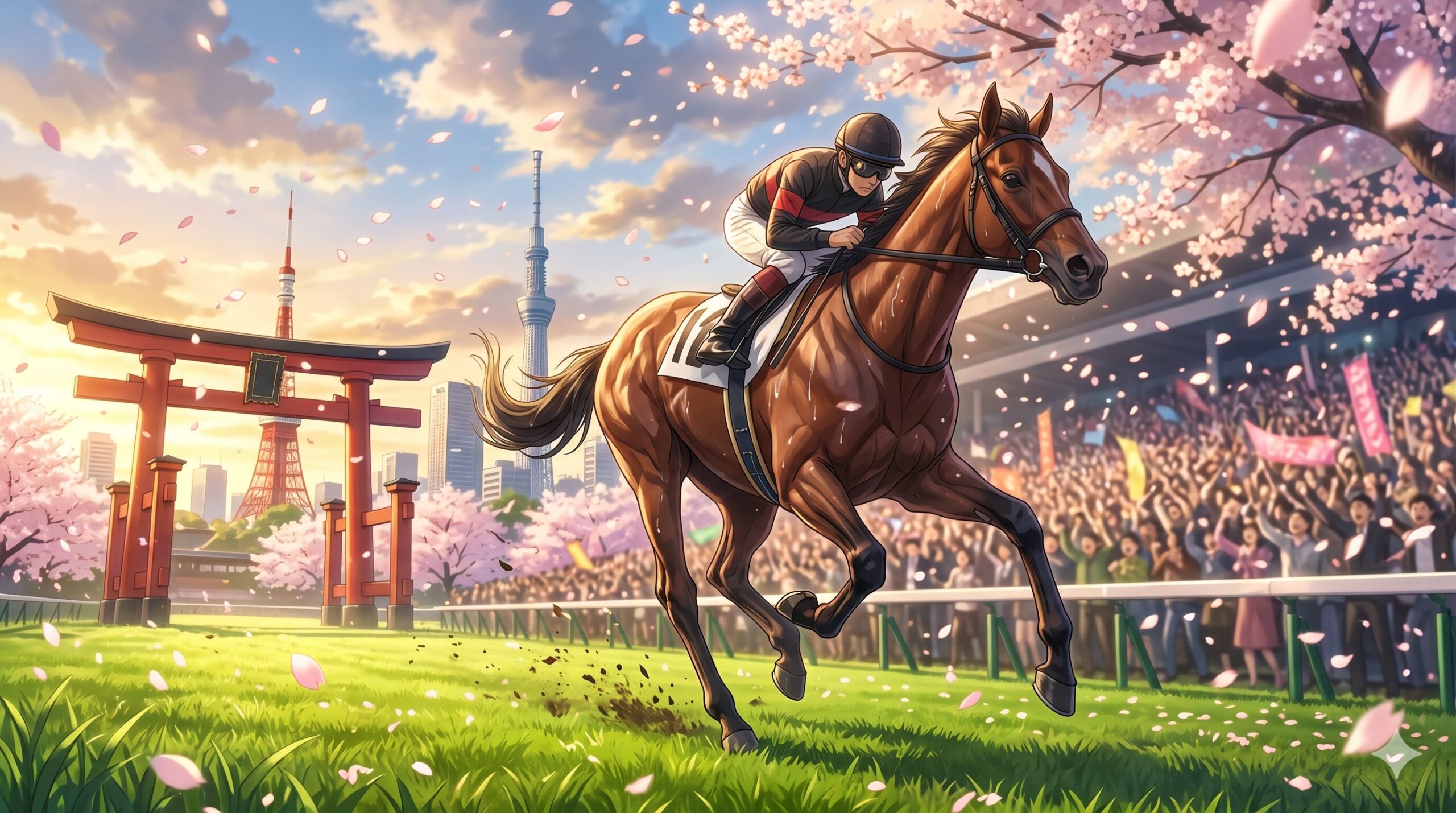
The Dawn of the Japan Derby: Enthusiasm at Meguro Racecourse in 1932
Every year, April 24th marks a special occasion in Japan: “Japan Derby Memorial Day.” On this exact date in 1932, the first-ever Derby in Japan, officially named the “1st Tokyo Yushun,” was held at the Meguro Racecourse in Tokyo. Modeled after the traditional Epsom Derby in the United Kingdom, this monumental race became a major turning point in Japanese horse racing history.
At the time, Japan had established the improvement and breeding of horses as a national goal. Horse racing was not merely for entertainment or gambling; it served a crucial role as a “capability test” to breed stronger, superior horses. During the inaugural race, massive crowds flocked to the vast grounds. The very first champion crowned was a racehorse named “Wakataka.” Running through a muddy, poor track and winning by a wide margin, Wakataka left a lasting impression on the Japanese public, symbolizing the dawn of modern horse racing in the country.
From Shinto Rituals to Entertainment: The Evolution of Japanese Culture in Racing
When we look deeply into Japanese horse racing, we can see the vivid reflections of ancient Japanese culture and spirituality. In Japan, horses have long been revered as “Shinme” (the sacred horses of the gods). The “Ema” (wooden wishing plaques) seen at almost every Shinto shrine today actually originated from the practice of offering a drawing of a horse on wood instead of donating a real, living horse. Traditions like the “Kamo Kurabeuma” (a ritual horse race at Kamigamo Shrine), where the will of the gods is divined through the running of horses, are still kept alive today.
Modern horse racing in Japan (organized by the JRA – Japan Racing Association) has undergone a unique evolution unmatched anywhere else in the world. The old, dark image of “pure gambling” has been completely wiped away. Today, Japanese racecourses are known for their massive, beautiful green turf, immaculately clean facilities, and family-friendly atmosphere where couples and children enjoy picnic-like experiences. Furthermore, the passion of Japanese breeders, who study bloodlines for generations to create the perfect thoroughbred, perfectly mirrors the traditional Japanese “Monozukuri” (craftsmanship) spirit.
In recent years, anime and video games featuring anthropomorphized racehorses have become a massive social phenomenon, attracting young demographics and overseas fans who previously knew nothing about the sport. This brilliant fusion of traditional bloodline romance and modern pop culture clearly illustrates Japan’s unique cultural process: cherishing the old while seamlessly integrating the new.
Reference Links & Related Articles
- External Reference (JRA Official English Site): Japan Racing Association
- Internal Link: Read more in our “What’s Today’s Special Day” Series
To Our Readers
From sacred Shinto rituals to world-class entertainment and modern pop culture, the evolution of Japanese horse racing is truly remarkable. Are you surprised by how deeply a single sport is intertwined with a country’s history and traditional culture?
If you were to visit Japan, would you like to step into one of these incredibly clean, modern racecourses to feel the thundering hooves and the romance of Japanese craftsmanship for yourself? Please let me know what you think about Japan’s unique horse racing culture in the comments below!
4月24日は「日本ダービー記念日」:競馬から読み解く日本の歴史と探求心
日本ダービーの夜明け:1932年、目黒競馬場の熱狂
毎年4月24日は、日本において特別な意味を持つ「日本ダービー記念日」です。1932年(昭和7年)のこの日、東京の目黒競馬場にて、日本で初めてのダービー「第1回東京優駿大競走」が開催されました。この記念すべきレースは、イギリスの伝統的な「エプソムダービー」を手本にして創設され、日本の競馬史における大きな転換点となりました。
当時の日本は、馬匹(ばひつ)の改良と生産を国家的な目標として掲げていました。単なる娯楽や賭け事としての競馬ではなく、より強靭で優秀な馬を育てるための「能力検定」という重要な側面を持っていたのです。第1回のレースでは、1万メートル以上にも及ぶ広大な敷地に多くの観衆が詰めかけました。その記念すべき初代王者に輝いたのは「ワカタカ」という名の競走馬でした。泥んこの不良馬場の中、2着に大差をつけて逃げ切ったワカタカの姿は、当時の日本国民に強烈な印象を与え、近代競馬の幕開けを象徴する出来事となりました。
神事からエンターテインメントへ:競馬に見る日本文化の進化
日本の競馬を深く読み解くと、そこには古来からの日本文化と精神性が色濃く反映されていることがわかります。日本では古くから、馬は「神の乗り物(神馬・しんめ)」として神聖視されてきました。現在でも多くの神社で見られる「絵馬(えま)」は、生きた馬を奉納する代わりに木に馬の絵を描いて祈願したことが起源です。神事としての「賀茂競馬(かもくらべうま)」など、馬が走る姿を通じて神意を占う伝統は、現代の日本にも脈々と受け継がれています。
現代の日本における競馬(JRA・日本中央競馬会主催のレース)は、世界的に見ても極めて特異な進化を遂げました。かつての「ギャンブル」という暗いイメージは払拭され、現在では広大で美しい芝生、清潔な施設、そして家族連れやカップルがピクニック感覚で訪れる一大エンターテインメントへと変貌しています。血統を何世代にもわたって研究し、理想のサラブレッドを作り上げようとする生産者たちの情熱は、日本の伝統的な「モノづくり」における職人魂そのものです。
さらに近年では、競走馬を擬人化したアニメやゲームが社会現象となり、全く競馬を知らなかった若い世代や海外のファンをも魅了しています。伝統的な血統のロマンと、現代のポップカルチャーが見事に融合している点は、古いものを大切にしながら新しいものを取り入れる日本独自の文化形成プロセスを如実に表しています。
参考リンク・関連記事
- 外部参考リンク(JRA公式サイト 競馬の歴史):日本中央競馬会 競馬の歴史
- 内部リンク:今日は何の日シリーズをもっと読む
読者の皆様へ
神聖な儀式から始まり、世界最高峰のエンターテインメント、そしてポップカルチャーへと進化を遂げた日本の競馬文化。一つのスポーツがこれほどまでに国の歴史や文化と深く結びついていることに、驚かれたのではないでしょうか?
もしあなたが日本を訪れたら、美しい芝生が広がる近代的な競馬場へ足を運び、地響きを立てて走る馬たちの迫力と、日本の職人魂が詰まった血統のロマンを肌で感じてみたいと思いませんか? この記事を読んで、日本の競馬文化についてどう感じたか、ぜひコメント欄であなたの意見を聞かせてください。

コメント