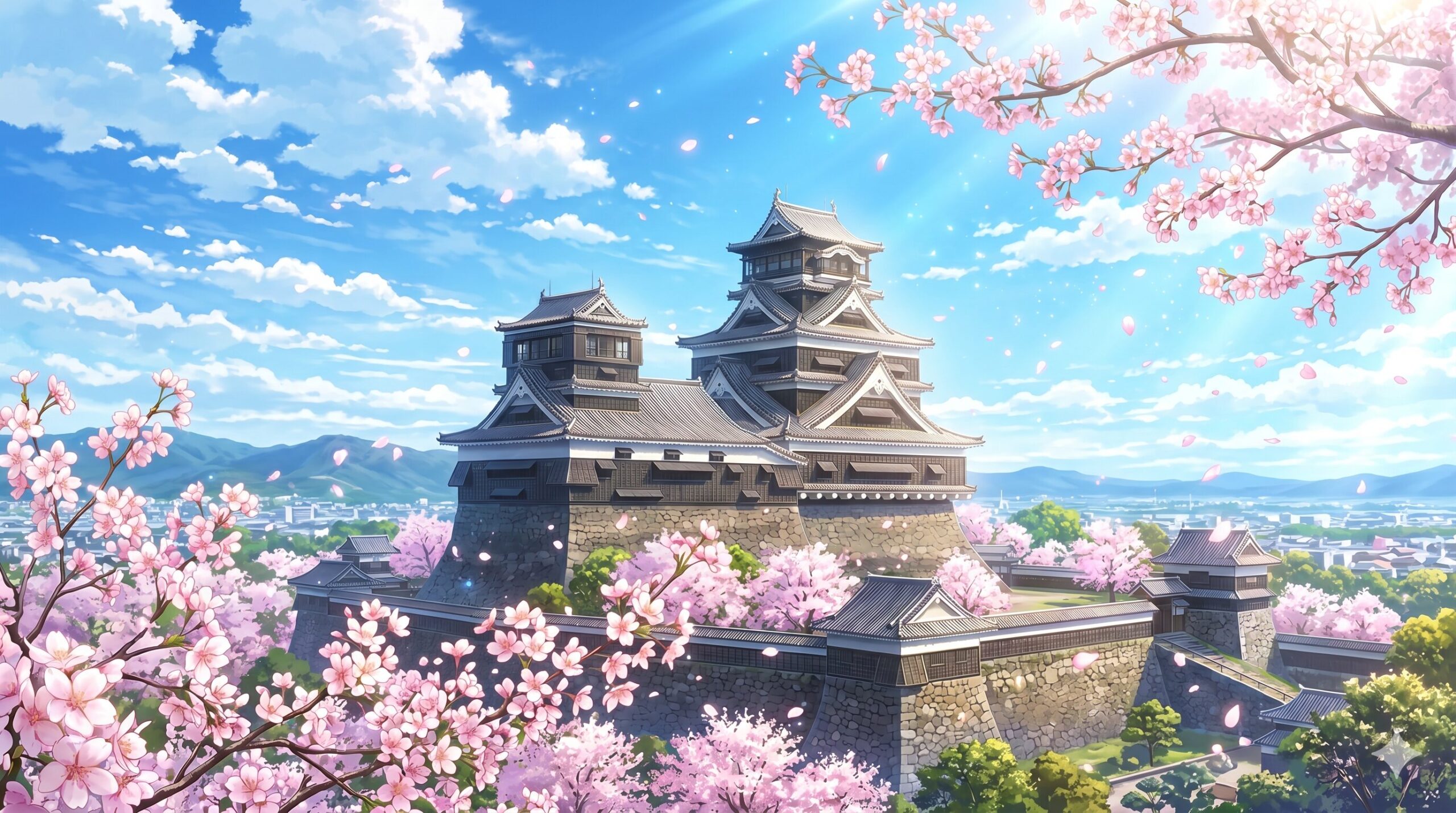
At 1:25 AM on April 16, 2016, a massive magnitude 7.3 earthquake struck Kumamoto Prefecture in the Kyushu region of Japan. This event is etched into Japan’s modern history as an exceptionally harsh and unprecedented natural disaster. The reason lies in what happened just two days prior: on the night of April 14, a magnitude 6.5 “foreshock” had already devastated the area.
While many people were busy cleaning up the damage from the foreshock and spending the night in evacuation centers in fear of aftershocks, an even more powerful main shock violently shook the earth. The occurrence of consecutive large-scale earthquakes in the exact same region defied the predictions of modern seismology and provided severe new lessons for Japan’s disaster prevention strategies. Infrastructure was severed, the beautiful mountains of Aso were permanently altered by landslides, and tragically, many precious lives were lost.
Kumamoto Castle and Aso Shrine: The Destruction of Cultural Heritage and the Truth They Tell
This earthquake inflicted catastrophic damage not only on the daily lives of the people but also on historical cultural properties that had been passed down for centuries. The most prominent symbol of this destruction was Kumamoto Castle, widely considered one of Japan’s three premier castles. Built in 1607 by the brilliant tactician and lord Kiyomasa Kato, the castle was renowned as an impregnable fortress designed for actual combat. Its magnificent stone walls, known as “Mushagaeshi” (warrior repellers), which curve steeper as they rise, are a masterpiece of Japanese architectural engineering.
However, the violent tremors of the main shock caused the complete collapse of the castle’s culturally significant Long Wall, sent the roof tiles of the main keep crashing to the ground, and triggered the collapse of roughly 30% of its proud stone walls. Furthermore, at Aso Shrine, which boasts a history of over 2,000 years, the nationally designated Important Cultural Properties—the “Romon” (two-story gate) and the “Haiden” (worship hall)—were completely flattened. The sight of these sacred spaces and the regional symbol lying in ruins brought profound sorrow to people across Japan.
Decoding Japanese Culture Through Disaster: “Kizuna” and the Mind-Boggling Aesthetics of Reconstruction
The core of Japanese culture that we must decode from this event is the “tenacity for rebirth” displayed after absolute devastation. Japan is an earthquake-prone archipelago; its people have lived alongside typhoons, tsunamis, and seismic shifts since ancient times. Therefore, the cultural mindset is not to conquer nature by force, but to accept its fury and rise up time and time again.
The ongoing restoration of Kumamoto Castle perfectly embodies the Japanese artisan spirit and patience. Approximately 100,000 fallen stones were carefully recovered, and every single one was assigned a number. Using pre-earthquake photographs and old blueprints, engineers and masons are currently returning each stone to its exact original location and angle, like a gigantic, high-stakes puzzle. It would be infinitely faster and cheaper to rebuild using modern, new stones. However, the Japanese place immense value on the continuity of history and the authenticity of restoring with original materials. It is estimated that the complete restoration will take decades, yet the people of Kumamoto watch over the process with immense pride.
We must also highlight the spirit of “Kizuna” (bonds) that the Japanese exhibit during times of disaster. The sight of volunteers rushing in from all over the country and victims sharing their limited food with one another showcased a high moral standard and a spirit of mutual aid, completely devoid of panic or looting. The fact that the “Restoration Castle Lord” donation program received massive financial support from all over the world proves just how deeply this castle is loved.
To Our Readers: How Would You Prepare and Rise Again?
Since the 2016 Kumamoto Earthquake, the city of Kumamoto has achieved remarkable recovery, and the main keep of Kumamoto Castle has once again revealed its beautiful, majestic form to the world. The sight of the castle, wounded yet resurrected, sends a powerful message of hope to anyone facing adversity.
After reading this article, what are your thoughts on the Japanese approach to natural disasters? How do you feel about the dedication to spending decades painstakingly restoring a destroyed historical building exactly as it was? If your hometown were to face a monumental trial, how would you and your community help each other and rise again? Please share your thoughts with us.
Reference Links
- Kumamoto Castle Official Website (External Site)
- Read more articles from the “What’s Today’s Special Day?” Series (Internal Link)
2016年4月16日:熊本地震「本震」の衝撃と、揺るぎない日本の復興の精神
2016年4月16日午前1時25分。日本の九州地方に位置する熊本県を、マグニチュード7.3の大地震が襲いました。これは、日本の観測史上においても極めて特異で、過酷な自然災害の記録として刻まれています。なぜなら、この「本震」のわずか2日前の4月14日夜に、すでにマグニチュード6.5の「前震」が発生していたからです。
多くの人々が前震による被害の片付けに追われ、余震の恐怖に怯えながら避難所で夜を明かしていたその時、さらに巨大なエネルギーを持つ本震が大地を揺らしました。前震を上回る規模の地震が同じ地域で連続して発生するという事態は、最新の地震学の予測をも超えるものであり、日本の災害対策の歴史に新たな教訓をもたらしました。インフラは寸断され、美しい阿蘇の山々は土砂崩れによって形を変え、多くの尊い命が失われました。
熊本城と阿蘇神社:失われた風景と、歴史的建造物が語る真実
この地震は、人々の生活だけでなく、何百年も受け継がれてきた日本の歴史的文化財にも甚大な被害を与えました。その象徴が、日本三名城の一つに数えられる「熊本城」です。1607年、名将・加藤清正によって築かれたこの城は、実戦を想定した難攻不落の要塞として知られていました。特に「武者返し」と呼ばれる、上に行くほど垂直に近くなる美しい反りを持った石垣は、日本の建築技術の結晶です。
しかし、本震の激しい揺れにより、重要文化財である長塀は倒壊し、天守閣の瓦は崩れ落ち、そして誇り高き石垣も約3割が崩落しました。また、2000年以上の歴史を持つと伝えられる阿蘇神社でも、国の重要文化財である「楼門」と「拝殿」が完全に倒壊しました。日本の神々が宿る神聖な場所と、地域のシンボルである城が傷ついた姿は、日本中の人々に深い悲しみを与えました。
震災から読み解く日本文化:「絆」と「復興」という名の気の遠くなるような美学
ここから私たちが読み解くべき日本文化の核心は、絶望的な破壊の後に見せる「再生への執念」です。日本は「地震大国」であり、古来より台風や津波などの自然災害と隣り合わせで生きてきました。そのため、自然を力でねじ伏せるのではなく、自然の猛威を受け入れながらも、何度でも立ち上がるという精神性が培われています。
熊本城の復旧作業は、まさに日本の職人魂と忍耐力の象徴です。崩れ落ちた約10万個の石材は、すべて回収され、一つ一つに番号が振られました。そして、地震前の写真や古い図面と照らし合わせ、巨大なパズルのように元の場所、元の角度へと正確に戻していく「石垣の積み直し」が行われているのです。新しい石を使って早く作り直す方がはるかに簡単です。しかし、日本人は歴史の連続性を重んじ、元の素材を使って修復することにこそ価値を見出します。完全復旧には数十年の歳月が必要とされていますが、熊本の人々はそれを誇りとして見守っています。
また、災害時に日本人が示す「絆(Kizuna)」の精神も特筆すべきです。全国から駆けつけたボランティア、互いに食料を分け合う被災者たちの姿には、パニックや略奪とは無縁の、高い道徳観と相互扶助の精神が表れていました。熊本城の修復費用として、「復興城主」という寄付制度に世界中から莫大な支援が寄せられたことも、この城がどれほど愛されているかを証明しています。
読者の皆様へ:あなたならどう備え、どう立ち上がりますか?
2016年の熊本地震から、熊本の街は目覚ましい復興を遂げ、熊本城の天守閣は再び美しく堂々たる姿を現しました。傷つきながらも蘇る城の姿は、困難に立ち向かうすべての人への希望のメッセージです。
この記事を読んで、あなたは自然災害に対する日本人のアプローチについてどう思いましたか?破壊された歴史的建造物を、気の遠くなるような時間をかけて元通りに修復する姿勢に、何を感じたでしょうか。もしあなたの住む街が大きな試練に直面したとき、あなたとあなたのコミュニティはどのように助け合い、立ち上がるでしょうか。ぜひ、あなたの考えを教えてください。


コメント