- A Second Life Born from Regret: A Story of Overwhelming Depth
- Why It’s Popular in Japan: Reflection of Modern Society and the Culture of “Reincarnation”
- Must-See Highlights! Recommended Points
- Reference Links and Further Exploration
- 後悔から始まる第二の人生:圧倒的な深みを持つあらすじ
- 日本における人気の理由:現代社会の投影と「輪廻転生」の文化
- ここが見どころ!絶対に見逃せないおすすめポイント
- 参考リンク・さらなる探求へ
A Second Life Born from Regret: A Story of Overwhelming Depth
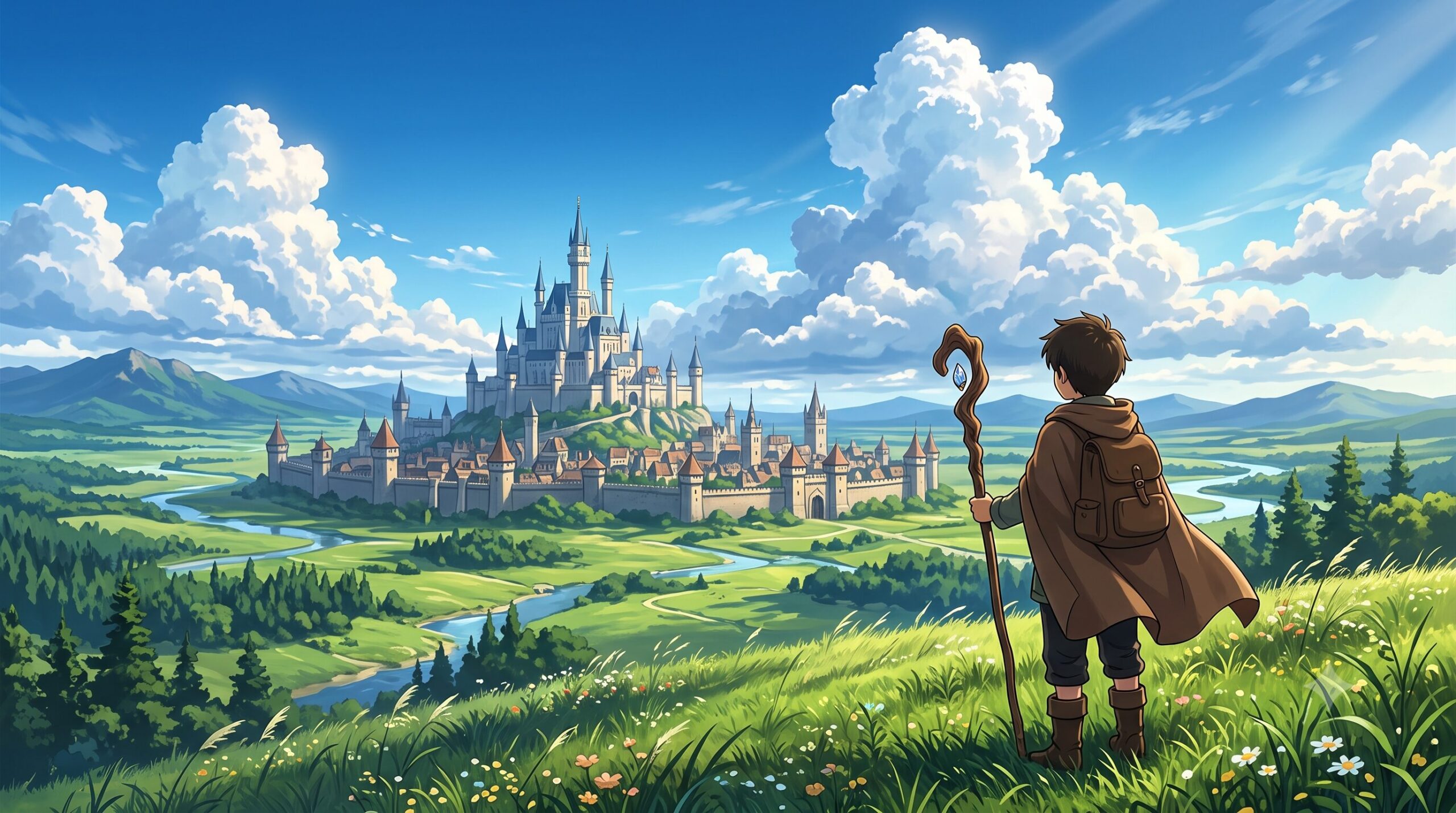
“Mushoku Tensei: Jobless Reincarnation” is a grand epic that goes far beyond the boundaries of a simple fantasy work, depicting the salvation and growth of a single human soul. The protagonist of the story is a 34-year-old jobless, reclusive man living in modern Japan. Evicted from his home on the day of his parents’ funeral, he loses his life trying to save a group of high schoolers from an oncoming truck. When he next opens his eyes, he is in another world where swords and magic exist. Reincarnated as a baby named “Rudeus Greyrat” with his past memories intact, he harbors intense regret and self-loathing from his previous life and resolves, “I will live my life to the fullest this time.”
This work meticulously illustrates his journey as he blossoms in his magical talents, experiences various encounters and partings, faces unimaginable setbacks, and grows from infancy into childhood and adulthood. The true appeal of this series lies not in a simple story of an overpowered protagonist using cheat abilities, but in the gritty human drama of relationship conflicts, family bonds, and stepping forward one step at a time while being tossed about by a harsh fate.
Why It’s Popular in Japan: Reflection of Modern Society and the Culture of “Reincarnation”
The explosive popularity of this work in Japan, hailed as the “monument of the Isekai Narou genre” (isekai works originating from web novels), is deeply connected to the issues faced by modern Japanese society and long-rooted cultural backgrounds.
First, the setting of the protagonist’s previous life as a “hikikomori (recluse) and NEET” carries a realistic pain that is deeply relatable to modern Japanese people exhausted by a highly competitive society and stressful human relationships. The catharsis of a person who has dropped out of society getting a “chance to start over” in a completely new environment speaks to the empathy and strong desires of many readers.
Second is the concept of “Rinne-Tensei” (reincarnation) deeply rooted in Japanese history and culture. Derived from Buddhist teachings, this ideology that “death is not the end; the soul is reborn in another form” has long been embedded in the Japanese psyche. The modern isekai reincarnation boom can be seen as a reinterpretation of this traditional concept, transformed into modern pop culture. This work embodies a highly philosophical and uniquely Japanese theme of not running away from the “karma” and trauma of a past life, but facing it head-on in a new one.
Must-See Highlights! Recommended Points
Here are three points to deeply enjoy this masterpiece:
- Uncompromising World-Building: The culture of the other world is meticulously detailed, down to its languages, religions, history, and geography. The anime even created its own distinct languages, offering an immersion unparalleled by others.
- Character Portrayals that Hide Neither “Ugliness” nor “Beauty”: The characters, including Rudeus, all harbor flaws, trauma, and moral weaknesses. Seeing them, not as flawless heroes, but as individuals who make mistakes yet grow and deepen their bonds, is profoundly moving.
- Pinnacle of Visual Beauty and Music: The animation studio, “Studio Bind,” was established specifically to create this work. The theatrical-quality magical combat scenes and expansive natural landscapes are a must-see.
This is a masterpiece that should be experienced as a bible of life, especially by those who hold prejudices against the Isekai fantasy genre.
Reference Links and Further Exploration
To dive deeper into the world of this work, please check out the official information below.
- “Mushoku Tensei: Jobless Reincarnation” TV Anime Official Website
- Mushoku Tensei – Wikipedia (English)
For more about wonderful Japanese anime culture and other masterpieces, please enjoy our other articles from the link below.
Japanese Anime Culture – Kiri53.com
無職転生 〜異世界行ったら本気だす〜:日本を熱狂させる異世界ファンタジーの金字塔
後悔から始まる第二の人生:圧倒的な深みを持つあらすじ
『無職転生 〜異世界行ったら本気だす〜』(Mushoku Tensei: Jobless Reincarnation)は、単なるファンタジー作品の枠に留まらない、一人の人間の魂の救済と成長を描いた壮大な大河ドラマです。物語の主人公は、現代日本で34歳になるまで部屋に引きこもっていた無職の男性です。彼は親の葬儀の日に家を追い出され、トラックに轢かれそうになった高校生を助けようとして命を落とします。次に彼が目を覚ましたとき、そこは剣と魔法が存在する異世界でした。「ルーデウス・グレイラット」という名の赤ん坊として転生した彼は、前世の記憶を持ったまま、過去の激しい後悔と自己嫌悪を胸に「今度こそ本気で生きていく」と決意します。
本作は、主人公が魔法の才能を開花させながら、様々な出会いと別れ、そして想像を絶する挫折を経験し、幼児期から少年期、青年期へと成長していく姿を克明に描きます。チート能力で無双するだけの単純なストーリーではなく、人間関係の軋轢、家族の絆、そして過酷な運命に翻弄されながらも一歩ずつ前へ進む泥臭い人間ドラマこそが、本作の最大の魅力です。
日本における人気の理由:現代社会の投影と「輪廻転生」の文化
本作が日本で爆発的な人気を誇り、「異世界なろう系(Web小説発祥の異世界作品)の金字塔」と称賛されるのには、日本の現代社会が抱える問題と、古くから根付く文化的背景が深く関わっています。
第一に、主人公の前世の姿である「引きこもり・ニート」という設定は、競争社会や人間関係のストレスに疲弊する現代の日本人にとって、決して他人事ではないリアルな痛みを伴います。社会からドロップアウトしてしまった人間が、全く新しい環境で「やり直す機会」を得るというカタルシスは、多くの読者の共感と強い願望を代弁しています。
第二に、日本の歴史・文化に深く根付く「輪廻転生(りんねてんせい)」の死生観です。仏教の教えに由来するこの概念は、「死は終わりではなく、魂は別の形で生まれ変わる」という思想であり、日本人の精神性に古くから組み込まれています。現代の異世界転生ブームは、この伝統的な輪廻転生の概念が、現代のポップカルチャーとして形を変え、再解釈されたものだと言えます。本作は、前世での「業(カルマ)」やトラウマから逃げることなく、新しい人生でそれにどう立ち向かうかという、非常に哲学的で日本的なテーマを内包しているのです。
ここが見どころ!絶対に見逃せないおすすめポイント
この作品を深く楽しむためのポイントは以下の3点です。
- 妥協のない圧倒的な世界観構築:言語、宗教、歴史、地理に至るまで、異世界の文化が極めて緻密に設定されています。アニメ版では独自の言語が作られるなど、その没入感は他の追随を許しません。
- 人間の「醜さ」と「美しさ」を隠さないキャラクター描写:主人公のルーデウスを含め、登場人物たちは皆、欠点やトラウマ、倫理的な弱さを抱えています。完全無欠の英雄ではない彼らが、過ちを犯しながらも成長し、絆を深めていく姿は非常に感動的です。
- 最高峰の映像美と音楽:アニメーション制作スタジオ「スタジオバインド」は、本作を作るためだけに設立されました。劇場版クオリティで描かれる魔法の戦闘シーンや、広大な自然の風景描写は必見です。
異世界ファンタジーというジャンルに偏見を持っている人にこそ、人生のバイブルとして触れていただきたい傑作です。
参考リンク・さらなる探求へ
作品の世界をさらに深く知るために、以下の公式情報もぜひご覧ください。
日本の素晴らしいアニメ文化やその他の名作については、以下のリンクから当ブログの別記事をお楽しみください。
Japanese Anime Culture – Kiri53.com
コメント