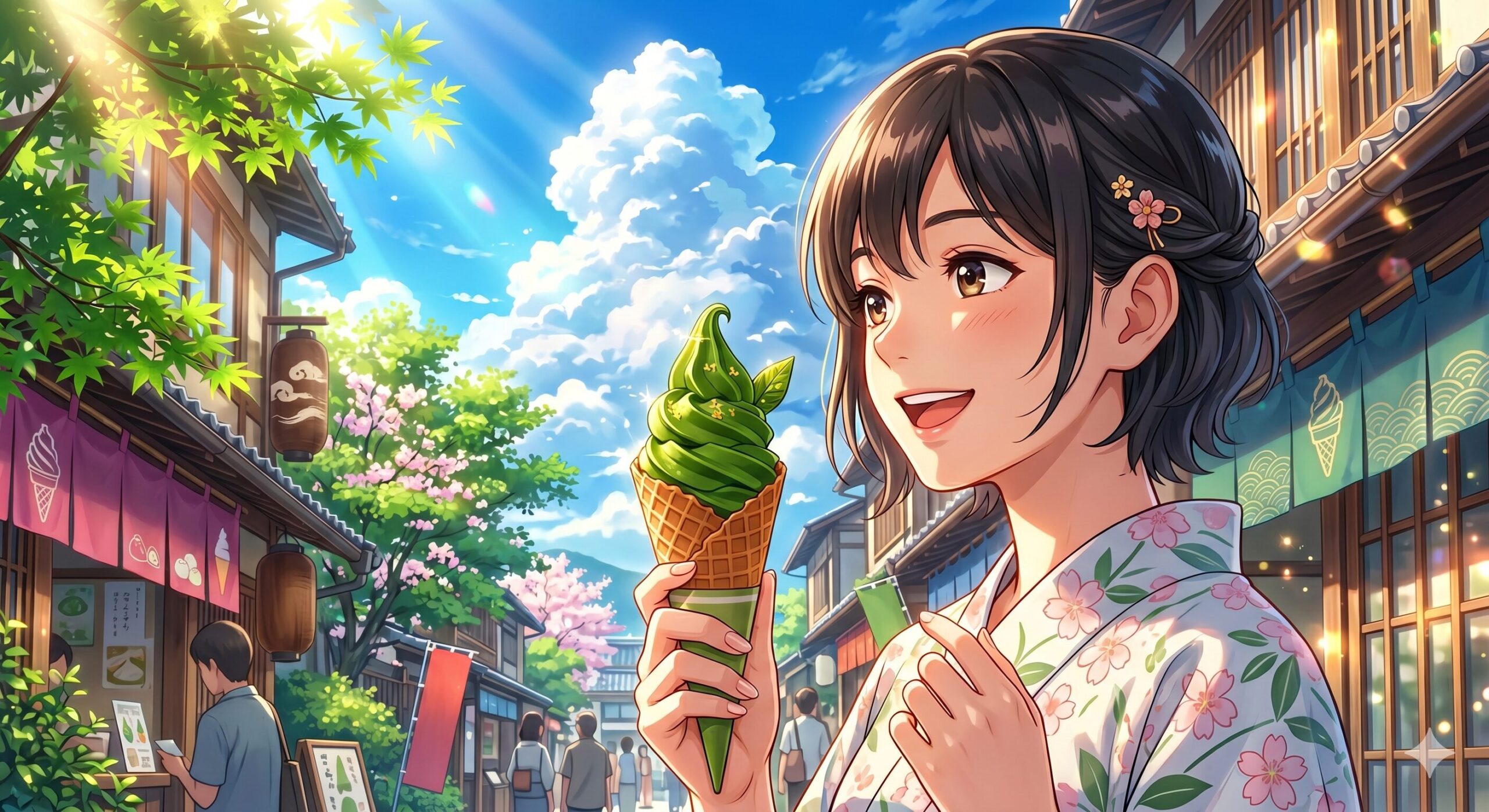
May 9th is widely known and celebrated as “Ice Cream Day” in Japan. While this cold, sweet dessert is beloved worldwide, the development of ice cream in Japan goes far beyond merely imitating Western sweets. It has undergone a unique evolution and now captivates people around the globe as a distinct part of Japanese food culture and culinary art. In this article, we will explore the historical background of this anniversary and dive deep into Japan’s unique ice cream culture, highlighting innovations like matcha and mochi ice cream.
- The Origins of Ice Cream Day and Japanese History
- Wakon Yosai: The Unique Evolution of Ice Cream in Japan
- The Concept of “Shun” (Seasonality) and the Art of Convenience Store Sweets
- Conclusion: Tell Us About Your Ice Cream Experience
- アイスクリームの日の由来と日本の歴史
- 和魂洋才:日本におけるアイスクリームの独自の進化
- 日本文化における「旬」とコンビニスイーツの芸術
- 結び:あなたのアイスクリーム体験を教えてください
The Origins of Ice Cream Day and Japanese History
The origins of “Ice Cream Day” date back to 1964. In that year, the Tokyo Ice Cream Association (now the Japan Ice Cream Association) celebrated the start of the ice cream season right after the Golden Week holidays on May 9th by holding a commemorative event and donating ice cream to social welfare facilities. Since then, May 9th has been officially established as “Ice Cream Day.” Even today, various events and free ice cream distributions are held across Japan on this day.
However, the history of Japanese people’s first encounter with ice cream goes back much further, to the early Meiji period. In June 1869, a man named Fusazo Machida began manufacturing and selling Japan’s first ice cream, called “Aisu Kurin” (Ice Cornet), in the Bashamichi area of Yokohama. The recipe at the time was extremely simple, using only milk, sugar, and egg yolks, and it is said to have had a slightly icy, sherbet-like texture rather than the creamy consistency we know today. At the time, it was an extremely expensive luxury item out of reach for the general public, but it amazed and moved people as a symbol of cultural enlightenment and Westernization.
Wakon Yosai: The Unique Evolution of Ice Cream in Japan
Ice cream introduced from the West underwent a unique evolution by combining with Japan’s climate, craftsmanship, and rich traditional ingredients. This process strongly reflects the unique Japanese spirit of “Wakon Yosai” (Japanese spirit, Western learning)—the philosophy of adopting foreign cultures and elevating them into something distinctly Japanese.
- The Birth and Global Spread of Matcha Ice Cream: Matcha ice cream is now a staple in cafes and restaurants worldwide. The exquisite balance of bitterness and sweetness makes it one of the masterpieces of Japanese ice cream culture. The innovative idea of incorporating an ingredient from the highly formal traditional culture of the tea ceremony into a popular cold dessert vastly expanded the possibilities of Japanese ice cream.
- The Miracle of Mochi Ice Cream (Yukimi Daifuku): Born in the 1980s, products that wrap ice cream in soft mochi (rice cake) are a crystallization of the technological prowess of Japanese confectionery manufacturers. The special technology that prevents the mochi from hardening even when frozen perfectly fused traditional Japanese sweets (Daifuku) with Western ice cream.
- Local “Soft Serve” (Sofuto Kuriimu) Culture: When you visit tourist spots across Japan, you will almost certainly encounter “Gotochi Sofuto” (local soft-serve ice cream) made with regional specialty ingredients. From lavender and melon in Hokkaido to yuba (tofu skin) and hojicha in Kyoto, and even soy sauce, wasabi, or edible gold leaf in Kanazawa, the variations are infinite. This is closely tied to Japan’s rich tourism culture, where people love local specialties and enjoy food as a memory of their travels.
The Concept of “Shun” (Seasonality) and the Art of Convenience Store Sweets
When discussing Japanese ice cream culture, the concepts of “four seasons” and “Shun” (seasonality) are indispensable. Japanese consumers highly value the sense of the seasons, and the ice cream market caters to this perfectly. In spring, sakura (cherry blossom) flavors appear, while in autumn, seasonal limited edition flavors like sweet potato, chestnut, and pumpkin line the store shelves. Feeling the changing of the seasons through ice cream has become a significant cultural experience for modern Japanese people.
Furthermore, the high quality of ice cream sold in Japanese convenience stores constantly surprises foreign tourists. Despite affordable prices of just a few hundred yen, they offer smooth textures, complex flavors, and beautiful packaging designs that rival high-end specialty shops. This reflects the spirit of “Omotenashi” (hospitality) and aesthetic sense in Japanese manufacturing, where there is no compromise on quality, regardless of the product’s price.
Conclusion: Tell Us About Your Ice Cream Experience
From the “Aisu Kurin” of 1869 to the evolution of matcha, mochi ice cream, and seasonal flavors, Japanese ice cream is not just a sweet treat. It is a crystallization of culture filled with Japanese history, technology, and a deep love for the seasons.
After reading this article, what are your thoughts on Japanese ice cream culture? What is the most memorable Japanese ice cream flavor you have ever had? Or, if you visit Japan, what kind of unusual local soft-serve ice cream would you like to try? Please let us know your thoughts and experiences in the comments.
For more deep dives into other Japanese anniversaries and culture, please visit More from the “What’s Today’s Special Day” Series.
5月9日は「アイスクリームの日」:日本のアイスクリーム文化の歴史と進化
5月9日は日本において「アイスクリームの日」として広く知られています。冷たくて甘いこのデザートは世界中で愛されていますが、日本におけるアイスクリームの発展は、単なる西洋の菓子の模倣にとどまりません。独自の進化を遂げ、今や日本独自の食文化、そして芸術の一部として世界中の人々を魅了しています。本記事では、この記念日の歴史的背景から、抹茶やもちなどを用いた日本独自のアイスクリーム文化の深層までを詳細に解き明かします。
アイスクリームの日の由来と日本の歴史
「アイスクリームの日」の起源は、1964年(昭和39年)に遡ります。この年、東京アイスクリーム協会(現在の日本アイスクリーム協会)が、アイスクリームのシーズンインとなる連休明けの5月9日に、記念事業と社会福祉施設へのアイスクリームの寄贈を行いました。これを機に、毎年5月9日が「アイスクリームの日」として正式に制定されました。現在でもこの日には、日本各地でアイスクリームの無料配布や様々なイベントが開催されています。
しかし、日本人が初めてアイスクリームに出会った歴史はさらに古く、明治時代初期にまで遡ります。1869年(明治2年)6月、現在の神奈川県横浜市馬車道において、町田房蔵という人物が日本初のアイスクリーム「あいすくりん」の製造・販売を開始しました。当時のレシピは、牛乳、砂糖、卵黄のみを使用した非常にシンプルなもので、現在のアイスクリームというよりは、シャーベットのようなシャリシャリとした食感だったと言われています。当時は非常に高価な嗜好品であり、一般大衆が日常的に口にできるものではありませんでしたが、文明開化の象徴的な食べ物として人々に驚きと感動を与えました。
和魂洋才:日本におけるアイスクリームの独自の進化
西洋から伝わったアイスクリームは、日本の気候風土と職人気質、そして豊かな伝統食材と結びつくことで、独自の進化を遂げました。このプロセスは、外来の文化を取り入れ、日本独自のものへと昇華させる「和魂洋才(わこんようさい)」という日本独自の精神を色濃く反映しています。
- 抹茶アイスクリームの誕生と世界的な普及: 今や世界中のカフェやレストランで定番となった抹茶アイス。苦味と甘味の絶妙なバランスは、日本のアイスクリーム文化の最高傑作の一つです。茶道という格式高い伝統文化の素材を、大衆的な冷菓に組み込むという斬新なアイデアが、日本のアイスクリームの可能性を大きく広げました。
- 雪見だいふく(Mochi Ice Cream)の奇跡: 1980年代に誕生した、アイスクリームを柔らかなお餅で包んだ商品は、日本の菓子メーカーの技術力の結晶です。冷凍下でもお餅が硬くならない特殊な技術は、日本の伝統的な和菓子(大福)と西洋のアイスクリームを完璧に融合させました。
- ご当地ソフトクリーム文化: 日本全国の観光地を訪れると、必ずと言っていいほどその土地特産の食材を使った「ご当地ソフトクリーム」に出会います。北海道のラベンダーやメロン、京都の湯葉やほうじ茶、さらには醤油やわさび、金箔に至るまで、そのバリエーションは無限です。これは、地域の特産品を愛し、旅の思い出として食を楽しむ日本の豊かな観光文化と密接に結びついています。
日本文化における「旬」とコンビニスイーツの芸術
日本のアイスクリーム文化を語る上で欠かせないのが「四季」と「旬」の概念です。日本の消費者は季節感を非常に大切にしており、アイスクリーム市場もそれに完璧に応えています。春には桜餅風味、秋にはサツマイモや栗、かぼちゃといった季節限定(Seasonal Limited Edition)フレーバーが次々と店頭に並びます。アイスクリームを通じて季節の移ろいを感じることは、現代の日本人にとって重要な文化的体験となっています。
さらに、日本のコンビニエンスストアで販売されているアイスクリームの品質の高さは、訪日外国人観光客を常に驚かせます。数百円という手頃な価格でありながら、高級専門店に引けを取らない滑らかな口当たり、複雑な味わい、そして美しいパッケージデザイン。ここには、どんなに安価な製品であっても品質に妥協しない、日本のモノづくりにおける「おもてなし」の精神と美意識が宿っています。
結び:あなたのアイスクリーム体験を教えてください
1869年の「あいすくりん」から始まり、抹茶やもちアイス、そして季節のフレーバーへと進化した日本のアイスクリーム。それは単なる甘いお菓子ではなく、日本の歴史、技術、そして季節を愛する心が詰まった文化の結晶です。
この記事を読んで、日本のアイスクリーム文化についてどう思われましたか?あなたがこれまでに食べた中で最も印象に残っている日本のアイスクリームのフレーバーは何ですか?または、もし日本を訪れたら、どんな変わったご当地ソフトクリームに挑戦してみたいですか?ぜひ、あなたの考えや体験をコメントで教えてください。
日本のその他の記念日や文化の深掘りについては、今日の記念日シリーズをもっと読むからご覧いただけます。


コメント