- The Birth of Samurai Rule: The Historical Significance of the Seii Taishogun
- Connection to Japanese Culture: The Origins of Bushido and Zen Discipline
- To Our Readers: What Can We Learn from This Historical Turning Point?
- Reference Links and Related Articles
- 武家政権の誕生:源頼朝と「征夷大将軍」の歴史的意義
- 日本文化との関連:「質実剛健」と武士道の源流
- 読者の皆様へ:歴史の転換点から何を学びますか?
- 参考リンクと関連記事
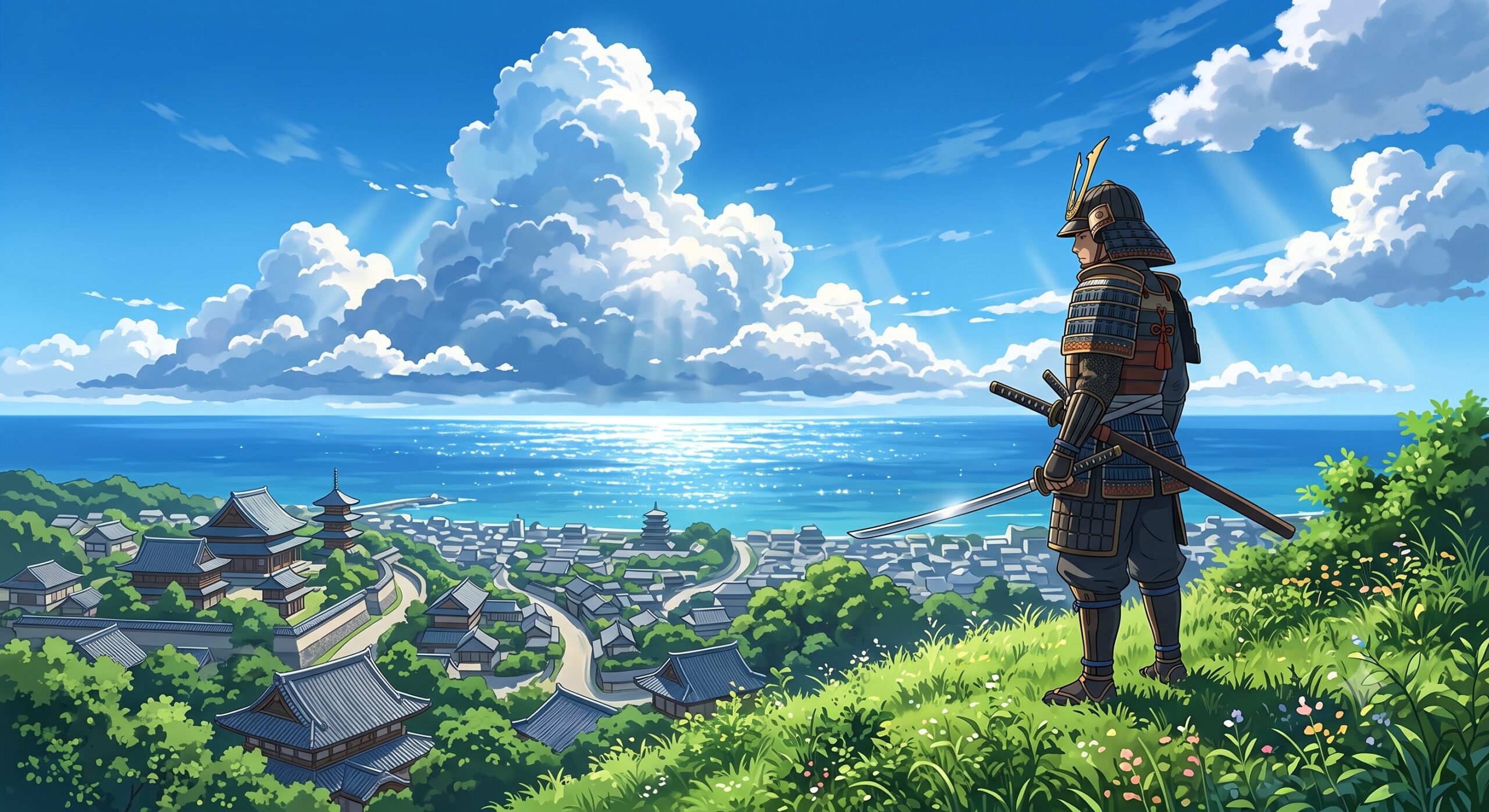
The Birth of Samurai Rule: The Historical Significance of the Seii Taishogun
In Japanese history, July 12, 1192, marks a decisive turning point where the power structure of the nation was fundamentally overturned. On this day, Minamoto no Yoritomo was appointed as the “Seii Taishogun” (Barbarian-Quelling Generalissimo) by the Imperial Court. This was not merely the granting of a title; it represented the official shift of supreme power from the aristocratic nobles (Kuge) in Kyoto to the regional warrior class (Samurai), an event of monumental importance.
Yoritomo emerged victorious from the prolonged Genpei War, entirely destroying his greatest rivals, the Taira clan, at the Battle of Dan-no-ura. By establishing his own independent government (the Kamakura Shogunate) in the eastern region of Kamakura, far away from the Imperial Court in Kyoto, Yoritomo cemented his absolute authority. Receiving the title of Seii Taishogun gave him not only military and policing powers but also the undisputed legitimacy to rule the country. This single event inaugurated a nearly 700-year era of Samurai rule over Japan, which lasted until the fall of the Edo Shogunate in 1867.
Connection to Japanese Culture: The Origins of Bushido and Zen Discipline
Minamoto no Yoritomo’s establishment of the Shogunate did not just change Japan’s political landscape; it profoundly shaped its spirituality and culture. While the aristocratic culture of Kyoto valued “Miyabi” (elegant refinement) and extravagance, the Samurai of Kamakura prized “Shitsujitsu Goken” (simplicity, fortitude, and vigor). They embraced a life devoid of superficial decoration, focusing instead on physical and mental strength, sincerity, and resilience.
This era firmly established the ethical bond of “Goon and Hoko” (Favor and Service) between lord and vassal. In exchange for land grants (Goon) from their lord, Samurai pledged to fight to the death (Hoko). This unbreakable bond formed the very foundation of what would later be known as “Bushido” (The Way of the Warrior). Furthermore, because Samurai lived constantly on the edge of life and death, they deeply embraced Zen Buddhism. The practice of overcoming the fear of death through meditation and achieving a state of “nothingness” became the spiritual bedrock for many cultural arts we consider quintessentially Japanese today, such as the tea ceremony, swordsmanship, and Japanese rock gardens. The disciplined spirit of Kamakura that Yoritomo forged continues to influence the Japanese values of discipline, loyalty, and politeness today.
To Our Readers: What Can We Learn from This Historical Turning Point?
Minamoto no Yoritomo rose from the hardships of a young exile to carve out a new era with unwavering determination and political brilliance. Rather than completely destroying the old authority of the Imperial Court, he strategically utilized it while building an entirely new, meritocratic system far away in Kamakura. His strategic vision offers timeless lessons for modern business and navigating life’s major transitions.
If you had lived during this era, which world would have captivated you more: the glamorous, traditional aristocratic society of Kyoto, or the strict, merit-based, and unyielding warrior society of Kamakura? What inspiration do you draw from Yoritomo’s ability to overcome extreme adversity and create a new paradigm? We invite you to reflect on your thoughts and consider what aspects of the “Samurai Spirit” you might want to incorporate into your own modern life.
Reference Links and Related Articles
- Explore Kamakura (Japan National Tourism Organization)
- Minamoto Yoritomo (Encyclopedia Britannica)
- Explore more in the “What’s Today’s Special Day Series”
1192年7月12日:武士の時代の幕開け、源頼朝が征夷大将軍に就任した日
武家政権の誕生:源頼朝と「征夷大将軍」の歴史的意義
日本の歴史において、1192年(建久3年)7月12日は、国の権力構造が根本から覆った決定的な転換点です。この日、源頼朝(みなもとのよりとも)は朝廷から「征夷大将軍(せいいたいしょうぐん)」に任命されました。これは単なる役職の授与ではなく、日本の支配権が京都の貴族(公家)から、地方の武士(武家)へと正式に移ったことを意味する、極めて重要な出来事です。
頼朝は長年にわたる源平合戦(治承・寿永の乱)を勝ち抜き、最大のライバルであった平氏を壇ノ浦の戦いで滅ぼしました。その後、奥州藤原氏も討伐し、日本全国の武士を統率する絶対的な権力を確立します。京都の朝廷から離れた東国・鎌倉の地に独自の政権(鎌倉幕府)を樹立した頼朝は、この征夷大将軍の称号を得たことで、軍事・警察権のみならず、実質的な国家の支配者としての正当性を獲得しました。これにより、1867年の大政奉還で江戸幕府が終焉を迎えるまで、約700年近く続く「武士が日本を統治する時代」が幕を開けたのです。
日本文化との関連:「質実剛健」と武士道の源流
源頼朝の幕府創設は、日本の政治システムを変えただけでなく、精神性や文化にも計り知れない影響を与えました。京都の貴族文化が「雅(みやび)」や「華やかさ」を重んじていたのに対し、鎌倉の武士たちは「質実剛健(しつじつごうけん)」を美徳としました。飾り気を捨て、心身を鍛え、誠実で力強く生きるという価値観です。
この時代から、「御恩と奉公」という主従関係の倫理が確立します。主君から土地(御恩)を与えられる代わりに、命を懸けて戦う(奉公)というこの強い絆は、後の「武士道(Bushido)」の根幹を形成しました。また、武士たちは生死と隣り合わせの日常を生きていたため、自己の精神を極める「禅宗(Zen Buddhism)」を強く支持しました。座禅を通じて死への恐怖を克服し、無の境地に至るという教えは、茶道、剣術、日本庭園など、今日私たちが「日本的」と感じる多くの文化の基盤となっています。頼朝が築いた鎌倉の精神は、現代の日本人が重んじる「規律」「忠誠」「礼儀」といった道徳観に今も色濃く受け継がれています。
読者の皆様へ:歴史の転換点から何を学びますか?
源頼朝は、流罪となった不遇の青年時代から立ち上がり、冷徹なまでの決断力と政治力で新しい時代を切り開きました。古い権威(朝廷)を完全に破壊するのではなく、それを利用しながら全く新しいシステム(幕府)を遠く離れた鎌倉の地に構築した彼の戦略眼は、現代のビジネスや人生の転換期にも多くのヒントを与えてくれます。
もしあなたがこの時代に生きていたなら、華やかで伝統的な京都の貴族社会と、厳格で新しい実力主義の鎌倉の武家社会、どちらに魅力を感じるでしょうか?また、困難を乗り越えて新しい価値観を創造した頼朝の生き方から、あなたは自身の人生にどのようなインスピレーションを受けますか?ぜひ、あなたの考えや、現代の生活に取り入れたい「サムライの精神」について深く考えてみてください。

コメント