- September 14, 1900: The Opening of a Small School That Moved History
- The Story: The Small Light in Kojimachi Sanbancho
- Decoding Culture and History: Modern Japan and Umeko Tsuda’s Challenge
- To Our Readers: How Will You Live?
- 1900年9月14日:歴史を動かした小さな塾の開校
- 物語:麹町三番町の小さな灯火
- 文化と歴史の読み解き:近代日本と津田梅子の挑戦
- 読者の皆様へ:あなたはどう生きるか?
September 14, 1900: The Opening of a Small School That Moved History
On September 14, 1900 (Meiji 33), in a small rented house in Kojimachi, Tokyo, a school opened that held immense significance in Japanese history. It was the “Joshi Eigaku Juku” (Women’s Institute for English Studies), known today as Tsuda University. Founded by Umeko Tsuda, who was 35 years old at the time, and established with her own private funds and the help of her lifelong ally Alice Mabel Bacon, this private academy had a very modest beginning, with only 10 students on its opening day.
However, the philosophy championed by this small school was so grand and innovative that it fundamentally overturned the common sense of Japanese society at the time. In Meiji-era Japan, the mainstream of women’s education was focused on cultivating “Ryosai Kenbo” (Good Wives and Wise Mothers—protecting the home, supporting the husband, and raising clever children). It was not common for women to pursue academia and become independent in society, and the doors to higher education institutions were virtually closed to them. Umeko Tsuda aimed to cultivate “women who can think for themselves, take action, and be independent” through Western academia and thought, rather than just teaching English as a language.
Her educational policy was extremely strict. Maintaining small class sizes and respecting the individuality of the students, she demanded academic rigor equal to or greater than what the male elite of the time were receiving. Distinguishing itself from Japan’s rote-memorization-centric education, her education, which emphasized discussion and logical thinking, was truly the dawn of “genuine higher education for women” in Japan.
The Story: The Small Light in Kojimachi Sanbancho
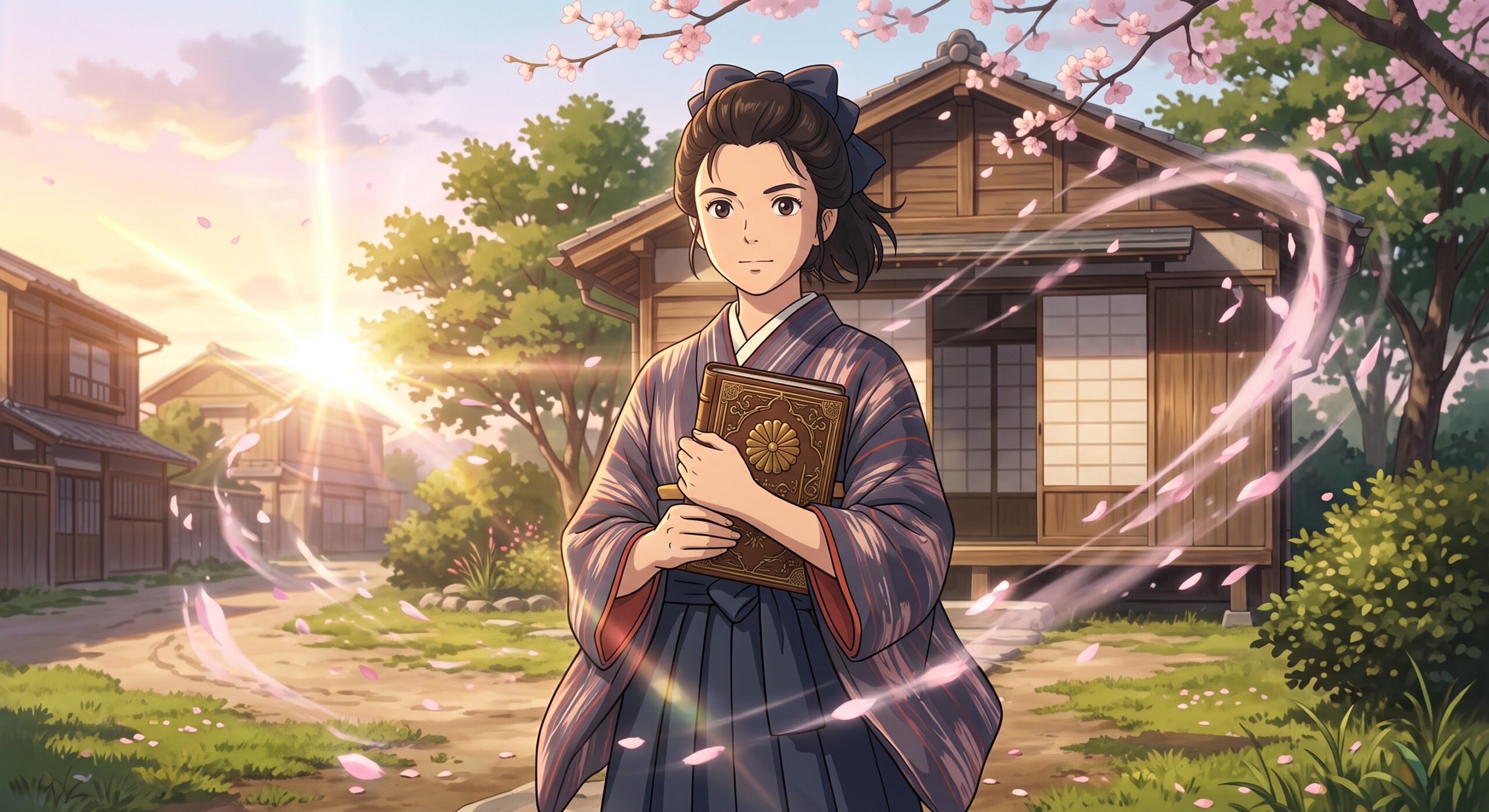
Tokyo, September 1900. The wind, still carrying the lingering moisture of summer, blew through the narrow alleys of Kojimachi Sanbancho. In front of a modest two-story wooden house, Umeko Tsuda took a deep breath. A newly painted sign reading “Joshi Eigaku Juku” hung at the entrance.
“The day has finally come, Umeko.”
The voice from behind belonged to Alice Bacon, her best friend and co-founder who had rushed over from America. Umeko turned around and nodded quietly. The long and rugged path she had walked flashed through her mind like a lantern.
The day she crossed the ocean at just six years old as Japan’s first female exchange student, accompanying the Iwakura Mission. The days of despair when, after 11 years of living in the US and returning to Japan full of hope, she met the thick wall of Japanese society that dictated “learning is unnecessary for women.” And the decision to return to the US to study at Bryn Mawr College in search of true education, eventually throwing away a brilliant future as a cutting-edge researcher in biology to return to Japan for the mission of “liberating Japanese women.”
“All we have is this small house, a few desks, and ten students. We don’t have a grand school building like the Peeresses’ School, nor abundant funds,” Umeko said, looking at the crude long desks lined up beyond the open shoji screens.
“Yes, but we have the ‘truth’ here,” Alice smiled.
9:00 AM. The ten female students who came through the gate all had tense expressions, but their eyes held an uncontainable flame of intellectual curiosity. At a time when it was still rare for a woman to knock on the doors of academia of her own free will, they too stood there, having pushed past the prejudice of society and the opposition of their families.
Umeko stood in front of a small podium, too low to be called a lectern. She was not wearing a flamboyant kimono, but a minimalist hakama.
“Welcome to the Joshi Eigaku Juku. Today, you did not come here merely to learn the English language,” Umeko’s voice was quiet, but it possessed a core strength that echoed into every corner of the room. “You came here to gain the ‘power’ to know the world, think with your own head, and live as an independent human being in society. Becoming a good wife and wise mother is not the only path for a woman. Learning will give you freedom.”
The moment they heard those words, something sparked within the students. Some teared up, others straightened their backs. Outside, the everyday life of the Meiji era flowed by, with the sound of rickshaw wheels and the voices of peddlers, but inside this small rented house, the pulse of a new era had definitively begun to beat.
Financial difficulties, a lack of understanding from society, and illness. Many hardships would attack Umeko in the future. However, the fire in the hearts of the 10 students lit in this small house in Kojimachi on September 14, 1900, would eventually grow into a massive torch that illuminated thousands and tens of thousands of Japanese women.
Decoding Culture and History: Modern Japan and Umeko Tsuda’s Challenge
The opening of the Joshi Eigaku Juku on September 14 is not merely the birth of a single school, but symbolizes a cultural paradigm shift in Japan’s modernization process.
At the time, Japan was pushing for wealth and military strength to catch up with the Western powers. The educational system was also developed for the state, but within that, the role demanded of women was extremely limited. The ideology of “Ryosai Kenbo” (Good Wife, Wise Mother)—giving birth to and raising excellent men to support the nation, and protecting the home—formed the foundation of women’s education in the Meiji era. There was strong conservative opposition that providing women with higher education and specialized knowledge would lead them to assert themselves and disrupt the order of the family.
In this cultural context, Umeko Tsuda’s actions were extremely radical. What she witnessed in America was women studying at universities, engaging in debates, and becoming independent in society. Umeko saw through to the fact that for Japan’s modernization to be truly achieved, the intellectual liberation and social participation of women, who make up half of the nation’s citizens, were essential.
At the Joshi Eigaku Juku, English was not taught as “culture” or a “hobby.” Using English as a tool, students were directly exposed to Western philosophy, history, and science, and were assigned an overwhelming amount of reading and essay writing. This was a powerful antithesis to the public education of Japan at the time, which forced “memorization and obedience.”
Even in modern Japan, challenges remain regarding women’s advancement in society and their appointment to decision-making positions, as pointed out by the country’s low ranking on the Global Gender Gap Index. That is exactly why the achievements of Umeko Tsuda—who challenged the massive wall of societal common sense single-handedly over 120 years ago and tried to create not just a school as a system, but the very “spirit of independence” in women—are shining even brighter in the present day.
In July 2024, the Bank of Japan began issuing new 5,000-yen banknotes, adopting Umeko Tsuda for the portrait. This can be said to be an event where the nation reaffirmed just how indispensable her pioneering contributions to women’s independence and education have been in Japanese history.
To Our Readers: How Will You Live?
Umeko Tsuda embodied the idea of “not waiting for an environment to be given, but carving out the future with one’s own hands.” No matter what the common sense of society was, she devoted everything to the “right education” she believed in.
I ask you, reading this article: Even in modern society, there is invisible peer pressure and stereotypes of “how things should be.” If you, like Umeko Tsuda back then, felt a vast gap between the common sense of society and your own ideals, how would you act? Would you conform without making waves, or would you have the courage to open a small academy with 10 supporters?
Please share your thoughts and what today’s date means to you in the comments section or on social media.
- Related Category: What’s Today’s Special Day Series
- Reference Link (External): Tsuda University Official Site
- Reference Link (External): National Diet Library Portraits of Modern Japanese Historical Figures: Tsuda Umeko
9月14日、1900年(明治33年):津田梅子が切り拓いた日本の女性教育の夜明け
1900年9月14日:歴史を動かした小さな塾の開校
1900年(明治33年)9月14日、東京の麹町区(現在の千代田区)にある小さな借家で、日本の歴史において極めて重要な意味を持つ一つの学校が開校しました。「女子英学塾」、現在の津田塾大学です。創設者は津田梅子。当時35歳の彼女が私財を投じ、生涯の盟友であるアリス・メイベル・ベーコンらの協力を得て立ち上げたこの私塾は、開校初日の学生数がわずか10名というささやかな始まりでした。
しかし、この小さな塾が掲げた理念は、当時の日本社会の常識を根本から覆すほど壮大で革新的なものでした。明治時代の日本において、女性に対する教育の主流は「良妻賢母(家庭を守り、夫を支え、賢い子供を育てること)」の育成でした。女性が学問を修め、社会で自立することは一般的ではなく、高等教育機関への門戸も事実上閉ざされていました。津田梅子は、単なる語学としての英語教育ではなく、西洋の学問や思想を通じて「自ら考え、行動し、自立できる女性」を育成することを目指したのです。
彼女の教育方針は非常に厳格でした。少人数制を徹底し、学生の個性を尊重しながらも、当時の男性のエリート層が受けていたのと同等、あるいはそれ以上の高度な学問を要求しました。暗記中心の日本の教育とは一線を画し、ディスカッションや論理的思考を重んじる教育は、まさに日本における「真の女性高等教育」の幕開けだったのです。
物語:麹町三番町の小さな灯火
1900年9月の東京。まだ夏の湿り気が残る風が、麹町三番町の細い路地を吹き抜けていた。二階建ての質素な木造家屋の前で、津田梅子は深く息を吸い込んだ。玄関には新しく書かれた「女子英学塾」の看板が掲げられている。
「ついに、この日が来ましたね、ウメコ。」
背後から声をかけたのは、アメリカから駆けつけた親友であり共同設立者のアリス・ベーコンだった。梅子は振り返り、静かに頷いた。彼女の脳裏には、これまでの長く険しい道のりが走馬灯のように駆け巡っていた。
わずか6歳で岩倉使節団に同行し、日本初の女子留学生として海を渡った日。11年間のアメリカ生活を終え、希望に胸を膨らませて帰国したものの、「女に学問は不要」という当時の日本社会の分厚い壁に絶望した日々。そして、真の教育を求めて再びアメリカのブリンマー大学へ留学し、生物学の最先端の研究者としての輝かしい未来を投げ打ってまで、「日本の女性を解放する」という使命のために帰国した決断。
「私たちが持っているのは、この小さな家と、わずかな机、そして10人の生徒だけです。華族女学校のような立派な校舎も、潤沢な資金もありません。」梅子は、開け放たれた障子の向こうに並ぶ粗末な長机を見つめながら言った。
「ええ、でもここには『真実』があります。」アリスが微笑む。
午前9時。門をくぐってやってきた10人の女生徒たちは、皆一様に緊張した面持ちで、しかしその瞳には抑えきれない知的好奇心の炎を宿していた。当時はまだ珍しかった、女性が自らの意志で学問の門を叩くという行為。彼女たちもまた、社会の偏見や家族の反対を押し切ってこの場所に立っているのだ。
梅子は教壇というには低すぎる小さな台の前に立った。彼女は華美な着物ではなく、無駄を削ぎ落とした袴姿だった。
「ようこそ、女子英学塾へ。今日、皆さんはただ英語という言語を学ぶためにここへ来たのではありません。」梅子の声は静かだが、部屋の隅々にまで響き渡る芯の強さがあった。「皆さんは、世界を知り、自らの頭で考え、社会において一人の自立した人間として生きるための『力』を手に入れるためにここに来たのです。良妻賢母になることだけが女性の道ではありません。学問は、あなたたちに自由を与えます。」
その言葉を聞いた瞬間、生徒たちの中で何かが弾けた。ある者は目を潤ませ、ある者は背筋を真っ直ぐに伸ばした。外では人力車の車輪の音や物売りの声が響く明治の日常が流れていたが、この小さな借家の中だけは、確実に新しい時代の鼓動が打ち始めていた。
資金難、社会からの無理解、病魔。この先、幾多の困難が梅子を襲うことになる。しかし、1900年9月14日、この麹町の小さな家で灯された10人の生徒の心の火は、やがて何千、何万という日本の女性たちを照らす巨大な松明へと成長していくのである。
文化と歴史の読み解き:近代日本と津田梅子の挑戦
9月14日の女子英学塾開校は、単なる一つの学校の誕生にとどまらず、日本の近代化プロセスにおける文化的なパラダイムシフトを象徴しています。
当時の日本は、西洋列強に追いつくために富国強兵を推し進めていました。教育システムも国家のために整備されましたが、その中で女性に求められた役割は極めて限定的でした。国家を支える優秀な男性を産み育て、家庭を守る「良妻賢母」の思想が、明治時代の女性教育の根幹をなしていました。女性に高等教育や専門知識を与えれば、自己を主張し家庭の秩序が乱れるという保守的な反発が根強かったのです。
この文化的背景の中で、津田梅子の行動は極めて急進的でした。彼女がアメリカで目撃したのは、女性が大学で学び、議論を交わし、社会に出て自立している姿です。梅子は、日本の近代化が真の意味で達成されるためには、国民の半数である女性の知的な解放と社会参加が不可欠であると見抜いていました。
女子英学塾では、英語を「教養」や「嗜み」として教えたのではありません。英語をツールとして西洋の哲学、歴史、科学に直接触れさせ、学生に圧倒的な量の読書と論文執筆を課しました。これは「暗記と服従」を強いていた当時の日本の公教育に対する、強烈なアンチテーゼでした。
現代の日本においても、ジェンダーギャップ指数の低さが指摘されるなど、女性の社会進出や意思決定層への登用において課題が残っています。だからこそ、120年以上前に、社会の常識という巨大な壁に単身で挑み、制度としての学校だけでなく、女性の「自立する精神」そのものを創り出そうとした津田梅子の功績は、現代においてますますその輝きを増しているのです。
2024年7月、日本銀行は新しい5000円紙幣の発行を開始し、その肖像に津田梅子を採用しました。これは、彼女が開拓した女性の自立と教育への貢献が、日本の歴史においていかに不可欠なものであったかを、国が改めて証明した出来事と言えるでしょう。
読者の皆様へ:あなたはどう生きるか?
津田梅子は、「環境が与えられるのを待つのではなく、自らの手で未来を切り拓くこと」を体現した人物でした。社会の常識がどうであれ、彼女は自分が信じる「正しい教育」のためにすべてを捧げました。
この記事を読んでくださっているあなたに問いかけます。現代社会においても、目に見えない同調圧力や「こうあるべき」という固定観念は存在します。もしあなたが、当時の津田梅子のように、社会の常識と自分の理想の間に大きな隔たりを感じたとしたら、あなたならどう行動しますか? 波風を立てずに同調しますか、それとも、10人の賛同者とともに小さな塾を開く勇気を持ちますか?
ぜひ、あなたの考えや、今日という日の持つ意味について、コメント欄やSNSで共有してください。
- 関連カテゴリー: 今日は何の日シリーズ (What’s Today’s Special Day Series)
- 参考リンク(外部サイト): 津田塾大学 公式サイト
- 参考リンク(外部サイト): 国立国会図書館 近代日本人の肖像:津田梅子

コメント