May 31st in Japan: The Other Spectacular View After the Cherry Blossoms
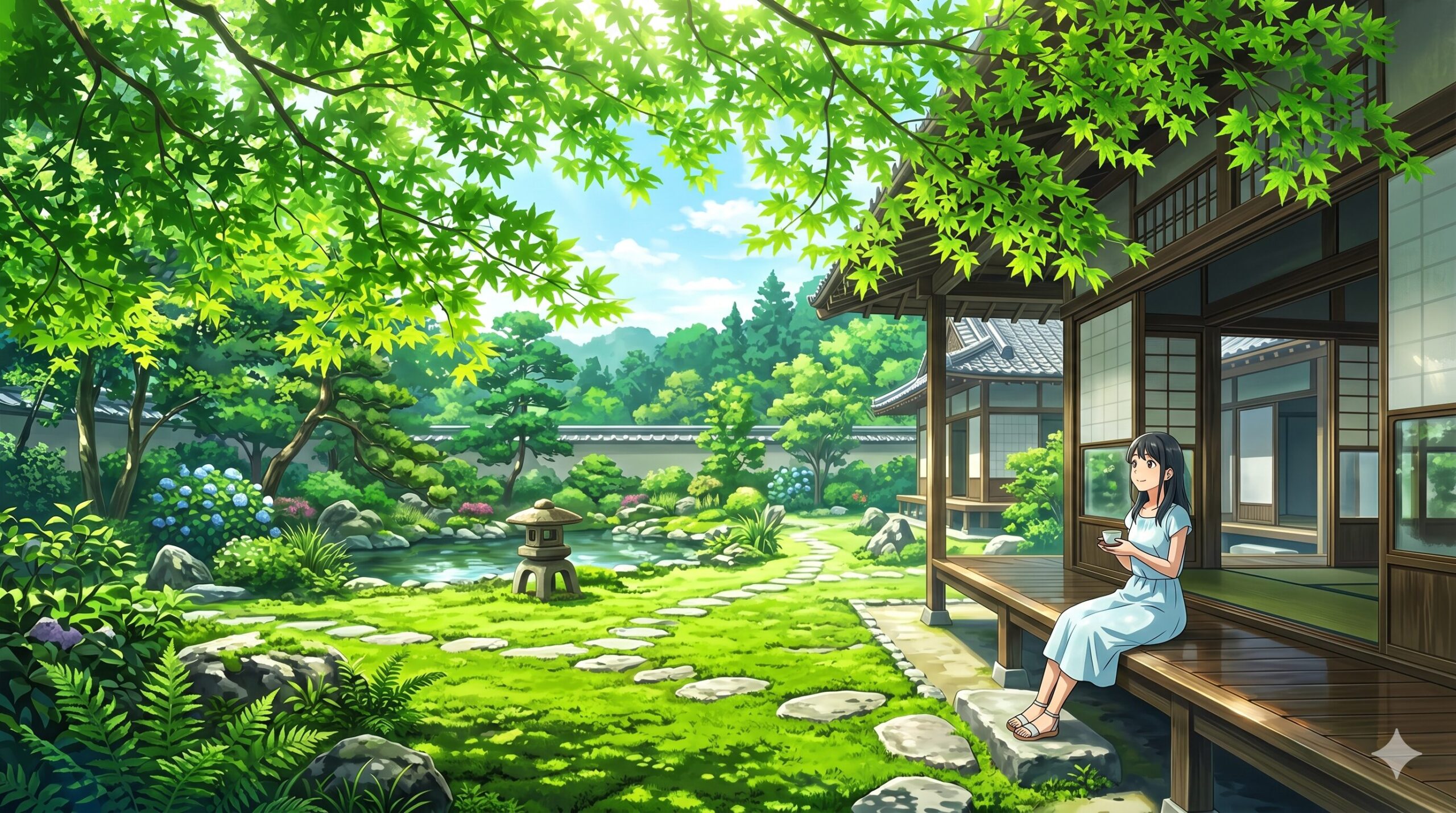
When people around the world think of spring in Japan, cherry blossoms instantly come to mind. However, the true peak of Japan’s natural beauty arrives right after the pink petals fall—the season of “Shinryoku” (fresh greenery) from late May to early June. May 31st marks the exact moment when this vibrant, life-filled early summer greenery shines brightest.
Japan’s geography and climate create incredibly distinct seasonal transitions. As the pale pinks fade, the mountains and traditional gardens burst into life, painted in vivid emerald greens. The “Aomomiji” (green maple leaves), especially famous in Kyoto’s temples, rival the beauty of autumn foliage. The same maple leaves that turn fiery red in autumn radiate a dazzling, translucent green under the early summer sun.
Historically, Japanese aristocrats and cultural figures appreciated not just the flowers, but the green leaves themselves. Numerous ancient poems from the Heian period praise the “Kunpu,” a refreshing early summer breeze that carries the scent of young leaves. May 31st is the absolute perfect time to engrave the most refreshing and beautiful Japanese greenery into your memory before the upcoming “Tsuyu” (rainy season) begins.
What the Spirit of “Appreciating Greenery” Reveals About Japanese Culture
Understanding early summer greenery is the key to unlocking the core of Japanese culture and its profound relationship with nature. The Japanese language features the beautiful word “Komorebi,” which specifically describes the sunlight filtering through the leaves of trees. Experiencing Komorebi during the Shinryoku season is not just a natural phenomenon; it is a spiritual experience that blurs the line between humanity and nature, bringing deep tranquility to the soul.
This seasonal appreciation is also deeply intertwined with Japanese culinary culture. Sitting on an “Engawa” (traditional wooden veranda), whisking warm Matcha green tea, and enjoying early summer Wagashi (traditional sweets) like “Wakayu” or “Kashiwamochi” while gazing at the green garden is the ultimate form of mindfulness. It is the practice of absorbing the changing seasons with all five senses. The concept of “Shinrin-yoku” (Forest Bathing), which has gained massive global attention, shows its highest healing efficacy when practiced in Japanese forests during this exact time of year.
In Zen philosophy and the concept of Wabi-sabi, the lush green of moss and bamboo groves symbolizes silence and eternity. Appreciating the early summer greenery is not mere sightseeing; it is a sacred ritual to etch the ancient Japanese value of “harmony with nature” into your own soul.
Will You Experience the Early Summer of Japan?
Walking under the Komorebi created by fresh green leaves, breathing the crisp air, and tasting the earthy aroma of Matcha—this overwhelming beauty of May in Japan must be experienced in person to be truly understood.
How do you celebrate the changing of seasons in your home country? Would you like to make a lush, fragrant Japanese summer garden your next travel destination? I would love to hear your thoughts and how you connect with nature.
References & Related Articles
- Discover more about Japan’s pristine nature (Japan National Tourism Organization)
- Explore more in the “What’s Today’s Special Day Series”
5月31日:日本の初夏を彩る「新緑」の魔法に魅了される日
日本の5月31日:桜の後に訪れる、もう一つの絶景「新緑」
世界中の多くの人々が、日本の春といえば「桜(Cherry Blossoms)」を思い浮かべます。しかし、日本の自然美が真のピークを迎えるのは、桜が散った後に訪れる5月下旬から6月上旬にかけての「新緑(Shinryoku)」の季節です。5月31日は、まさにこの生命力に溢れる初夏の緑が最も輝く時期に当たります。
日本の地理と気候は、四季の移ろいを非常に明確に描き出します。春の淡いピンク色が過ぎ去ると、山々や庭園は一斉に息を吹き返し、鮮やかなエメラルドグリーンに染まります。特に京都の寺院や庭園で見られる「青もみじ(Aomomiji)」は、秋の紅葉に勝るとも劣らない美しさを持っています。秋には真っ赤に染まる楓の葉が、この時期には太陽の光を透かして眩いばかりの緑色を放つのです。
歴史的に見ても、日本の貴族や文化人たちは、花だけでなく「緑の葉」そのものを鑑賞の対象としてきました。平安時代の和歌にも、若葉の香りを運ぶ初夏の風「薫風(Kunpu)」を詠んだものが数多く存在します。5月31日という日は、もうすぐ訪れる梅雨(雨季)を前に、最も爽やかで美しい日本の緑を目に焼き付けるための完璧なタイミングなのです。
「緑を愛でる」精神が紐解く日本文化の深層
日本の初夏の緑を読み解くことは、日本文化の根底にある自然観を理解することに直結します。日本語には「木漏れ日(Komorebi)」という美しい言葉があります。これは、木々の葉の間から差し込む太陽の光を意味します。新緑の季節の木漏れ日は、ただの自然現象ではなく、自然界と人間の境界線を曖昧にし、心に深い平穏をもたらす精神的な体験です。
また、この時期の自然鑑賞は、日本の食文化とも密接に結びついています。新緑を愛でながら、縁側(Engawa – 伝統的な日本家屋のベランダ)で抹茶を点て、「若鮎(Wakayu)」や「柏餅(Kashiwamochi)」といった初夏を象徴する和菓子を味わう。これは、季節の移ろいを五感すべてで取り入れる究極のマインドフルネスです。近年世界中で注目を集めている「森林浴(Shinrin-yoku – Forest Bathing)」の概念も、まさにこの時期の日本の山林で実践することで、最大の癒やし効果を発揮します。
禅の思想や「わびさび(Wabi-sabi)」においても、青々と茂る苔(Moss)や竹林の緑は、静寂と永遠性を象徴します。初夏の緑を愛でることは、単なる観光ではなく、日本人が古来より大切にしてきた「自然との調和」を自らの魂に刻み込む神聖な儀式なのです。
あなたも日本の初夏を体験してみませんか?
新緑が織りなす木漏れ日の下を歩き、澄んだ空気と抹茶の香りを楽しむ。日本の5月が見せるこの圧倒的な美しさは、実際にその場に立ってこそ真価がわかります。
あなたの国では、季節の変わり目をどのように楽しんでいますか?初夏の美しい緑の香りに包まれる日本の庭園を、次に訪れる旅の目的地に加えてみませんか?ぜひ、あなたの考えや自然との関わり方を教えてください。
コメント