- Introduction: The Special Significance of May 15th in Japan
- 1. The History of Okinawa: From the Ryukyu Kingdom to US Administration and Reversion to Japan
- 2. Understanding Japan’s Diversity and “Champuru Culture” Through Okinawa
- 3. A Question for You: What Does “Cultural Fusion” Mean to You?
- Reference Links
- はじめに:5月15日が日本において持つ特別な意味
- ① 沖縄の歴史:琉球王国からアメリカ統治、そして本土復帰へ
- ② 沖縄文化から読み解く日本の多様性と「チャンプルー文化」
- ③ 読者への問いかけ:あなたにとっての「文化の融合」とは?
- 参考リンク
Introduction: The Special Significance of May 15th in Japan
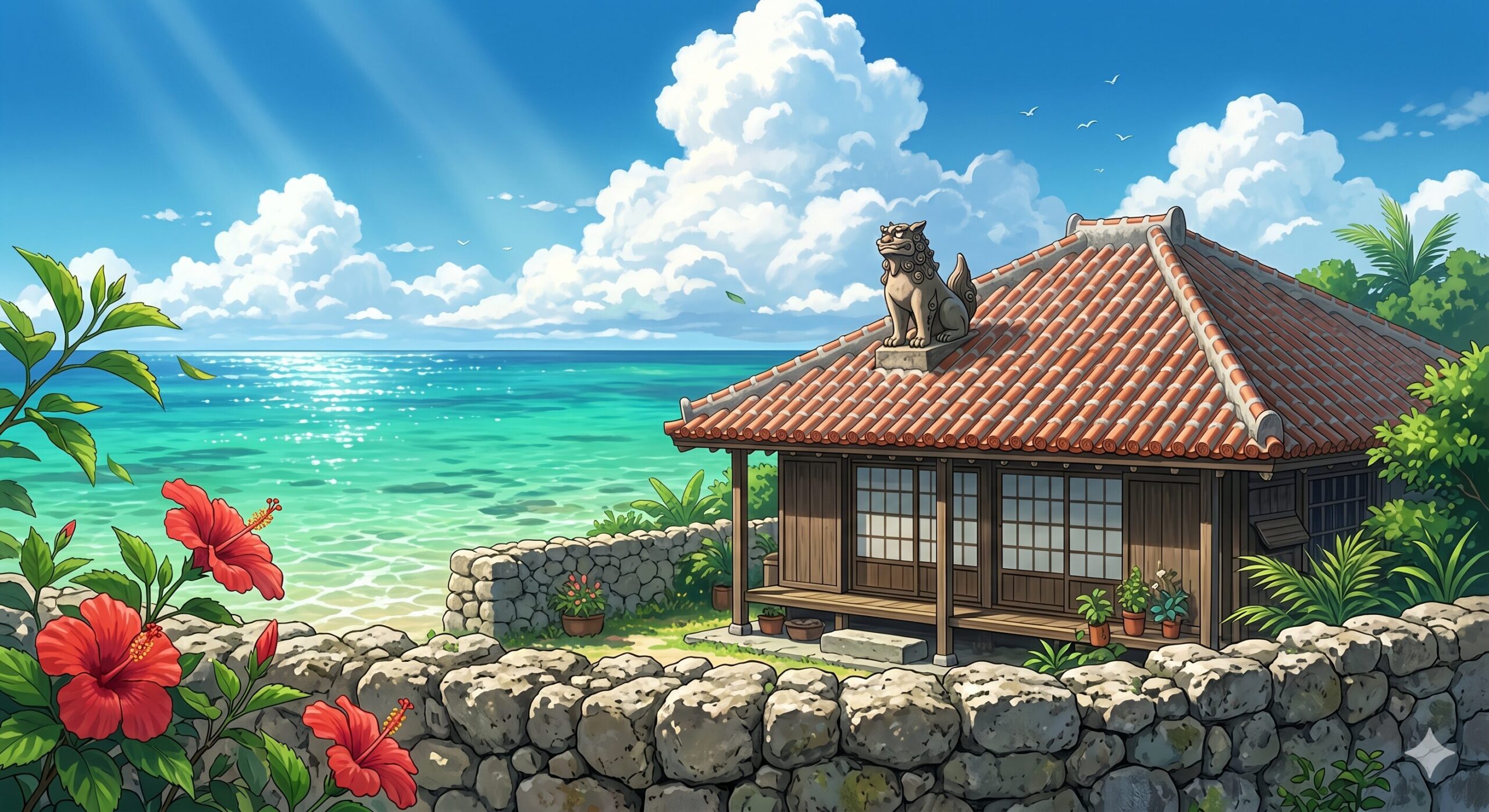
Every year on May 15th, Okinawa, the beautiful islands located at the southernmost tip of the Japanese archipelago, welcomes a very special day: Okinawa Reversion Day. While it is globally renowned as a tropical paradise with crystal-clear blue seas and white sandy beaches, this day marks a deep, powerful historical narrative hidden beneath its stunning landscapes. Today, let’s delve deep into the diversity of Japan, the unique history Okinawa has navigated, and the rich culture born from it.
1. The History of Okinawa: From the Ryukyu Kingdom to US Administration and Reversion to Japan
To understand Okinawa’s history, one must first know that this land was once an independent nation called the “Ryukyu Kingdom.” From the 15th to the 19th century, the Ryukyu Kingdom flourished as a hub of maritime trade connecting Japan, China, Korea, and Southeast Asia. During this era, which valued peaceful exchange with other nations, a unique language, art, religion, and food culture blossomed.
However, the rough waves of modern history eventually engulfed the islands. After being incorporated as a Japanese prefecture (Okinawa Prefecture) in 1879, it became the stage for the “Battle of Okinawa” in 1945, near the end of World War II, marking one of the most tragic ground battles of the Pacific War. Many precious lives were lost, and the beautiful islands were reduced to ashes.
Post-war, while mainland Japan regained its sovereignty, Okinawa was placed under the administration of the United States. For 27 years, the US dollar was the official currency, cars drove on the right side of the road, and travel between Okinawa and mainland Japan required a passport. Finally, after the islanders’ strong desire for peace and relentless reversion movements, on May 15, 1972, Okinawa achieved its “reversion” to Japan. For the people of Okinawa, this day is a historical milestone filled with a complex mixture of joy and deep reflection.
2. Understanding Japan’s Diversity and “Champuru Culture” Through Okinawa
Okinawa Reversion Day is not just a page in a history book; it teaches us the depth and diversity of Japanese culture. The word “Japan” encompasses completely different faces depending on the region. Among them, Okinawa forms a highly unique and fascinating cultural sphere where traditional Japanese elements, indigenous Ryukyuan culture, Chinese influences, and post-war American culture are beautifully fused.
The people of Okinawa call this cultural fusion “Champuru.” In the Okinawan language, it means “to mix together.” While famously known for the local dish “Goya Champuru” (stir-fried bitter melon), this word represents the very spirit of Okinawa. Rather than rejecting different cultures or values, they flexibly embrace them, mixing them with their own cherished traditions to create a new charm. You can feel the breath of this “Champuru culture” everywhere in Okinawa—from rice balls made with Spam (pork luncheon meat) to landscapes where a traditional Ryukyuan red-tiled house sits right next to an American-style diner.
Furthermore, there is a profound Okinawan proverb: “Nuchi du Takara,” which means “Life itself is the most precious treasure.” Because the Okinawan people experienced the horrors of war and a long period of foreign rule, these words carry immense weight. A spirit of loving peace and genuinely celebrating daily life and existence has taken root here. The traditional Okinawan drum dance “Eisa” and the gentle yet powerful sound of the Sanshin (a three-stringed instrument) are hymns to life and expressions of deep respect for ancestors. To know Okinawan culture is to understand that Japan is not a monolithic culture, but a rich tapestry woven by diverse histories and the resilient spirit of its people.
3. A Question for You: What Does “Cultural Fusion” Mean to You?
Through May 15th, Okinawa Reversion Day, we can learn the preciousness of peace and the incredible beauty and strength that arise when different cultures mix. The spirit of Okinawa—overcoming a sorrowful history to live as brightly, warmly, and resiliently as the sun—provides great inspiration for us living in the modern world.
If you were to visit Okinawa, what would you want to experience first: tracing the footsteps of history at Shuri Castle, relaxing by the vivid blue ocean, or chatting with locals while listening to the sounds of the Sanshin? Also, is there a unique culture in your country or region born from the blending of different elements, much like Okinawa’s “Champuru”? Please share your thoughts and experiences.
Reference Links
- External Link: Visit Okinawa Japan (Official Tourism Website) – The official tourism site where you can visually experience the beautiful landscapes and culture of Okinawa.
- Internal Link: What’s Today’s Special Day Series – Click here to learn more about other Japanese anniversaries and culture.
5月15日は「沖縄本土復帰記念日」:独自の文化と平和への祈りが交差する南の島の物語
はじめに:5月15日が日本において持つ特別な意味
毎年5月15日、日本列島の最南端に位置する美しい島々、沖縄は特別な日を迎えます。「沖縄本土復帰記念日(Okinawa Reversion Day)」です。透き通るような青い海と白い砂浜で知られ、世界中から観光客が訪れる南国の楽園ですが、この日には、その美しい風景の裏に隠された、深く、そして力強い歴史の物語が刻まれています。今日は、日本という国の多様性と、沖縄が歩んできた独自の歴史、そしてそこから生まれた豊かな文化について深く掘り下げていきましょう。
① 沖縄の歴史:琉球王国からアメリカ統治、そして本土復帰へ
沖縄の歴史を理解するためには、かつてこの場所が「琉球王国」という独立した国家であったことを知る必要があります。15世紀から19世紀にかけて、琉球王国は日本、中国、韓国、そして東南アジアを結ぶ中継貿易の拠点として栄えました。他国との平和的な交流を重んじたこの時代に、独自の言語、芸術、信仰、そして食文化が花開きました。
しかし、近代に入ると歴史の荒波がこの島を飲み込みます。1879年に日本の県(沖縄県)として組み込まれた後、第二次世界大戦末期の1945年には、太平洋戦争において最も悲惨な地上戦の一つである「沖縄戦」の舞台となりました。多くの尊い命が失われ、美しい島は焦土と化しました。
戦後、日本本土が主権を回復する一方で、沖縄はアメリカ合衆国の施政権下に置かれることになります。通貨は米ドルが使用され、車は右側通行となり、パスポートを持たなければ本土(日本)と行き来できない時代が27年間続きました。そして、島民の平和への強い願いと絶え間ない返還運動の末、1972年(昭和47年)5月15日、ついに沖縄は日本への「本土復帰」を果たしたのです。この日は、沖縄の人々にとって、喜びと、そして複雑な思いが交錯する歴史的な節目なのです。
② 沖縄文化から読み解く日本の多様性と「チャンプルー文化」
沖縄本土復帰記念日は、単なる歴史の1ページではなく、日本文化の奥深さと多様性を私たちに教えてくれます。日本と一口に言っても、地域によって全く異なる顔を持っています。その中でも沖縄は、日本の伝統、琉球王国の土着文化、中国の影響、そして戦後のアメリカ文化が見事に融合した、非常に特異で魅力的な文化圏を形成しています。
沖縄の人々はこの文化の融合を「チャンプルー」と呼びます。沖縄の言葉で「混ぜ合わせる」という意味です。代表的な郷土料理である「ゴーヤーチャンプルー」が有名ですが、この言葉は沖縄の精神そのものを表しています。異なる文化や価値観を排斥するのではなく、柔軟に受け入れ、自分たちの大切なものと混ぜ合わせて新しい魅力を生み出す。スパム(ポークランチョンミート)を使ったおにぎりや、アメリカンダイナーの隣に琉球赤瓦の古民家が並ぶ風景など、沖縄の至る所でこの「チャンプルー文化」の息吹を感じることができます。
また、沖縄には「命どぅ宝(ぬちどぅたから)」という言葉があります。「命こそが最も尊い宝物である」という意味です。悲惨な戦争と長きにわたる異国による統治を経験した沖縄の人々だからこそ、この言葉には重みがあり、平和を愛し、今ある日常と命を心から祝う精神が根付いています。沖縄の伝統的な太鼓舞踊「エイサー」や、三線(さんしん)の優しくも力強い音色は、この生命への賛歌であり、祖先への深い敬意の表れです。沖縄の文化を知ることは、日本が単一の文化ではなく、多様な歴史と人々の強靭な精神によって織りなされた豊かなタペストリーであることを理解することに他なりません。
③ 読者への問いかけ:あなたにとっての「文化の融合」とは?
5月15日の沖縄本土復帰記念日を通して、私たちは平和の尊さと、異なる文化が混ざり合うことで生まれる信じられないほどの美しさと力強さを学ぶことができます。悲しい歴史を乗り越え、太陽のように明るく、人懐っこく、そして逞しく生きる沖縄の精神は、現代を生きる私たちに多くのインスピレーションを与えてくれます。
もしあなたが沖縄を訪れるとしたら、歴史の足跡をたどる首里城の散策、青い海でのリラクゼーション、それとも三線の音色を聴きながらの地元の人々との語らい、どれを一番に体験してみたいですか? そして、あなたの国や地域にも、沖縄の「チャンプルー」のように、異なる要素が混ざり合って生まれた独自の文化はありますか? ぜひ、あなたの考えや経験を教えてください。
参考リンク
- 外部リンク:Visit Okinawa Japan (Official Tourism Website) – 沖縄の美しい風景や文化を視覚的に体験できる公式観光サイトです。
- 内部リンク:What’s Today’s Special Day Series 一覧 – 日本のその他の記念日や文化について知りたい方はこちらをご覧ください。

コメント