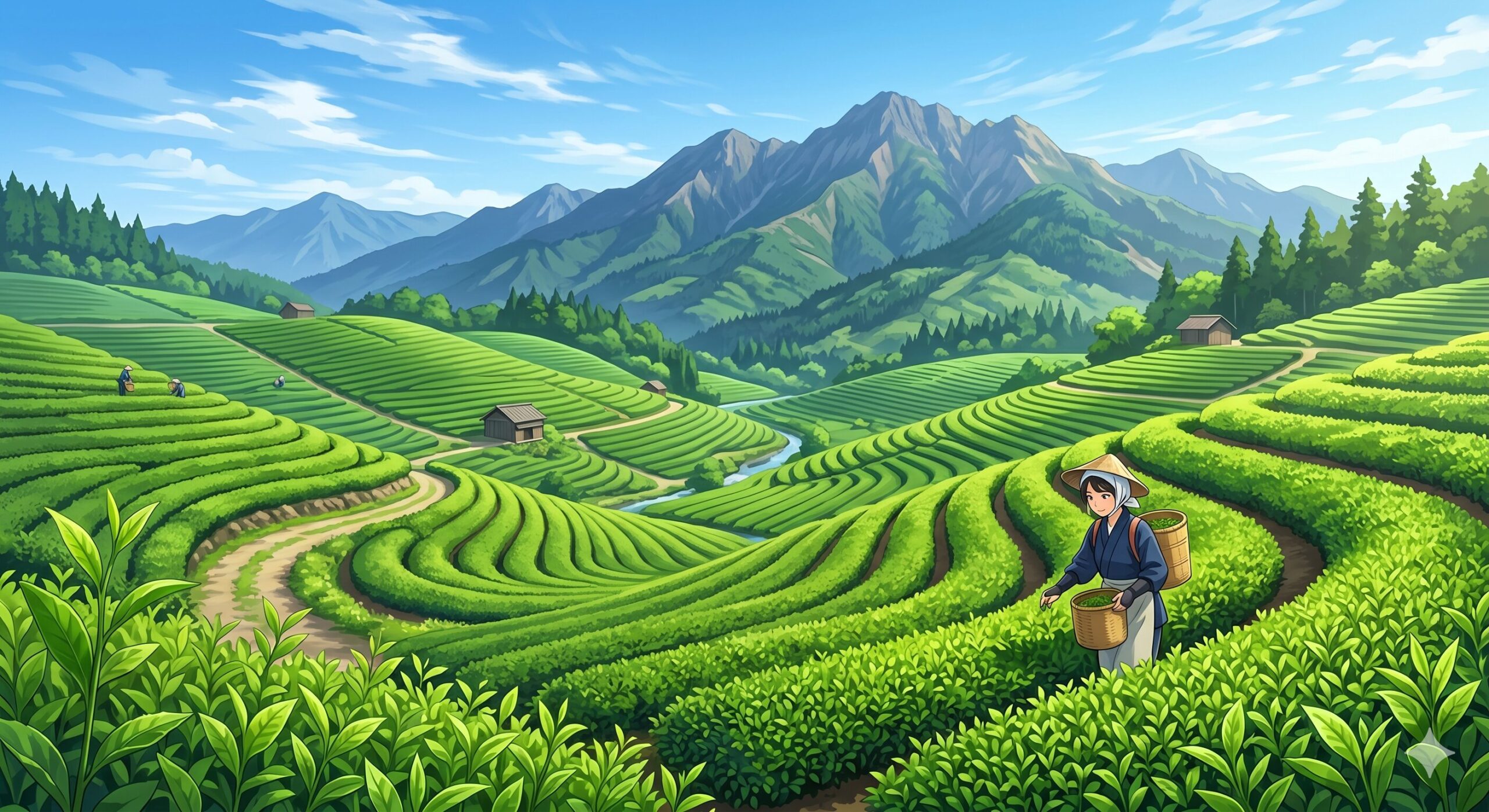
Japan has many national holidays throughout the year, but May 4th, known as “Greenery Day” (Midori no Hi), reflects the Japanese spirituality and connection with nature more deeply than almost any other. Forming a crucial part of the major holiday period known as “Golden Week,” this is not just a day off work. It is a day with a beautiful and clear purpose: “to commune with nature, to be thankful for its blessings, and to nurture a rich spirit.”
The History of Greenery Day: A Date That Moved with the Times
Unraveling the history of Greenery Day reveals its deep ties to Japan’s modern history. Originally, this holiday was celebrated on April 29th. April 29th was the birthday of Emperor Showa. The Emperor was well-known as a biologist and someone who deeply loved nature. Following his passing in 1989 (the first year of the Heisei era), April 29th was newly designated as Greenery Day to pass down his spirit of loving nature to future generations.
However, the nature of holidays evolves with time. In 2007, Japan’s Act on National Holidays was revised. Through this revision, April 29th was renamed “Showa Day” to serve as a day to reflect on the turbulent Showa era. Consequently, May 4th—which until then had simply been a generic “national holiday” bridging the gap between Constitution Memorial Day and Children’s Day—was officially designated as the new “Greenery Day.” Although the date changed, the fundamental theme of giving thanks for nature’s blessings remains firmly rooted in the hearts of the Japanese people.
Japanese Culture and Nature: Yaoyorozu no Kami and Forest Bathing
The most important element to decode from Greenery Day is the unique view of nature in Japanese culture. While the Western view of nature often emphasizes humans managing and overcoming the natural world, the Japanese view is based on the philosophy of coexistence: “Humans are a part of nature and must live in harmony with it.”
Since ancient times, Japan has held the belief of “Yaoyorozu no Kami” (eight million gods), an animistic view that spirits or gods reside in all aspects of nature—mountains, rivers, rocks, and trees. While nature provides abundant blessings, it also occasionally bares its fangs in the form of natural disasters. The Japanese people have chosen a path of harmony with nature, holding it in a state of awe and reverence. This spirit strongly persists in modern Japanese society.
A modern, scientifically proven practice born from this connection to nature is “Shinrin-yoku” (Forest Bathing). Proposed in Japan in the 1980s, this concept involves walking through forests and bathing in the scent of trees (phytoncides) to relax the mind and body and boost the immune system. Today, it has gained global attention as “Forest Bathing.” On Greenery Day, many Japanese people escape the hustle and bustle of the city to visit national parks or lush local shrines and temples to enjoy this restorative practice.
How Greenery Day is Spent: Its Significance in Modern Japan
Early May in Japan is the season when fresh greenery is at its most beautiful. The weather is mild, making it the perfect time to spend outdoors. On Greenery Day, many national and public parks across the country offer free admission. You will see families enjoying picnics and hiking everywhere. Furthermore, events related to environmental protection and the free distribution of tree saplings are held, providing an excellent opportunity to reflect on environmental issues.
In a modern society where rapid urbanization and digitalization are advancing, consciously designating a day to “thank nature” as a national holiday is undoubtedly one of Japan’s proudest cultural aspects.
How Do You Interact with Nature?
The philosophy of “gratitude and coexistence with nature” is cherished by the Japanese. After reading this article, how do you feel about your own relationship with nature in your daily life?
Is there a special day dedicated to praising nature in your country or region? If today were your “Greenery Day,” where would you go, and how would you want to feel the blessings of nature? Please share your thoughts and experiences with us.
Reference Links
- External Link: Japan National Tourism Organization (JNTO) – Explore Japan’s Abundant Nature
- Internal Link: View the “What’s Today’s Special Day?” Series
5月4日「みどりの日」:日本人が自然と調和する特別な祝日
日本には年間を通して多くの祝日がありますが、その中でも特に日本人の精神性を色濃く反映しているのが、5月4日の「みどりの日(Greenery Day)」です。大型連休「ゴールデンウィーク」の一部を構成するこの祝日は、単なる休日ではありません。「自然に親しむとともにその恩恵に感謝し、豊かな心をはぐくむ」という、非常に美しく、そして明確な目的を持った日なのです。
みどりの日の歴史:時代と共に移り変わる日付
「みどりの日」の歴史を紐解くと、日本の近代史と深く結びついていることがわかります。もともとこの祝日は、4月29日に設定されていました。4月29日は、昭和天皇の誕生日でした。昭和天皇は生物学者としても知られ、こよなく自然を愛された方でした。1989年(平成元年)に昭和天皇が崩御された後、その自然を愛する精神を後世に伝えるため、4月29日が「みどりの日」として新たに制定されました。
しかし、祝日のあり方は時代と共に変化します。2007年(平成19年)、日本の祝日法が改正されました。この改正により、激動の昭和時代を顧みる日として4月29日は「昭和の日」と改称されました。そして、それまで「国民の休日」という名称のない休日であった5月4日が、新たに「みどりの日」として制定され、現在に至っています。日付が変わっても、自然の恩恵に感謝するという本質的なテーマは、日本人の心にしっかりと受け継がれています。
日本文化と自然:八百万の神と森林浴
「みどりの日」から読み解くべき最も重要な要素は、日本文化における独自の自然観です。西洋における自然観が「人間が自然を管理し、克服する」という側面を強く持つのに対し、日本における自然観は「人間は自然の一部であり、共に生きていく」という共生の理念に基づいています。
古来より日本では、山、川、岩、木々など、自然のあらゆるものに神が宿ると考える「八百万の神(やおよろずのかみ)」という信仰(アニミズム)があります。自然は恵みをもたらす一方で、時には災害という形で牙を剥きます。日本人は畏敬の念を持ちながら、自然と調和する道を選んできました。この精神は、現代の日本社会にも根強く残っています。
この自然との繋がりを現代的かつ科学的に実証したのが「森林浴(Shinrin-yoku)」です。1980年代に日本で提唱されたこの概念は、森の中を歩き、木々の香り(フィトンチッド)を浴びることで、心身のリラックス効果や免疫力の向上を得るというものです。現在では「Forest Bathing」として世界中で注目を集めています。みどりの日には、多くの日本人が都会の喧騒を離れ、国立公園や近所の緑豊かな神社仏閣に足を運び、この森林浴を楽しんでいます。
みどりの日の過ごし方:現代日本における意義
5月の初旬は、日本では新緑が最も美しい季節です。気候も穏やかで、外で過ごすには最適な時期と言えます。みどりの日には、全国各地の国公立公園が入園無料になることが多く、家族連れでピクニックを楽しんだり、ハイキングに出かけたりする光景が至る所で見られます。また、環境保護に関するイベントや、苗木の無料配布なども行われ、環境問題について考える良い機会ともなっています。
急速な都市化とデジタル化が進む現代社会において、意識的に「自然に感謝する日」を国の祝日として定めていることは、日本の誇るべき文化の一つと言えるでしょう。
あなたはどう自然と関わりますか?
日本人が大切にしている「自然への感謝と共生」という哲学。この記事を読んで、あなたは自身の生活と自然との関わりについて、どのように感じましたか?
あなたの住む国や地域には、自然を讃える特別な日はありますか?もし今日があなたにとっての「みどりの日」だとしたら、あなたはどんな場所へ行き、どのように自然の恩恵を感じたいですか?ぜひ、あなたの考えや体験を聞かせてください。


コメント