
- Introduction: A New Kind of Hero in a World Where Beauty is Everything
- Plot Summary: The Rise of a Boy Abandoned by a Goddess and His Nation-Building
- Review and Critique: Why is this Series So Popular in Japan?
- Top 3 Reasons Why You Must Watch/Read This Series!
- Conclusion: An Unconventional Isekai Experience
- はじめに:美醜が逆転した世界で描かれる新たな勇者像
- 作品内容の要約:女神に見捨てられた少年の成り上がりと国づくり
- 作品の評価と評論:なぜ本作は日本で絶大な人気を誇るのか?
- ここが面白い!作品を読むべきおすすめポイント3選
- まとめ:常識を打ち破る至高の異世界体験
Introduction: A New Kind of Hero in a World Where Beauty is Everything
In recent years, the anime industry has seen an explosion of isekai (another world) fantasy titles. However, one series that stands out and has garnered massive support both in Japan and overseas is “Tsukimichi: Moonlit Fantasy” (Tsuki ga Michibiku Isekai Douchuu). This series completely flips the traditional “overpowered hero saves the world” trope on its head, reconstructing the fantasy world from a unique perspective. In this article, we will thoroughly explore the plot, its charm, and the unique Japanese cultural and historical backgrounds that flow at the foundation of the work.
Plot Summary: The Rise of a Boy Abandoned by a Goddess and His Nation-Building
The protagonist, Makoto Misumi, is an ordinary high school student in Japan. However, due to a contract his parents made with a goddess of another world years ago, he is summoned to a world of swords and magic to become a hero. While this sounds like a standard isekai setup, the unique aspect of this series lies in the extreme “lookism” (obsession with physical appearance) of the Goddess who summoned him.
The Goddess loves all things beautiful. Upon seeing Makoto’s average face, she insults him, revokes his hero title simply because he is “ugly” to her standards, and throws him into a barren wasteland at the very edge of the world. To make matters worse, she places a curse-like restriction on him: he can understand the language of monsters and demi-humans, but he cannot comprehend the language of the “hyumans” (the humans of that world).
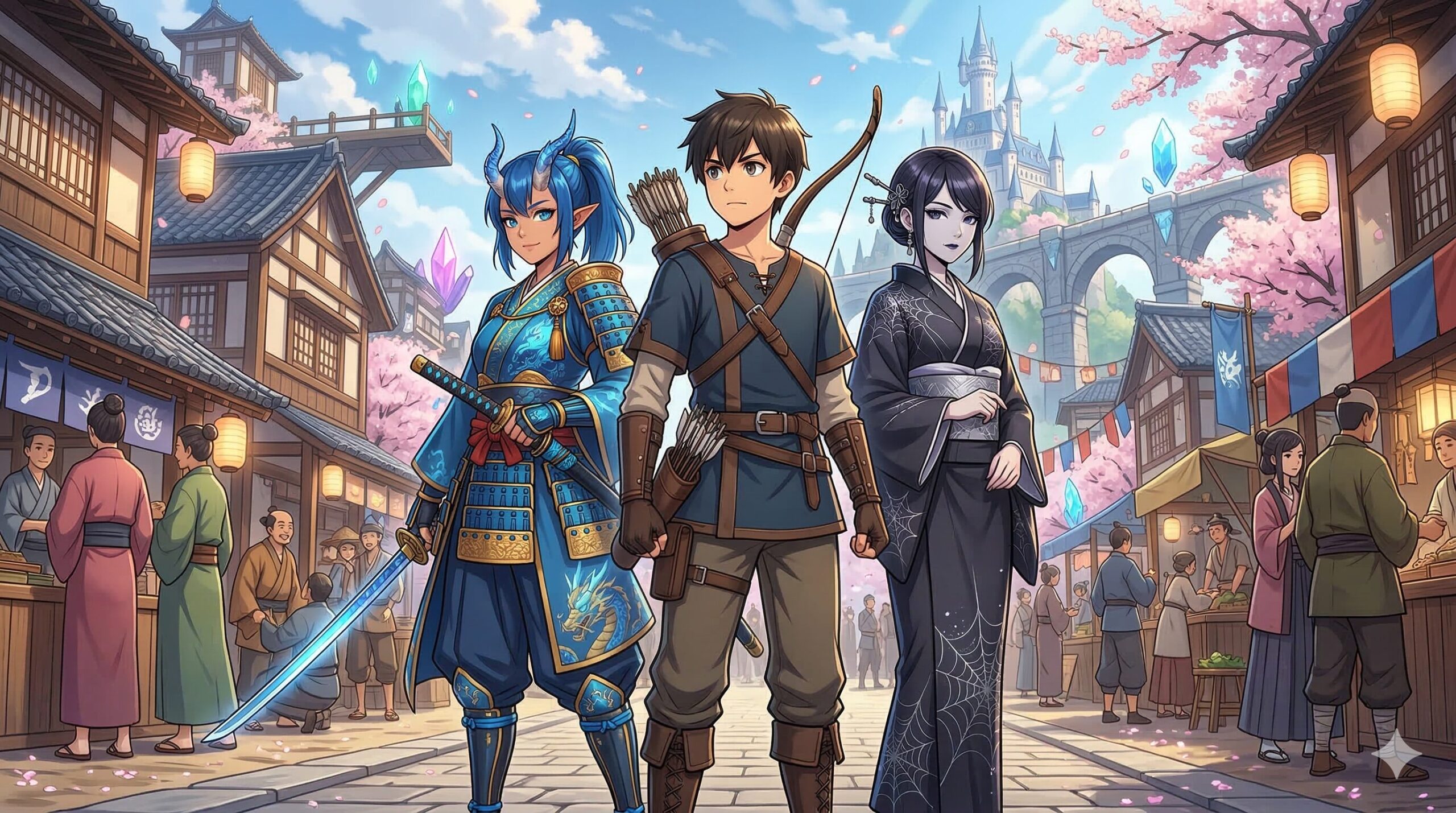
Cast out into the wasteland, Makoto discovers that due to the difference in environment (such as gravity and magical density) between Earth and this new world, he possesses absolute magical power and physical abilities rivaling the gods. Unable to communicate with humans, he begins to bond with “monsters” and demi-humans, including orcs, dwarves, a superior dragon, and a giant spider. Subjugating them with his overwhelming power, Makoto relocates them to a sub-dimension called the “Demiplane” (Akuu), created by his own magic. Here, he begins building a multicultural society where various species coexist without borders. At the same time, he establishes the “Kuzunoha Company” to act as a merchant, expanding his influence peacefully while confronting the dark, corrupt side of the hyuman society.
Review and Critique: Why is this Series So Popular in Japan?
The reason this work is so highly evaluated by Japanese audiences is that it is not just about the catharsis of an overpowered protagonist. It brilliantly fuses social satire with Japanese cultural values. The following elements strongly resonate with viewers:
The “Wa” (Harmony) Spirit and the Demiplane’s Peace Decoded Through Japanese Culture
The “Demiplane” that Makoto creates is the absolute embodiment of the Japanese historical spirit of “Wa” (Harmony). In Western fantasy, humans are generally at the center of the world, and monsters like orcs and demons are depicted as absolute evils to be exterminated. However, Makoto does not judge others by their race or appearance. He respects their strengths, assigns roles to the right people in the right places, and builds a cooperative society.
This is deeply connected to Japan’s ancient polytheistic spirituality (Shinto), which finds gods in all things in nature and has historically absorbed and harmonized diverse cultures. Furthermore, Makoto’s establishment of the “Kuzunoha Company” to expand his influence through “commerce” rather than military conquest perfectly mirrors the philosophy of the “Omi Merchants” from Japan’s Edo period: “Sanpo Yoshi” (Three-way satisfaction: good for the seller, good for the buyer, good for society). He seeks mutual prosperity rather than exploitation. This Japanese business ethic breathes fresh air into the isekai fantasy genre.
The Art of Japanese Archery (Kyudo) and the Spirit of Bushido
It is also a crucial cultural point that Makoto’s main weapon is not a sword or a magic wand, but a “Wakyu” (traditional Japanese bow). In Japanese Kyudo, there is a teaching called “Seisha Hicchu” (A correct shot always hits). This is a philosophy akin to the Zen spirit, meaning that an arrow shot with a pure heart and correct posture will never miss its target. Makoto drawing his bow with extreme concentration represents the “silence of the mind” beyond mere physical destructive power. In an isekai where flashy magic flies everywhere, the quiet and unwavering beauty of Japanese martial arts truly stands out.
The Discrimination of Hyumans: A Satire on Modern Society
On the other hand, the “hyumans” (humans) who are loved by the Goddess and possess beautiful appearances are depicted as highly arrogant and corrupt. They look down on demi-humans and monsters as ugly and treat them as slaves. This narrative structure is a sharp satire on lookism and racism in modern society. Against the Goddess’s twisted value that “those who look beautiful are righteous,” Makoto stands alongside the “ugly but fiercely loyal and kind-hearted demi-humans.” This clear reversal of good and evil provides readers with profound catharsis.
Top 3 Reasons Why You Must Watch/Read This Series!
Here are three specific highlights that make this series incredibly entertaining:
- Charming non-human heroines: Makoto’s followers are extremely unique. For example, Tomoe is a superior dragon obsessed with Japanese samurai historical dramas, and Mio is a giant spider with a bottomless appetite and a masochistic streak. The comedic timing of these immensely powerful beings acting clumsy and goofy in front of Makoto is pure gold.
- Overwhelming Power and Ruthless Decision-Making: Makoto is fundamentally a gentle pacifist, but he shows absolutely no mercy to anyone who harms his inner circle (the residents of the Demiplane). He is not just a sweet, naive hero; he possesses the cold ruthlessness of a “King” to make brutal decisions when necessary. This adds strong tension to the story.
- Recreating “Japanese Culture” in Another World: Makoto constantly brings Japanese culture—such as rice farming, hot springs (Onsen), and traditional Japanese architecture—into his Demiplane. Rather than adapting to the fantasy world, he transforms it into his own miniature Japan. This city-building simulation aspect is a massive highlight.
Conclusion: An Unconventional Isekai Experience
Tsukimichi: Moonlit Fantasy transcends the boundaries of standard isekai reincarnation fantasies. It is a profound work encompassing the respect for diversity, Japanese management philosophy, and the spirituality of martial arts. If you haven’t experienced this story yet, be sure to check out the anime, light novels, or manga, and enjoy the extraordinary adventure woven by Makoto Misumi and his delightful demi-human companions.
External links for deeper exploration:
For more in-depth reviews and insights into Japanese anime and culture, check out our category page below!
Read more articles on Japanese Anime Culture
【作品解説】『月が導く異世界道中』が描く新時代の異世界ファンタジーと日本文化の神髄
はじめに:美醜が逆転した世界で描かれる新たな勇者像
近年、数多くの異世界ファンタジー作品が誕生していますが、その中でもひときわ異彩を放ち、国内外で絶大な支持を集めているのが『月が導く異世界道中(Tsukimichi: Moonlit Fantasy)』です。本作は、ありふれた「主人公がチート能力をもらって世界を救う」という王道展開を根底から覆し、独自の視点でファンタジー世界を再構築しています。本記事では、本作のあらすじや魅力、そして作品の根底に流れる日本独自の文化的・歴史的背景について徹底的に解説します。
作品内容の要約:女神に見捨てられた少年の成り上がりと国づくり
物語の主人公、深澄真(みすみ まこと)は、ごく普通の日本の高校生です。しかしある日、両親がかつて異世界の女神と交わした契約により、勇者として剣と魔法の世界へ召喚されることになります。ここまでは一般的な異世界召喚ものと同じですが、本作の特異な点は、召喚主である女神の「極端なルッキズム(外見至上主義)」にあります。
女神は美しいものをこよなく愛しており、真の平凡な顔を見るなり「顔が不細工である」という理不尽な理由で彼から勇者の称号を剥奪します。そして、彼を世界の最果てにある不毛の荒野へと投げ捨ててしまうのです。さらに女神は彼に、ヒューマン(人間)の言葉だけが理解できないという呪いのような制約を課しました。
荒野に放り出された真ですが、地球と異世界との環境の違い(重力や魔力濃度の差)により、彼は図らずも神にも匹敵する絶大な魔力と身体能力を手にしていました。人間の言葉が通じない彼は、オーク、ドワーフ、上位竜、巨大蜘蛛といった「人外」の魔物や亜人たちと交流を深めていきます。圧倒的な力で彼らを従えた真は、自身の魔力によって創り出された異空間「亜空(あくう)」に彼らを移住させ、種族の垣根を越えた多文化共生の街づくりを開始します。同時に「クズノハ商会」という商人としての顔を持ち、腐敗したヒューマン社会の裏側と対峙しながら、独自の影響力を拡大していくのが本作のメインストーリーです。
作品の評価と評論:なぜ本作は日本で絶大な人気を誇るのか?
本作が日本の読者や視聴者から高く評価されている理由は、単なる「俺TUEEE(主人公最強)」のカタルシスだけでなく、社会風刺と日本的な価値観が見事に融合している点にあります。特に以下の要素が、深い共感を呼んでいます。
日本文化と歴史から読み解く「亜空」の平和と「和」の精神
真が作り上げる「亜空」という街は、まさに日本の歴史における「和(Wa=Harmony)」の精神の体現です。西洋のファンタジー世界では、人間が世界の中心であり、オークや魔族は「討伐すべき絶対悪」として描かれるのが一般的です。しかし真は、種族や外見で相手を判断しません。相手の長所を尊重し、適材適所で役割を与え、互いに協力し合う社会を構築します。
これは、古来より多神教であり、自然界のあらゆるものに神(八百万の神)を見出し、多様な文化を吸収・融合させてきた日本の精神性と深く結びついています。また、真が「クズノハ商会」を立ち上げ、武力による支配ではなく「商業」を通じた平和的な影響力拡大を目指す姿勢は、江戸時代に活躍した日本の「近江商人」の哲学である「三方良し(売り手良し、買い手良し、世間良し)」そのものです。搾取するのではなく、共栄を図る。この日本的なビジネスの倫理観が、異世界ファンタジーに新しい風を吹き込んでいるのです。
「正射必中」の弓術と武士道精神
真のメインウェポンが剣や魔法の杖ではなく「和弓(日本の伝統的な弓)」であることも、重要な文化的ポイントです。日本の弓道には「正射必中(せいしゃひっちゅう)」という教えがあります。これは「正しい心と正しい姿勢で射られた矢は、必ず的に当たる」という禅の精神に通じる理念です。真が極限の集中力とともに弓を引く姿は、物理的な破壊力以上の「精神の静寂」を表現しており、派手な魔法が飛び交う異世界において、静かで確固たる日本の武道の美しさを際立たせています。
ヒューマンの差別主義と現代社会への痛烈な風刺
一方で、女神に愛され美しい外見を持つ「ヒューマン(人間)」たちは、作中で非常に傲慢で腐敗した存在として描かれています。彼らは亜人や魔族を醜いと見下し、奴隷として扱います。この構造は、現代社会におけるルッキズムや人種差別に対する痛烈な風刺です。「外見が美しい者が正義」という女神の狂った価値観に対し、真は「外見は恐ろしくとも義理堅く心優しい亜人たち」と共に抗います。この明確な善悪の逆転が、読者に深いカタルシスを与えています。
ここが面白い!作品を読むべきおすすめポイント3選
本作をさらに楽しむための具体的な見どころを3つ紹介します。
- 魅力的な「人外」ヒロインたちとのコメディ:時代劇マニアでサムライ文化に憧れる上位竜の「巴(ともえ)」や、底なしの食欲を持つドMな巨大蜘蛛の「澪(みお)」など、真に従うヒロインたちは極めて個性的です。強大な力を持つ彼女たちが、真の前ではポンコツぶりを発揮する日常コメディのテンポの良さは絶品です。
- 圧倒的な無双と冷酷な決断力:真は基本的には温厚な平和主義者ですが、身内(亜空の住民)に危害を加える者に対しては一切の容赦をしません。ただ優しいだけの甘い主人公ではなく、必要とあらば非情な決断を下す「王」としての冷酷さも持ち合わせている点が、物語に強い緊張感を与えています。
- 異世界での「日本文化」の再現:真は亜空に日本の稲作文化(米作り)や温泉、和風建築を次々と持ち込みます。異世界に染まるのではなく、異世界を自分好みの「日本」に染め上げていく街づくりシミュレーション的な要素も、大きな見どころの一つです。
まとめ:常識を打ち破る至高の異世界体験
『月が導く異世界道中』は、単なる異世界転生ファンタジーの枠を超え、多様性の尊重、日本的経営哲学、そして武道の精神性を内包した奥深い作品です。まだこの物語に触れていない方は、ぜひアニメや原作小説・漫画をチェックして、深澄真と愉快な亜人たちが織りなす規格外の冒険を楽しんでください。
さらに作品を深く知るための参考リンク:
日本のアニメや文化に関するさらに詳しい考察は、こちらのカテゴリからもご覧いただけます。
日本のアニメ文化についての関連記事一覧(Japanese Anime Culture)
コメント