
- What is “Ikoku Nikki”? A Heart-Striking Synopsis and Basic Info
- Why is “Ikoku Nikki” So Explosively Popular in Japan? Analyzing Through Japanese History and Culture
- 3 Absolute Must-See Points of “Ikoku Nikki”
- Conclusion: We Are All Living in Different Countries
- 『違国日記』とは?胸を打つあらすじと基本情報
- なぜ『違国日記』は日本でこれほど人気なのか?日本文化と歴史から読み解く
- 『違国日記』の絶対おすすめポイント3選
- まとめ:私たちは皆、異なる国を生きている
What is “Ikoku Nikki”? A Heart-Striking Synopsis and Basic Info
“Ikoku Nikki” (Diary of a Different Country) is a modern Japanese masterpiece based on the highly popular manga by Tomoko Yamashita, which has been adapted into both a live-action film and a television anime. The opening of the story is highly shocking yet begins with a quiet sorrow.
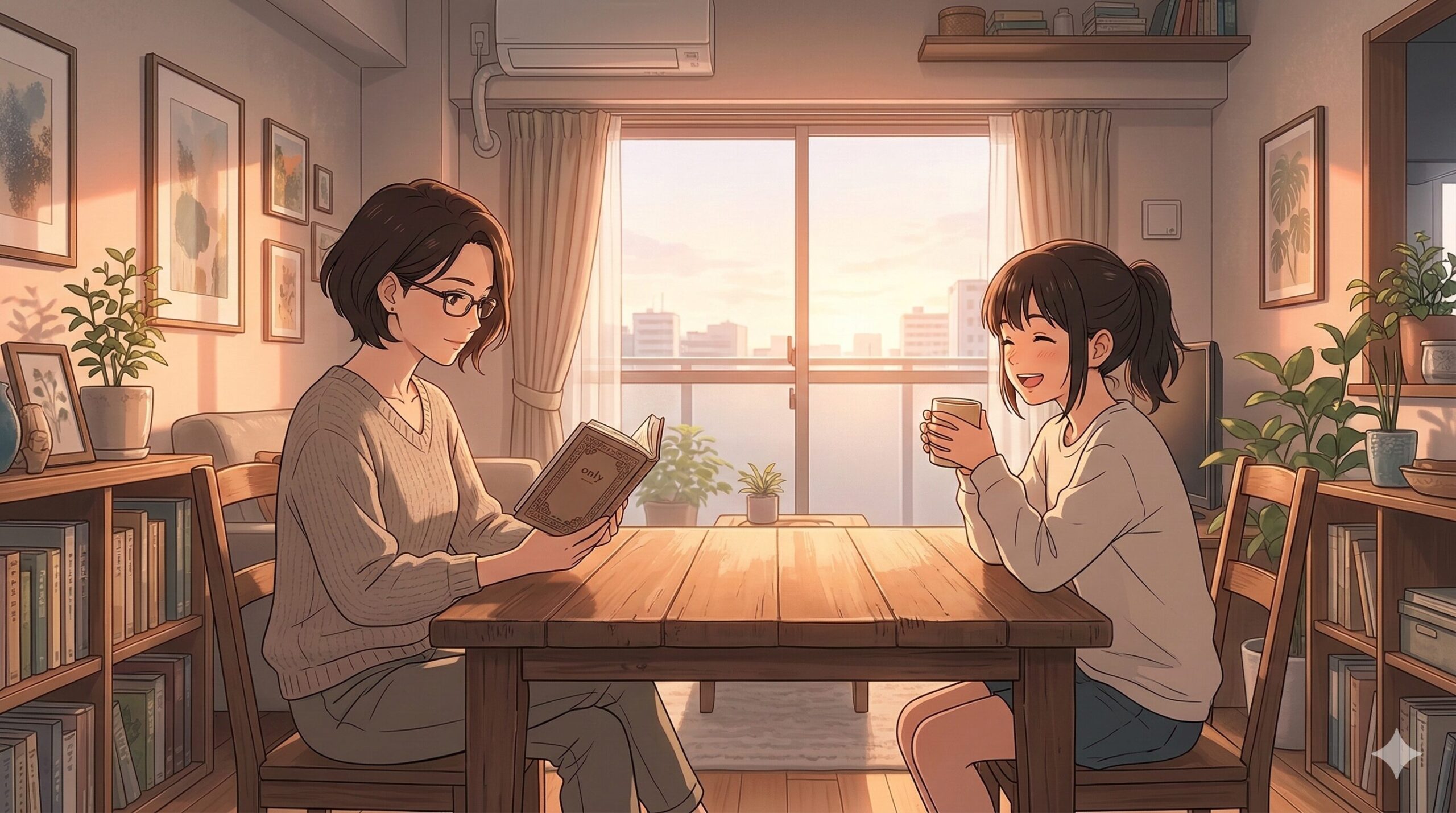
A 15-year-old middle school girl, Asa Takumi, loses both of her parents simultaneously in a sudden traffic accident. Left with no immediate family, her relatives treat her as a burden at the funeral, trying to push the responsibility of taking her in onto one another. Amidst this, one woman stands up resolutely. It is Makio Kodai, Asa’s aunt (her mother’s younger sister), a 35-year-old making a living as a novelist targeting young women. Makio had been estranged from her sister (Asa’s mother) for years, and they were by no means on good terms. However, unable to stand the heartless words of the relatives, Makio makes a declaration to Asa:
“I don’t know if I can love you. But I will never trample over you.”
With these powerful words, an awkward cohabitation begins between an introverted, solitude-loving novelist aunt and an honest, friendly 15-year-old niece—two people with completely different personalities and values. This work does not feature dramatic magic or action. Instead, it portrays the two of them highlighting their “differences” while cautiously closing the distance between them, facing loss and the struggles of adolescence in an incredibly realistic and moving way.
Why is “Ikoku Nikki” So Explosively Popular in Japan? Analyzing Through Japanese History and Culture
The reason this work has garnered overwhelming support in Japan is that it transcends the framework of a simple “age-gap cohabitation story.” It sharply yet gently unravels the deep-rooted social stress and cultural curses modern Japanese people carry. We evaluate the reasons for its popularity against the backdrop of Japanese history and culture.
1. Liberation from the Traditional “Village Society” and Peer Pressure
Japan has a history as an agricultural nation, forming a “village society” (Mura-shakai) that heavily emphasizes group harmony. In such a society, “reading the air” (Kuki wo yomu) and “being the same as others” were essential survival strategies, and this peer pressure remains deeply entrenched in modern schools and workplaces.
Asa’s late mother was the exact type of parent who forced this “societal standard” onto her daughter. Makio, however, is completely different. She is not bound by society’s common sense, clearly maintains her own territory, and never steps into the territory of others uninvited. Makio’s philosophy—that “everyone is a resident of a completely different country (Ikoku)”—serves as the ultimate salvation and a message of liberation for many modern Japanese people feeling suffocated by peer pressure.
2. Breaking the Curse of “Family = Unconditional Love” and Building New Bonds
In Japanese history, particularly due to Confucian values since the Edo period, the idea that “families must unconditionally love each other” and “blood ties are sacred above all else” has been idealized. In reality, however, many people suffer from friction and toxic family dynamics precisely because they are family.
Makio openly declares that she “hated” her biological sister, and she honestly tells her niece Asa, “I cannot become a substitute parent,” and “I don’t know if I will love you.” This cold yet sincere attitude of “even with blood ties, another person is another person” is a brilliant antithesis to traditional family views. Instead of forcing love, she offers the minimum yet maximum respect: “I will never trample over you (I will protect your individual dignity).” This presentation of a new human relationship strongly resonates with many readers and viewers struggling with family issues.
3 Absolute Must-See Points of “Ikoku Nikki”
1. The Overwhelming “Power of Words” and Psychological Depiction
As a novelist, Makio excels at “verbalizing” her emotions and the absurdities of the world. Her words, spoken to Asa who cannot yet process her grief or shed tears, pierce deeply into the viewers’ hearts. The beauty of the dialogue—giving exact names to ambiguous feelings and wrapping wounded hearts logically yet gently—is the greatest charm of this work.
2. The Realistic Portrayal of Imperfect Adults
The adults in this story are by no means perfect. Makio herself is bad at cleaning and is a clumsy human being who feels extreme fatigue from socializing. Her friends also carry their own past wounds and worries. Instead of depicting adults as absolute beings guiding children, they are portrayed as “human beings who are still lost even as adults,” which makes them highly relatable.
3. Facing “Grief” and the Journey of Self-Regeneration
Despite dealing with the heavy theme of the sudden death of parents, this work never turns into a cheap tearjerker. It depicts the strength of humans—showing that grief does not heal quickly, and even while carrying the pain that suddenly appears in daily life, people still eat meals, laugh, and live. As a coming-of-age story where Asa slowly begins to walk on her own two feet and establish her identity, it boasts an unparalleled level of perfection.
Conclusion: We Are All Living in Different Countries
“Ikoku Nikki” is a masterpiece that starts from the resignation that completely understanding another person is impossible, yet beautiful portrays the human endeavor to respect and stay close to one another. For those feeling the unique stagnation of Japanese society, those tired of human relationships, and those who want to experience beautiful words, this work will become a lifelong treasure. Please witness the days Makio and Asa walk together through the anime or original manga.
If you wish to learn more about deep Japanese culture and other amazing anime works, be sure to check out our anime-related articles here.
Reference Links (External Sites)
【違国日記】心に響く傑作アニメ!あらすじ・魅力・日本文化との深い繋がりを徹底解説
『違国日記』とは?胸を打つあらすじと基本情報
『違国日記』(いこくにっき)は、ヤマシタトモコによる大人気漫画を原作とし、実写映画化、そしてテレビアニメ化も果たした現代日本の傑作です。物語の幕開けは、非常に衝撃的でありながら、静かな悲しみとともに始まります。
中学3年生の少女・田汲朝(たくみ あさ)は、突然の交通事故で両親を同時に失います。身寄りがいなくなり、葬儀の場で親戚たちが「誰がこの子を引き取るのか」と厄介者扱いして押し付け合う中、一人の女性が毅然と立ち上がります。それが、朝の母親の妹であり、少女小説家として生計を立てている35歳の高代槙生(こうだい まきお)でした。槙生は姉(朝の母)と長年絶縁状態にあり、決して仲が良いわけではありませんでした。しかし、親戚たちの心無い言葉に耐えかねた槙生は、朝に向かってこう宣言します。
「あなたを愛せるかどうかはわからない。でもわたしは決してあなたを踏みにじらない」
この力強い言葉とともに、人見知りで孤独を愛する小説家の叔母と、素直で人懐っこい15歳の姪という、性格も価値観も全く異なる二人のぎこちない同居生活がスタートします。本作は、劇的な魔法やアクションがあるわけではありません。しかし、二人が互いの「違い」を浮き彫りにしながら、手探りで距離を縮め、喪失感や思春期の葛藤に向き合っていく姿が、極めてリアルで感動的に描かれています。
なぜ『違国日記』は日本でこれほど人気なのか?日本文化と歴史から読み解く
本作が日本で圧倒的な支持を得ている理由は、単なる「年の差同居ストーリー」の枠を超え、現代の日本人が抱える根深い社会的ストレスや文化的な呪縛を鋭く、そして優しく解きほぐしているからです。日本の歴史や文化の背景から、その人気の理由を評論します。
1. 伝統的な「村社会」と同調圧力からの解放
日本は古来より農耕民族としての歴史を持ち、集団での協調性を重んじる「村社会」を形成してきました。そこでは「空気を読むこと」や「他者と同じであること」が生存戦略として不可欠であり、現代においてもその同調圧力は形を変えて学校や職場に根強く残っています。
朝の亡き母は、まさにこの「世間の普通」を娘に押し付けるタイプの親でした。しかし、槙生は全く違います。彼女は世間の常識に縛られず、自分の領域(テリトリー)を明確に持ち、他者の領域にも土足で踏み込みません。槙生が提示する「人はそれぞれ全く違う国(違国)の住人である」という哲学は、同調圧力に息苦しさを感じている多くの現代日本人にとって、究極の救いであり、解放のメッセージとなっています。
2. 「家族=無条件の愛」という呪縛の破壊と新しい絆の構築
日本の歴史において、特に江戸時代以降の儒教的な価値観の影響により、「家族は無条件に愛し合うべきだ」「血の繋がりは何よりも尊い」という考えが理想とされてきました。しかし現実には、家族だからこそ生じる摩擦や毒親問題などに苦しむ人々が数多く存在します。
槙生は、実の姉を明確に「嫌いだった」と公言し、姪である朝に対しても「親代わりにはなれない」「愛せるかわからない」と正直に伝えます。この「血が繋がっていても他者は他者である」という冷たくも誠実な態度は、伝統的な家族観に対する見事なアンチテーゼです。無理に愛そうとするのではなく、「決して踏みにじらない(個人の尊厳を守る)」という最低限にして最大の敬意を払うこと。この新しい人間関係の提示が、家族関係に悩む多くの読者や視聴者の心を強く打つのです。
『違国日記』の絶対おすすめポイント3選
1. 圧倒的な「言葉の力」と心理描写
槙生は小説家という職業柄、自らの感情や世の中の不条理を「言語化」する能力に長けています。悲しみが追いつかず涙を流せない朝に対して、槙生が紡ぎ出す言葉の数々は、視聴者の胸にも深く突き刺さります。曖昧な感情に正確な名前を与え、傷ついた心を論理的かつ優しく包み込むセリフの美しさは、本作最大の魅力です。
2. 完璧ではない大人たちのリアルな姿
本作に登場する大人たちは、決して完璧ではありません。槙生自身も片付けが苦手で、人付き合いに極度の疲労を感じる不器用な人間です。友人たちもそれぞれに過去の傷や悩みを抱えています。子供(朝)を導く絶対的な存在としての大人の姿ではなく、「大人になっても迷いながら生きている一人の人間」として描かれている点が、非常にリアルで共感を呼びます。
3. 「悲しみ」との向き合い方と自己再生
両親の突然の死という重いテーマを扱いながらも、本作は決して「お涙頂戴」のメロドラマにはなりません。悲しみはすぐに癒えるものではなく、日常生活の中にふと現れる痛みを抱えながら、それでも人はご飯を食べ、笑い、生きていくという強さが描かれています。朝が少しずつ自分の足で歩き出し、自己を確立していく成長譚として、比類なき完成度を誇っています。
まとめ:私たちは皆、異なる国を生きている
『違国日記』は、他者を完全に理解することは不可能であるという諦念から出発し、それでも他者を尊重し、寄り添おうとする人間の美しさを描いた傑作です。日本特有の閉塞感を感じている方、人間関係に疲れを感じている方、そして美しい言葉に触れたい方にとって、生涯の宝物になる作品です。ぜひアニメや原作を通じて、槙生と朝の歩む日々を見届けてください。
日本の深い文化や他の素晴らしいアニメ作品についてさらに知りたい方は、こちらのアニメ関連記事もぜひご覧ください。
コメント