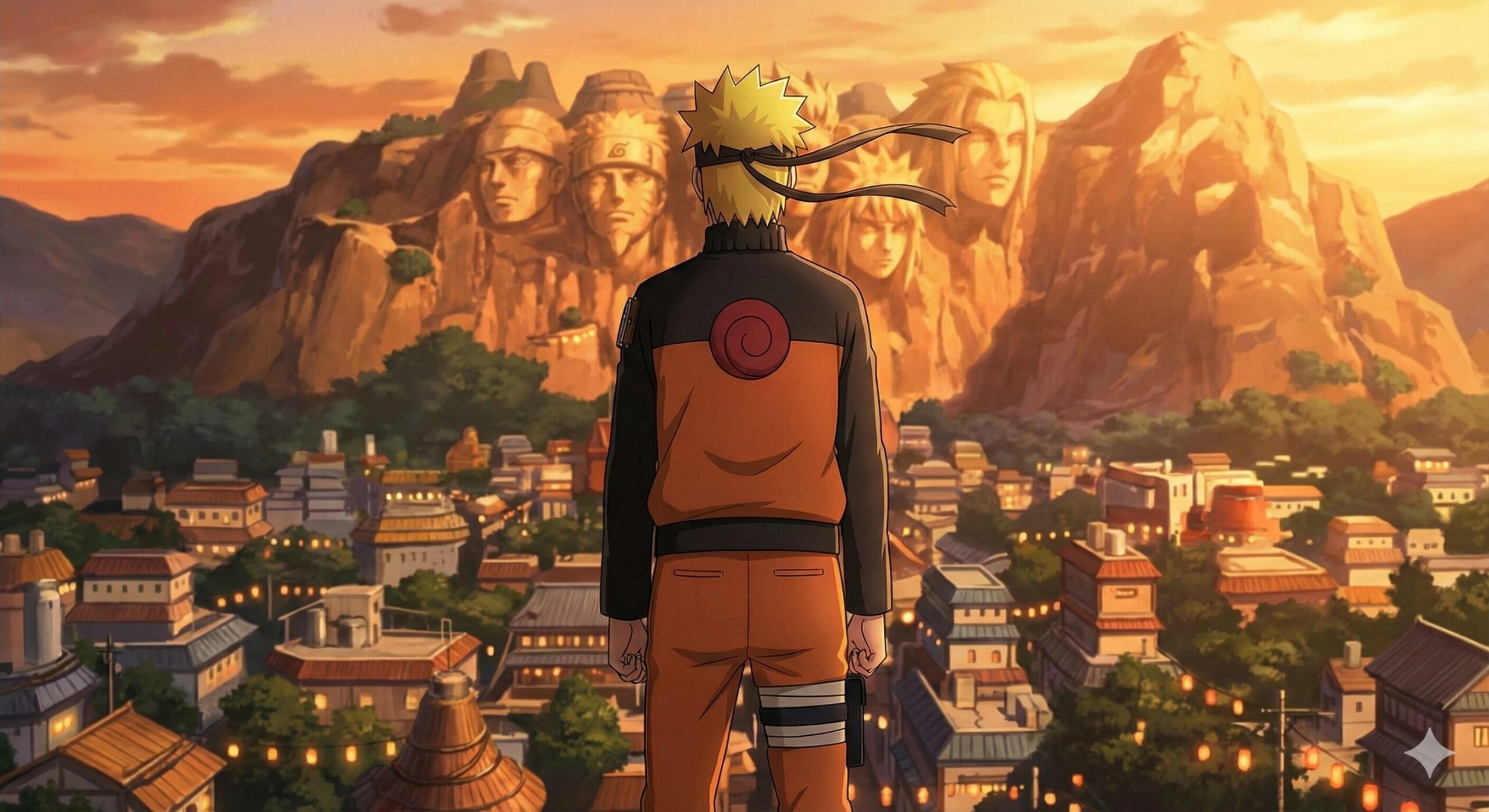
[Legendary Anime] “NARUTO”: The Passionate “Ninja Way” of an Outcast Shinobi That Shook the Souls of the World
Amidst the global sweep of Japanese pop culture, there is one legendary work that continues to shine with exceptional brilliance. That is the monumental animation masterpiece based on the manga by Masashi Kishimoto: “NARUTO”. Taking “NINJA,” an icon unique to Japan yet perhaps the most famous worldwide, as its subject, it far transcended the boundaries of a mere action spectacle, gripping the hearts of people across borders and cultural barriers. Even after the conclusion of its serialization, its fervor shows no signs of cooling, continuing to acquire new generations of fans. Why is the world so enthusiastic about “NARUTO”? In this article, we will deliver with passion the charm of its grand narrative, the secrets of its popularity unraveled from its cultural background, and the reasons why you should experience this work right now. Even if you have not yet touched this legend, you will surely want to step into the Hidden Leaf Village.

- Summary of the Work: A Grand Saga of a Lonely Boy’s Dream and Weaving Bonds
- Critique: Why is “NARUTO” Loved All Over the World? A Perspective from Japanese Culture
- Read It Now! Recommended Points of “NARUTO”
- Conclusion: May the “Will of Fire” Be in Your Heart Too
- 作品内容要約:孤独な少年の夢と、絆を紡ぐ壮大なサーガ
- 評論:なぜ『NARUTO』は世界中で愛されるのか? 日本文化からの視点
- 今こそ読むべき! 『NARUTO』のおすすめポイント
- まとめ:君の心にも「火の意志」を
Summary of the Work: A Grand Saga of a Lonely Boy’s Dream and Weaving Bonds
The World of Shinobi and a Protagonist Burdened with Destiny
The story is set in a fictional world where powerful “ninja” (shinobi) form the backbone of national power. Each country has a “Hidden Village,” and shinobi protect their villages while carrying out missions. The protagonist, Naruto Uzumaki, is a young ninja living in the “Village Hidden in the Leaves” (Konohagakure) in the Land of Fire. Characterized by his blonde hair, blue eyes, and whisker-like markings on his cheeks, he was the biggest prankster in the village and an eternal dropout and problem child at the Ninja Academy.
However, there was a sad reason why he was looked at coldly by those around him and harbored a deep loneliness. Sealed within Naruto’s body was the “Nine-Tailed Fox” (Kurama), the strongest demon beast that had once driven the village to the brink of destruction. The villagers identified Naruto himself with the Nine-Tails itself, shunning him as an object of fear and taboo. Without being told about his origins, Naruto was exposed to groundless discrimination. A desperate desire for approval—”I want to make them acknowledge my existence,” “I want everyone in the village to rethink their opinion of me”—became his driving force.
The Dream is “Hokage”! Formation of Team 7 and Trials
Naruto’s dream is to become the “Hokage,” the head of the village and the strongest ninja, and become an existence acknowledged by everyone in the village. Through interactions with Iruka Umino, his Academy homeroom teacher who becomes Naruto’s first understanding figure, Naruto takes his first step as a ninja. Becoming a Genin (junior ninja), Naruto is assigned to “Team 7,” led by the elite Jonin (high-ranking ninja) Kakashi Hatake, along with Sasuke Uchiha, a cool genius who harbors a deep darkness in his heart, and Sakura Haruno, a sharp-minded and spirited girl.
Initially rebelling against each other, through numerous grueling missions and life-or-death struggles in the Chunin Selection Exams, they deepen their bonds as irreplaceable comrades. In particular, the relationship between Naruto and Sasuke, who view each other as rivals and acknowledge one another despite their antagonism, becomes a crucial axis of the story. However, the tragic past surrounding Sasuke’s clan and his thirst for revenge eventually tear the two onto separate paths.
Shippuden, and on to the World War: A Story of Growth and Inheritance
The story is composed of Part I, depicting Naruto’s boyhood, and Part II, “Shippuden,” depicting his adolescence after growing strong through about two and a half years of training. In “Shippuden,” the story unfolds on a more serious and grand scale, including the secret maneuvers of the mysterious organization “Akatsuki” that threatens the world, the recapture of Sasuke who left the village, and the secret of Naruto’s birth and his dialogue with the Nine-Tails. Naruto, training under Jiraiya, one of the legendary “Sannin,” explores the true meaning of peace that cuts off the “chain of hatred” while overcoming meetings and partings with various people and the pain of his master’s death.
Eventually, the story plunges into the “Fourth Great Ninja War,” where the survival of all shinobi hangs in the balance. Amidst a jumble of past heroes and mighty enemies, Naruto throws himself into the battle to protect the future of the world alongside his comrades. It is the trajectory of a soul, where a boy who was once lonely is supported by many people and grows into a hero of the village, and the world.
Critique: Why is “NARUTO” Loved All Over the World? A Perspective from Japanese Culture
1. Redefinition of “NINJA” and Global Appeal
The biggest factor in “NARUTO” gaining explosive popularity abroad lies in the very subject matter of “Ninja (NINJA).” The conventional stereotypical image of a “NINJA”—clad in black, using shuriken and swords, a cold-blooded spy or assassin living in the shadows—was already popular overseas. However, what “NARUTO” depicted was a completely new figure of a ninja that drew a line from that.
They wear flashy orange clothes and announce their names boldly, fighting by utilizing flashy “Ninjutsu” that looks like magic. These novel visuals and actions betrayed the existing ninja image in a good way and provided fresh surprise. On the other hand, systems that skillfully incorporated Eastern philosophy and esoteric elements, such as the movements of forming hand seals (kuji-in), the energy concept of Chakra, and nature transformation of the Five Elements (Fire, Water, Earth, Wind, Lightning), strongly attracted overseas fans as a mysterious and profound Oriental fantasy. In other words, easy-to-understand flashiness and the exquisiteness of settings that made one want to dig deeper coexisted.
2. The Worldview and Aesthetics of Japanese “Wa” (Harmony)
The Japanese-style worldview that colors the entire work is also a major attraction. The scenery of the Hidden Leaf Village, the characters’ costumes (arrangements of kimonos and Japanese-style attire), weapons (kunai, shuriken, katana), and traditional Japanese landscapes and culture that appear throughout the story (ramen, hot springs, festivals, etc.) are full of exotic charm. In particular, the beauty of the Japanese natural depiction drawn in the background art and the tranquil atmosphere that makes one feel wabi-sabi create a contrast with the intense battles, giving depth to the work.
Also, the fact that many character names are cited from mythology (such as gods of Japanese mythology) and classical literature stimulated the intellectual curiosity of the segment interested in Japanese culture. It can be said that it was not just “Wa” as fashion, but a Japanese aesthetic sense linked to the spirituality flowing at the base of the work that fascinated people around the world.
3. Universal Themes: Loneliness, Hard Work, and “Bonds”
“NARUTO” truly transcended borders because its underlying themes were extremely universal and relatable to everyone. The starting point for the protagonist Naruto was thorough “loneliness” and “discrimination.” The question of identity—”Who am I?”, “Why am I the only one going through this?”—and the earnest desire to be recognized by others are emotions that any adolescent would harbor, resonating deeply regardless of culture or race.
And Naruto does not succumb to that fate but tries to carve out his own path with “hard work” and “guts.” The message, “Even without talent, if you work hard, you might be able to surpass a genius” (especially symbolized by the character Rock Lee), gave courage to many readers. Furthermore, the core of the story is the “bonds” with comrades. Bonds between master and student, bonds with rivals, bonds of family. The figures of believing in and helping each other, while sometimes clashing and passing each other by, depict the beauty and difficulty of human relationships. Especially the complex relationship between Naruto and Sasuke, mixed with love and hate, continued to shake the hearts of many fans.
4. Japanese Spirituality: “The Way (Tao)” and Self-Sacrifice
A spirituality leading to Japanese martial arts and performing arts is strongly reflected in “NARUTO.” All characters have their own “Nindo (Ninja Way),” that is, “their own guiding principle for living, their belief.” Represented by Naruto’s line, “I won’t go back on my word. That is my Nindo!”, they risk their lives fighting to carry through their beliefs. This stoic stance of carrying through a path once decided is an aesthetic that also leads to Japanese “Bushido” (the way of the warrior), and perhaps it appeared as a kind of nobility to overseas readers.
Also, in the story, the spirit of “self-sacrifice,” sacrificing one’s own life for the sake of the village, for comrades, and for the next generation, is repeatedly depicted. The Third Hokage, Jiraiya, Itachi Uchiha, and many other characters try to protect what is precious with their own deaths. This sad yet beautiful way of life, which could be called the “aesthetics of perishing,” is something that also leads to Japanese classical literature and historical tales, evoking deep emotion. The point of depicting “death” not just as an end but as the inheritance of will is also a Japanese characteristic of this work.
Read It Now! Recommended Points of “NARUTO”
- Ensemble Drama of Attractive Characters: Not only Naruto, but every character that appears is unique and has their own background and drama. Seeing them grow while worrying and getting hurt will surely allow you to empathize with someone. Especially villain groups like the “Akatsuki” members have attractive backbones, offering depth that cannot be dismissed with simple good and evil.
- Strategic Ninjutsu Battles That Make Your Hands Sweat: It’s not just brute force; battles of wits unfold utilizing Chakra natures and compatibility, characteristics of techniques, terrain, etc. The fun of battles where they outwit opponents, set traps, and turn the tables in a split second is exceptional. You will also be surprised by the ideas of a wide variety of Ninjutsu.
- Emotional Story That Shakes the Soul: “NARUTO” is a treasure trove of episodes that cannot be watched without tears. Parting with masters, the truth about brothers, settlement of past karma, etc., the heart-wrenching sad developments and the catharsis beyond overcoming them give unforgettable emotion. A box of tissues is essential.
- Overwhelming Heat and Immersion: It is a very long story with 72 manga volumes (the anime has 720 episodes in total), but once you start reading, you will be drawn into its worldview, and you won’t be able to stop wondering what happens next. The sense of achievement and immersion obtained by walking the long journey together with Naruto and his friends is the real thrill unique to long-form works.
Conclusion: May the “Will of Fire” Be in Your Heart Too
“NARUTO” is not just a ninja action anime. It is a grand record of the soul of a lonely boy who fights against fate, turns bonds with comrades into power, and achieves his own proof of existence. The universal human drama depicted within a worldview that condenses the essence of Japanese culture continues to shake people’s hearts hotly beyond times and borders even now. If you haven’t touched this story yet, please open that door once by all means. There, surely, an unforgettable encounter that will give courage and emotion to your life is waiting.
Reference Links to Learn More Deeply
- NARUTO OFFICIAL SITE (English) – The most reliable source for the latest information, character introductions, chronologies, etc., from officials.
- Narutopedia – A very detailed Wiki edited by fans around the world. Ideal for digging deep into techniques, characters, and settings.
- VIZ Media: Naruto (Official North American Publisher) – The site by the official publisher in North America. Information on manga free previews, anime viewing, etc.
If you want to know more about Japanese culture, click here: Japanese Culture Category
NARUTO -ナルト-:世界を熱狂させた「NINJA」魂と、普遍的な成長の物語 | アニメ紹介ブログ
【伝説のアニメ】『NARUTO -ナルト-』:世界中の魂を震わせた、落ちこぼれ忍者の熱き「忍道」
日本のポップカルチャーが世界を席巻する中で、ひときわ輝きを放ち続ける伝説的な作品があります。それが、岸本斉史による漫画を原作としたアニメーション大作、『NARUTO -ナルト-』です。「忍者(NINJA)」という、日本固有にして世界で最も有名なアイコンを題材にしながら、単なるアクション活劇の枠を遥かに超え、国境や文化の壁を越えて人々の心を鷲掴みにしました。連載終了後もなお、その熱気は冷めるどころか、新たな世代のファンを獲得し続けています。なぜ、これほどまでに世界は『NARUTO』に熱狂するのでしょうか?本記事では、その壮大な物語の魅力、文化的背景から紐解く人気の秘密、そして今こそ本作を体験すべき理由を、熱量を持ってお届けします。まだこの伝説に触れていないあなたも、きっと木ノ葉隠れの里へと足を踏み入れたくなるはずです。
作品内容要約:孤独な少年の夢と、絆を紡ぐ壮大なサーガ
忍の世界と、宿命を背負った主人公
物語の舞台は、強大な力を持つ「忍者」たちが国力の中枢を担う架空の世界。各国には「隠れ里」が存在し、忍たちは任務を遂行しながら里を守っています。主人公、うずまきナルトは、火の国にある「木ノ葉隠れの里」で暮らす少年忍者です。金髪に青い目、頬の猫髭のような模様が特徴的な彼は、里一番のいたずらっ子で、忍者学校(アカデミー)でも万年落ちこぼれの問題児でした。
しかし、彼が周囲から冷ややかな目で見られ、深い孤独を抱えていたのには、悲しい理由がありました。ナルトの体内には、かつて里を壊滅状態に追い込んだ最強の魔獣「九尾の妖狐」が封印されていたのです。里の人々は、ナルト自身を「九尾そのもの」と同一視し、恐怖と忌避の対象として遠ざけていました。出自を知らされぬまま、理由なき差別に晒されてきたナルト。「自分の存在を認めさせたい」「里のみんなに自分を見直させたい」という切実な承認欲求が、彼の原動力となっていきます。
夢は「火影」! チーム第7班の結成と試練
そんなナルトの夢は、里の長であり最強の忍である「火影(ほかげ)」になり、里の誰もが認める存在になること。アカデミーの担当教師であり、ナルトの最初の理解者となるうみのイルカとの触れ合いを経て、ナルトは忍者としての第一歩を踏み出します。下忍(げにん)となったナルトは、クールで天才肌だが心に深い闇を抱えるうちはサスケ、頭脳明晰で勝ち気な少女春野サクラと共に、エリート上忍はたけカカシが率いる「第7班」に配属されます。
当初は反発し合う三人でしたが、数々の過酷な任務や、中忍選抜試験での死闘を通じて、互いにかけがえのない仲間として絆を深めていきます。特に、互いをライバル視し、反目しながらも認め合うナルトとサスケの関係性は、物語の重要な軸となっていきます。しかし、サスケの一族にまつわる悲劇的な過去と、復讐への渇望が、やがて二人を別の道へと引き裂いていくことになります。
疾風伝、そして世界大戦へ:成長と継承の物語
物語は、ナルトの少年時代を描く第一部と、約二年半の修行を経てたくましく成長した青年期を描く第二部「疾風伝」で構成されています。「疾風伝」では、世界を脅かす謎の組織「暁(あかつき)」の暗躍、里を抜けたサスケの奪還、そしてナルトの出生の秘密や九尾との対話など、物語はより深刻で壮大なスケールへと展開していきます。伝説の「三忍」の一人である自来也を師とし、修行に励むナルト。彼は様々な人々との出会いと別れ、師の死という痛みを乗り越えながら、「憎しみの連鎖」を断ち切る真の平和の意味を模索していきます。
やがて物語は、全忍の存亡をかけた「第四次忍界大戦」へと突入。過去の英雄たちや強大な敵が入り乱れる中、ナルトは仲間たちと共に、世界の未来を守るための戦いに身を投じます。それは、孤独だった少年が多くの人々に支えられ、里の、そして世界の英雄へと成長していく、魂の軌跡なのです。
評論:なぜ『NARUTO』は世界中で愛されるのか? 日本文化からの視点
1. 「NINJA」の再定義とグローバルな魅力
『NARUTO』が海外で爆発的な人気を獲得した最大の要因は、「忍者(NINJA)」という題材そのものにあります。黒装束に身を包み、手裏剣や刀を使い、影に生きる冷徹なスパイや暗殺者……といった、従来のステレオタイプな「NINJA」像は、海外でも既にポピュラーな存在でした。しかし、『NARUTO』が描いたのは、それとは一線を画す、全く新しい忍者の姿でした。
彼らは派手なオレンジ色の服を着て堂々と名乗りを上げ、魔法のようなド派手な「忍術」を駆使して戦います。この斬新なビジュアルとアクションは、既存の忍者像を良い意味で裏切り、新鮮な驚きを与えました。一方で、印を結ぶ動作、チャクラというエネルギー概念、五行(火・水・土・風・雷)の性質変化など、東洋思想や密教的な要素を巧みに取り入れたシステムは、神秘的で奥深いオリエンタルなファンタジーとして、海外のファンを強く惹きつけました。つまり、分かりやすい派手さと、深掘りしたくなる設定の妙が共存していたのです。
2. 日本的「和」の世界観と美意識
作品全体を彩る和風の世界観も大きな魅力です。木ノ葉隠れの里の風景、登場人物たちの衣装(着物や和風の装束をアレンジしたもの)、武器(クナイ、手裏剣、日本刀)、そして物語の端々に現れる日本の伝統的な風景や文化(ラーメン、温泉、祭りなど)は、エキゾチックな魅力に溢れています。特に、背景美術に描かれる日本の自然描写の美しさや、わび・さびを感じさせる静謐な空気感は、激しいバトルとのコントラストを生み出し、作品に深みを与えています。
また、キャラクターの名前に神話(日本神話の神々など)や古典から引用されたものが多く含まれている点も、日本文化に関心を持つ層の知的好奇心を刺激しました。単なるファッションとしての「和」ではなく、作品の根底に流れる精神性と結びついた日本的な美意識が、世界中の人々を魅了したと言えるでしょう。
3. 普遍的なテーマ:孤独、努力、そして「絆」
『NARUTO』が真に国境を越えたのは、その根底にあるテーマが極めて普遍的で、誰もが共感できるものだったからです。主人公ナルトの出発点は、徹底的な「孤独」と「差別」でした。「自分は何者なのか」「なぜ自分だけがこんな目に遭うのか」というアイデンティティの問いと、他者から認められたいという切実な願いは、思春期の若者なら誰もが抱く感情であり、文化や人種を問わず深く共鳴します。
そして、ナルトはその運命に屈することなく、「努力」と「ド根性」で自分の道を切り拓こうとします。「才能がなくても、努力すれば天才を超えられるかもしれない」というメッセージ(特にロック・リーというキャラクターに象徴される)は、多くの読者に勇気を与えました。さらに、物語の核となるのが、仲間との「絆」です。師弟の絆、ライバルとの絆、家族の絆。時にぶつかり合い、すれ違いながらも、互いを信じ、助け合う姿は、人間関係の美しさと難しさを描き出しています。特にナルトとサスケの、愛憎入り混じる複雑な関係性は、多くのファンの心を揺さぶり続けました。
4. 日本的な精神性:「道(タオ)」と自己犠牲
『NARUTO』には、日本の武道や芸道に通じる精神性が強く反映されています。登場人物たちは皆、それぞれの「忍道(にんどう)」、つまり「自分自身の生きる指針、信念」を持っています。ナルトの「真っ直ぐ自分の言葉は曲げねぇ。それがオレの忍道だ!」というセリフに代表されるように、彼らは自分の信念を貫くために命を懸けて戦います。この、一度決めた道を貫き通すストイックな姿勢は、日本の「武士道」にも通じる美学であり、海外の読者には一種の高潔さとして映ったのではないでしょうか。
また、物語の中では、里のため、仲間のため、次世代のために自らの命を犠牲にする「自己犠牲」の精神が繰り返し描かれます。三代目火影、自来也、うちはイタチなど、多くのキャラクターが、自らの死をもって大切なものを守り抜こうとします。この「滅びの美学」とも言える切なくも美しい生き様は、日本の古典文学や歴史物語にも通じるものであり、深い感動を呼び起こします。「死」を単なる終わりではなく、意志の継承として描く点も、本作の日本的な特徴と言えるでしょう。
今こそ読むべき! 『NARUTO』のおすすめポイント
- 魅力的なキャラクターたちの群像劇: ナルトだけでなく、登場する全てのキャラクターが個性的で、それぞれの背景やドラマを持っています。彼らが悩み、傷つきながらも成長していく姿は、必ず誰かに感情移入できるはず。特に敵キャラクター集団「暁」のメンバーなど、悪役にも魅力的なバックボーンがあり、単純な勧善懲悪では割り切れない深みがあります。
- 手に汗握る戦略的な忍術バトル: 単なる力押しではなく、チャクラの性質や相性、術の特性、地形などを利用した頭脳戦が展開されます。相手の裏をかき、罠を仕掛け、一瞬の隙をついて逆転するバトルの面白さは格別。多種多様な忍術のアイデアにも驚かされるでしょう。
- 魂を揺さぶる感動のストーリー: 『NARUTO』は、涙なしには見られないエピソードの宝庫です。師との別れ、兄弟の真実、過去の因縁の清算など、胸を締め付けられるような切ない展開と、それを乗り越えた先にあるカタルシスは、忘れられない感動を与えてくれます。ティッシュ箱は必須です。
- 圧倒的な熱量と没入感: 全72巻(アニメは全720話)という長大な物語ですが、一度読み始めるとその世界観に引き込まれ、続きが気になって止まらなくなるでしょう。ナルトたちの長い旅路を共に歩むことで得られる達成感と没入感は、長編作品ならではの醍醐味です。
まとめ:君の心にも「火の意志」を
『NARUTO -ナルト-』は、単なる忍者アクションアニメではありません。それは、孤独な少年が運命に抗い、仲間との絆を力に変えて、自分自身の存在証明を成し遂げるまでの壮大な魂の記録です。日本文化のエッセンスを凝縮した世界観の中で描かれる普遍的な人間ドラマは、時代や国境を超えて、今もなお人々の心を熱く揺さぶり続けています。もしあなたがまだこの物語に触れていないなら、ぜひ一度、その扉を開いてみてください。そこには、きっとあなたの人生にも勇気と感動を与えてくれる、忘れられない出会いが待っているはずです。
さらに深く知るための参考リンク
- NARUTO OFFICIAL SITE (English) – 公式による最新情報、キャラクター紹介、年表など、最も信頼できる情報源。
- Narutopedia – 世界中のファンによって編集されている、非常に詳細なWiki。術、キャラクター、設定の深掘りに最適。
- VIZ Media: Naruto (Official North American Publisher) – 北米での公式出版社によるサイト。マンガの試し読みやアニメの視聴情報など。
日本の文化をもっと知りたい方はこちら:Japanese Culture カテゴリー
コメント