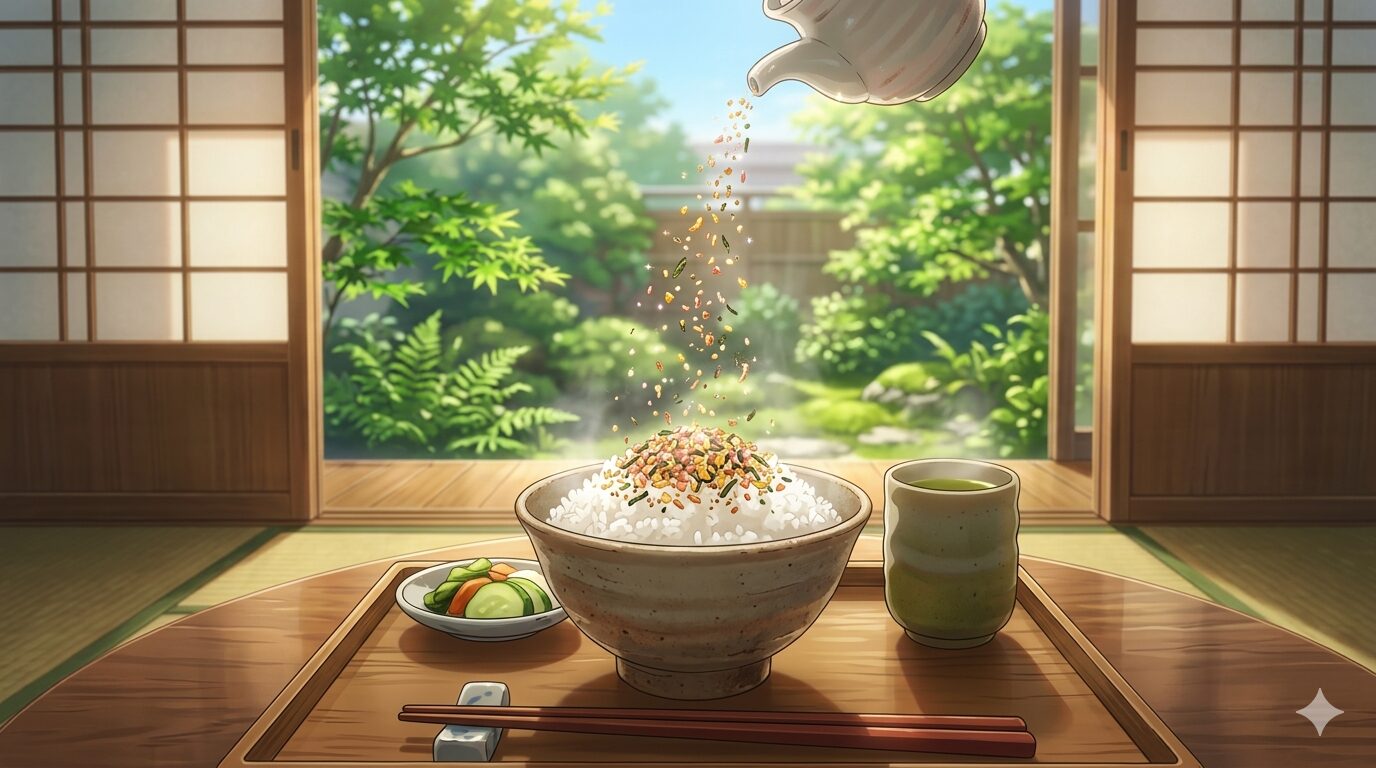
When you think of Japanese food, sushi, tempura, and ramen are globally renowned. However, there is a small, magical item indispensable to everyday Japanese dining tables and lovingly crafted “Bento” boxes. That item is “Furikake” (rice seasoning).
Every year, May 6th marks “Furikake Day” in Japan. This date is derived from the birthday of Suekichi Yoshimaru (born May 6, 1887), a pharmacist who invented “Gohan no Tomo” (Friend of Rice), considered the pioneer of modern furikake. Transcending its role as a mere rice topping, we invite you to explore the profound world of furikake, packed with Japanese history, culture, and wishes for people’s health.
“Gohan no Tomo” Born from a Pharmacist’s Compassion
The history of furikake dates back to Japan in the Taisho and early Showa eras (early 20th century). At that time, Japan’s food situation was not always abundant, and “calcium deficiency,” especially among growing children, was a severe social issue.
Suekichi Yoshimaru, working as a pharmacist in Kumamoto Prefecture, pondered how to improve this situation. Instead of prescribing calcium as a medicine, he sought a way for people to naturally and deliciously consume nutrients during their daily meals. He turned his attention to small fish (iriko) abundantly caught in nearby waters. He ground the whole fish, including the bones, into a powder, seasoned it with soy sauce and other condiments, and mixed it with sesame seeds, poppy seeds, and seaweed.
Thus, “Gohan no Tomo” was born. It was not just a flavoring; its origins lie in a “nutritional supplement” born from a medical professional’s desperate wish and love for children to grow up healthy.
Understanding Japanese Spirituality and Culture Through “Furikake”
Unraveling the history of this single, small food product reveals a strong reflection of Japan’s unique culture and spirituality. Let’s look at three essential elements of Japanese culture through furikake.
1. The Spirit of “Mottainai”
The philosophy of “Mottainai” (avoiding waste) breathes life into the roots of furikake. The manufacturing method of grinding whole fish from bones to head is an expression of respect for nature, ensuring no ingredient is wasted. Many types of furikake are also made utilizing leftover powder from making bonito flakes or scraps of tea leaves. It stands as a symbol of Japan’s sustainable food culture, deliciously consuming limited resources down to the very end.
2. The Aesthetic of “Bento” Tasted Visually
One reason Japan’s Bento culture is highly praised worldwide is its overwhelming “visual beauty.” Pure white rice is like a canvas for the Japanese. By simply sprinkling green (seaweed or matcha), red (pickled plum or salmon), and yellow (egg) furikake over it, the inside of a bento box instantly transforms into colorful art. Japan’s delicate aesthetic sense, enjoying meals visually as well as by taste, has propelled the evolution of furikake.
3. The Synergy of “Umami”
Umami is the foundation of Japanese cuisine, and furikake is truly the crystallization of this umami. The complex interplay of flavors from multiple ingredients—the inosinic acid of fish, the guanylic acid of seaweed, the roasted aroma of sesame—draws out the sweetness of simple white rice to its absolute limit. Today, countless variations exist, such as sukiyaki flavor, wasabi flavor, and spicy cod roe flavor, directly embodying the diversity of Japanese food.
Conclusion
Starting as a prayer for health, “Furikake” has evolved into an entertainment that colors the Japanese dining table. Condensed within those tiny grains are Japanese history, compassion, and aesthetics.
After reading this article, what are your thoughts on Japanese furikake? If you were to use furikake, what flavor would you choose, and what dish (even besides rice!) would you sprinkle it on? Please let your imagination run wild with ideas.
Reference Links
- Futaba Co., Ltd. (Maker of “Gohan no Tomo”): https://www.futaba-com.co.jp/
- List of our Anniversary, Calendar, and Events series: What’s Today’s Special Day Series
5月6日は「ふりかけの日」:日本の食卓に魔法をかける小さな主役の物語
日本食といえば、寿司や天ぷら、ラーメンなどが世界中で広く知られていますが、日本の日常的な食卓や、愛情が込められた「お弁当(Bento)」に欠かせない、小さな魔法のアイテムが存在します。それが「ふりかけ(Furikake)」です。
毎年5月6日は、日本の「ふりかけの日」です。この日は、現代のふりかけの元祖と言われる「御飯の友(Gohan no Tomo)」を考案した薬剤師、吉丸末吉(よしまる すえきち)氏の誕生日(1887年5月6日)に由来しています。単なるご飯のお供という枠を超え、日本の歴史と文化、そして人々の健康への願いが詰まったふりかけの奥深い世界をご案内します。
薬剤師の優しさから生まれた「御飯の友」
ふりかけの歴史は、大正時代から昭和初期(20世紀初頭)の日本に遡ります。当時の日本は食糧事情が必ずしも豊かではなく、特に成長期の子どもたちの「カルシウム不足」が深刻な社会問題となっていました。
熊本県で薬剤師として働いていた吉丸末吉氏は、この状況を何とか改善できないかと考えました。薬としてカルシウムを処方するのではなく、毎日の食事の中で自然に、しかも美味しく栄養を摂取できる方法はないか。そこで彼が目をつけたのが、近海で豊富に獲れる小魚(いりこ)でした。魚の骨ごと粉末にし、醤油などの調味料で味付けをして、ごまやケシの実、海苔を混ぜ合わせたのです。
こうして誕生したのが「御飯の友」です。これは単なる味付けではなく、「子どもたちに健康に育ってほしい」という、医療従事者としての切実な願いと愛情から生まれた「栄養補助食品」が始まりでした。
「ふりかけ」から読み解く日本の精神性と文化
一つの小さな食品の歴史を紐解くと、そこには日本独自の文化や精神性が色濃く反映されていることがわかります。ふりかけを通じて、日本文化の3つの重要な要素を見ていきましょう。
1. 「もったいない(Mottainai)」の精神
ふりかけのルーツには、日本の「もったいない」という哲学が息づいています。魚を骨から頭まで丸ごと粉砕して利用する製法は、食材を一切無駄にしないという自然への敬意の表れです。また、鰹節を作った後に出る粉末や、お茶の葉の切れ端などを活用して作られたふりかけも多く存在します。限りある資源を最後まで美味しく命としていただく、日本の持続可能な食文化の象徴と言えます。
2. 視覚で味わう「お弁当(Bento)」の美学
日本のBento文化が世界で高く評価される理由の一つに、その圧倒的な「視覚的な美しさ」があります。真っ白なご飯は、日本人にとってまるでキャンバスのようなものです。そこに、緑(海苔や抹茶)、赤(梅干しや鮭)、黄色(卵)のふりかけをパラパラと散らすだけで、お弁当箱の中は一瞬にして色彩豊かなアートへと変貌します。味覚だけでなく、視覚でも食事を楽しむ日本の繊細な美意識が、ふりかけの進化を後押ししてきました。
3. 「旨味(Umami)」の相乗効果
日本料理の根幹をなす「旨味(Umami)」。ふりかけは、まさにこの旨味の結晶です。魚のイノシン酸、海苔のグアニル酸、胡麻の香ばしさなど、複数の食材の風味が複雑に絡み合い、シンプルな白米の甘みを極限まで引き出します。現代では、すき焼き味、わさび味、明太子味など、数え切れないほどのバリエーションが存在し、日本の食の多様性をそのまま体現する存在となっています。
最後に
健康への祈りから始まり、今や日本の食卓を彩るエンターテインメントへと進化した「ふりかけ」。その小さな粒の中には、日本の歴史、思いやり、そして美意識が凝縮されています。
この記事を読んで、あなたは日本のふりかけについてどう思いましたか? もしあなたがふりかけを使うなら、どんな味を、どんな料理(ご飯以外でも!)に振りかけてみたいですか? ぜひあなたのアイデアを思い浮かべてみてください。
参考リンク
- 「御飯の友」製造元 株式会社フタバ:https://www.futaba-com.co.jp/
- 本ブログの記念日・暦・出来事シリーズ一覧はこちら:What’s Today’s Special Day Series

コメント