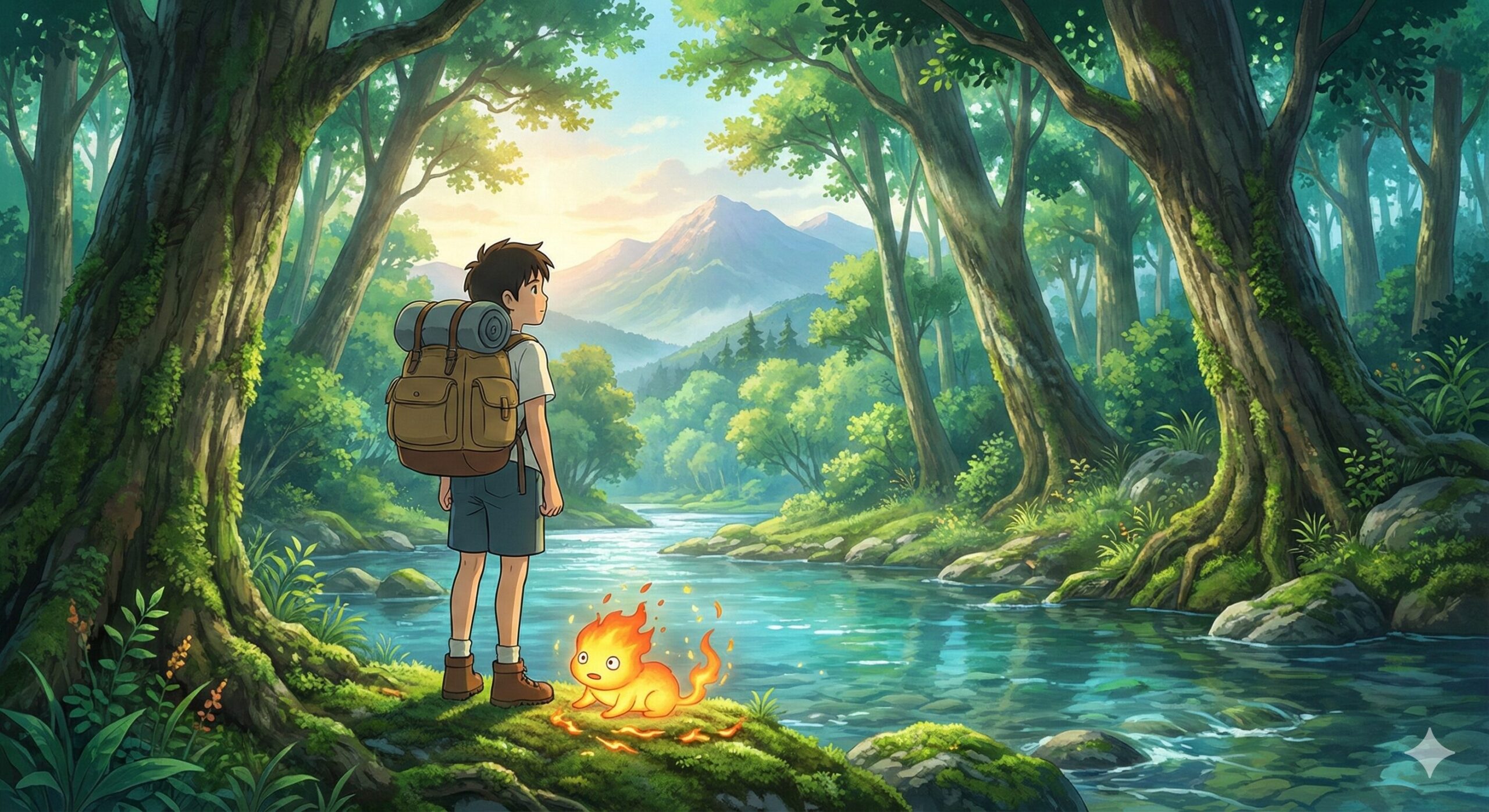
February 27 is “Pokémon Day,” a celebration for fans all around the globe. This day was officially established by The Pokémon Company to commemorate the original release of the Game Boy titles “Pokémon Red and Green” in Japan back in 1996.
While “Pokémon” is universally loved today, its beginnings were rather modest. Game creator Satoshi Tajiri based the concept on his childhood memories of “bug catching” (insect collecting) and envisioned a revolutionary system where friends could exchange data using a Link Cable. Initially, sales were quiet, but rumors of the “mythical Pokémon Mew” spread through word of mouth, quickly turning it into a social phenomenon. Since then, it has expanded into animations, trading card games, and smartphone apps like “Pokémon GO,” growing into a colossal franchise that transcends borders and generations.
Every year on Pokémon Day, new game information is announced and special events are held worldwide, making it the most exciting day for fans. It has evolved beyond a simple game release anniversary into a cultural festival where people across the world connect and share joy through the universal language of “Pokémon.”

Decoding the Deep Connection Between Pokémon and Japanese Culture
The reason Pokémon has been so widely embraced globally is deeply intertwined with traditional Japanese culture and spirituality.
First is the concept of Japanese “Animism” (Yaoyorozu no Kami, or eight million gods). Since ancient times, Japanese people have believed that spirits reside in everything in nature—mountains, rivers, plants, and animals. The world of Pokémon perfectly reflects this. They are not merely monsters; they are depicted as creatures adapting to natural environments with their own ecosystems. The fact that humans and Pokémon are not portrayed in a master-servant relationship, but rather as partners who help each other and grow together, strongly reflects the Japanese spirit of valuing coexistence with nature.
Second is the culture of “Collecting and Miniaturization.” Japan has a unique aesthetic sense of condensing vast nature and worlds into small spaces to admire them, as seen in Bonsai, Netsuke, and Hakoniwa (miniature gardens). The system of Pokémon—catching diverse creatures in palm-sized Poké Balls, carrying them around, and completing a Pokédex—can be seen as a modern version of this Japanese miniature and collecting culture.
Furthermore, the mechanism that encourages communication with others through the act of “trading” is closely related to the structure of Japanese society, which respects harmony and values bonds (En). Pokémon goes beyond the boundaries of mere entertainment; it is a powerful cultural icon that broadcasts to the world the views of nature, aesthetics, and ways of connecting with others that the Japanese have cultivated since ancient times.
What Does “Pokémon” Mean to You?
From its release in 1996 to the present day, Pokémon has always been by our side, growing alongside us. The thrill of choosing your very first partner, the excitement of trading with a friend using a Link Cable, or the memories of going to the movies with your family on a holiday—everyone holds their own unique “Pokémon experience” in their hearts.
Looking back at the world of Pokémon now as an adult, you might discover deep storylines and messages relevant to modern society that you didn’t notice as a child. Or, you might be able to create new connections with your own children or strangers around the world through Pokémon.
Which Pokémon holds the most memories for you? And if you were to set out on a journey from the real world today, which Pokémon would you choose as your partner? Please take a moment to reflect on your cherished memories with Pokémon and celebrate this special “Pokémon Day” today.
Reference Links
1996年2月27日、すべてはここから始まった
2月27日は、世界中のファンが祝う「Pokémon Day(ポケモンデー)」です。この日は、1996年にゲームボーイ用ソフト『ポケットモンスター 赤・緑』が日本で初めて発売された記念すべき日として、株式会社ポケモンによって正式に制定されました。
今や世界中で愛される「ポケモン」ですが、その始まりは決して派手なものではありませんでした。ゲームクリエイターの田尻智氏が、自身の少年時代の「昆虫採集」の思い出をベースに、通信ケーブルを使って友達とデータを交換するという画期的なシステムを構想したことが原点です。当初は売れ行きも静かでしたが、「幻のポケモン・ミュウ」の存在が口コミで広がり、瞬く間に社会現象となりました。その後、アニメ化、カードゲーム化、そして『Pokémon GO』などのスマートフォンアプリへと展開し、国境や世代を超えた一大コンテンツへと成長を遂げました。
Pokémon Dayには毎年、世界中で新しいゲームの情報が発表されたり、特別なイベントが開催されたりと、ファンにとって最もワクワクする1日となっています。単なるゲームの発売記念日を超え、世界中の人々が「ポケモン」という共通言語で繋がり、喜びを分かち合う文化的な祝祭日へと昇華しています。
ポケモンから読み解く、日本文化との深いつながり
ポケモンがこれほどまでに世界中で受け入れられた背景には、日本の伝統的な文化や精神性が深く関わっています。
第一に、日本の「アニミズム(八百万の神々)」の思想です。日本では古来より、山や川、草木、動物など、自然界のあらゆるものに魂が宿ると考えられてきました。ポケモンの世界観もまさにこれと同じです。彼らは単なるモンスターではなく、自然環境に適応し、独自の生態系を持つ生き物として描かれています。人間とポケモンが主従関係ではなく、共に助け合い、成長していくパートナーとして描かれている点は、自然との共生を重んじる日本の精神性を強く反映しています。
第二に、「収集(コレクション)とミニチュアライズ」の文化です。日本には、盆栽や根付、箱庭のように、広大な自然や世界を小さな空間に凝縮して愛でる独自の美意識があります。モンスターボールという手のひらサイズの球体に、多様な生き物を捕まえ、持ち歩き、図鑑を完成させていくというポケモンのシステムは、まさにこの日本の箱庭的文化、収集文化の現代版と言えます。
さらに、「交換」という行為を通じて他者とのコミュニケーションを促す仕組みも、和を尊び、縁を大切にする日本社会の構造と無縁ではありません。ポケモンは単なるエンターテインメントの枠を超え、日本人が古くから培ってきた自然観や美意識、そして他者との繋がり方を世界に発信する強力な文化的アイコンなのです。
あなたにとっての「ポケモン」とは?
1996年の発売から現在に至るまで、ポケモンは常に私たちのそばにあり、共に成長してきました。初めて最初のパートナーを選んだ時のドキドキした気持ち、友達と通信ケーブルを繋いで交換した時の興奮、休日に家族で映画を観に行った思い出など、誰の心にもそれぞれの「ポケモン体験」があるはずです。
大人になった今、改めてポケモンの世界を覗いてみると、子供の頃には気づかなかった奥深いストーリーや、現代社会に通じるメッセージを発見できるかもしれません。あるいは、ご自身のお子さんや世界中の見知らぬ人々と、ポケモンを通じて新しい繋がりを生み出すこともできるでしょう。
あなたにとって、一番思い出に残っているポケモンは何ですか?そしてもし今、現実の世界から旅に出るとしたら、どのポケモンをパートナーに選びますか?ぜひ、あなたの胸の内に秘めたポケモンとの思い出を振り返り、今日という特別な「Pokémon Day」を祝ってみてください。
コメント