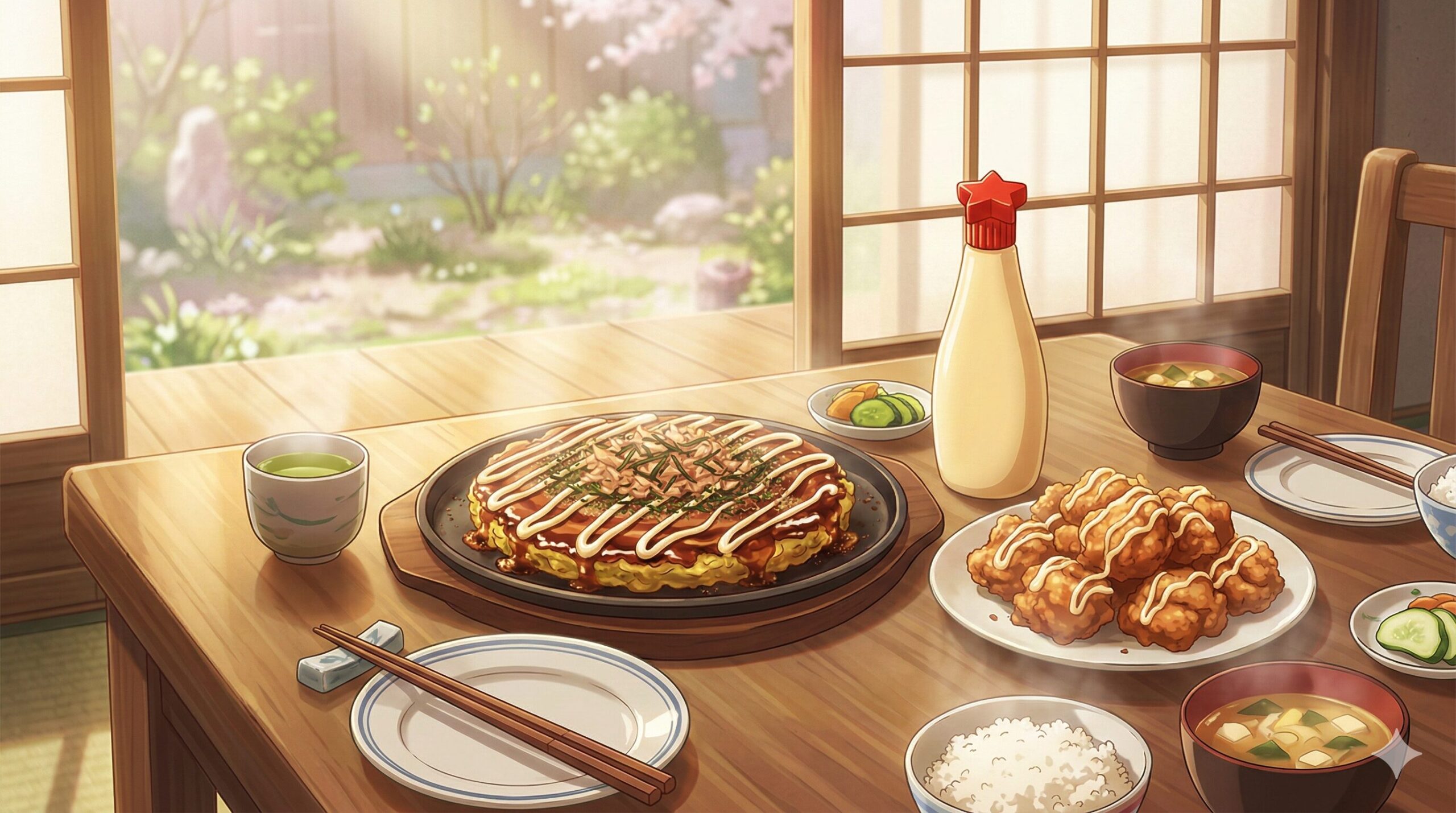
When it comes to essential condiments on a Japanese dining table, alongside soy sauce and miso, you will always find “Mayonnaise.” Originally introduced from the West, this sauce has undergone a unique evolution in Japan and has now firmly established itself globally as “Japanese Mayonnaise,” captivating gourmets all over the world. Every year on March 1st, Japan celebrates “Mayonnaise Day.” This is not just a simple anniversary; it is a vital key to unraveling Japanese food culture and its history of embracing foreign cultures.

Why is March 1st Mayonnaise Day? The Historical Background
In March 1925, the very first domestically produced mayonnaise was manufactured and sold in Japan. It was created by “Kewpie Corporation,” which still holds an overwhelming market share in Japan today. The founder, Toichiro Nakashima, first encountered mayonnaise while studying in the United States. At that time, the physical stature of Japanese people was relatively small, and malnutrition was a significant issue. Nakashima held a strong conviction: “If Japanese people eat highly nutritious and delicious mayonnaise on a daily basis, it will surely help improve their physique.” This belief drove him to start production in Japan.
The commemorative “Mayonnaise Day” was established by Kewpie Corporation. They chose “March” because it was the month the idea was first launched in Japan, and the “1st” to honor the fact that it was the “number one” (first) mayonnaise ever made in the country.
Different from the Rest of the World? The Uniqueness and “Umami” of Japanese Mayo
Many foreign visitors to Japan are surprised, often remarking, “Japanese mayonnaise tastes completely different from what we have back home.” This makes perfect sense, as the manufacturing process and ingredients of Japanese mayonnaise (especially the mainstream Kewpie brand) differ significantly from traditional Western styles.
The biggest differences lie in the “eggs” and the “vinegar.” While most Western mayonnaise uses whole eggs, Japanese mayonnaise generously uses “only egg yolks.” This creates an incredibly rich and deep flavor. Furthermore, there is a distinct difference in the vinegar used for acidity. Western mayonnaise typically relies on white vinegar or lemon juice, but in Japan, a unique blend of “rice vinegar” and “apple cider vinegar” is used. This original formulation draws out the “Umami” that Japanese people love so much, elevating it from a simple salad dressing to an “all-purpose seasoning.”
The Birth of the “Mayora” and Integration into Japanese Food Culture
When discussing Japan’s love for mayonnaise, we cannot skip the term “Mayora.” Coined in the late 1990s, this term refers to enthusiastic mayonnaise lovers who put massive amounts of the sauce on absolutely everything. They squeeze it not only on salads but also on rice, ramen, and even raw sashimi.
Extreme examples aside, mayonnaise has completely secured its citizenship in Japanese popular food culture. For “Kona-mon” (flour-based foods) like Okonomiyaki (savory pancakes) and Takoyaki (octopus balls), a beautiful grid pattern of sweet-and-savory sauce and tangy mayonnaise is absolutely essential. Serving mayonnaise alongside Karaage (Japanese fried chicken)—a staple Izakaya menu item—is common sense. At conveyor-belt sushi restaurants, “Salmon Mayonnaise” and “Tuna Salad Rolls” are incredibly popular among everyone from children to adults. Topping a pizza with mayonnaise, corn, and tuna is also a uniquely brilliant Japanese invention.
Decoding Japanese Culture from the Anniversary: The Spirit of “Wakon Yosai”
What we can decode from the history and current state of mayonnaise is the uniquely Japanese attitude toward cultural reception known as “Wakon Yosai” (Japanese spirit combined with Western learning). This is the philosophy of adopting superior Western technologies and cultures while refining and adapting them to suit Japanese spirit and tastes.
The mayonnaise that Toichiro Nakashima brought back from America did not suit the palate of the Japanese people at the time in its original form. Therefore, by pursuing the “richness” and “umami” that Japanese people prefer, and by combining unique vinegars with egg yolks, he created a magical sauce that complements both Japanese and Western cuisine. Just like Curry Rice and Ramen, mayonnaise is a “Japanese Food” that arrived from overseas and underwent its own unique evolution in Japan. The true essence of Japanese culture lies not in merely copying other countries’ cultures, but in the power to remix them into a form that harmonizes with their own climate and sense of taste.
How Will You Enjoy It?
Japanese mayonnaise is not just a side character in cooking; it is a special condiment that commands a leading presence. If you have the chance to visit Japan next time, or if you spot Japanese mayonnaise in your local supermarket, please try pairing it with various dishes using your free imagination.
So, what kind of dish would you like to pair Japanese mayonnaise with? Will you challenge yourself with a traditional Okonomiyaki? Or perhaps you will try fusing Japanese mayonnaise with your own country’s traditional cuisine? We invite you to discover your very own “Ultimate Mayonnaise Recipe.”
Reference Links
- Why is March 1st Mayonnaise Day? The Historical Background
- Different from the Rest of the World? The Uniqueness and “Umami” of Japanese Mayo
- The Birth of the “Mayora” and Integration into Japanese Food Culture
- Decoding Japanese Culture from the Anniversary: The Spirit of “Wakon Yosai”
- How Will You Enjoy It?
- 3月1日は「マヨネーズの日」!日本人が愛してやまない魔法のソースの秘密
3月1日は「マヨネーズの日」!日本人が愛してやまない魔法のソースの秘密
日本の食卓に欠かせない調味料といえば、醤油、味噌、そして「マヨネーズ」です。西洋から伝わったこのソースは、日本独自の進化を遂げ、今や世界中の美食家たちを虜にする「ジャパニーズ・マヨネーズ」として確固たる地位を築いています。毎年3月1日は、日本における「マヨネーズの日」。この日は単なる記念日ではなく、日本の食文化と異文化受容の歴史を紐解く重要な鍵となります。
なぜ3月1日がマヨネーズの日なのか?その歴史的背景
1925年(大正14年)の3月、日本で初めて国産マヨネーズが製造・販売されました。製造したのは、現在も日本のマヨネーズ市場で圧倒的なシェアを誇る「キユーピー株式会社」です。創始者である中島董一郎氏は、アメリカへ留学した際にマヨネーズと出会いました。当時の日本人は体格が小さく、栄養不足が課題となっていました。中島氏は「栄養価が高く、美味しいマヨネーズを日常的に食べるようになれば、日本人の体格向上につながるはずだ」という強い信念を抱き、日本での製造を決意したのです。
記念日である「マヨネーズの日」は、日本初の発案月である「3月」と、日本で「1番」最初に作られたことへの敬意を込めて「1日」が選ばれ、キユーピー株式会社によって制定されました。
世界と違う?日本のマヨネーズの独自性と「旨味」の秘密
海外から日本を訪れる人々の多くが、「日本のマヨネーズは自国のものと味が違う」と驚きます。それもそのはず、日本のマヨネーズ(特に主流であるキユーピー製)は、製法も原材料も西洋の伝統的なものとは大きく異なるからです。
最大の違いは「卵」と「酢」にあります。欧米のマヨネーズの多くは「全卵」を使用しますが、日本のマヨネーズは「卵黄のみ」をたっぷりと使用します。これにより、非常に濃厚でコクのある味わいが生まれます。さらに、酸味の元となる酢にも違いがあります。西洋ではホワイトビネガーやレモン果汁が一般的ですが、日本では「米酢」や「リンゴ酢」など、独自のブレンド酢を使用しています。この独自の配合が、日本人が愛してやまない「旨味(Umami)」を引き出し、単なるサラダのドレッシングを超えた「万能調味料」へと昇華させているのです。
「マヨラー」の誕生と、日本の食文化との融合
日本のマヨネーズ愛を語る上で欠かせないのが「マヨラー」という言葉です。1990年代後半に誕生したこの言葉は、何にでも大量のマヨネーズをかける熱狂的なマヨネーズ愛好家を指します。彼らはサラダだけでなく、ご飯、ラーメン、さらにはお刺身にまでマヨネーズをかけます。
極端な例はさておき、日本の大衆食文化においてマヨネーズは完全に市民権を得ています。お好み焼きやたこ焼きといった「粉もん」には、甘辛いソースと酸味のあるマヨネーズの網目模様が欠かせません。居酒屋の定番メニューである唐揚げ(フライドチキン)にマヨネーズを添えるのは常識であり、回転寿司では「サーモンマヨネーズ」や「ツナサラダロール」が子供から大人まで大人気です。ピザのトッピングにマヨネーズとコーン、ツナを乗せるのも、日本独自の素晴らしい発明と言えるでしょう。
記念日から読み解く日本文化:「和魂洋才」の精神
マヨネーズの歴史と現状から読み解けるのは、日本特有の「和魂洋才(わこんようさい)」という文化受容の姿勢です。これは、西洋の優れた技術や文化を取り入れながらも、日本独自の精神や好みに合わせて改良・洗練させていくという哲学です。
中島董一郎氏がアメリカから持ち帰ったマヨネーズは、そのままの味では当時の日本人の口に合いませんでした。そこで、日本人が好む「コク」と「旨味」を追求し、独自の酢と卵黄を組み合わせることで、和食にも洋食にも合う魔法のソースを作り上げたのです。カレーライスやラーメンがそうであるように、マヨネーズもまた、海外からやってきて日本で独自の進化を遂げた「日本食」の一つと言えます。他国の文化をただ模倣するのではなく、自分たちの風土と味覚に寄り添う形へリミックスする力こそが、日本文化の真髄なのです。
あなたなら、どう味わう?
日本のマヨネーズは、料理の脇役ではなく、それ自体が主役級の存在感を放つ特別な調味料です。もしあなたが次に日本を訪れる機会があるなら、あるいは近所のスーパーマーケットで日本のマヨネーズを見つけたなら、ぜひ自由な発想で様々な料理に合わせてみてください。
さて、あなたは日本のマヨネーズをどんな料理に合わせてみたいですか?伝統的なお好み焼きに挑戦しますか?それとも、あなたの国の伝統料理にジャパニーズ・マヨネーズをフュージョンさせてみますか?ぜひ、あなただけの「究極のマヨネーズレシピ」を見つけてみてください。


コメント