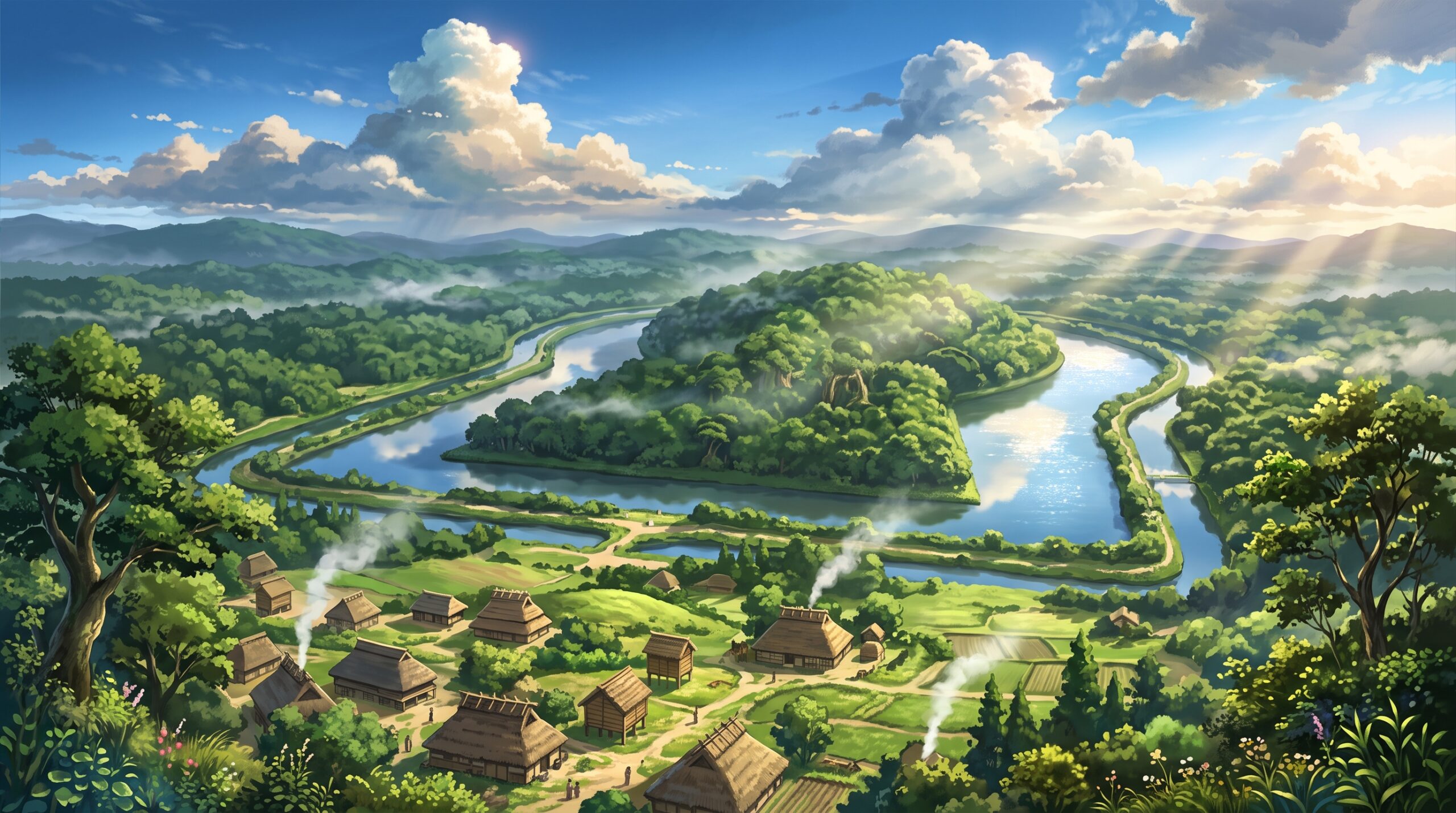
Japan is a country where ancient traditions and cutting-edge modernity coexist in breathtaking harmony. To truly understand Japanese culture, one must look deeply into its history—a history characterized by a miraculous, unbroken imperial lineage that has endured for over 2,600 years. Unlike many other ancient civilizations where dynasties repeatedly overthrew one another through bloody conquests, Japan has maintained a unique national polity (Kokutai). At the very heart of this enduring civilization lies a profound philosophy regarding the relationship between the ruler and the people. In Japan, the Emperor does not view the citizens as subjects to be exploited or dominated. Instead, they are revered as “Ohmitakara”—the Great Treasures of the nation.
This beautiful and mysterious philosophy is not merely a theoretical concept; it is the spiritual foundation of the nation, woven into the fabric of Japanese society. It fosters a culture of mutual respect, deep harmony (Wa), and collective resilience. To illustrate the true depth of this extraordinary national character, there is no better example than the life and reign of the 16th Emperor of Japan, Emperor Nintoku. Remembered throughout history as the “Sage King,” Emperor Nintoku’s story is a captivating journey into the soul of ancient Japan, filled with profound compassion, monumental achievements, and heart-wrenching sibling devotion. Welcome to a deep dive into Japanese history, brought to you by kiri53.com.
- The Kofun Period: The Dawn of a Unified Japanese State
- A Tragic Prelude: The Tale of Brotherly Love and Succession
- The Legend of Kamado no Kemuri (The Smoke from the Hearths)
- Master of Civil Engineering: The Manda Embankment (Manda no Tsutsumi)
- The Grandeur of Daisen Kofun: The World’s Largest Ancient Tomb
- Diplomacy across the Seas: The Five Kings of Wa
- The Enduring Legacy: The Spirit of “Ohmitakara” in Modern Japan
- 古代日本の神秘を紐解く:2600年続く万世一系の歴史
- 古墳時代:統一国家日本の黎明
- 悲劇の序章:兄弟愛と皇位継承の物語
- 民のかまどの伝説(かまどのけむり)
- 土木工学の達人:茨田堤(まんだのつつみ)の建設
- 大仙陵古墳の壮大さ:世界最大の古代陵墓
- 海を越える外交:倭の五王
- 受け継がれる遺産:現代日本における「大御宝」の精神
The Kofun Period: The Dawn of a Unified Japanese State
Emperor Nintoku is traditionally believed to have reigned during the late 4th to early 5th centuries. This era is known to historians and archaeologists as the Kofun period. The word “Kofun” translates literally to “ancient tomb,” and the period is named after the colossal, keyhole-shaped burial mounds that were constructed for emperors and powerful regional leaders across the Japanese archipelago. This was a dynamic and transformative time. The early Japanese state, centered in the Yamato region (which encompasses modern-day Nara and Osaka prefectures), was rapidly consolidating its political power.
During the Kofun period, Japan was actively engaging with the Asian continent, establishing crucial diplomatic and trade relationships with the kingdoms of the Korean peninsula and the dynasties of China. Advanced technologies in metallurgy, agriculture, weaving, and civil engineering were being introduced and rapidly adapted to fit the unique Japanese environment. The Yamato court was growing in wealth and influence, establishing a centralized authority that would eventually evolve into the classical Japanese state. However, amidst this era of monumental construction, geopolitical maneuvering, and political expansion, Emperor Nintoku stands out for a completely different reason. He is not celebrated as a ruthless conqueror, but rather as a ruler whose profound benevolence and self-sacrifice fundamentally defined the ideal of Japanese kingship.
A Tragic Prelude: The Tale of Brotherly Love and Succession
The path to the throne for Emperor Nintoku was neither simple nor driven by ambition; instead, it was paved with a heartbreaking display of brotherly love and filial piety. Before ascending to the throne, he was known as Prince O-sazaki. He was the son of Emperor Ojin, a powerful ruler who greatly expanded the influence of the Yamato state. However, Prince O-sazaki was not his father’s chosen successor. Emperor Ojin had deeply favored Prince O-sazaki’s younger half-brother, Uji no Wakiiratsuko. The younger prince was exceptionally brilliant, highly educated, and possessed a profound mastery of the Chinese classics and Confucian philosophy that had recently been introduced to Japan.
When Emperor Ojin passed away, a remarkable and unprecedented succession crisis occurred. Rather than fighting for power, the two brothers fought to give it away. Uji no Wakiiratsuko, deeply influenced by the Confucian ideals of respecting one’s elders and recognizing true virtue, adamantly refused to ascend the throne. He argued passionately that his older brother, Prince O-sazaki, possessed a naturally compassionate and noble heart, making him far more suited to rule the nation. On the other hand, Prince O-sazaki categorically refused to disrespect their late father’s explicit wishes. He insisted that his younger brother must become the Emperor.
This beautiful yet paralyzing standoff lasted for three long years. The throne of the Yamato state remained completely empty as the two brothers continually deferred to one another, living in separate palaces and exchanging poetic messages of mutual respect. The political administration of the country began to stall. Realizing that his continued existence was preventing his virtuous older brother from taking his rightful place and guiding the nation, Uji no Wakiiratsuko made a tragic, ultimate sacrifice. He chose to end his own life, ensuring that Prince O-sazaki would have no choice but to ascend the throne for the sake of the people. Stricken with overwhelming grief and bound by his brother’s ultimate act of love, Prince O-sazaki finally accepted the imperial regalia and became Emperor Nintoku. This profound tragedy undoubtedly shaped his entire reign, instilling in him an unbreakable vow to rule with absolute selflessness and devotion to the nation.
The Legend of Kamado no Kemuri (The Smoke from the Hearths)
The essence of Emperor Nintoku’s reign is best captured in a famous legend recorded in the *Nihon Shoki* (The Chronicles of Japan), one of the oldest and most important historical texts in Japanese history. This story, widely known as “The Smoke from the Hearths,” perfectly encapsulates the 2,600-year-old Japanese philosophy of “Ohmitakara.”
According to the ancient chronicles, a few years into his reign, Emperor Nintoku climbed a high observation tower at his magnificent Takatsu Palace in Naniwa (present-day Osaka). He looked out over the vast plains and the surrounding villages, expecting to see a bustling, prosperous kingdom. Instead, he was met with a chilling and heart-breaking sight. Looking across the horizon, he noticed that the sky was completely clear. There was absolutely no smoke rising from the cooking hearths of the people’s homes. In ancient agricultural societies, the sight of smoke meant that families had rice to boil and food to cook. The utter absence of smoke could mean only one thing: the people were suffering from severe poverty, failed harvests, and impending starvation.
Deeply devastated by this realization, Emperor Nintoku immediately summoned his ministers and made an unprecedented decree. He declared an absolute suspension of all taxation and forced labor for three entire years. He proclaimed, “The wealth of the nation does not belong in the storehouses of the Emperor; it belongs in the homes of the people.”
Three Years of Imperial Hardship
During the three years of tax exemption, Emperor Nintoku lived a life of extreme, unimaginable frugality. Without the collection of taxes or the use of conscripted labor, his own palace began to fall into severe ruin. The beautiful thatched roof began to rot and leak profusely when it rained. The majestic walls began to crumble, and weeds grew tall in the palace courtyards. The Emperor and the Empress were forced to wear worn-out clothes and endure the freezing winds of winter and the heavy rains of the monsoon season.
Seeing the Emperor’s dilapidated living conditions, the regional leaders and the people repeatedly begged for permission to bring offerings of food and to repair the palace roof. However, Emperor Nintoku firmly refused them all. He stated that allowing the people to labor for the Emperor while they were still recovering would defeat the entire purpose of the tax suspension. He chose to share in the suffering of the poorest farmer, prioritizing the economic recovery of his “Ohmitakara” above his own comfort, dignity, and safety.
The Return of the Smoke
After three grueling years of imperial hardship, Emperor Nintoku once again climbed the high tower of his crumbling palace. This time, the view was entirely different. Across the horizon, thick, white smoke was rising abundantly from the hearths of every single home in the surrounding villages. The fields were green, and the sound of life and commerce had returned. The people were cooking, eating, and thriving once more.
Witnessing this beautiful sight, the Emperor turned to his Empress with a joyful smile and declared, “I am now rich.” The Empress, looking around at their ruined clothes and the leaking roof, was bewildered. She asked, “Your Majesty, our palace is in ruins, and our clothes are ragged. How can you possibly say that we are rich?”
Emperor Nintoku’s answer has echoed through the millennia, defining the very core of Japanese political philosophy: “The people’s poverty is my poverty; the people’s wealth is my wealth. Heaven establishes a ruler solely for the sake of the people. When the people are prosperous, the Emperor is prosperous.”
Master of Civil Engineering: The Manda Embankment (Manda no Tsutsumi)
Emperor Nintoku’s profound love for his people was not limited to passive tax relief; he was also a highly proactive and visionary leader in the field of civil engineering. He understood that true prosperity required protecting the people from natural disasters and maximizing agricultural production. The region of Kawachi (in modern-day Osaka) was geographically prone to devastating, catastrophic flooding from the mighty Yodo River. Year after year, floodwaters would wash away the rice crops, plunging the local farmers into cycles of famine and despair.
To permanently solve this existential threat, Emperor Nintoku initiated and oversaw the construction of the Manda Embankment (Manda no Tsutsumi). This was Japan’s first large-scale, systematic river engineering project. The monumental task involved diverting the flow of the massive river, digging new channels, and erecting massive earthen walls to reinforce the riverbanks. It was an engineering marvel for the ancient world, requiring immense logistical coordination and advanced surveying techniques.
By successfully taming the raging waters of the Yodo River, Emperor Nintoku transformed the dangerous, swampy Kawachi Plain into one of the most expansive, rich, and fertile rice-producing regions in ancient Japan. This massive leap in agricultural output permanently stabilized the food supply of the region, dramatically boosting the economy and significantly contributing to the long-term wealth and health of the people he so deeply cared for. His proactive approach to infrastructure demonstrated that a true ruler actively reshapes the environment to benefit the “Ohmitakara.”
The Grandeur of Daisen Kofun: The World’s Largest Ancient Tomb
One of the most fascinating paradoxes of Emperor Nintoku is that the ruler most famous for his humble, frugal life and his refusal to tax the people is also associated with the largest ancient monument in Japan, and one of the largest in the entire world: the Daisen Kofun (officially known as the Nintoku-tenno-ryo Kofun). Located in the heart of modern-day Sakai City, Osaka Prefecture, this awe-inspiring tomb is the ultimate testament to the immense power, organizational capacity, and architectural genius of the Yamato court.
The Daisen Kofun is a *zenpo-koen-fun*, a uniquely Japanese “keyhole-shaped” burial mound. Its sheer scale is difficult to comprehend. The central earthen mound itself stretches nearly 500 meters in length. When you include the three massive, concentric water-filled moats that surround the tomb, the entire sacred complex spans over 800 meters. To put this into a global perspective, by surface area and total volume, the Daisen Kofun easily rivals, and in some metrics exceeds, the Great Pyramid of Giza in Egypt and the Mausoleum of the First Qin Emperor in China.
Historians and archaeologists estimate that it would have required a daily workforce of thousands of skilled laborers, engineers, and earthmovers working continuously for over 15 years to construct this colossal artificial mountain. Some modern scholars suggest that rather than being an ego-driven project, the construction of such massive Kofun might have served as a form of ancient public works. By employing thousands of people during the agricultural off-season, the Yamato court could distribute wealth, food, and resources, thereby stimulating the ancient economy and strengthening the bonds of the growing state.
Today, the Daisen Kofun is entirely covered in a dense, lush, and pristine ancient forest. It has been strictly preserved and protected from modern development, remaining a sacred sanctuary where entry is forbidden. This untouchable forest in the middle of a bustling urban metropolis creates a deeply mysterious and profoundly sacred atmosphere. In 2019, the Daisen Kofun, along with the surrounding Mozu-Furuichi Kofun Group, was officially inscribed as a UNESCO World Heritage site, finally bringing well-deserved global recognition to this incredible, enduring wonder of the ancient world.
Diplomacy across the Seas: The Five Kings of Wa
While Emperor Nintoku focused heavily on domestic prosperity, the Yamato state during his era was also looking outward. According to ancient Chinese historical records, such as the *Book of Song* (Song Shu), a succession of Japanese rulers known as the “Five Kings of Wa” sent frequent diplomatic and tributary missions to the Liu Song dynasty in Southern China during the 5th century. Many historians identify Emperor Nintoku as “King San” or “King Chin” mentioned in these Chinese texts.
These diplomatic missions were not merely gestures of submission; they were highly calculated geopolitical moves. By establishing formal relations with the powerful Chinese emperors, the Yamato kings sought official titles that would legitimize their supremacy over the Japanese archipelago and their influence over the southern Korean peninsula. Furthermore, these missions brought back invaluable treasures, advanced iron-working technology, writing systems, and new agricultural methods, all of which accelerated the development of the Japanese state. Emperor Nintoku’s reign was a time when Japan was stepping onto the international stage of East Asia, absorbing foreign knowledge while firmly maintaining its unique cultural identity.
The Enduring Legacy: The Spirit of “Ohmitakara” in Modern Japan
The legacy of Emperor Nintoku is far more than a collection of ancient myths or archaeological wonders; it is a foundational, living pillar of Japanese cultural and political identity. The profound concept that the people are the “Ohmitakara” (great treasures) of the Emperor did not die with Emperor Nintoku. It has survived for over two millennia, serving as a spiritual undercurrent that flows through modern Japan.
When you observe Japanese society today—its emphasis on social harmony (Wa), its remarkably low crime rates, the deep mutual respect between individuals, and the collective resilience demonstrated in the face of natural disasters—you are seeing the echoes of Emperor Nintoku’s philosophy. It reflects a civilization that, at its core, values the welfare of the community and the empathetic bond between leadership and citizens far above absolute tyranny or individualistic greed seen in many other historical empires.
When you explore the mysteries and charms of Japanese history, you are looking at a continuous, unbreakable thread that stretches back thousands of years. The massive, forest-covered keyhole tomb standing silently in the heart of modern Osaka is a powerful guardian of this history. It serves as a permanent reminder of a Sage King who once let his own roof leak, who shivered in the cold, and who sacrificed his own comfort entirely so that his people could have food on their tables and smoke in their hearths.
Japanese history is filled with countless fascinating, mysterious, and deeply moving stories just like this one. To discover more about the enchanting culture and the incredible historical figures that shaped this beautiful island nation, we invite you to explore more articles on kiri53.com. Thank you for joining us on this journey into the heart of ancient Japan.
古代日本の神秘を紐解く:2600年続く万世一系の歴史
日本は、古の伝統と最先端の現代性が息を呑むような調和の中で共存している国です。日本の文化を真に理解するためには、その歴史を深く見つめる必要があります。それは、2600年以上にわたって途切れることなく続いてきた、奇跡のような皇室の歴史です。武力による征服や血なまぐさい革命によって王朝が次々と交代してきた他の多くの古代文明とは異なり、日本は独自の「国体」を維持してきました。この永続する文明のまさに中心には、統治者と国民の関係に関する非常に奥深い哲学が存在します。日本では、天皇は国民を搾取したり支配したりする臣下とは見なしません。そうではなく、国民は国家の「大御宝(おおみたから)」として尊ばれてきたのです。
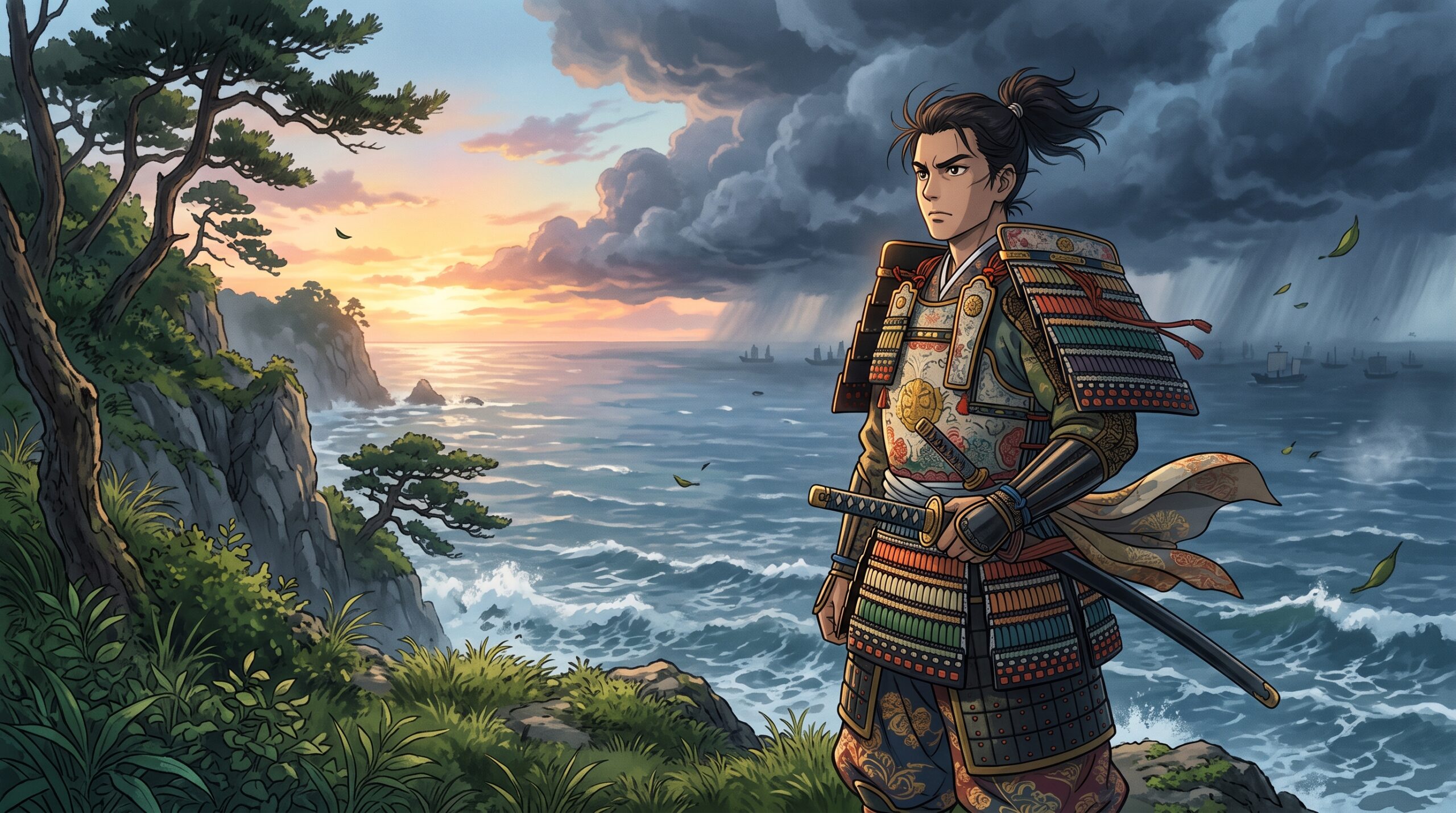
この美しくも神秘的な哲学は、単なる理論上の概念ではありません。それは国家の精神的な基盤であり、日本社会の織りなす構造そのものに組み込まれています。それは相互の尊重、深い「和」、そして集団としての回復力の文化を育んできました。この類まれな国民性の真の深さを説明する上で、日本の第16代天皇である仁徳天皇の生涯と治世ほど適した例はありません。歴史上「聖帝(ひじりのみかど)」として記憶されている仁徳天皇の物語は、深い慈愛、歴史的な大事業、そして胸を締め付けられるような兄弟愛に満ちた、古代日本の魂への魅力的な旅です。本日は、kiri53.comがお届けする、日本の歴史の深淵なる世界へようこそ。
古墳時代:統一国家日本の黎明
仁徳天皇は、伝統的に4世紀後半から5世紀前半にかけて在位したと考えられています。この時代は、歴史家や考古学者によって「古墳時代」と呼ばれています。「古墳」とは文字通り古代の墓を意味し、日本列島各地の天皇や有力な地方豪族のために築かれた巨大な前方後円墳などの墳丘墓にちなんで名付けられました。この時代は、ダイナミックで変革に満ちた時代でした。現在の奈良県や大阪府にあたる大和地方を中心とした初期の日本国家が、急速に政治的権力を統合しつつあったのです。
古墳時代、日本はアジア大陸と積極的に関わり、朝鮮半島の国々や中国の王朝と重要な外交・貿易関係を築いていました。冶金、農業、機織り、土木工学などの高度な技術が導入され、日本の独自の環境に合わせて急速に適応されていきました。大和朝廷は富と影響力を増し、後に古典的な日本国家へと発展する中央集権的な権威を確立しつつありました。しかし、このような巨大建造物の建設、地政学的な駆け引き、政治的拡大の時代にあって、仁徳天皇は全く異なる理由で際立っています。彼は冷酷な征服者としてではなく、その深い慈悲と自己犠牲によって、日本の君主制の理想を根本的に決定づけた統治者として称賛されているのです。
悲劇の序章:兄弟愛と皇位継承の物語
仁徳天皇が皇位に就くまでの道のりは、決して単純なものでもなく、野心に突き動かされたものでもありませんでした。むしろそれは、胸が張り裂けるような兄弟愛と親孝行のドラマに満ちていました。即位する前、彼は大鷦鷯尊(おおさざきのみこと)と呼ばれていました。彼は大和国家の影響力を大きく拡大した強力な指導者である応神天皇の皇子でした。しかし、大鷦鷯尊は父親が選んだ後継者ではありませんでした。応神天皇は、大鷦鷯尊の異母弟である宇治能和紀郎子(うじのわきいらつこ)を深く寵愛していました。この若い皇子は極めて聡明で、高度な教育を受けており、当時日本に伝わったばかりの中国の古典や儒教の哲学を深く修めていたのです。
応神天皇が崩御したとき、驚くべき、そして前例のない皇位継承の危機が起こりました。二人の兄弟は権力を争うのではなく、権力を譲り合うために争ったのです。年長者を敬い、真の徳を重んじる儒教の理想に深く影響を受けていた宇治能和紀郎子は、皇位に就くことを断固として拒否しました。彼は、兄の大鷦鷯尊こそが生まれつき慈悲深く高潔な心を持っており、国を治めるのにはるかに適していると熱烈に主張しました。一方、大鷦鷯尊は、亡き父の明確な遺志を軽んじることを絶対に拒否しました。彼は、弟こそが天皇になるべきだと主張し続けたのです。
この美しくも国家を停滞させる膠着状態は、実に3年もの長い間続きました。二人の兄弟が互いに譲り合い、別々の宮殿に住み、互いへの敬意を込めた和歌を交わし続ける間、大和国家の皇位は完全に空位のままでした。国の政治行政は滞り始めました。自分が生き続けている限り、徳の高い兄が正当な地位に就いて国を導くことができないと悟った宇治能和紀郎子は、悲劇的で究極の自己犠牲を行いました。彼は自らの命を絶つことを選び、民のために兄の大鷦鷯尊が皇位に就かざるを得ない状況を作ったのです。圧倒的な悲しみに打ちひしがれ、弟の究極の愛の行動に縛られた大鷦鷯尊は、ついに三種の神器を受け入れ、仁徳天皇となりました。この深い悲劇は間違いなく彼の治世全体に影響を与え、絶対的な無私の心と国家への献身をもって統治するという、決して破られることのない誓いを彼に植え付けたのです。
民のかまどの伝説(かまどのけむり)
仁徳天皇の治世の本質は、日本の歴史において最も古く重要な史書のひとつである『日本書紀』に記された有名な伝説に最もよく表れています。「民のかまど」として広く知られるこの物語は、2600年続く日本の「大御宝」の哲学を完璧に体現しています。
古代の記録によると、即位から数年後、仁徳天皇は難波(現在の大阪)にある壮麗な高津宮の高台に登りました。彼は広大な平野と周囲の村々を見渡し、活気に満ちた豊かな王国の姿を期待していました。しかし、彼の目に飛び込んできたのは、背筋が凍るような、胸が痛む光景でした。地平線を見渡すと、空は完全に澄み切っていました。人々の家々のかまどから、ご飯を炊く煙が全く上がっていなかったのです。古代の農業社会において、煙が見えることは、家族が炊く米や調理する食料を持っていることを意味しました。煙が全くないということは、たった一つのこと、すなわち人々が深刻な貧困、不作、そして飢餓の危機に瀕していることを意味していました。
この現実に深く打ちのめされた仁徳天皇は、直ちに家臣たちを召集し、前例のない詔(みことのり)を発しました。彼は、3年間にわたり、全ての税と労役を完全に免除すると宣言したのです。「国家の富は天皇の蔵にあるべきではない。それは人々の家にあるべきである」と彼は宣言しました。
3年間の皇室の苦難
税が免除された3年間、仁徳天皇は想像を絶する極端に質素な生活を送りました。税の徴収も労役による奉仕もないため、彼自身の宮殿はひどく荒れ果て始めました。美しい茅葺き屋根は腐り始め、雨が降れば激しく雨漏りしました。壮麗な壁は崩れ始め、宮殿の中庭には雑草が高く生い茂りました。天皇と皇后は擦り切れた衣服を身にまとい、冬の凍てつく風や梅雨の激しい雨に耐えなければなりませんでした。
天皇の荒れ果てた生活環境を見て、地方の豪族や人々は、食料の献上や宮殿の屋根の修理の許可を何度も懇願しました。しかし、仁徳天皇はそれらをすべて固く拒否しました。彼は、人々がまだ回復の途上にあるときに天皇のために労働させることは、税の免除の目的を根本から覆すことになると述べたのです。彼は最も貧しい農民と苦しみを分かち合うことを選び、自分自身の快適さ、威厳、安全よりも、「大御宝」である国民の経済的回復を最優先しました。
かまどの煙の復活
3年という過酷な皇室の苦難の末、仁徳天皇は再び荒れ果てた宮殿の高台に登りました。今度目の前に広がっていた景色は、全く異なるものでした。地平線の向こうまで、周囲の村々のすべての家々のかまどから、白く豊かな煙が立ち上っていたのです。畑は緑に潤い、生活と営みの音が戻っていました。人々は再び料理をし、食事を取り、豊かに暮らしていました。
この美しい光景を目の当たりにした天皇は、喜びの笑顔で皇后を振り返り、「私はすでに豊かになった」と宣言しました。皇后は、自分たちのボロボロの衣服と雨漏りする屋根を見回し、当惑して尋ねました。「陛下、私たちの宮殿は荒れ果て、衣服はボロボロです。どうして豊かになったなどと言えるのでしょうか?」
仁徳天皇の答えは、数千年の時を超えて響き渡り、日本の政治哲学のまさに核心を決定づけました。「民の貧困は私の貧困であり、民の富は私の富である。天が君主を立てるのは、ひとえに民のためである。民が豊かであるとき、天皇もまた豊かなのだ。」
土木工学の達人:茨田堤(まんだのつつみ)の建設
仁徳天皇の民への深い愛は、受動的な税の免除だけにとどまりませんでした。彼は土木工学の分野でも、極めて積極的で先見の明のある指導者でした。真の繁栄には、自然災害から人々を守り、農業生産を最大化することが不可欠であることを彼は理解していました。河内地方(現在の大阪府)は、強大な淀川による壊滅的で悲惨な洪水に地理的に見舞われやすい地域でした。毎年毎年、洪水が稲作を洗い流し、地元の農民たちを飢饉と絶望の連鎖に陥れていました。
この存亡の危機を永久に解決するため、仁徳天皇は「茨田堤(まんだのつつみ)」の建設を発案し、指揮を執りました。これは日本で最初の大規模で体系的な河川工学プロジェクトでした。巨大な川の流れを変え、新しい水路を掘り、川岸を補強するために巨大な土の壁を築くという記念碑的な事業でした。それは古代世界における工学の驚異であり、膨大な人員配置の調整と高度な測量技術を必要としました。
淀川の荒れ狂う水をうまく制御することで、仁徳天皇は危険な湿地帯であった河内平野を、古代日本で最も広大で、豊かで、肥沃な稲作地帯の一つへと変貌させました。この農業生産量の大規模な飛躍は、地域の食糧供給を永久に安定させ、経済を劇的に押し上げ、彼が深く気にかけていた人々の長期的な富と健康に大きく貢献しました。インフラに対する彼の積極的なアプローチは、真の統治者が「大御宝」の利益のために積極的に環境を作り変えることを証明したのです。
大仙陵古墳の壮大さ:世界最大の古代陵墓
仁徳天皇の最も魅力的な逆説の一つは、謙虚で質素な生活と民への非課税で最も有名な統治者が、日本最大の、そして世界全体でも最大級の古代建造物である大仙陵古墳(公式には仁徳天皇陵古墳)と結びついていることです。現在の大阪府堺市の中心部に位置するこの畏敬の念を抱かせる陵墓は、大和朝廷の計り知れない権力、組織力、そして建築的天才性を示す究極の証です。
大仙陵古墳は、日本独自の「前方後円墳」と呼ばれる鍵穴の形をした墳丘墓です。その規模の大きさは理解を超えるほどです。中央の土の墳丘自体が長さ500メートル近くにも及びます。陵墓を囲む3つの巨大な同心円状の水濠を含めると、神聖な複合施設全体は800メートル以上にも広がります。これを世界的な視点で見ると、表面積と全体積において、大仙陵古墳はエジプトのギザの大ピラミッドや中国の秦始皇帝陵に容易に匹敵し、いくつかの指標ではそれを上回っています。
歴史家や考古学者は、この巨大な人工の山を建設するためには、熟練した労働者、技術者、土木作業員など数千人の労働力が、15年以上にわたって毎日継続して働く必要があったと推定しています。一部の現代の学者は、このような巨大な古墳の建設は、エゴに駆られたプロジェクトではなく、古代の公共事業の一形態として機能していたのではないかと示唆しています。農閑期に数千人を雇用することで、大和朝廷は富、食料、資源を分配し、それによって古代経済を刺激し、成長しつつある国家の絆を強めることができたのです。
今日、大仙陵古墳は密集した、緑豊かで手付かずの古代の森に完全に覆われています。現代の開発から厳格に保存・保護されており、立ち入りが禁じられた神聖な聖域であり続けています。賑やかな都市の中心にあるこの触れることのできない森は、深く神秘的で、極めて神聖な雰囲気を醸し出しています。2019年、大仙陵古墳は周辺の百舌鳥・古市古墳群とともに、ユネスコの世界文化遺産に正式に登録され、この信じられないほど長く残る古代世界の驚異に、ようやくふさわしい世界的な認知がもたらされました。
海を越える外交:倭の五王
仁徳天皇は国内の繁栄に大きく注力していましたが、彼の時代の大和国家は外の世界にも目を向けていました。『宋書』などの古代中国の歴史書によると、5世紀に中国南部の宋(劉宋)の王朝に対し、「倭の五王」として知られる日本の歴代の統治者が頻繁に外交使節や朝貢使節を送っていました。多くの歴史家は、仁徳天皇がこれらの中国の文献に記されている「讃(さん)」または「珍(ちん)」という王であると考えています。
これらの外交使節は単なる服従のジェスチャーではありませんでした。それは高度に計算された地政学的な動きでした。強大な中国の皇帝と正式な関係を築くことで、大和の王たちは日本列島における覇権と、朝鮮半島南部における影響力を正当化する公式な称号を求めたのです。さらに、これらの使節団は、貴重な宝物、高度な鉄器製造技術、文字システム、新しい農業手法などを持ち帰り、そのすべてが日本国家の発展を加速させました。仁徳天皇の治世は、日本が東アジアの国際舞台に足を踏み入れ、独自の文化的アイデンティティをしっかりと保ちながら外国の知識を吸収していた時代でもあったのです。
受け継がれる遺産:現代日本における「大御宝」の精神
仁徳天皇の遺産は、単なる古代の神話や考古学的な驚異の寄せ集めをはるかに超えるものです。それは、日本の文化的・政治的アイデンティティの基礎であり、生きている柱なのです。国民が天皇の「大御宝(素晴らしい宝)」であるという深遠な概念は、仁徳天皇の崩御とともに消え去ることはありませんでした。それは2000年以上にわたって生き残り、現代日本を流れる精神的な底流として機能しています。
今日の日本社会を観察するとき、すなわち社会的調和(和)の重視、驚くほど低い犯罪率、個人間の深い相互尊重、そして自然災害に直面したときに示される集団としての回復力を見るとき、あなたは仁徳天皇の哲学の響きを目にしているのです。それは、歴史上の他の多くの帝国で見られた絶対的な専制政治や個人主義的な貪欲さよりも、共同体の福祉と指導者と市民の間の共感的な絆を中核において重んじる文明を反映しています。
日本の歴史の神秘と魅力を探求するとき、あなたは数千年前に遡る、連続した、決して切れることのない一本の糸を見ているのです。現代の大阪の中心に静かに佇む、森に覆われた巨大な前方後円墳は、この歴史の強力な守護者です。それは、かつて自らの家の雨漏りを放置し、寒さに震え、国民の食卓に食べ物が並び、かまどに煙が立つようにと、自らの快適さを完全に犠牲にした一人の聖帝の存在を永久に思い出させるものなのです。
日本の歴史には、これと同じような数え切れないほどの魅力的で、神秘的で、深く心を打つ物語が満ち溢れています。この美しい島国を形作った魅力的な文化や素晴らしい歴史的人物についてさらに発見するために、ぜひ kiri53.com の他の記事もご覧ください。古代日本の心に触れるこの旅にご参加いただき、ありがとうございました。
コメント