#JapaneseCulture

Japanese Folktale Series

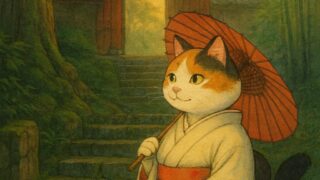
🇯🇵 Japan’s Timeless Tales: The Intriguing Story of “Neko Danka” (The Cat Parishioner) and Japanese Culture

Discover the captivating Japanese folktale of "Neko Danka" (The Cat Parishioner), a profound story of a grateful cat, a kind priest, and the spiritual roots of the Maneki-neko. Explore how this mysterious tale reflects Japan's core values of kindness, animism, and the Danka system.

“What’s Today’s Special Day?” Series

🇯🇵 December 15th: What is Today in Japan? The Start of New Year’s Post Special Handling – A Call for New Year’s Preparation

Discover the cultural significance of December 15th, "New Year's Post Special Handling Day" (Nengajo) in Japan. Learn why this analog tradition of simultaneously delivering New Year's greetings on January 1st embodies Japan's deep-rooted values of connection, gratitude, and Omotenashi.
Japanese Folktale Series

The Little Snot-Nosed God: What the Tale of ‘Hanatare Kozō-sama’ Reveals About Japanese Beliefs in Appearance, Gratitude, and True Wealth

Discover the little-known Japanese folktale, "Hanatare Kozō-sama" (The Little Snot-Nosed God). This in-depth analysis explores the concepts of 'Mitate,' 'Raihōshin' (visiting gods), and the severe moral lesson on the fleeting nature of wealth without true respect and gratitude in Japanese culture.
“What’s Today’s Special Day?” Series

🎌 December 14th: Chushingura Day—Unveiling the Essence of Bushido and the Japanese Spirit in History and Culture

Explore the profound historical and cultural significance of Chushingura Day (December 14th). Learn about the Ako Rōshi's legendary vendetta, the core values of Bushido (Gi and Chu), and the aesthetics of Japanese loyalty that continue to shape the nation's spirit.
“What’s Today’s Special Day?” Series

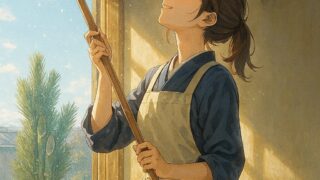
December 13th: The Essence of Japan’s Traditional ‘Shogatsu Koto Hajime’ and ‘Osoji’

Explore the profound cultural significance of December 13th in Japan, known as 'Shogatsu Koto Hajime' (start of New Year prep) and 'Osoji' (major cleaning). Discover the history of 'Susuharai,' the concept of 'Kegare' (impurity), and how the Japanese prepare their homes and minds to welcome the Toshigami-sama (New Year's God). A deep dive into tradition, hygiene, and the spirit of 'Reset.'
Japanese Folktale Series

🇯🇵 The Japanese Heart in Folktales: Lessons and Culture in ‘Anbarayami no Uma’ (The Twilight Horse)

Discover the profound meaning of 'Anbarayami no Uma' (The Twilight Horse). Explore this Japanese folktale's lessons on wealth, morality, and the cultural concepts of Giri and Yūgen, connecting ancient wisdom to modern life.
“What’s Today’s Special Day?” Series

🇯🇵 What is December 11th in Japan? The Spirit of Exploration and Mutual Aid: THINK SOUTH Day and Antarctic Observation

Discover the deep Japanese spirit behind 'THINK SOUTH Day' (Dec 11th). Learn how Antarctic observation showcases Japan's reverence for nature, teamwork ('Wa'), and the legacy of Taro and Jiro. A must-read for global readers interested in Japanese culture and environmental action.
“What’s Today’s Special Day?” Series

💥The Shadow of Showa: The Shock of the 300 Million Yen Robbery and Japan’s Light and Dark (The Mystery of December 10)

Explore the deep cultural and social impact of the infamous 300 Million Yen Robbery (1968). This super-long article reveals how Japan's biggest cold case reflects the country's economic boom, anti-establishment spirit, and the collapse of the "Safety Myth."
Japanese Folktale Series

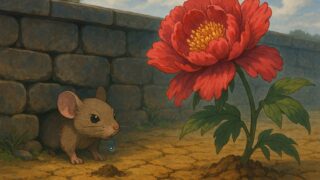
🇯🇵Japanese Folktale Series: The Peony and the Mouse – A Fable of Wealth and Modesty

Category: Japanese Folktale SeriesIntroduction: Welcome to a Lesser-Known Japanese TaleHello everyone. As a programmer a...
Japanese Folktale Series

🇯🇵 Japanese Folktale Series: The Kajika Screen (Frog Screen) ~ The Fate of a Love Trapped in a Byōbu ~

Explore 'The Kajika Screen' (河鹿の屏風), a tragic Japanese folktale where a Samurai traps a beautiful Kajika frog maiden in a painting. Delve into the themes of forbidden love, the consequence of broken trust, and the deep-seated Japanese reverence for nature and the concept of 'Ma'.