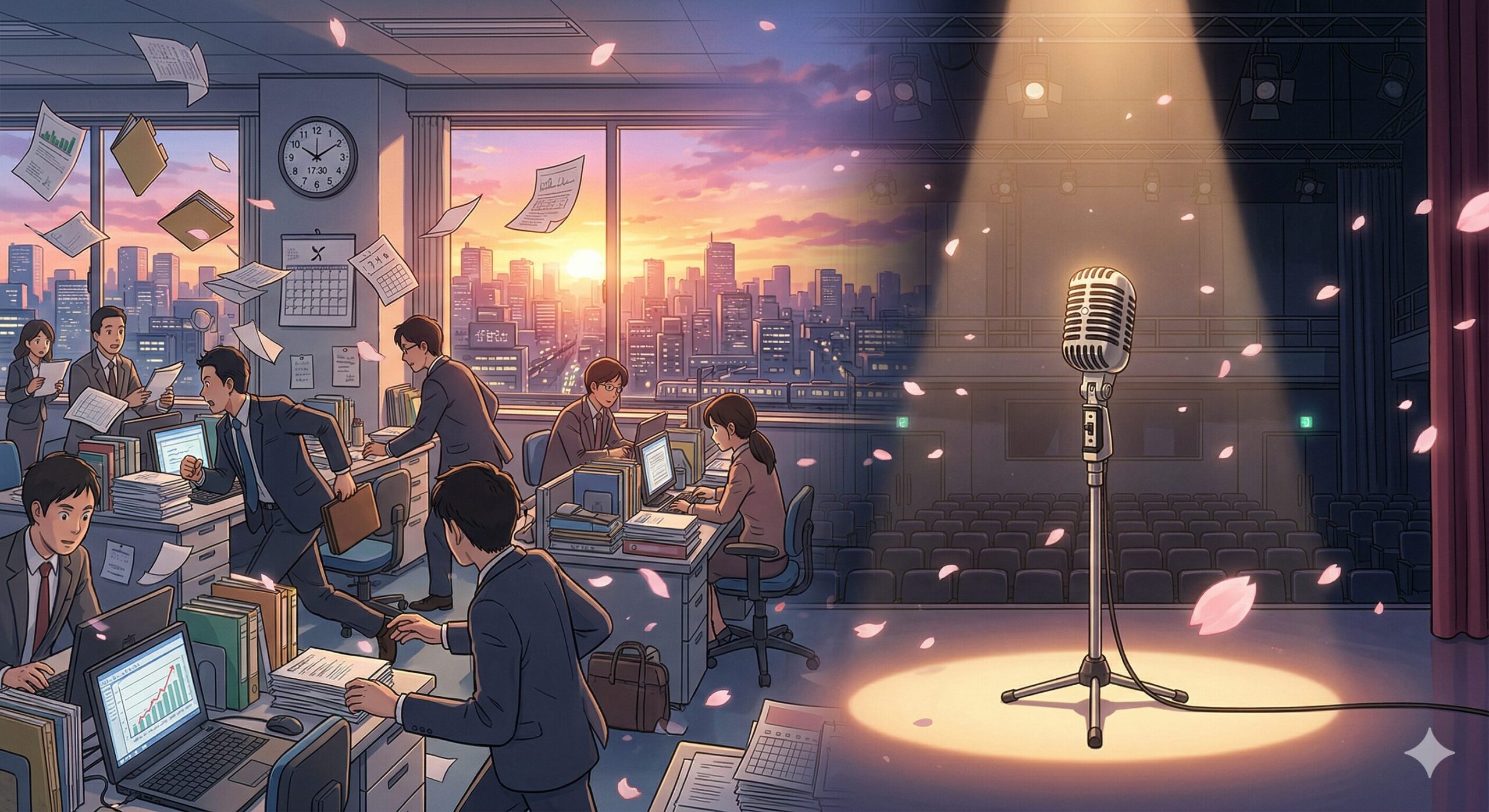
In Japan, March 31st is not just another day on the calendar. It is a profoundly significant day when the entire society takes a deep breath, brings an era to a close, and mentally prepares for a fresh start the very next day. Today, we will unravel the depths of Japanese culture through the unique social cycle of the “end of the fiscal/academic year” and the legendary finale of the television show “Waratte Iitomo!” on March 31, 2014, an event that brought the nation to tears.
The “Nendo” System That Drives Japanese Society
In many countries around the world, society operates on a cycle from January 1st to December 31st. However, Japan has another powerful, distinct timeline: the “Nendo” (fiscal/academic year). Japanese schools, government offices, and a vast majority of corporations adopt an “April start” system, beginning on April 1st and ending the following year on March 31st.
Therefore, March 31st is the “Nendomatsu” (end of the fiscal year) and the “Kessanbi” (financial closing day). On this day, offices across Japan are busy closing the year’s books, assessing goal achievements, cleaning out desks, and handling handovers accompanying large-scale personnel transfers. In schools, graduation ceremonies have concluded, and it is the time for students to say goodbye to empty classrooms. March 31st is the day the entire Japanese society performs a “grand settlement.”
Why does Japan start in April? While there are various theories, it stems from the government setting the national fiscal year to April during the Meiji period (late 19th century) to align with Japan’s traditional agricultural cycle of sowing seeds in spring. Because of this system, Japanese people share a strong, collective consciousness that “the arrival of spring equals a new beginning.”
March 31, 2014: The End of the National Show “Waratte Iitomo!”
March 31st is also a day marked by an unforgettable event in Japanese television history. On March 31, 2014, the variety show “Waratte Iitomo!” (It’s Okay to Laugh!), which had colored Japanese weekday afternoons for 32 years, finally brought down the curtain on its history.
Broadcast live since 1982 and hosted by the iconic Tamori, this show transcended mere entertainment. At 12:00 PM on weekdays, everyone watched this program—in school cafeterias, workplace breakrooms, and family living rooms. The guest talk segment “Telephone Shocking,” which connected a “circle of friends,” created a daily social phenomenon where people across Japan talked about who the next day’s guest would be.
The broadcast of “Waratte Iitomo!” was Japan’s “everyday life” and a “symbol of peace.” Therefore, reaching its final episode on March 31, the end of the 2014 fiscal year, signified a clear “end of an era” for many Japanese people. The realization that Tamori was no longer there when tuning in during the lunch break made the Japanese profoundly feel a deep sense of loss and the sadness of passing time.
Connection to Japanese Culture: “Sakura,” Transience, and Shared Experiences
From the phenomena observed on March 31st, we can clearly decipher the values rooted at the foundation of Japanese culture.
First is the “perfect synchronization of seasons and social systems.” From late March to early April, Sakura (cherry blossoms), the national flower of Japan, reach full bloom. Sakura bloom beautifully and scatter in the blink of an eye. This “ephemerality” of the cherry blossoms perfectly overlaps with the social events of the end of the year: graduations, transfers, farewells, and encounters. The Japanese project the sorrow of parting onto the falling cherry blossoms while simultaneously finding hope for the future in the budding fresh greenery. A society where natural cycles and human activities are so intimately intertwined is rare in the world.
Second is the “emphasis on national shared experiences.” Just as with the former “Waratte Iitomo!”, Japanese people feel a strong sense of security and solidarity in seeing, hearing, and sharing emotions about the same things at the same time. The fact that “everyone knows” and “everyone reaches a milestone at the same time” serves to strengthen social cohesion. The end of the year on March 31st is a day when all of Japan simultaneously shares the boundary of an “ending.”
To Our Readers
March 31st in Japan is not just a day to turn the calendar page; it is a deeply emotional day to engrave gratitude for the past and determination for the future in one’s heart, alongside the cherry blossom petals. How do you feel about this Japanese culture where the whole society finishes one cycle and takes a new start in unison?
In your country, when is the definitive timing for the entire society to make a new start? Also, does your country have a television show like “Waratte Iitomo!” that was loved as part of people’s lives for a long time, and whose ending saddened the whole nation? Please share your country’s culture and experiences with us in the comments section.
Reference Links
- Internal Link: What’s Today’s Special Day Series
- External Link (Japanese Education System): Ministry of Education, Culture, Sports, Science and Technology, Japan
- External Link (Japan Tourism and Sakura Culture): Japan National Tourism Organization (JNTO) Official Website
3月31日:日本の「終わり」と「始まり」が交差する特別な日
日本において、3月31日は単なるカレンダー上の1日ではありません。それは、社会全体が大きな深呼吸をし、一つの時代を終わらせ、翌日からの新しいスタートに向けて心の準備をする極めて重要な日です。今回は、日本の「年度末・決算日」という独特の社会サイクルと、日本中が涙した2014年3月31日の伝説的テレビ番組『笑っていいとも!』の最終回から、日本文化の深層を解き明かします。
日本の社会を動かす「年度(Nendo)」というシステム
世界の多くの国では、1月1日から12月31日までを一つのサイクルとして社会が動いています。しかし、日本にはそれとは異なるもう一つの強力なタイムラインが存在します。それが「年度(Nendo)」です。日本の学校や役所、そして多くの企業は、4月1日に始まり、翌年の3月31日に終わる「4月始まり」のシステムを採用しています。
したがって、3月31日は「年度末(Nendomatsu)」であり、企業の「決算日(Kessanbi)」となります。この日、日本中のオフィスでは一年間の帳簿を締め、目標の達成度を確認し、デスクの整理や大規模な人事異動に伴う引き継ぎ作業に追われます。学校では卒業式が終わり、生徒たちは誰もいない教室に別れを告げる時期です。3月31日は、日本社会全体が「総決算」を行う一日なのです。
なぜ日本は4月始まりなのか。その理由は諸説ありますが、明治時代(19世紀後半)に政府が国の会計年度を4月に設定したことや、日本の伝統的な農耕サイクル(春に種をまく)に合わせたという背景があります。このシステムにより、日本人は「春の訪れ=新しいスタート」という強烈な意識を共有することになりました。
2014年3月31日:国民的番組『笑っていいとも!』の終焉
3月31日という日は、日本のテレビ史においても忘れられない出来事が起きた日です。2014年3月31日、32年間にわたり日本の平日のお昼を彩り続けたバラエティ番組『笑っていいとも!』が、ついにその歴史に幕を下ろしました。
司会のタモリ(Tamori)氏を中心に、1982年から生放送で届けられたこの番組は、単なるエンターテインメントの枠を超えた存在でした。平日のお昼12時、学校や職場の食堂、家庭のリビングで、誰もがこの番組を見ていました。「友達の輪」をつないでいくゲストトークコーナー「テレフォンショッキング」は、明日のゲストが誰なのかを日本中の人々が話題にするという、社会現象を毎日巻き起こしていました。
『笑っていいとも!』が放送されていることが、日本の「日常」であり「平和の象徴」でした。そのため、2014年の年度末である3月31日に最終回を迎えたことは、多くの日本人にとって「ひとつの時代の明確な終わり」を意味しました。昼休みにチャンネルを合わせてもタモリ氏がいないという事実は、日本人に深い喪失感と、時が流れていくことの寂しさを痛烈に感じさせたのです。
日本文化との関連:「桜」と「無常観」、そして共有される体験
3月31日という日に見られるこれらの現象から、日本文化の根底にある価値観を明確に読み解くことができます。
第一に、「季節と社会システムの完全な同期」です。3月末から4月上旬にかけて、日本の国花である桜(Sakura)が満開を迎えます。桜は美しく咲き誇り、あっという間に散っていきます。この桜の「儚さ」と、卒業、異動、別れ、そして出会いという年度末の社会的イベントが見事に重なり合っているのです。日本人は、散りゆく桜に別れの切なさを投影し、同時に芽吹く新緑に未来への希望を見出します。自然のサイクルと人間の営みが、これほどまでに密接に結びついている社会は世界でも珍しいと言えます。
第二に、「国民的な共有体験の重視」です。かつての『笑っていいとも!』がそうであったように、日本人は同じ時間に同じものを見聞きし、感情を共有することに強い安心感と連帯感を抱きます。「みんなが知っている」「みんなが同じタイミングで節目を迎える」という事実が、社会の結束力を高める役割を果たしています。年度末の3月31日は、日本中が同時に「終わり」という区切りを共有する日なのです。
読者の皆様へ
日本における3月31日は、単にカレンダーをめくる日ではなく、桜の花びらとともに過去への感謝と未来への決意を胸に刻む、極めてエモーショナルな一日です。社会全体で一つのサイクルを終え、一斉に新しいスタートを切るという日本の文化を、あなたはどのように感じましたか?
あなたの国では、社会全体が新しいスタートを切る明確なタイミングはいつですか?また、あなたの国にも『笑っていいとも!』のように、長い間人々の生活の一部として愛され、終わった時に国中が悲しんだテレビ番組はありますか?ぜひ、あなたの国の文化や体験をコメント欄で教えてください。
参考リンク
- 内部リンク:What’s Today’s Special Day Series
- 外部リンク(日本の教育制度について):日本の文部科学省(Ministry of Education, Culture, Sports, Science and Technology)
- 外部リンク(日本の観光と桜の文化):日本政府観光局(JNTO)公式ウェブサイト

コメント