Happy New Year! While January 1st is a solemn day spent quietly with family welcoming the gods, the Japanese New Year celebrations do not end there. In fact, it is no exaggeration to say that the true activity of human society begins on January 2nd.
January 2nd holds a strong character as the day of “Kotohajime” (The Beginning of Matters) in Japanese tradition. It is a day to divine the future through dreams, solidify resolutions with calligraphy brushes, and revitalize commerce. This day bridges the gap between stillness and motion, between the sacred time and daily life, symbolizing how deeply Japanese people cherish “beginnings.”
Let’s explore the Japanese mindset through three key events that color January 2nd: Hatsuyume (First Dream), Kakizome (First Calligraphy), and Hatsuuri (First Sale).
1. Hatsuyume: The Prophecy Hidden Under the Pillow
What did you dream of last night? In Japan, the dream seen generally from the night of January 2nd to the morning of the 3rd is called “Hatsuyume” and is considered an important indicator of the year’s fortune.
Why the Night of January 2nd?
Looking back at history, the definition of the first dream varied by era. However, since the middle of the Edo period (1603–1867), the custom of counting the dream on the night of the 2nd became established among the common people. This is because the 2nd is the day of “Kotohajime,” and even the act of dreaming was perceived as the first activity of the New Year.
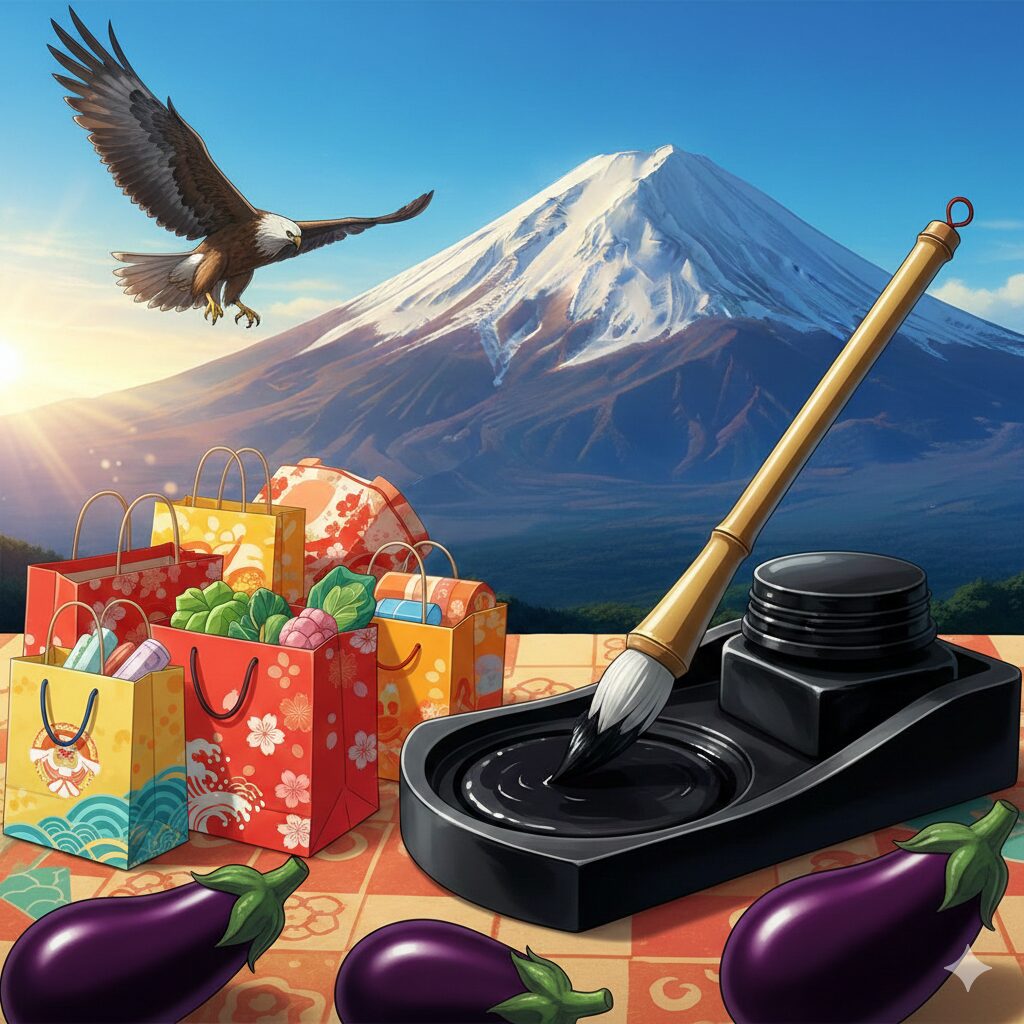
The Mystery of “Ichi-Fuji, Ni-Taka, San-Nasubi”
There is a famous proverb about lucky items to see in a first dream: “One Fuji, Two Hawks, Three Eggplants.” This contains deep meanings and puns.
- One Fuji (Mt. Fuji): Japan’s highest peak. Its magnificence implies “Buji” (safety/peace) and symbolizes “Fushi” (immortality), representing longevity and social success.
- Two Hawks (Taka): From the image of soaring in the sky and seizing prey, it signifies achieving “Takai” (high) goals and grabbing luck.
- Three Eggplants (Nasubi): This puns with the word “Nasu” (to accomplish). It signifies accomplishing things, building wealth, and prosperity of descendants (as eggplants bear many fruits).
Actually, there is a continuation to this list: “Four Fans, Five Tobacco, Six Zato (blind musicians).” Fans represent prosperity spreading out, tobacco smoke rising symbolizes rising luck, and Zato (who have no hair “ke-ga”) puns with “Kega-nai” (no injury/safety of the household). It is fascinating that Japanese superstitions are closely tied to these wordplays.
In the past, Japanese people would sleep with a picture of a Treasure Ship (Takarabune) with the Seven Lucky Gods under their pillow to ensure a good dream. If they had a bad dream, they would wash the picture away in a river or chant for the Baku (a mythical creature that eats dreams) to devour the nightmare, thus warding off evil.
2. Kakizome: New Year’s Resolutions Inked on Paper
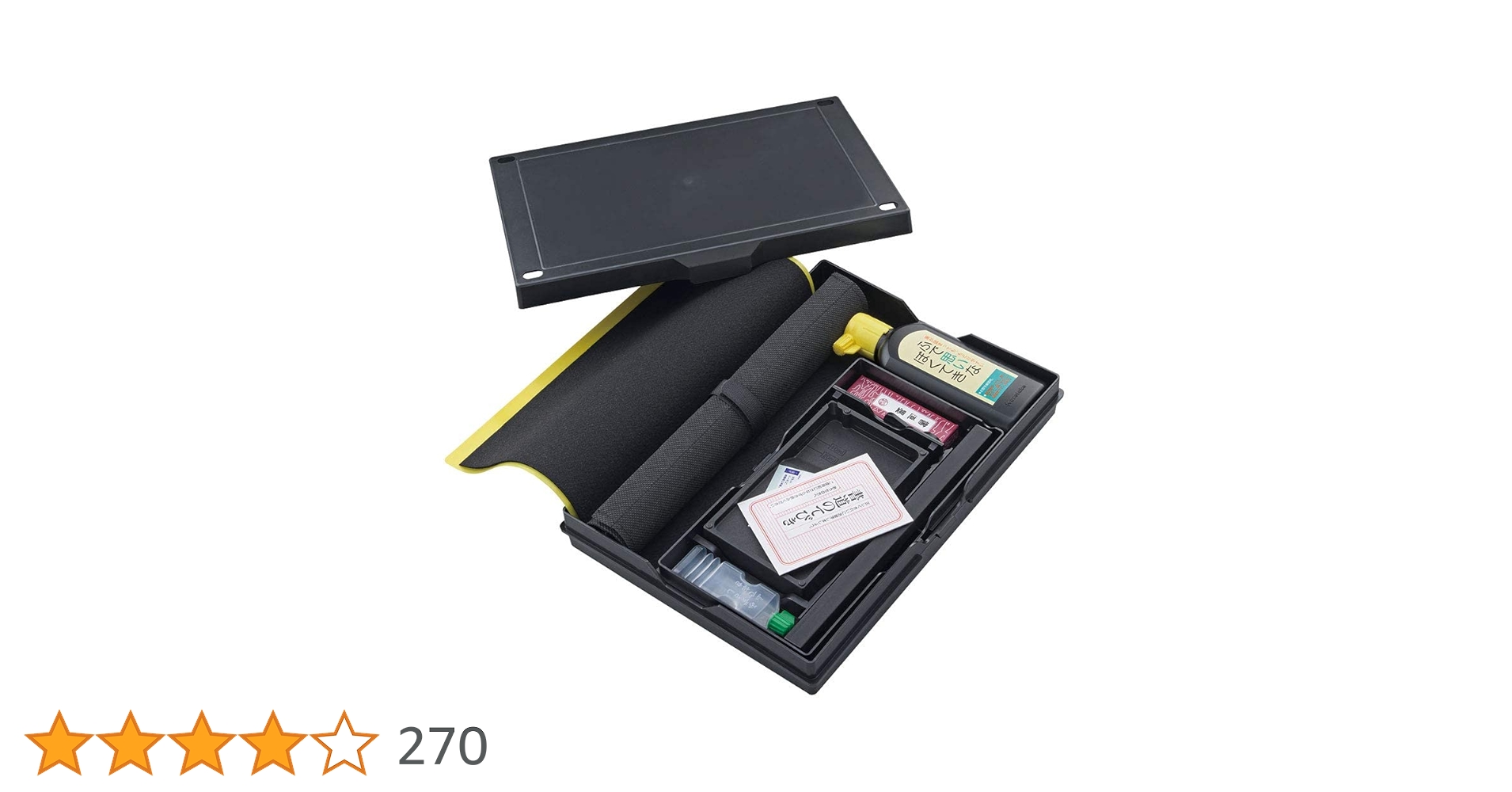
January 2nd is also the day of “Kakizome,” holding the brush and writing characters for the first time in the year. Originating from an imperial court ceremony called “Kissho-hajime,” it spread to commoners in the Edo period along with the spread of Terakoya (schools of that time).
Writing Poetry Toward the Lucky Direction
Traditionally, people wrote auspicious words or poetry facing the “Eho” (lucky direction), where the god governing the year’s fortune resides. In modern times, it is common as a school assignment or a personal hobby to write “New Year’s resolutions.” Vigorously writing phrases like “Indomitable Spirit” or “New Challenges” with a thick brush on Hanshi paper serves as a rare time for spiritual unification in our digital society.
Fire Festivals and Improvement of Skills
The calligraphy written is burned at a fire festival called “Sagicho” or “Dondo Yaki” held in mid-January. It is believed that the higher the burning paper flies into the sky, the more one’s handwriting will improve. The cycle is not just about writing, but returning it to the heavens.
3. Hatsuuri & Hatsuni: The Entertainment of Lucky Bags
Beyond spiritual events, January 2nd is the day the economy starts moving. Many department stores and shopping malls open on this day for “Hatsuuri” (First Sale).
Fukubukuro: Luck You Can Buy
The highlight of the first sale is undoubtedly the “Fukubukuro” (Lucky Bag). This system of buying sealed bags for a fixed price without knowing the contents is a great deal, but also a form of gambling. While transparent bags have increased recently, the excitement of “testing one’s luck for the New Year” is the driving force that makes people line up for hours.
Hatsuni: The Pride of Decorated Logistics
Additionally, the first shipment of goods by companies in the New Year is called “Hatsuni.” In the past, horse-drawn carriages and trucks loaded with goods were lavishly decorated with red and white flags and banners, parading through the town. This was a corporate appeal stating, “Business will surely thrive this year,” and a festive scene that brought vitality to the streets.
Cultural Insight: The Obsession with “Hatsu” and the Aesthetics of Rebirth
What becomes visible through these January 2nd events is the Japanese people’s strong obsession with the concept of “Hatsu” (First). First Dream, First Calligraphy, First Sale, First Shipment, as well as First Sunrise and First Shrine Visit.
Japanese people do not perceive the change of the year merely as a calendar shift. It is a timing for “Rebirth.” They believe that resetting everything once and how they perform the “First action” in a pristine state determines the quality of the coming year and, by extension, their life.
Composing oneself with calligraphy or trying to know fate through dreams are all manifestations of positive prayers to maximize this “Sacred Reset.” Rather than simply fearing the uncertain future, they try to invite good fortune themselves through lucky charms and rituals. Here, we catch a glimpse of the Japanese religious view that is both realistic and optimistic.
A Question for You
Thank you for reading this far. January 2nd in Japan is a day filled with energy switching from silence to activity.
So, here is a question for you:
“If you could control your dreams tonight, what kind of ‘First Dream’ would you want to see to kickstart your year?”
Would it be grand success, or a peaceful time with loved ones? Please try sleeping tonight with that image in mind, as if you were placing it under your pillow.
Related Links
1月2日:夢と書と商いで占う、日本の「事始め」
新年あけましておめでとうございます。1月1日の元旦は、家族と共に静かに過ごし、神様を迎える厳かな日でした。しかし、日本の正月はそこで終わりではありません。むしろ、人間社会の活動が動き出すのは、この1月2日からと言っても過言ではないのです。
1月2日は、日本の伝統において「事始め(ことはじめ)」の日としての性格を強く持っています。夢で未来を占い、筆で決意を固め、商いが活気づく。静から動へ、神聖な時間から日常の営みへと橋渡しをするこの日の習慣は、日本人がいかに「始まり」を大切にしているかを象徴しています。
今回は、1月2日を彩る3つの重要なキーワード「初夢」「書き初め」「初売り」を通して、日本人の精神性を深く探っていきましょう。
1. 初夢(Hatsuyume):枕の下に隠された未来の予言
あなたは昨晩、どんな夢を見ましたか?日本では、一般的に1月2日の夜から3日の朝にかけて見る夢を「初夢」と呼び、その年の運勢を占う重要な指標としてきました。
なぜ1月2日の夜なのか?
歴史を紐解くと、時代によって初夢の定義は異なっていました。江戸時代(1603年〜1867年)の中期以降、多くの庶民の間で「2日の夜に見る夢」とするのが定着しました。これは、2日が「事始め」の日であり、夢を見るという行為さえも、新年の最初の営みとして捉えられたためです。
一富士二鷹三茄子(Ichi-Fuji, Ni-Taka, San-Nasubi)の謎
初夢に見ると縁起が良いとされる有名なことわざがあります。「一富士二鷹三茄子」。これには深い意味と語呂合わせが隠されています。
- 一富士(富士山):日本最高峰の山。その雄大さは「無事(ぶじ)」に通じ、また「不死(ふし)」の象徴として、長寿や立身出世を表します。
- 二鷹(タカ):大空を舞い獲物を捕らえる姿から、「高い(たかい)」目標を達成する、運を鷲掴みにするという意味があります。
- 三茄子(ナス):「成す(なす)」という言葉に通じます。物事を成し遂げる、財を成す、子孫繁栄(ナスは実がよくなるため)を意味します。
実はこれには続きがあります。「四扇(しおうぎ)、五煙草(ごたばこ)、六座頭(ろくざとう)」です。扇は末広がりで繁栄を、煙草は煙が上昇することから運気上昇を、座頭(琵琶法師)は毛がないことから「怪我ない(家内安全)」を意味しています。日本の縁起担ぎは、こうした言葉遊び(ダジャレ)と密接に関わっているのが面白い点です。
かつての日本人は、良い夢を見るために、七福神が乗った宝船の絵を枕の下に敷いて寝るという風習を持っていました。悪い夢を見てしまった場合は、その絵を川に流したり、バク(夢を食べる空想上の生き物)に食べさせると唱えたりして、厄払いをしたのです。
2. 書き初め(Kakizome):墨に込める新年の決意
1月2日は、初めて筆を持ち文字を書く「書き初め」の日でもあります。古くは宮中で行われていた「吉書(きっしょ)始め」という儀式に由来し、江戸時代には寺子屋(当時の学校)の普及とともに庶民にも広がりました。
恵方に向かって詩歌を詠む
伝統的には、その年の福徳を司る神様がいる方角「恵方(えほう)」に向かって、おめでたい言葉や詩歌を書きました。現代では、学校の宿題として、あるいは個人の趣味として、「新年の抱負」を書くことが一般的です。「不撓不屈(ふとうふくつ)」や「新たな挑戦」など、自分の精神を太い筆で半紙に叩きつける行為は、デジタル社会においては稀有な、精神統一の時間となります。
火祭りと文字の上達
書いた書き初めは、1月中旬に行われる「左義長(さぎちょう)」や「ドンド焼き」と呼ばれる火祭りで燃やされます。燃え上がった紙が高く舞い上がれば舞い上がるほど、その人の字が上達すると信じられています。書く行為だけでなく、それを天に還すところまでが一つのサイクルなのです。
3. 初売り・初荷(Hatsuuri / Hatsuni):福袋という名のエンターテインメント
精神的な行事だけでなく、1月2日は経済が動き出す日でもあります。多くの百貨店やショッピングモールがこの日に営業を開始し、「初売り」を行います。
福袋(Fukubukuro):中身の見えない幸運
初売りの目玉は何と言っても「福袋」です。中身がわからない袋を定額で購入するこのシステムは、非常にお得であると同時に、一種のギャンブルでもあります。近年では中身が見える福袋も増えましたが、「新年に運試しをする」というワクワク感こそが、人々を行列に並ばせる原動力です。
初荷:飾り立てられた物流の誇り
また、企業が新年に初めて商品を出荷することを「初荷」と呼びます。かつては、商品を満載した馬車やトラックを紅白の旗や幟(のぼり)で華やかに飾り立て、街中をパレードのように練り歩きました。これは「今年も商売繁盛間違いなし」という企業のアピールであり、街に活気を与える祝祭的な光景でした。
日本文化の深層:「初(Hatsu)」への執着と再生の美学
これら1月2日の行事を通じて見えてくるのは、日本人の「初(Hatsu)」という概念への強いこだわりです。初夢、書き初め、初売り、初荷、そして初日の出や初詣。
日本人は、年が改まることを単なるカレンダー上の変化とは捉えていません。それは「再生(Rebirth)」のタイミングなのです。一度すべてをリセットし、まっさらな状態で最初の行動(First action)をどう行うかが、その後の1年間、ひいては人生の質を決定づけると信じています。
書き初めで精神を整えるのも、初夢で運命を知ろうとするのも、すべてはこの「聖なるリセット」を最大限に活かそうとするポジティブな祈りの表れなのです。不確実な未来に対して、単に不安を抱くのではなく、縁起物や儀式を通じて自ら良い運気を呼び込もうとする。ここには、日本人の現実的でありながらも楽観的な宗教観が垣間見えます。
あなたへの問いかけ
ここまで読んでいただき、ありがとうございます。日本の1月2日は、静寂から活動へと切り替わるエネルギーに満ちた日です。
そこで、あなたに質問です。
「もし今夜、あなたが夢をコントロールできるとしたら、どんな『初夢』を見て、1年のスタートを切りたいですか?」
それは壮大な成功でしょうか、それとも愛する人との穏やかな時間でしょうか。ぜひ、そのイメージを枕の下に敷くつもりで、今夜眠りについてみてください。

コメント