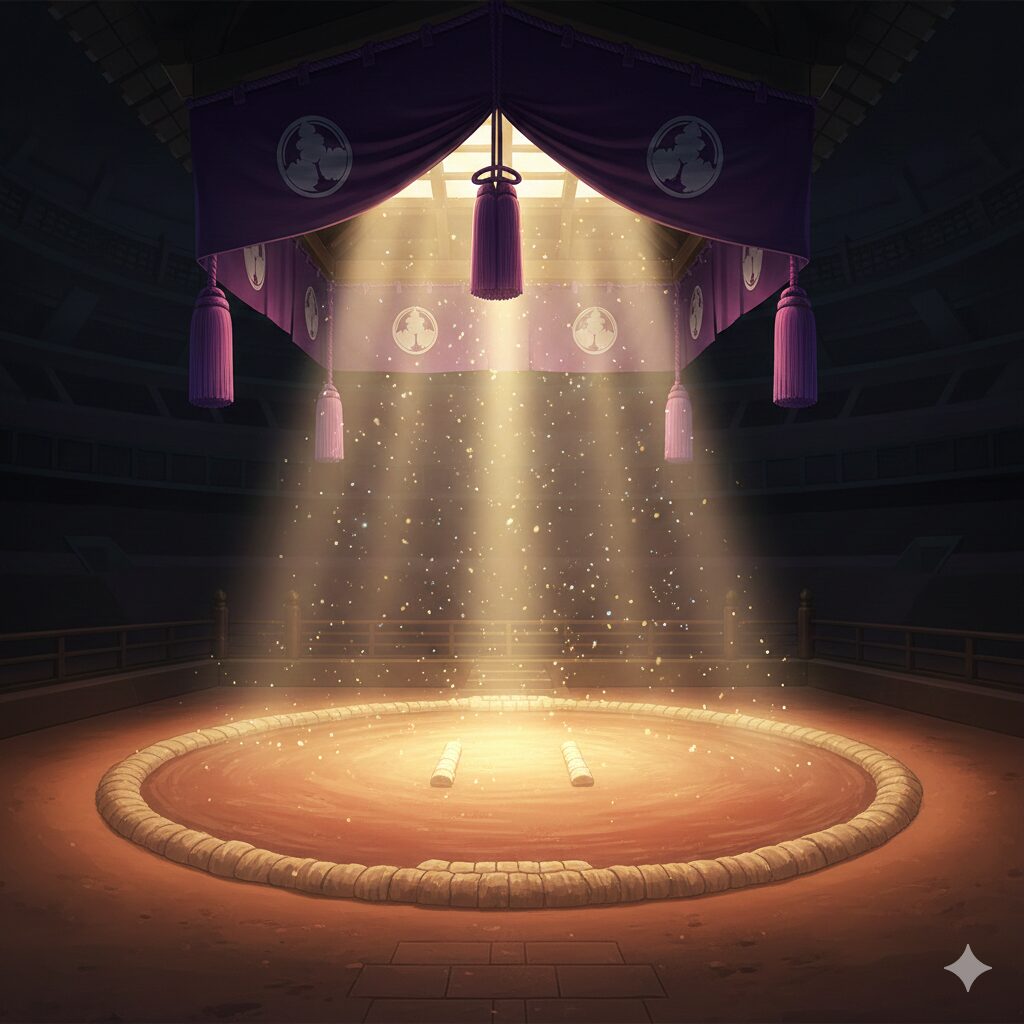
When many people around the world think of iconic images of Japan, “Sumo” often comes to mind. The sight of massive wrestlers colliding in a clay ring is recognized globally not just as a sport, but as a sacred ritual. However, the system of “Grand Sumo” (Ozumo) as we know it today was not always a monolithic entity.
December 28, 1925, marks a pivotal turning point in the history of Japanese Sumo. On this day, “Tokyo Sumo” and “Osaka Sumo” merged to establish the “Dai Nihon Sumo Kyokai” (now the Japan Sumo Association). In this article, we delve into this historic day and explore why Sumo came to be known as Japan’s “National Sport” (Kokugi).

Two Forces: The Rivalry and Integration of Tokyo and Osaka
From the Edo period through the Meiji and Taisho eras, the world of Japanese Sumo was not unified. Independent Sumo organizations existed in “Edo” (Tokyo), the seat of the Shogunate, and “Osaka,” the city of merchants.
Tokyo Sumo held authority as the cultural center and led Osaka in both skill and popularity. Meanwhile, Osaka Sumo boasted deep-rooted popularity in the Kansai region, but it began to lag behind Tokyo in organizational strength and the quality of its wrestlers. At the time, both organizations held separate tournaments and created separate “Banzuke” (ranking sheets).
The turning point came in the 1920s. The Crown Prince at the time (later Emperor Showa), who was deeply fond of Sumo, donated funds to encourage tournaments. This served as a catalyst, heightening the momentum to “unify Sumo not merely as entertainment, but as a national sport of Japan, elevating its dignity.”
Finally, on December 28, 1925, the associations of Tokyo and Osaka were unified, and the “Dai Nihon Sumo Kyokai” was launched. From the following year, 1926, the rankings were integrated, creating the sole professional Sumo organization in Japan in both name and reality. This unified the rules, formalities, and status of wrestlers nationwide, completing the foundation of Grand Sumo that continues to this day.
Deciphering Japanese Culture through Sumo: The Fusion of Ritual and Sport
What we can learn from this historic integration is how Japanese people have systematized and preserved their “traditions.”
1. The Dohyo (Ring) is Sacred Ground
Sumo is a sport, but its roots lie in “Shinto.” The roof hanging over the Dohyo has the same structure as a Shinto shrine roof, and items such as chestnuts and kelp are buried beneath the ring to appease the gods of the land. Wrestlers throw salt to purify the ring. The establishment of the Association in 1925 played a role in strictly preserving these religious rituals within the framework of a “National Sport.”
2. Unification of “Shin-Gi-Tai” (Heart, Technique, Body)
With the unification of the organization, the dignity required of wrestlers became stricter. It is not enough to simply be strong; a “Yokozuna” (Grand Champion) requires “hinkaku” (dignity/grace). This symbolizes Japanese spirituality influenced by Bushido. The unification of the organization succeeded in establishing this spirituality as a national standard.
3. The Balance of Change and Constancy
The merger of 1925 was a very modern organizational reform for its time. However, even though they changed the organization, they did not change the “forms” such as the topknot (mage), the kimono, or the referee’s attire. The interesting aspect of Japanese culture is that it updates the content (operating system) to fit the times while stubbornly protecting the appearance (traditional aesthetic).
A Question for You
On this day in 1925, Sumo was reborn from regional entertainment into a cultural heritage representing the nation. Two different organizations joined hands to become one for a greater goal—a lesson that may apply to modern business and international relations.
Does your country have a culture or sport that was once divided by region but merged to become a “national symbol”? Or perhaps something that dares to stick to old styles to protect tradition?
If you have the chance to watch a Sumo broadcast, please pay attention to the ring-entering ceremony and the throwing of salt. Breathing there is the strict aesthetic that our predecessors decided to “make the pride of Japan” about 100 years ago.
References & Related Links
- Nihon Sumo Kyokai Official Website – The most reliable source for schedules, history, and ticket information.
- What’s Today’s Special Day Series – Click here for more on Japan’s anniversaries.
1925年12月28日:東西合併、大日本相撲協会の誕生—国技としての夜明け
日本の象徴的なイメージとして、多くの外国人が思い浮かべる「相撲(SUMO)」。巨大な力士たちが土俵の上でぶつかり合う姿は、単なる格闘技を超えた神聖な儀式として世界中で知られています。しかし、私たちが現在知っている「大相撲」のシステムが確立されたのは、実はそれほど昔のことではありません。
1925年(大正14年)12月28日。この日は、日本の相撲史において極めて重要な転換点となりました。「東京相撲」と「大阪相撲」が合併し、「大日本相撲協会(現在の日本相撲協会)」が設立された日です。今回は、この歴史的な一日を振り返り、なぜ相撲が日本の「国技」と呼ばれるようになったのか、その深層を探ります。
二つの勢力:東京と大阪の対立と統合
江戸時代から明治、大正にかけて、日本の相撲界は一つではありませんでした。将軍のお膝元である「江戸(東京)」と、商人の町「大坂(大阪)」には、それぞれ独立した相撲組織が存在していました。
東京相撲は、文化の中心地としての権威を持ち、実力・人気ともに大阪をリードしていました。一方、大阪相撲も関西地方で根強い人気を誇っていましたが、組織力や力士の質において東京に後れを取るようになっていました。当時、両者は別々の興行を行い、番付(ランキング)も別々に作成されていたのです。
転機が訪れたのは1920年代。当時の皇太子(後の昭和天皇)が相撲を深く愛好されており、下賜金(御下賜金)を出して大会を奨励したことが大きなきっかけとなりました。これを機に「相撲を単なる興行ではなく、日本の国技として統一し、品格を高めるべきだ」という機運が一気に高まりました。
そして1925年12月28日、ついに東京と大阪の協会が一本化され、「大日本相撲協会」が発足しました。翌1926年からは番付も統合され、名実ともに日本唯一のプロ相撲組織が誕生したのです。これにより、ルール、格式、力士の地位が全国統一され、現代に続く大相撲の基礎が完成しました。
相撲から読み解く日本文化:神事とスポーツの融合
この歴史的統合から私たちが読み解くべきことは、日本人が「伝統」をどのようにシステム化し、守ってきたかという点です。
1. 土俵は神聖な場所
相撲はスポーツですが、その根底には「神道」があります。土俵の上にある屋根は神社の屋根と同じ構造をしており、土俵の下には勝栗や昆布などが埋められ、土地の神を鎮めています。力士が塩を撒くのは、土俵を清めるためです。1925年の協会設立は、こうした宗教的儀礼を「国技」という枠組みの中で厳格に保存する役割も果たしました。
2. 「心・技・体」の統一
組織が統合されたことで、力士に求められる品格も厳格化されました。単に強ければ良いのではなく、横綱には「品格」が求められます。これは、武士道の影響を受けた日本の精神性を象徴しています。組織の一本化は、この精神性を全国的なスタンダードとして定着させることに成功しました。
3. 変化と不変のバランス
1925年の合併は、当時としては非常に近代的な組織改革でした。しかし、彼らは組織を変えても、髷(まげ)や着物、行司の装束といった「形式」は変えませんでした。日本文化の面白いところは、中身(運営システム)を時代に合わせてアップデートしながら、外見(伝統的な美意識)を頑なに守り続ける点にあります。
あなたへの問いかけ
1925年のこの日、相撲は地域的なエンターテインメントから、国家を代表する文化遺産へと生まれ変わりました。異なる二つの組織が手を取り合い、より大きな目標のために一つになる—これは現代のビジネスや国際関係にも通じる教訓かもしれません。
あなたの国には、地域ごとに分かれていたものが統合されて「国民的象徴」になった文化やスポーツはありますか?あるいは、伝統を守るためにあえて古いスタイルを貫いているものはあるでしょうか?
相撲中継を見る機会があれば、土俵入りや塩撒きの所作に注目してみてください。そこには、約100年前に先人たちが「これを日本の誇りにしよう」と決意した、厳格な美意識が息づいています。
関連リンク・参考情報
- 日本相撲協会公式サイト (Nihon Sumo Kyokai Official) – スケジュール、歴史、チケット情報などを確認できる最も信頼できる情報源です。
- What’s Today’s Special Day Series – その他の日本の記念日についてはこちらをご覧ください。

コメント