Dear international readers interested in Japanese culture,
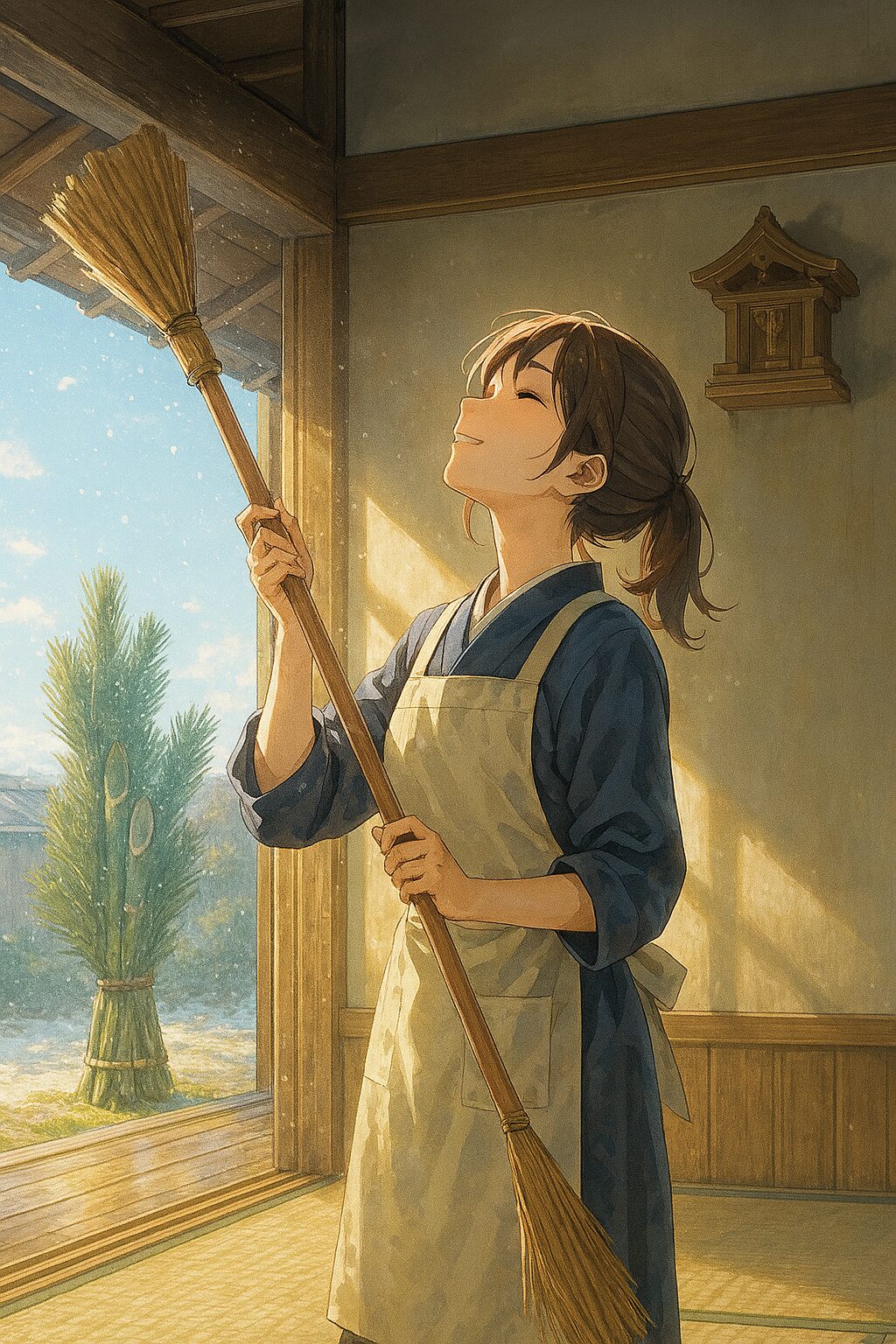
Today, we introduce a profoundly important day in Japan’s December: December 13th. This day has been cherished since ancient times as the official beginning of preparations for the New Year. Specifically, it encompasses two vital traditions that embody Japan’s deep-rooted customs and sanitation philosophy: “Shogatsu Koto Hajime (正月事始め – Beginning of New Year Preparations)” and “Osoji no Hi (大掃除の日 – Major Cleaning Day).”

- 1. What is December 13th? History and Cultural Details
- 2. Decoding the Core of Japanese Culture from ‘Shogatsu Koto Hajime’
- 3. A Question for the Reader: What Can We Learn from Japanese Tradition?
- 4. Related Information and External Links
- 1. 12月13日とは何か? 歴史と文化の詳細
- 2. 「正月事始め」から読み解く日本文化の核心
- 3. 読者への問いかけ:日本の伝統から何を学ぶか
- 4. 関連情報と外部リンク
1. What is December 13th? History and Cultural Details
Shogatsu Koto Hajime: The First Step to Welcome the New Year’s God
“Shogatsu Koto Hajime” literally means “the day to begin things for the New Year.” In the era of the old lunar calendar, this day fell around what we now consider early January and marked the start of all New Year’s preparations.
【Historical Background】
- Susuharai (煤払い – Soot Sweeping): One of the most critical rituals of Shogatsu Koto Hajime is Susuharai, or the major cleaning. In old houses, the use of hearths and fires generated a lot of soot (susu). Sweeping away this soot and purifying the home was not just cleaning; it was a sacred ritual to cleanse the house of the previous year’s bad luck and Kegare (穢れ – impurity), and to politely welcome the Toshigami-sama (年神様 – New Year’s God).
- Matsu-mukae (松迎え – Pine Welcoming): It was also the day to go to the mountains to gather pine branches for the Kadomatsu (門松 – New Year’s gate decoration) and other pine decorations, which serve as a temporary dwelling place for the Toshigami-sama when they descend. Especially in the Kansai region, it was customary to bring back not only pine but also firewood for pounding mochi (rice cakes) and for cooking the New Year’s soup (Ozōni).
- Evolution of the Tradition: After the Meiji period, when Japan adopted the Gregorian calendar, December 13th became established as the start date for these traditional preparations. Although the actual large-scale cleaning and rice cake pounding often happen closer to the year-end in modern, busy society, the cultural awareness of the 13th as the “kick-off day” for year-end preparations remains strong.
Osoji no Hi: Efficiency, Hygiene, and Spiritual Cleansing
“Osoji no Hi” emphasizes the modern aspect of Susuharai, which is central to “Shogatsu Koto Hajime.” Japan’s custom of conducting a thorough deep-cleaning at the end of the year finds its origins in the soot sweeping of December 13th.
【Significance of Osoji (Major Cleaning)】
- Thorough Hygiene: Beyond just making things look clean, Osoji is a practical aspect of hygiene management. It involves removing dust, dirt, and mold caused by Japan’s high humidity, ensuring a healthy and comfortable New Year. This is a wisdom for maintaining clean living spaces developed in Japan, a country with significant seasonal changes and high humidity.
- The Spirit of “Reset”: For Japanese people, Osoji is also a physical act of sweeping away the impurities, regrets, and emotional sludge accumulated over the past year. The belief is that organizing the room organizes the mind, leading to a spiritual “reset” that allows them to welcome the New Year with a fresh start.
- Family Cooperation: Osoji is often a collaborative effort involving the entire family. It serves as an important year-end event where family members cooperate to purify the home as a collective community.
2. Decoding the Core of Japanese Culture from ‘Shogatsu Koto Hajime’
From the traditions of “Shogatsu Koto Hajime” and “Osoji” on December 13th, we can decipher several core elements deeply rooted in the Japanese psyche and aesthetic sense.
The Japanese Predilection for “Reset”
Japanese culture places immense importance on **”Reset” or “Reconciliation.”** This philosophy is closely linked to the Shinto concept of **”Kegare (穢れ – impurity or defilement).”** Kegare is not just physical dirt; it refers to an “abnormal state” caused by things like death, illness, or disaster. To welcome the pure Toshigami-sama, one must first purify the home and the self, sweeping away the previous year’s defilement.
This “Reset Spirit” is evident not only in the New Year’s major cleaning but also in daily life. The emphasis on cleanliness in restaurants, the ritual **Oharai (お祓い – purification ceremony)** at shrines, the thorough sweeping in the tea ceremony, and the daily culture of **Katazuke (片付け – tidying up)** are all cultural behaviors of the Japanese people who constantly strive for a pure state, regularly casting off impurities, and calming the mind.
The Japanese Dwelling: Coexisting with Gods and Buddhas
The preparations for Shogatsu Koto Hajime mean that the home transforms from a mere living space into a “Hare (ハレ – sacred, non-ordinary)” space to welcome and entertain the deities. Decorations like Kadomatsu and Kagamimochi (stacked rice cakes) are tangible means of welcoming, hosting, and praying for the year’s happiness from the gods.
This culture clearly illustrates a key characteristic of Japanese dwellings. Just as Shinto altars (**Kamidana – 神棚**) and Buddhist altars (**Butsudan – 仏壇**) exist in many homes, the Japanese have historically embraced the value of **”coexistence”** by welcoming gods and Buddhas into their everyday living spaces. Osoji is a highly practical form of faith: physically purifying the living space to prepare for the arrival of the divine.
Sustainable Living and Respect for Resources
The tradition of “Matsu-mukae” symbolizes the Japanese attitude of incorporating nature’s blessings into life and treating them as sacred. As seen in the **Goshimboku (御神木 – sacred tree)** at shrines, trees, especially evergreens like the pine, have long been revered as vessels for the divine.
Furthermore, thoroughly cleaning the house through Osoji connects to the spirit of **”Mottainai (もったいない – a sense of regret concerning waste)”**—cherishing things and making homes last longer. Carefully maintaining old tools and furniture reflects the wisdom of sustainable living, nurtured in resource-limited Japan, and a deep **Rei (敬意 – respect)** for nature and tools.
3. A Question for the Reader: What Can We Learn from Japanese Tradition?
Now that you know about the traditions of “Shogatsu Koto Hajime” and “Osoji,” what are your thoughts?
If you re-examine cleaning not just as a busy year-end chore, but as a “Reset to Welcome the Gods,” the meaning of “cleaning” and “tidying up” in your daily life might change.
If today’s glimpse into Japanese culture inspires you to look around your own space, where would you start your personal “Reset” to sweep away the “Kegare” and calm your mind?
Does your country or culture have special cleansing rituals or customs for welcoming a new year or season? If so, consider the similarities and differences with Japan’s “Shogatsu Koto Hajime.”
4. Related Information and External Links
Internal Link
External Reference Links (Existing Pages)
- Official Website of the Association of Shinto Shrines (Jinja Honcho): https://www.jinjahoncho.or.jp/ (Official information from the general organization of Japanese Shinto, includes descriptions of annual events.)
- Agency for Cultural Affairs “Database of National Cultural Properties”: https://kunishitei.bunka.go.jp/ (A historical resource for the background of Japanese traditional events and cultural properties.)
- National Institutes for Cultural Heritage: https://www.nich.go.jp/ (Academic source for Japanese culture and history.)
12月13日:日本の伝統が息づく「正月事始め」と「大掃除」の真髄
12月13日:日本の伝統が息づく「正月事始め」と「大掃除」の真髄
親愛なる日本の文化に興味を持つ海外読者の皆様、
本日ご紹介するのは、日本の12月を象徴する極めて重要な一日、12月13日です。この日は、新しい年を迎える準備が本格的に始まる日として、古くから大切にされてきました。具体的には「正月事始め(しょうがつことはじめ)」と「大掃除の日(おおそうじのひ)」という、日本の伝統と衛生観念が凝縮された二つの大切な意味を持っています。
1. 12月13日とは何か? 歴史と文化の詳細
正月事始め:年神様を迎える第一歩
「正月事始め」とは、文字通り「正月を迎えるための物事を始める日」を意味します。かつて旧暦の時代には、この日は現在の感覚でいうと1月上旬にあたり、新年を迎える準備の開始点とされていました。
【歴史的背景】
- 煤払い(すすはらい): 正月事始めの最も重要な儀式の一つが「煤払い」、すなわち大掃除です。古い家屋では囲炉裏や火の使用により煤(すす)が多く発生しました。この煤を払い、家を清める行為は単なる掃除ではなく、その年の厄や穢れを清め、年神様(としがみさま)という新年の神様を気持ちよくお迎えするための神聖な儀式でした。
- 松迎え(まつむかえ): 年神様が降りてくる際の依代(よりしろ)となる門松や、神棚に飾る松飾りに使う松の枝を山へ取りに行くのもこの日とされていました。特に関西地方では、松だけでなく、餅つきのための薪や、雑煮を煮るための薪も一緒に山から持ち帰る習慣がありました。
- 事始めの変遷: 江戸時代以降、暦が新暦(太陽暦)に変わり、現代では一般的に12月13日がこの伝統的な準備の開始日として定着しました。しかし、多忙な現代社会においては、大掃除や餅つきなどの具体的な準備は年末にかけて行うことが多くなっていますが、13日を「年越し準備のスタート日」と意識する文化は根強く残っています。
大掃除の日:効率と衛生、そして精神の浄化
「大掃除の日」は、この「正月事始め」の中心となる煤払いの現代的な側面を強調した呼び名です。日本では年末に徹底的な大掃除を行う習慣がありますが、その起源はこの12月13日の煤払いにあります。
【大掃除の意義】
- 衛生観念の徹底: 単に見た目を綺麗にするだけでなく、家の中に溜まったチリやホコリ、そして湿気によるカビなどを除去し、健康で快適な新年を迎えるための実践的な衛生管理の側面があります。これは、四季の変化が大きく、湿度の高い日本において、生活空間を清潔に保つための知恵です。
- 「リセット」の精神: 日本人にとって大掃除は、過去一年間の穢れや後悔、そして心の澱(おり)を物理的に一掃する行為でもあります。部屋が整うことで心が整い、新しい気持ちで新年を迎えられるという精神的な「リセット」の意味合いが非常に強いのです。
- 家族の協働: 大掃除は家族全員で行うことが多く、一年の締めくくりとして家族が協力し、家という共同体を清める重要なイベントとしての側面も持っています。
2. 「正月事始め」から読み解く日本文化の核心
12月13日の「正月事始め」と「大掃除」の文化からは、日本の精神性や美意識に深く根差したいくつかの核心的な要素を読み解くことができます。
常に「リセット」を志向する日本人
日本文化は、極めて「リセット(清算)」を重視します。この思想は、神道における「穢れ(けがれ)」の概念と深く結びついています。穢れとは、単なる汚れではなく、死や病気、災害などによって生じる「正常ではない状態」を指します。年神様という清らかな神様を迎えるためには、まず家と自身を清め、前年の穢れを払う必要があります。
この「リセット精神」は、新年の大掃除だけでなく、日常生活にも浸透しています。例えば、飲食店などで清潔さを重視する姿勢、神社のお祓い(おはらい)、茶道における徹底的な掃き清め、そして日常の片付け(かたづけ)の文化はすべて、常に清浄な状態を目指し、定期的に穢れを払い、心を整えようとする日本人の文化的行動様式です。
「神仏と同居する」日本の住まい
正月事始めの準備は、家が単なる生活空間ではなく、神様をもてなす「ハレ(非日常・神聖)」の空間へと変貌することを意味します。門松や鏡餅といった飾りは、神様を迎え、もてなし、そして一年の幸福を願うための具体的な手段です。
この文化は、日本の住まいが持つ特徴を端的に示しています。神棚(かみだな)や仏壇(ぶつだん)が多くの家庭に存在するように、日本人は古来より、神仏を日常の生活空間の中に迎え入れて「共生」するという価値観を持っています。大掃除は、神様を迎えるために住空間を物理的に清めるという、極めて実践的な信仰の形なのです。
持続可能な生活と資源の尊重
「松迎え」の習慣は、自然の恵みを生活に取り入れ、神聖なものとして扱う日本人の姿勢を象徴しています。神社の御神木(ごしんぼく)に見られるように、古くから木々、特に松のような常緑樹は、神が宿る依代として尊ばれてきました。
さらに、大掃除で家を徹底的に清めることは、モノを大切にし、住まいを長持ちさせる「もったいない」の精神とも繋がっています。古くなった道具や家具を丁寧に手入れし、大切に使う。これは、資源が限られた島国である日本において育まれた、持続可能性に通じる生活の知恵であり、自然と道具に対する深い敬意(けいい)の表れです。
3. 読者への問いかけ:日本の伝統から何を学ぶか
この「正月事始め」と「大掃除」の伝統を知った今、あなたは何を思いましたか?
単なる年末の忙しい行事としてではなく、「神様を迎えるためのリセット」として捉え直すと、あなたの住まいや、日々の生活における「掃除」や「片付け」の持つ意味合いが変わってくるのではないでしょうか。
もしあなたが今日、日本の文化に触れたことを機に、自身の身の回りを見渡すなら、まずどこから「穢れ(けがれ)」を払い、心を整えるための「リセット」を始めてみたいですか?
あなたの住む国や文化にも、新しい年や季節を迎える際の特別な清めの儀式や習慣がありますか?もしあれば、ぜひ日本の「正月事始め」との共通点や相違点について、考えてみてください。
4. 関連情報と外部リンク
内部リンク
外部参考リンク(現実に存在するページ)
- 神社本庁公式サイト: https://www.jinjahoncho.or.jp/ (日本の神道の総本山的な組織の公式情報。日本の年中行事に関する記述があります。)
- 文化庁「国指定文化財等データベース」: https://kunishitei.bunka.go.jp/ (日本の伝統行事や文化財の背景にある歴史的な情報源として。)
- 独立行政法人 国立文化財機構: https://www.nich.go.jp/ (日本の文化、歴史に関する学術的な情報源として。)


コメント