- Japan’s “Other New Year”
- Why Does Japan Start in April? The Historical Background
- The Unique Culture Surrounding April 1st
- The Essence of Japanese Culture: Aligning Life Milestones with Nature
- When is the “Season of Beginnings” for You?
- Related Links
- 日本における「もう一つの新年」
- なぜ日本は「4月始まり」なのか?その歴史的背景
- 4月1日を彩る日本の独自文化
- 日本文化の真髄:自然のサイクルと人生の節目
- あなたにとっての「始まりの季節」はいつですか?
- 関連リンク
Japan’s “Other New Year”
In most countries around the world, the new year begins exactly as the calendar dictates: on January 1st. While January 1st is celebrated grandly as “Oshogatsu” (New Year) in Japan as well, there is another, highly practical “New Year” when Japanese society truly hits the reset button and begins anew. That day is April 1st, the start of the Japanese fiscal and academic year, known as “Nendo-hajime.”
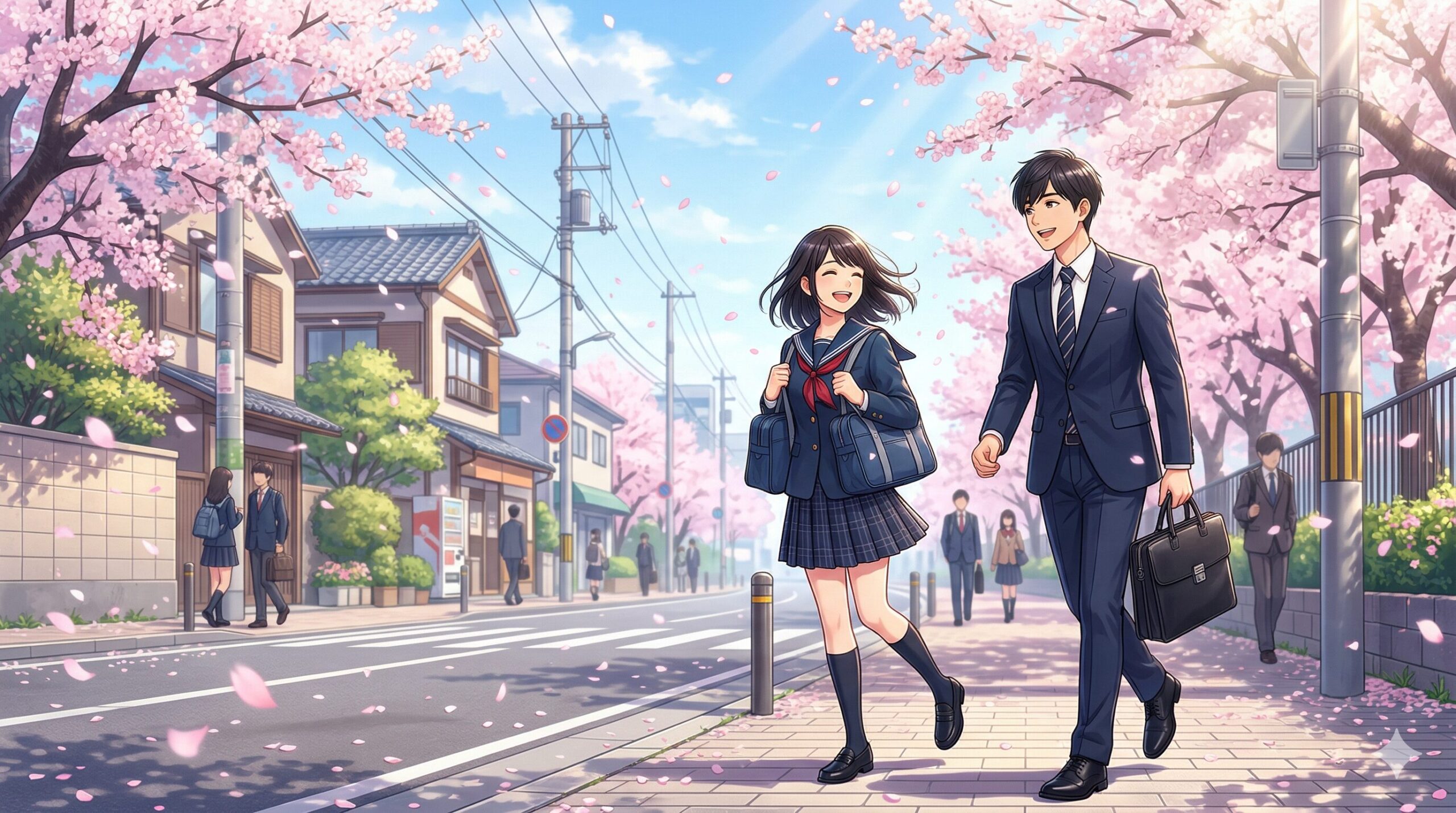
In Japan, the government’s fiscal year, corporate business years, and the academic year for all schools fundamentally start on April 1st and end on March 31st of the following year. April 1st is the day when fresh-faced students head to school in brand-new uniforms, and new company employees commute to work for the very first time in slightly oversized business suits. It is arguably the most special and vibrant day in Japan, as the entire country is enveloped in a sense of anticipation for new encounters and a touch of nervous excitement.
Why Does Japan Start in April? The Historical Background
The reason Japan adopted this April-to-March system is deeply intertwined with the complex circumstances of the Meiji Era (1868-1912). Until the Edo period, Japan used a lunar calendar, and the concept of a strict “fiscal year” was weak.
After the Meiji Restoration, the new Japanese government adopted the Gregorian solar calendar to modernize the country and initially set the fiscal year to begin in January, following Western models. However, at that time, the Japanese government relied heavily on the “Land Tax” (taxes paid in cash by farmers) for its revenue. It took time for farmers to harvest rice in the autumn and convert it into cash, making it extremely difficult for them to pay their taxes by January. These delayed tax payments caused severe cash shortages for the government and disrupted national budgeting.
To solve this, and to align with the fiscal year of Great Britain—which possessed the world’s strongest economy at the time (April to March)—the Japanese government officially changed the start of the fiscal year to April in 1886. This was the birth of the modern Japanese fiscal year.
Because the government’s fiscal year shifted to April, schools that received national funding also had to adjust their schedules. Starting with higher normal schools, the April enrollment system gradually spread to all educational institutions, from elementary schools to universities nationwide. To this day, under the regulations of the Ministry of Education, Culture, Sports, Science and Technology, the Japanese academic year officially begins in April.
The Unique Culture Surrounding April 1st
The transition on April 1st goes far beyond a mere administrative shift; it has given birth to rich, uniquely Japanese cultural practices and traditions.
The most prominent examples are “Nyusha-shiki” (company entrance ceremonies) and “Nyugaku-shiki” (school entrance ceremonies). Japan has a unique employment system where many companies hire fresh university graduates all at once. Therefore, on April 1st, entrance ceremonies are held simultaneously at corporations across the country. Seeing young people, all dressed in identical dark suits known as “recruit suits,” listening attentively to speeches from company presidents is a quintessential springtime scene in Japan.
For children entering elementary school, the “Randoseru” is absolutely indispensable. A sturdy leather backpack, the Randoseru is not just a school bag; it is a symbolic item representing a child’s first step into the new social world of their six-year elementary education. The sight of young children walking with shiny new backpacks gifted by their grandparents or parents adds a heartwarming vitality to the streets in April.
The Essence of Japanese Culture: Aligning Life Milestones with Nature
The biggest reason the April-start system has taken deep root in the hearts of the Japanese people, beyond mere government convenience, is that it perfectly coincides with Japan’s rich natural cycle—specifically, the blooming of the “Sakura” (cherry blossoms).
Across the Japanese archipelago, cherry blossoms burst into full bloom from late March to early April. As a symbol of spring bringing life after a long, harsh winter, cherry blossoms have been deeply connected to Japanese spirituality since ancient times. Because sakura bloom brilliantly and fall gracefully within a short period, they symbolize “ephemeral beauty” and “new beginnings.”
Japanese people look up at the budding cherry blossoms during graduation ceremonies (farewells) in March, and then attend entrance ceremonies (new encounters and beginnings) on April 1st amidst showers of falling sakura petals. The Japanese engrave the important milestones of their lives into their memories by overlapping them with this natural cycle. While January 1st on the calendar is just a change of numbers, April 1st is “a day to turn a new page in life while physically feeling the change of seasons.” This profound integration of human life and nature is the true key to understanding Japanese culture.
When is the “Season of Beginnings” for You?
The start of the fiscal and academic year on April 1st in Japan is a culturally unique event born from a fusion of historical necessity and the natural beauty of cherry blossoms. On this day, the entire country is filled with fresh hope, and people bless each other’s new lives.
Looking around the world, there are various cultures—some countries start their school year in September, while others consider January 1st as the beginning of absolutely everything. After reading this article, what are your thoughts on Japan’s April-start culture? In your country, when is the season or the day that people feel the greatest sense of a “new start”? I would love for you to reflect on the culture of beginnings in your own life.
Related Links
- Discover more Japanese special days and events (Internal Link)
- Learn more about Fiscal Years worldwide – Wikipedia (External Link)
4月1日:日本の新生活が始まる日「年度初め」の歴史と文化
日本における「もう一つの新年」
世界中の多くの国において、新しい年の始まりはカレンダー通り1月1日です。日本でも1月1日は「お正月」として盛大に祝われますが、日本社会が実質的に新しく動き出す「もう一つの新年」が存在します。それが4月1日の「年度初め」です。
日本では、政府の会計、企業の事業年度、そして学校の学年度のすべてが原則として4月1日から始まり、翌年の3月31日に終わります。この1年間を「年度」と呼びます。4月1日は、新入生が真新しい制服に身を包んで学校へ向かい、新社会人が少しサイズの大きなスーツを着て初めて出社する日です。街全体が新しい出会いへの期待と、少しの緊張感に包まれる、日本において最も特別で活気に満ちた1日と言えます。
なぜ日本は「4月始まり」なのか?その歴史的背景
日本が現在のような4月始まりの制度を採用した背景には、明治時代(1868年〜1912年)の複雑な事情が絡んでいます。江戸時代までの日本は旧暦(太陰太陽暦)を使用しており、特定の「年度」という概念は希薄でした。
明治維新後、近代国家としての歩みを始めた日本政府は、西洋に倣って太陽暦を導入し、当初は1月始まりの会計年度を採用しました。しかし、当時の日本は税収の大部分を農民からの「地租(お米ではなく現金での納税)」に頼っていました。秋に収穫したお米を農民が現金に換えるには時間がかかり、1月までに税金を納めることが困難だったのです。納税の遅れは政府の資金不足を招き、予算編成に大きな支障をきたしました。
そこで政府は、農民が余裕を持って納税できるよう、また、当時世界最強の経済力を誇っていたイギリスの会計年度(4月〜翌年3月)に合わせる形で、1886年(明治19年)に会計年度を「4月始まり」に正式に変更しました。これが現在の日本の年度の起源です。
政府の会計が4月始まりになったことで、国から補助金を受け取る学校もそれに合わせる必要が生じました。こうして、最初は高等師範学校などが4月入学を採用し、やがて小学校から大学まで、全国の学校が4月始まりへと統一されていきました。現在でも、文部科学省の規定により、日本の学校教育は4月に始まります。
4月1日を彩る日本の独自文化
4月1日の年度初めは、単なる制度の切り替わりにとどまらず、日本独自の豊かな文化や風習を生み出しました。
その代表が「入社式」と「入学式」です。日本では多くの企業が新卒の学生を一斉に採用する「新卒一括採用」というシステムをとっており、4月1日には全国の企業で一斉に入社式が行われます。同じ「リクルートスーツ」と呼ばれる黒や紺のスーツを着た若者たちが、企業の社長から訓示を受ける光景は、日本の春の風物詩です。
また、小学校に入学する子供たちにとって欠かせないのが「ランドセル(Randoseru)」です。革製の頑丈なバックパックであるランドセルは、単なる通学カバンではなく、子供が6年間の小学校生活という新しい社会へ足を踏み入れるための象徴的なアイテムです。祖父母や両親から贈られたピカピカのランドセルを背負って歩く子供たちの姿は、4月の街に微笑ましい活気を与えます。
日本文化の真髄:自然のサイクルと人生の節目
4月始まりの年度が、単なる政府の都合を超えて日本人の心に深く根付いた最大の理由は、それが日本の豊かな自然のサイクル、特に「桜(Sakura)」の開花時期と見事に一致しているからです。
日本列島において、桜の花は3月下旬から4月上旬にかけて一斉に咲き誇ります。長く厳しい冬が終わり、生命が息吹く春の象徴である桜は、古来より日本人の精神性に深く結びついてきました。桜はパッと美しく咲き、そして潔く散っていくことから、「はかない美しさ」や「新しい出発」の象徴とされています。
3月の卒業式(別れ)で桜のつぼみを見上げ、4月1日の入学式や入社式(出会いと始まり)を舞い散る桜吹雪の中で迎える。日本の人々は、人生の重要な節目を桜という自然のサイクルと重ね合わせて記憶に刻みます。カレンダーの1月1日が単なる数字の切り替わりであるのに対し、4月1日は「季節の移り変わりを肌で感じながら人生の新たなページをめくる日」なのです。この自然と人間の生活が一体化した感覚こそ、日本文化の真髄を読み解く鍵と言えるでしょう。
あなたにとっての「始まりの季節」はいつですか?
日本における4月1日の年度初めは、歴史的な必然性と、桜という自然の美しさが融合して生まれた、世界でも類を見ない文化的イベントです。この日、日本中が新しい希望に包まれ、人々は互いの新生活を祝福し合います。
世界を見渡せば、9月に新学期が始まる国や、1月1日をすべてのはじまりとする国など、様々な文化があります。この記事を読んで、日本の4月始まりの文化についてどう思われましたか?あなたの国では、人々が最も「新しいスタート」を感じる季節や日はいつですか?ぜひ、あなたの国の「始まりの文化」について考えてみてください。


コメント