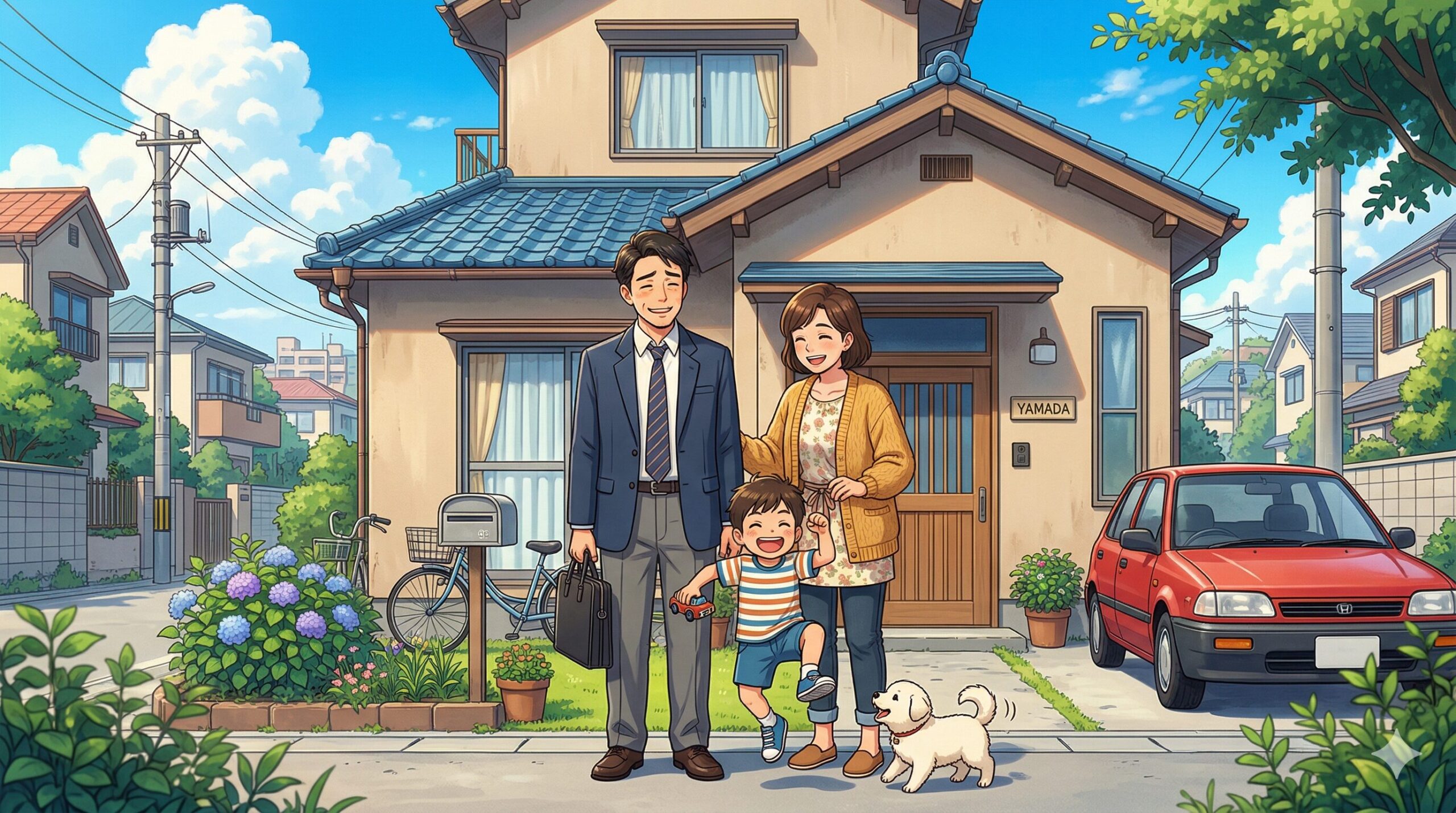
When discussing Japanese pop culture, there is one monumental pillar that absolutely cannot be overlooked. That is the anime “Crayon Shin-chan,” which began broadcasting on TV Asahi on April 13, 1992. On this day, Shinnosuke Nohara—a cheeky, march-to-the-beat-of-his-own-drum 5-year-old kindergartener who constantly leaves adults baffled—made his first appearance in living rooms across Japan, marking a major turning point in the history of Japanese television animation.
① April 13, 1992: The Day “Crayon Shin-chan” Was Born
“Crayon Shin-chan” originally started as a gag manga aimed at young adults, serialized in “Manga Action” (Futabasha) by Yoshito Usui in 1990. On April 13, 1992, it made its television debut as a family-oriented animation. Initially, within the framework of a children’s program, Shinnosuke’s slightly extreme behavior and “silly” gags caused controversy, and it was sometimes singled out by some parents and PTA groups as “a show they didn’t want their kids to watch.”
However, its overwhelming humor and Shinnosuke’s character, which innocently shattered the superficial facades of adult society, quickly captured the hearts of not only children but also stressed-out adults. It achieved a peak viewer rating of 28.2% and rapidly climbed to the status of a national anime.
Furthermore, the theatrical movie series, released annually since 1993, has transcended the boundaries of a simple gag anime, depicting deep themes such as family bonds, friendship, and self-sacrifice. In particular, the 2001 film “Crayon Shin-chan: Fierceness That Invites Storm! The Adult Empire Strikes Back” became a social phenomenon as a movie that made adults cry uncontrollably, proving to the world the literary and cinematic value that this franchise possesses.
② Decoding Authentic Japanese Family Life and Culture Through “Crayon Shin-chan”
The biggest reason this work has continued to be loved around the world for over 30 years is that the Nohara family embodies the “most realistic image of a modern Japanese family.” The Nohara family, living in Kasukabe City, Saitama Prefecture, is the ultimate symbol of the typical “nuclear family” in Japan.
The father, Hiroshi, is a salaryman working for a trading company in Tokyo. He commutes for hours on packed trains, gets teased by his family for his smelly feet, yet works tirelessly for his family while bearing the burden of a 35-year mortgage. The mother, Misae, is a stay-at-home mom who loves bargain sales and struggles every day with managing the household budget, chores, and raising Shinnosuke and his baby sister.
In stark contrast to the idealized, perfect “large extended families” depicted in older Showa-era anime, the Nohara family is messy, overflowing with a lived-in feel, has marital arguments, and doesn’t hide the pathetic sides of the parents. However, beneath it all lies an incredibly strong, unshakable bond of family love. The real breath of Japanese society from the Heisei to the Reiwa eras—economic anxiety, social pressure, and the stress of child-rearing—is vividly depicted, wrapped in the comforting layer of comedy.
For overseas readers, watching “Crayon Shin-chan” is arguably the best textbook for deeply understanding the “realistic daily lives and values of everyday Japanese people” that you will never find in a tourist guidebook.
③ What Does “Family” Mean to You?
The chaotic yet warm daily life of the Nohara family teaches us the preciousness of “being able to laugh together, even if things aren’t perfect.” Even across different cultures and languages, caring for one’s family and learning from the pure perspective of a child are universal concepts.
After reading this article, what do you think about the “unpretentious family dynamic” like the Nohara family? How is everyday family life depicted in your country or culture? If you met a free-spirited 5-year-old like Shinnosuke, how would you communicate with him? Please share your thoughts and experiences!
Reference Links
1992年4月13日:国民的アニメ『クレヨンしんちゃん』放送開始!日本が誇る家族の風景とユーモアの歴史
日本のポップカルチャーを語る上で、絶対に外すことのできない金字塔。それが、1992年4月13日にテレビ朝日で放送を開始したアニメ『クレヨンしんちゃん』です。生意気でマイペース、そして大人をタジタジにする5歳の幼稚園児、野原しんのすけが日本中のリビングルームに初めて登場したこの日は、日本のテレビアニメ史における重要な転換点となりました。
① 1992年4月13日、『クレヨンしんちゃん』が産声を上げた日
『クレヨンしんちゃん』は元々、臼井儀人氏によって1990年から『漫画アクション』(双葉社)で連載されていた青年向けギャグ漫画でした。それが1992年4月13日、ファミリー向けのアニメーションとしてテレビ放送をスタートさせます。当初は子供向け番組としての枠組みの中で、しんのすけの少し過激な言動や「おバカな」ギャグが物議を醸し、一部の保護者から「子供に見せたくない番組」として名指しされることもありました。
しかし、その圧倒的なユーモアと、大人社会の建前を無邪気に打ち砕くしんのすけのキャラクターは、瞬く間に子供たちだけでなく、ストレスを抱える大人たちの心をも掴みました。最高視聴率は28.2%を記録し、またたく間に国民的アニメの座へと登り詰めたのです。
さらに、1993年から毎年公開されている劇場版(映画)シリーズは、単なるギャグアニメの枠を超え、家族の絆や友情、自己犠牲といった深いテーマを描き出しています。特に2001年公開の『クレヨンしんちゃん 嵐を呼ぶ モーレツ!オトナ帝国の逆襲』は、大人が号泣する映画として社会現象となり、本作が持つ文学的・映画的な価値を世に知らしめました。
② 『クレヨンしんちゃん』から読み解く、日本のリアルな家族像と文化
この作品が30年以上にわたり世界中で愛され続けている最大の理由は、野原一家が「現代日本の最もリアルな家族像」を体現しているからです。埼玉県春日部市に住む野原家は、日本における典型的な「核家族」のシンボルです。
父親のひろしは、東京都内の商社に勤めるサラリーマン。満員電車に揺られて長時間通勤し、足の臭いを家族にからかわれながらも、35年の住宅ローンを背負って家族のために懸命に働いています。母親のみさえは、特売品に目がなく、家計のやりくりや家事、そしてしんのすけの育児に毎日奮闘する専業主婦です。
昭和のアニメが描いた理想的で完璧な「大家族(例えばサザエさんのような)」とは対照的に、野原家は散らかって生活感に溢れ、夫婦喧嘩もすれば、親の情けない姿も隠さずに描かれます。しかし、そこには決して揺るがない強靭な家族の愛と絆が存在します。経済的な不安、社会のプレッシャー、育児のストレスといった、平成から令和へと続く日本社会のリアルな息遣いが、ギャグというオブラートに包まれて鮮明に描写されているのです。
海外の読者にとって、『クレヨンしんちゃん』を観ることは、ガイドブックには載っていない「日本の庶民のリアルな日常生活と価値観」を深く理解するための最良のテキストと言えるでしょう。
③ あなたにとって「家族の形」とは?
野原一家のドタバタでありながらも温かい日常は、私たちに「完璧でなくても、一緒に笑い合えることの尊さ」を教えてくれます。文化や言語が違っても、家族を思いやる気持ちや、子供の純粋な視点から学ぶべきことは世界共通です。
この記事を読んで、あなたは野原家のような「飾らない家族の形」についてどう思いましたか?あなたの国や文化では、家族の日常はどのように描かれていますか?もしあなたがしんのすけのような自由奔放な5歳児に出会ったら、どうやってコミュニケーションを取りますか?ぜひ、あなたの考えや経験を教えてください。

コメント