February 7th is Nagano Day (Olympic Memorial Day): The Flower of Peace and Harmony Blooming in Japan’s Snowfields
February 7th. In the Japanese calendar, this is not just another winter day. It marks the beginning of “that moment” in 1998 when all of Japan—no, the entire world—watched with bated breath. This day, when the opening ceremony of the Nagano Winter Olympics took place, is remembered as “Nagano Day (Olympic Memorial Day)” and remains etched in the hearts of many. Why is this day so special? And what does it reveal about the Japanese spirit? As witnesses to history and storytellers for the future, let us delve deep into the significance of this day.

- Table of Contents
- 1. February 7, 1998: The Bell of Zenko-ji Heralds a Festival of Peace
- 2. The “Hinomaru Squadron” and the Drama on the Snow
- 3. The Depths of Japanese Culture: Coexistence with Nature and “Omotenashi”
- 4. Living Legacies: The Shinkansen and a Global Mindset
- 5. A Question for You
- 目次
- 1. 1998年2月7日:善光寺の鐘が告げた平和の祭典
- 2. 「日の丸飛行隊」と雪上のドラマ
- 3. 日本文化の深層:自然との共生と「おもてなし」
- 4. 現代に生きるレガシー:新幹線とグローバルマインド
- 5. あなたへの問いかけ
Table of Contents
- 1. February 7, 1998: The Bell of Zenko-ji Heralds a Festival of Peace
- 2. The “Hinomaru Squadron” and the Drama on the Snow
- 3. The Depths of Japanese Culture: Coexistence with Nature and “Omotenashi”
- 4. Living Legacies: The Shinkansen and a Global Mindset
- 5. A Question for You
1. February 7, 1998: The Bell of Zenko-ji Heralds a Festival of Peace
11:00 AM, February 7, 1998. The sound echoing through the Nagano Olympic Stadium was the bell of the ancient Zenko-ji Temple. This bell was not merely a signal; it symbolized the Buddhist concepts of “requiem” and “prayer for peace,” which are spiritual pillars of Japan. The last Winter Olympics of the 20th century was a modern sports festival, but it was also a stage to broadcast Japan’s ancient spirituality to the world.
The theme of the opening ceremony was “Games of Heart and Flowers.” However, what moved the world more than any flashy performance was the chorus of Beethoven’s “Ode to Joy,” conducted by Seiji Ozawa. It wasn’t just in Nagano; voices from Berlin, Cape Town, New York, Beijing, and Sydney were connected via satellite, singing in one harmony. This was the moment when Japanese culture, which values “Wa” (Harmony), fused with technology to embody “World Peace.”
This day was designated as “Nagano Day” by the Junior Chamber International (JC) to pass on the emotion of that time to future generations and to inspire thoughts on coexistence with nature. It serves as a compass guiding us toward the future.
2. The “Hinomaru Squadron” and the Drama on the Snow
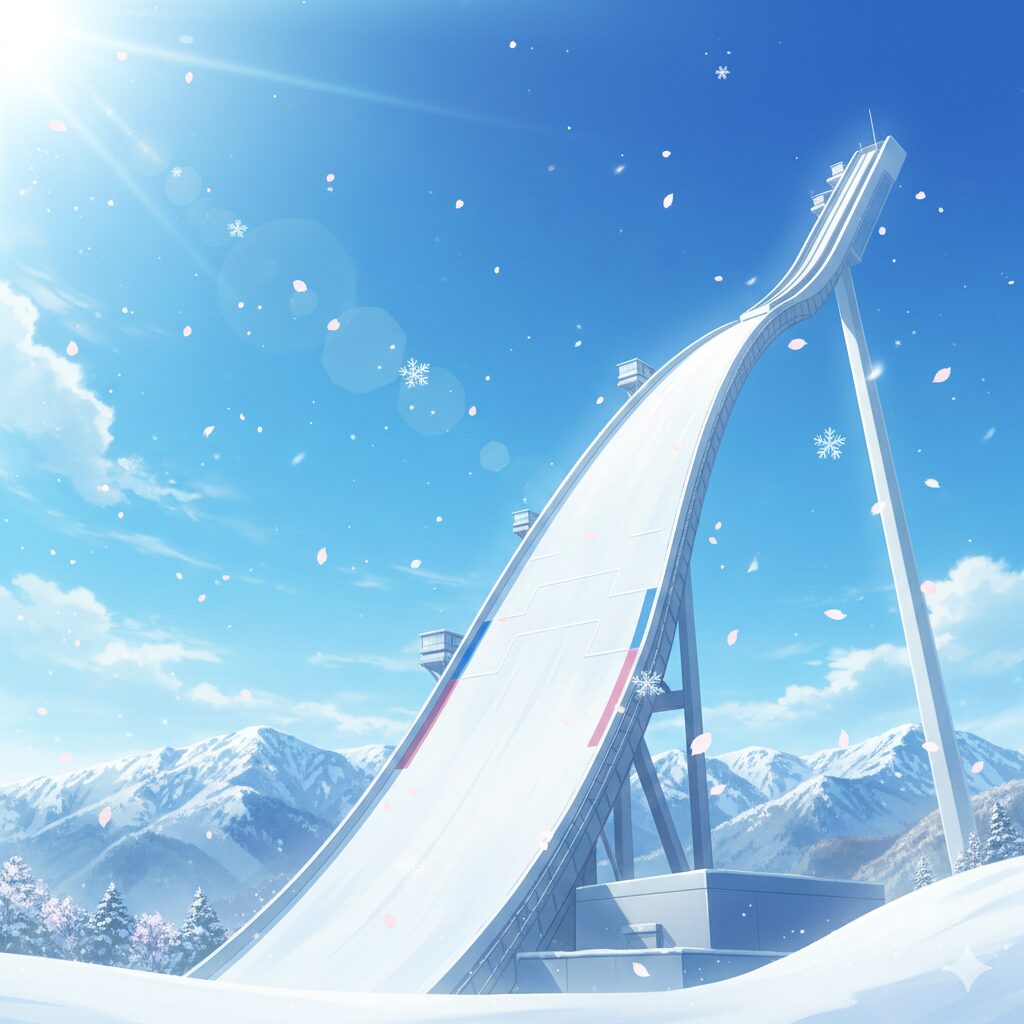
One cannot talk about the Nagano Olympics without mentioning the gold medal won by the ski jumping team. This is not just a record of victory. It is a story of failure, heartbreak, and redemption.
At the previous Lillehammer Games, ace jumper Masahiko Harada faltered on his final jump, missing the gold. Carrying that deep regret, the team faced the pressure of hosting the games. Amidst a fierce blizzard and the threat of cancellation, test jumpers risked their safety to prove the competition could continue. Carrying the hopes of everyone, Harada made his jump, followed by Kazuyoshi Funaki’s beautiful Telemark landing.
Japanese people cherish this episode because it embodies empathy for the underdog and the aesthetic of overcoming difficulties through group bonds (teamwork). Flying not for personal glory but for one’s teammates, and trusting in them—this spirit is the backbone of Japanese society.
3. The Depths of Japanese Culture: Coexistence with Nature and “Omotenashi”
The Nagano Olympics also strongly emphasized “coexistence with nature.” Ingenuity was used in course construction to minimize environmental impact, making it a pioneer in introducing sustainability to sports events.
The “One School, One Country” Movement
Culturally, the “One School, One Country” movement was remarkable. Elementary and junior high schools in Nagano each supported a specific participating country, learning its culture and interacting with athletes. This is a splendid example of incorporating the unique Japanese hospitality spirit of “Omotenashi” into education. Welcoming strangers not just as guests, but as friends—this grassroots diplomacy led the games to a warm success.
In Japanese culture, “nature” is not something to be conquered, but something to live with and sometimes fear. In deep-snow Nagano, people have nurtured wisdom to live with snow while loving its beauty. The Olympics presented this harsh yet beautiful natural environment to the world as art.
4. Living Legacies: The Shinkansen and a Global Mindset
A physical legacy is the opening of the Hokuriku Shinkansen (then the Nagano Shinkansen). Connecting Tokyo and Nagano in about 90 minutes, this artery showed the potential for Japanese regional cities to connect directly with the world. Today, places like Hakuba and Nozawa Onsen are beloved by skiers worldwide, thanks to this infrastructure and the “global mindset” that sprouted back then.
However, the most important legacy is intangible. It is the confidence that “Japan can stand equally with the world” and the pride of hosting a festival of peace. For Japan, which was losing confidence after the economic bubble burst, the Nagano Olympics was a beacon of hope.
5. A Question for You
On February 7, 1998, Nagano sang of “Peace” and “Coexistence” to the world. Time has passed, and the world has changed, but that message has not faded; in fact, in our divided modern times, it shines even brighter.
Dear readers, what is your “unforgettable winter memory”? And in your country, is there a moment when you felt the “world became one” through sports or events?
The fact that we, with different cultures and languages, can share the same emotions is perhaps humanity’s greatest hope. If you have the chance, please visit Nagano in winter. The excitement of that day and the serene snowy landscape are still waiting for you there.
Related Links:
- Nagano 1998 Winter Olympics – Athletes, Medals & Results (Official)
- Back to “What’s Today’s Special Day Series” Category
2月7日 長野の日:1998年、世界が一つになった銀世界の奇跡
2月7日 長野の日(オリンピックメモリアルデー):日本の雪原に咲いた平和と調和の華
2月7日。日本の暦において、この日は単なる冬の一日ではありません。1998年、日本中が、いいえ、世界中が固唾をのんで見守った「あの瞬間」が始まった日です。長野冬季オリンピックの開会式が行われたこの日は、「長野の日(オリンピックメモリアルデー)」として、今も多くの人々の胸に刻まれています。なぜこの日が特別なのか、そしてそこから見えてくる日本人の精神性とは何か。歴史の目撃者として、あるいは未来への語り部として、この日の意味を深く掘り下げていきましょう。
目次
- 1. 1998年2月7日:善光寺の鐘が告げた平和の祭典
- 2. 「日の丸飛行隊」と雪上のドラマ
- 3. 日本文化の深層:自然との共生と「おもてなし」
- 4. 現代に生きるレガシー:新幹線とグローバルマインド
- 5. あなたへの問いかけ
1. 1998年2月7日:善光寺の鐘が告げた平和の祭典
1998年2月7日午前11時。長野オリンピックスタジアムに響き渡ったのは、古刹・善光寺の鐘の音でした。この鐘の音は、単なる合図ではなく、日本の精神的支柱である仏教的な「鎮魂」と「平和への祈り」を象徴するものでした。20世紀最後の冬季オリンピックは、近代的なスポーツの祭典であると同時に、日本古来の精神性を世界に発信する舞台でもあったのです。
開会式のテーマは「花と炎の祭典」。しかし、派手な演出以上に世界を感動させたのは、小澤征爾氏の指揮による『第九』の合唱でした。長野の会場だけでなく、ベルリン、ケープタウン、ニューヨーク、北京、シドニー。世界5大陸の歌声が衛星中継で繋がり、一つのハーモニーを奏でたのです。これは、「和(Harmony)」を尊ぶ日本文化が、テクノロジーと融合して「世界平和」を具現化した瞬間でした。
この日を「長野の日」と定めたのは、当時の感動を後世に伝え、自然との共生を考えるきっかけにするためです。日本青年会議所(JC)北陸信越地区長野ブロック協議会によって制定されたこの記念日は、単なる過去の祝賀ではなく、私たちが未来へ向かうための羅針盤となっています。
2. 「日の丸飛行隊」と雪上のドラマ
長野オリンピックを語る上で避けて通れないのが、スキージャンプ団体での金メダル獲得です。これは単なる勝利の記録ではありません。失敗と挫折、そして再生の物語です。
前回のリレハンメル大会で、エース原田雅彦選手は最後のジャンプで失速し、金メダルを逃しました。その深い悔恨を背負って臨んだ自国開催。猛吹雪の中での悪条件、中断の危機。テストジャンパーたちが「競技続行可能」を証明するために命がけで飛び立った献身。それら全ての想いを背負い、原田選手が放った「ふ舟木ぃ…」という祈りと、舟木和喜選手の美しいテレマーク着地。
日本人がこのエピソードを愛してやまないのは、そこに「判官びいき」にも似た共感と、集団の絆(チームワーク)による困難の克服という美学があるからです。個人の栄光よりも、仲間のために飛び、仲間を信じる。この精神こそが、日本社会を支える根幹なのです。
3. 日本文化の深層:自然との共生と「おもてなし」
長野オリンピックは「自然との共生」を強く打ち出した大会でもありました。コース造成においては環境への負荷を最小限に抑える工夫が凝らされ、持続可能性という概念がスポーツイベントに本格的に導入された先駆けと言えます。
一校一国運動
また、文化的な側面で特筆すべきは「一校一国運動」です。長野県内の小中学校がそれぞれ特定の参加国を応援し、その国の文化を学び、選手と交流を行いました。これは、日本特有のホスピタリティである「おもてなし」の精神を教育現場に落とし込んだ素晴らしい例です。見知らぬ異国の人々を、ただの客としてではなく、友人として迎え入れる。この草の根の外交こそが、大会を温かい成功へと導きました。
日本文化における「自然」は、征服する対象ではなく、共に生き、時に畏れる存在です。雪深い長野の地で、人々は雪に苦労しながらも、その美しさを愛し、雪と共に生きる知恵を育んできました。オリンピックは、その厳しい自然環境すらも「美」として世界に提示したのです。
4. 現代に生きるレガシー:新幹線とグローバルマインド
物理的なレガシーとして、北陸新幹線(当時は長野行新幹線)の開業が挙げられます。東京と長野を約90分で結んだこの大動脈は、日本の地方都市が世界と直結できる可能性を示しました。現在、長野県の白馬や野沢温泉が世界中のスキーヤーに愛されるリゾート地となっているのは、この時のインフラ整備と、当時芽生えた「世界を受け入れるマインド」があったからこそです。
しかし、最も重要なレガシーは形のないものです。それは「日本人も世界と対等に渡り合える」という自信と、「平和の祭典をホストできる」という誇りです。経済のバブル崩壊後、自信を失いつつあった日本にとって、長野オリンピックは希望の灯火でした。
5. あなたへの問いかけ
1998年2月7日、長野は世界に対して「平和」と「共生」を歌いました。あれから時が経ち、世界は変わりましたが、あの日のメッセージは色褪せるどころか、分断が進む現代において、より一層の輝きを放っています。
読者の皆様、あなたにとっての「忘れられない冬の記憶」は何ですか? また、あなたの国では、スポーツやイベントを通じて「世界が一つになった」と感じる瞬間はありますか?
異なる文化、異なる言語を持つ私たちが、同じ感動を共有できること。それこそが、人類最大の希望ではないでしょうか。もし機会があれば、ぜひ冬の長野を訪れてみてください。そこには今も、あの日の熱気と、静謐な雪景色が変わらずに待っています。
関連リンク:

コメント