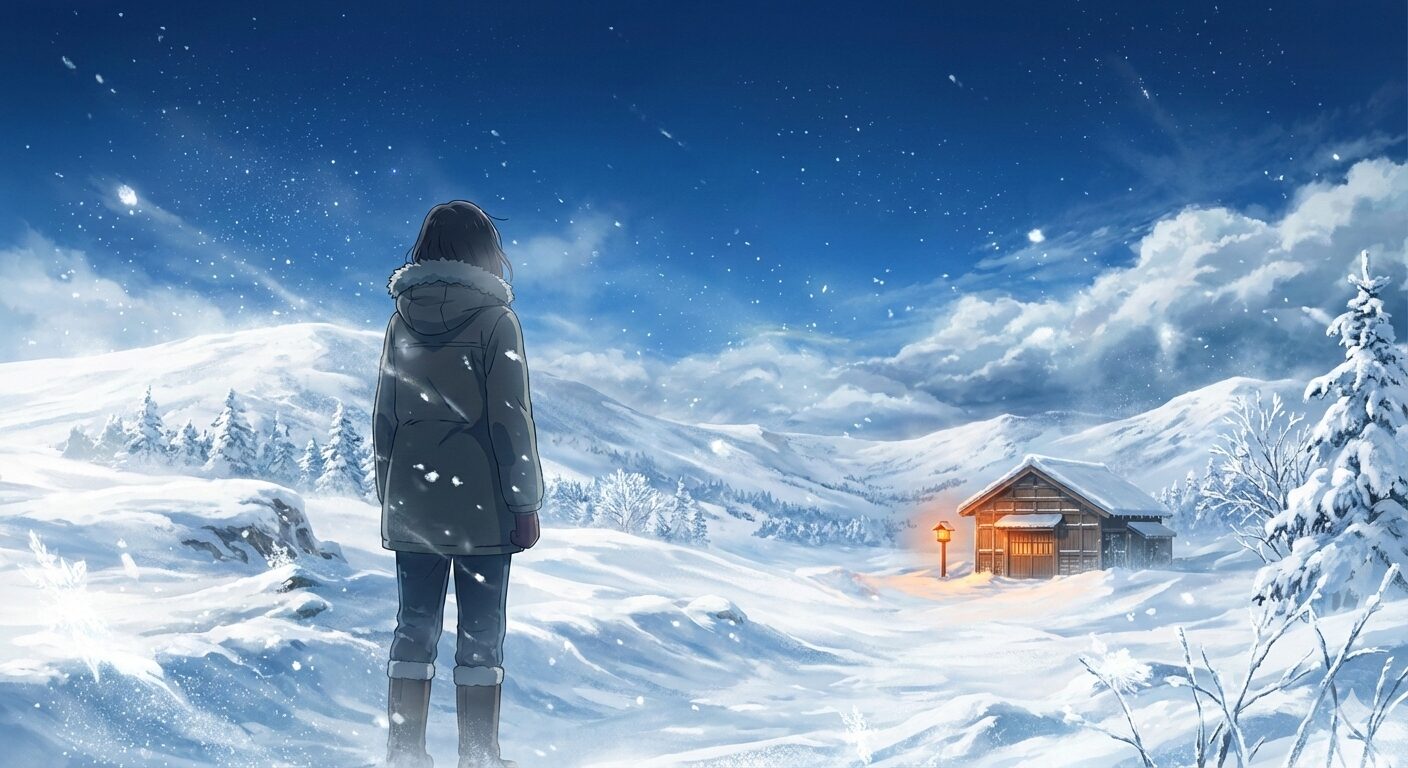
Japanese winters are undeniably beautiful, but they can also be unimaginably severe. The pinnacle of this severity is January 25th. Known as “Japan’s Lowest Temperature Day,” this date marks more than just a weather record. Behind the numbers lie a heroic tragedy in Japan’s modernization history and the wisdom of the Japanese people to survive in extreme cold.
Today, we delve into the astounding record set in 1902, the historical incident that occurred on the same day, and the deep layers of Japanese culture revealed through this freezing date.

History: The Shock of -41.0°C and the Tragedy of Mt. Hakkoda
Let’s turn the clock back over a century. On January 25, 1902, the Japanese archipelago was engulfed by an unprecedented cold wave.
-41.0°C Recorded in Asahikawa
In Asahikawa City, Hokkaido, the lowest temperature ever in Japanese meteorological history was recorded: -41.0°C (-41.8°F). To this day, this remains the unbroken official record. Imagine a world below -40°C. In such an environment, your breath freezes instantly, a wet towel hardens into a rod in seconds, and moisture in the air crystallizes into “diamond dust,” glittering in the sunlight.
Given the observation technology and harsh conditions of the time, the sheer tenacity of the weather station staff who documented this record is historical in itself.
The Tragedy on the Same Day: The Mt. Hakkoda Snow March Incident
However, this cold wave did more than just break records. At the same time, in the Hakkoda Mountains of Aomori Prefecture, one of the worst mountaineering disasters in the history of the Imperial Japanese Army was unfolding.
In anticipation of a potential war with Russia (the Russo-Japanese War), 210 soldiers from the Aomori 5th Infantry Regiment were conducting cold-weather combat training. Caught in a record-breaking blizzard, 199 men lost their lives. The very same cold air mass that brought record lows to Asahikawa was the “White Devil” that claimed the lives of these soldiers.
This event was later depicted in detail in the novel “Death March on Mount Hakkoda” by Jiro Nitta and adapted into a famous film. January 25th is a day to remember the awe-inspiring power of nature and to mourn the lives lost.
Culture: The Aesthetics of Endurance and the Culture of Warmth
What aspects of Japanese culture can we decipher from this historically freezing day? It is a story of “adaptation” and “appreciation” of harsh environments.
The Spirit of “Gaman” (Endurance)
The word Gaman is essential when discussing Japanese spirituality. It means more than just patience; it implies enduring the seemingly unbearable with dignity. People in snow country wait for spring while locked away by deep snow. This acceptance of inconvenience and the quiet endurance form the roots of Japanese diligence and resilience. The lesson of Hakkoda teaches modern Japan not to try to conquer nature, but to face it with humility and respect.
Turning Cold into Joy
On the other hand, Japanese people have a talent for turning cold into entertainment. In Hokkaido, which boasts these record low temperatures, events like the “Sapporo Snow Festival” and “Asahikawa Winter Festival” utilize the snow and ice for art and leisure.
Furthermore, Asahikawa City has designated this day as “Steamed Bun Day” or “Hot Cake Day” in connection with the record low. The mindset is positive: “Because it is so cold, let’s feel happiness by eating something warm.” Gathering around a hot pot (Nabe) while sitting under a heated table (Kotatsu)—the colder it is outside, the stronger the unity and warmth inside. This is the true charm of winter in Japan.
A Question for You
A world of -41.0°C. How cold does it get where you live?
In modern times, protected by air conditioning and high-tech clothing, we tend to forget the true severity of nature. However, the date of January 25th reminds us that people once fought against such cold, and that the warm life we enjoy today should not be taken for granted.
If you were placed in extreme cold, what would you feel, and how would you keep your heart warm? I invite you to ponder this, perhaps while enjoying a hot cup of coffee.
Related Links
1月25日:日本が凍りついた日「日本最低気温の日」の真実
日本の冬は美しいですが、時に想像を絶する厳しさを見せます。その頂点とも言える日が、1月25日です。この日は「日本最低気温の日」として知られていますが、単に寒かったという記録だけの日ではありません。その背後には、日本の近代化における壮絶な悲劇と、極寒の中で生き抜く日本人の知恵が隠されています。
今回は、1902年(明治35年)に刻まれた驚異的な記録と、同日に発生した歴史的事件、そしてそこから見えてくる日本文化の深層について詳しく解説します。
歴史:-41.0℃の衝撃と八甲田山の悲劇
時計の針を100年以上戻しましょう。1902年1月25日、日本列島は未曾有の大寒波に覆われていました。
旭川で観測された-41.0℃
北海道の旭川市で、日本の気象観測史上最低となる「-41.0℃」が記録されました。これは現在に至るまで破られていない、不動の公式記録です。想像してみてください。-40℃を下回る世界では、吐く息が瞬時に凍りつき、濡れたタオルは棒のように硬直し、大気中の水分が結晶化してキラキラと輝く「ダイヤモンドダスト」が日常の風景となります。
当時の観測技術と過酷な環境下で、この記録を残した気象台職員たちの執念そのものが、一つの歴史と言えるでしょう。
同日に起きた悲劇:八甲田山雪中行軍遭難事件
しかし、この寒波は単なる記録更新にとどまりませんでした。同じ時、青森県の八甲田山では、日本陸軍史上最大級の山岳遭難事故が発生していました。
対ロシア戦(日露戦争)を見据え、寒冷地での戦闘訓練を行っていた青森歩兵第5連隊の210名が、記録的な猛吹雪の中で遭難しました。結果として199名が命を落とすという、あまりに痛ましい事件です。旭川で記録的な低温が観測されたその寒気団こそが、八甲田山で兵士たちの命を奪った猛吹雪の正体でした。
この事実は、日本の小説家・新田次郎による『八甲田山死の彷徨』で詳細に描かれ、後に映画化もされました。1月25日は、自然の脅威に対する畏怖と、失われた命への追悼を忘れてはならない日でもあります。
文化:極寒が生んだ「耐える美学」と「温もりの文化」
この歴史的な極寒の日から、私たちは日本文化のどのような側面を読み解くことができるでしょうか。それは、厳しい自然環境に対する「適応」と「享受」です。
「我慢(Gaman)」の精神
日本の精神性を語る上で欠かせない「我慢」という言葉は、単なる忍耐以上の意味を持ちます。雪国の人々は、冬の間、深い雪に閉ざされながら春を待ちます。この不便さを受け入れ、静かに耐え忍ぶ姿勢は、日本人の勤勉さや粘り強さの根源となっています。八甲田山の教訓は、自然を征服するのではなく、自然の恐ろしさを知り、謙虚に向き合うことの重要性を現代に伝えています。
寒さを楽しむ逆転の発想
一方で、日本人は寒さをエンターテインメントに変える才能も持っています。記録的な寒さを誇る北海道では、その雪と氷を利用した「さっぽろ雪まつり」や「旭川冬まつり」が開催されます。
また、-41.0℃を記録した旭川市では、この日にちなんで「中華まんの日」や「ホットケーキの日」といった記念日が制定されています。「寒いからこそ、温かいものを食べて幸せを感じよう」というポジティブな転換です。こたつ(Kotatsu)に入り、温かい鍋料理(Nabe)を囲む。外が寒ければ寒いほど、内側の団結と温もりが増す。これが日本の冬の醍醐味です。
あなたへの問いかけ
-41.0℃という世界。あなたの国や地域では、どれほどの寒さを経験したことがありますか?
現代の私たちは、エアコンや高機能な衣服に守られ、自然の本当の厳しさを忘れがちです。しかし、1月25日という日付を見るたびに、かつてその寒さと戦った人々がいたこと、そして今ある温かい生活が当たり前ではないことを思い出させてくれます。
もしあなたが、極限の寒さの中に置かれたとしたら、そこで何を感じ、どうやって心の温かさを保ちますか?ぜひ、暖かいコーヒーでも飲みながら考えてみてください。
コメント