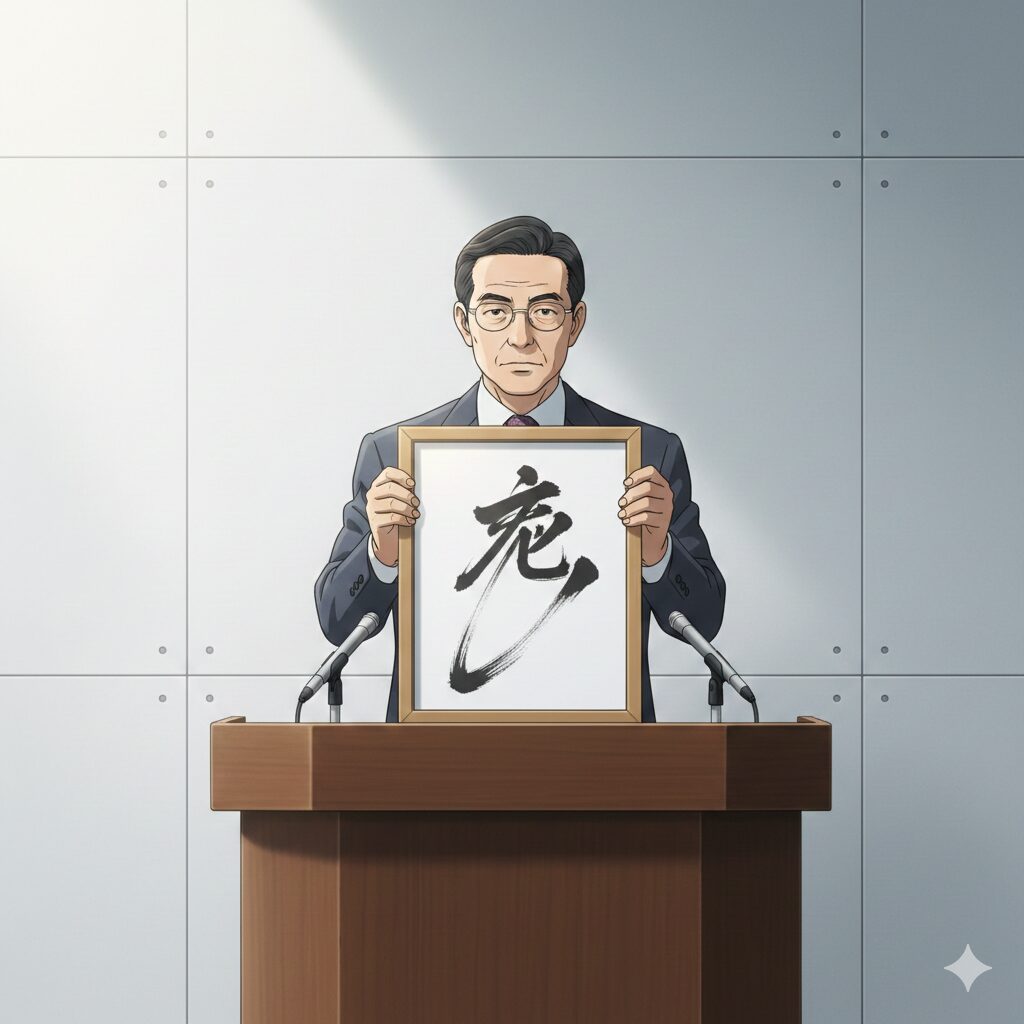
In the tapestry of Japanese history, January 8, 1989, is not merely a date on the calendar. It marks a monumental shift in the Japanese psyche, a change in the very texture of time itself. It was the day the turbulent “Showa” era ended, and the “Heisei” era began. Today, I will introduce you to this pivotal moment of “Kaigen” (Era Name Change) and the deep cultural significance behind it.

The Historical Moment: January 8, 1989, 2:36 PM
Let’s turn the clock back to 1989. In the early morning of January 7, Emperor Showa (Hirohito), the 124th Emperor of Japan, passed away. With his passing, the “Showa” era, which had lasted for 64 years and 14 days, came to a close. Showa was an era defined by extreme highs and lows: the tragedy of World War II, the recovery from ashes, and the miraculous economic growth that followed.
Then came January 8. As the nation watched their televisions in breathless anticipation, Keizo Obuchi, the then Chief Cabinet Secretary, appeared at a press conference. Without a word, he held up a framed calligraphy with two fresh characters written in black ink.
“The new era name is Heisei.”
In that instant, Japan entered the “Heisei” era. The name was derived from ancient Chinese history books, the Records of the Grand Historian and the Book of Documents, symbolizing the wish that “Peace shall be achieved both inside and outside the country, and in the heavens and on earth.”
Why Does Japan Still Use Its Own “Era System”?
To international observers, it might seem curious that Japan uses a unique era system (Gengo) alongside the Gregorian calendar. Even now, in 2026, Japan is in the “Reiwa” era.
This system is more than just a way of counting years. An era name acts like a container that defines the “mood” or “spirit” of that specific period.
- Meiji: Modernization, Westernization, and the end of the Samurai.
- Showa: The tragedy of war and the subsequent economic miracle.
- Heisei: The burst of the economic bubble, the rise of the internet, resilience against natural disasters, and the pursuit of peace.
January 8 was the day the Japanese people shelved the heavy, intense memories of Showa into the archives of history and pressed the reset button with a prayer for peace called Heisei.
The Ritual of Naming and Cultural Depth
The process of changing an era name is steeped in Japanese tradition and aesthetics. A new era name must meet strict criteria:
- It must have a positive meaning appropriate for the ideals of the people.
- It must consist of two Kanji characters.
- It must be easy to write and read.
- It must not have been used as an era name or posthumous name before.
- It must not be a term used in a vulgar context in daily life.
On this day in 1989, amidst proposals secretly devised by scholars of Chinese literature and history, the Cabinet debated and selected “Heisei.” Embedded in this choice was a powerful will: “We want an era without war.”
Impact on Modern Society: What January 8 Asks of Us
The Heisei era that began on this day was not a smooth road. Japan faced the collapse of the bubble economy (the “Lost Decades”) and major natural disasters like the Great Hanshin Earthquake and the Great East Japan Earthquake. However, unlike in the Showa era, no Japanese citizens died in war during Heisei. In that sense, the wish for “Achieving Peace” declared on January 8 was, in one aspect, fulfilled.
Reflecting on January 8 is an exercise in reaffirming how we define our times and how we wish to live. We Japanese have a culture of resetting time and renewing our spirits with the succession of the Emperor. This may be a unique Japanese wisdom of “Rebirth”—not dragging the past too heavily, yet not forgetting it either.
To My Readers
In Japan, when the era changes, the atmosphere changes. If, in your country, the name of the calendar suddenly changed one day and you were told, “A new era begins today,” how would you feel?
Would you see it as just a change in numbers? Or would you use it as an opportunity to re-examine your own life?
I invite you to think about how your culture marks the chapters of time.
References
- What’s Today’s Special Day Series – Explore more Japanese special days here.
1月8日:平成スタートの日 / 激動の昭和から平和への願いへ
日本の歴史において、1989年1月8日は単なるカレンダー上の日付ではありません。それは、日本人の精神構造、時間感覚、そして社会の空気が劇的に切り替わった、記念碑的な一日です。今日は、現代日本を形成する上で欠かせない「改元(Era Name Change)」の瞬間と、その背景にある深い文化についてお話しします。
歴史的瞬間:1989年1月8日、午後2時36分
時計の針を1989年に戻しましょう。1月7日の早朝、日本の第124代天皇である昭和天皇が崩御されました。これにより、64年と14日間続いた「昭和(Showa)」という時代が幕を閉じました。昭和は、第二次世界大戦、焼け野原からの復興、そして高度経済成長という、日本の激しい浮き沈みを象徴する時代でした。
そして翌日の1月8日。日本国民が固唾を呑んでテレビを見守る中、当時の小渕恵三内閣官房長官が記者会見場に現れました。彼は無言のまま、墨で鮮やかに書かれた二文字を掲げました。
「新しい元号は、平成(へいせい)であります」
この瞬間、日本は「平成(Heisei)」という新しい時代に入りました。この「平成」という言葉は、中国の歴史書『史記』と『書経』から引用されたもので、「国の内外、天地とも平和が達成される」という願いが込められています。
なぜ日本は独自の「元号」を使い続けるのか?
海外の方からすると、日本が西暦(Gregorian calendar)と並行して、独自の元号(Gengo)を使用していることは不思議に映るかもしれません。2026年現在も、日本は「令和(Reiwa)」という元号を使用しています。
このシステムは、単なる年のカウント方法ではありません。元号は、その時代の「ムード」や「精神」を定義するパッケージのような役割を果たしています。
- 明治(Meiji):近代化、西洋化、侍の時代の終わり。
- 昭和(Showa):戦争の悲劇と、そこからの奇跡的な経済復興。
- 平成(Heisei):バブル経済の崩壊、インターネットの普及、災害との戦い、そして平和の模索。
1月8日は、日本人が「昭和という重く激しい時代」の記憶を歴史の棚に収め、「平成という平和への祈り」を胸にリセットボタンを押した日なのです。
改元の儀式と日本文化の奥深さ
元号を変えるプロセスには、日本の伝統と美意識が詰まっています。新しい元号は、以下の厳しい条件を満たす必要があります。
- 国民の理想としてふさわしい良い意味を持つこと。
- 漢字2文字であること。
- 書きやすく、読みやすいこと。
- これまでに元号や送り名として使われていないこと。
- 俗用(日常会話で卑俗な意味で)されていないこと。
1989年のこの日、漢文学者や歴史学者が極秘裏に考案した案の中から、閣僚たちが議論を重ねて「平成」が選ばれました。そこには、「戦争のない時代にしたい」という強烈な意志が込められていたのです。
現代社会への影響:1月8日が私たちに問いかけるもの
この日から始まった平成時代は、決して平坦な道のりではありませんでした。経済バブルの崩壊(Lost Decades)や、阪神淡路大震災、東日本大震災といった自然災害に見舞われました。しかし、昭和のように戦争で人が死ぬことは一度もありませんでした。その意味で、1月8日に掲げられた「平和の達成」という願いは、ある側面では守られたと言えるでしょう。
1月8日を振り返ることは、私たちが「どのように時代を定義し、どのように生きたいか」を再確認する作業です。私たち日本人は、天皇の代替わりと共に時間をリセットし、気持ちを新たにする文化を持っています。これは、過去を引きずりすぎず、かといって忘れ去るわけでもない、日本独自の「再生(Rebirth)」の知恵なのかもしれません。
読者の皆様へ
日本では、時代が変わることで空気感が変わります。もし、あなたの国で、ある日突然カレンダーの呼び名が変わり、「今日から新しい時代(Era)です」と告げられたら、どのような気持ちになるでしょうか?
ただの数字の変化だと感じますか? それとも、自分の人生を見つめ直すきっかけにするでしょうか?
ぜひ、あなたの文化における「時代の区切り」について考えてみてください。
参考リンク
- What’s Today’s Special Day Series – その他の日本の記念日についてはこちら

コメント